More Than Sightseeing: What Kids Can Discover During a Month in Japan
Make a month in Tokyo meaningful through everyday discoveries: shopping, simple Japanese, neighbourhood walks and a family travel journal.

Written by Hive Heaven
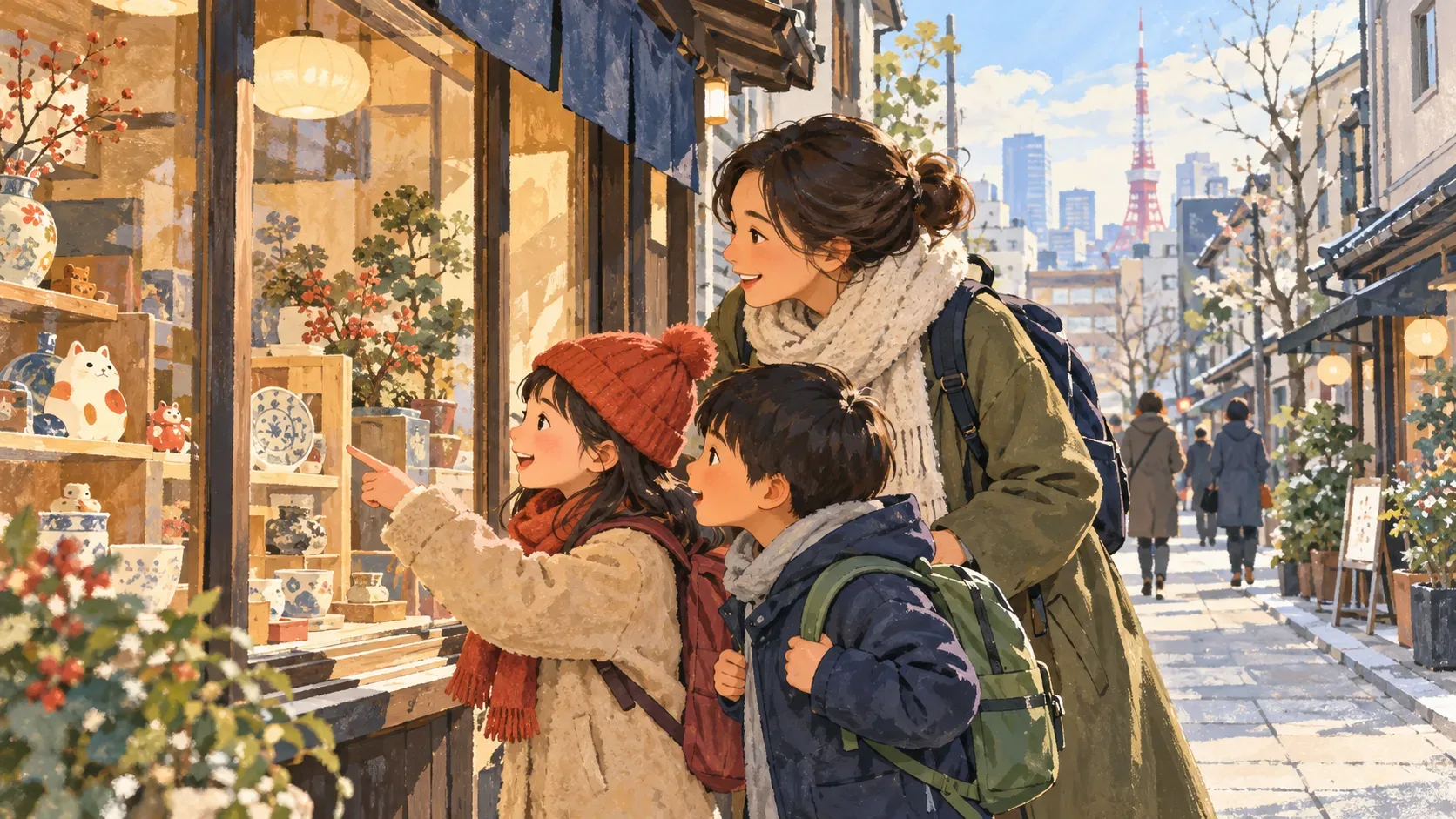
A month in Tokyo can give children repeated chances to notice, ask questions and try small things for themselves. The value does not depend on finishing a sightseeing list or promising an educational result. Build a few enjoyable habits around the places your family visits, then let the children's interests shape what happens next.
For Australian families using the summer school holidays to travel in Japan, this can be a gentle way to make the trip meaningful without turning the break into school away from home.
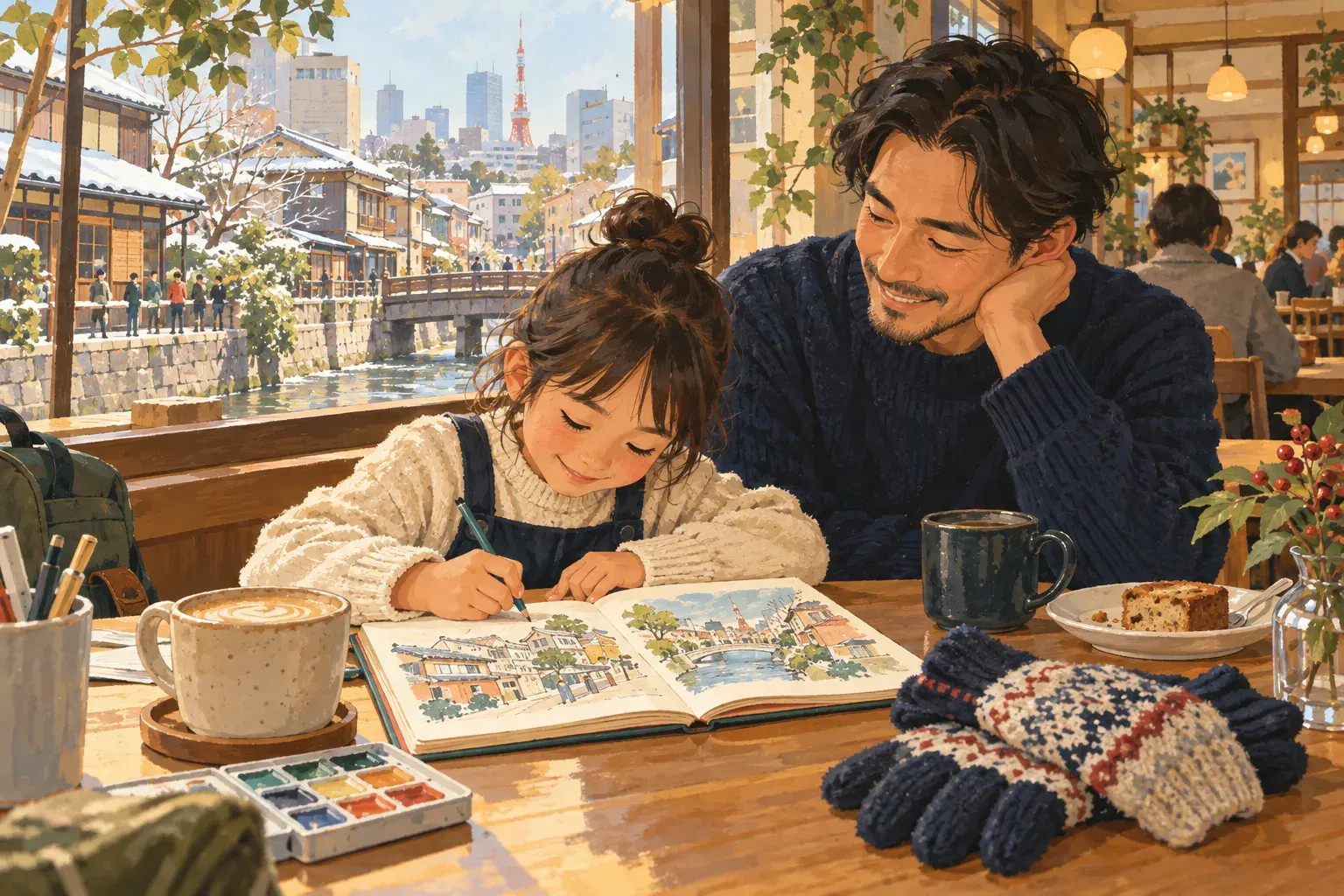
What can children discover in an ordinary shop?
A small shopping task can invite observation: find a familiar fruit, compare packaging or choose one snack within an agreed budget. Parents remain responsible for checking food information, payment and suitability.
Give the task a clear endpoint so it stays enjoyable. There is no need to turn every price into a maths exercise. Sometimes the useful discovery is simply learning that a familiar item looks different in another country.
Let children ask questions afterwards. If you do not know the answer, you can look it up together instead of guessing.
How can we make simple Japanese feel useful?
Choose a few everyday greetings with reliable pronunciation guidance and use them politely where appropriate. Practise together without making the child perform for strangers.
The goal is participation, not a claim that a month will produce fluency. Some children enjoy speaking immediately; others prefer listening. Both can take something from the experience.
Parents can model curiosity by trying, listening and thanking people for help. Leave space for the interaction to stay ordinary rather than turning it into a staged achievement.
Can a familiar route become part of the adventure?
Invite older children to help recognise a landmark or identify the station name while an adult remains in charge of navigation. Repeating a route lets them notice details that were missed on arrival.
Ask what has become familiar by the second week. It might be a crossing, a shop window or the place where everyone stops to adjust their coats. Recognition can make a large city feel more understandable without requiring children to travel independently.
Keep the activity age-appropriate and avoid distracting them where attention to traffic or other travellers matters.
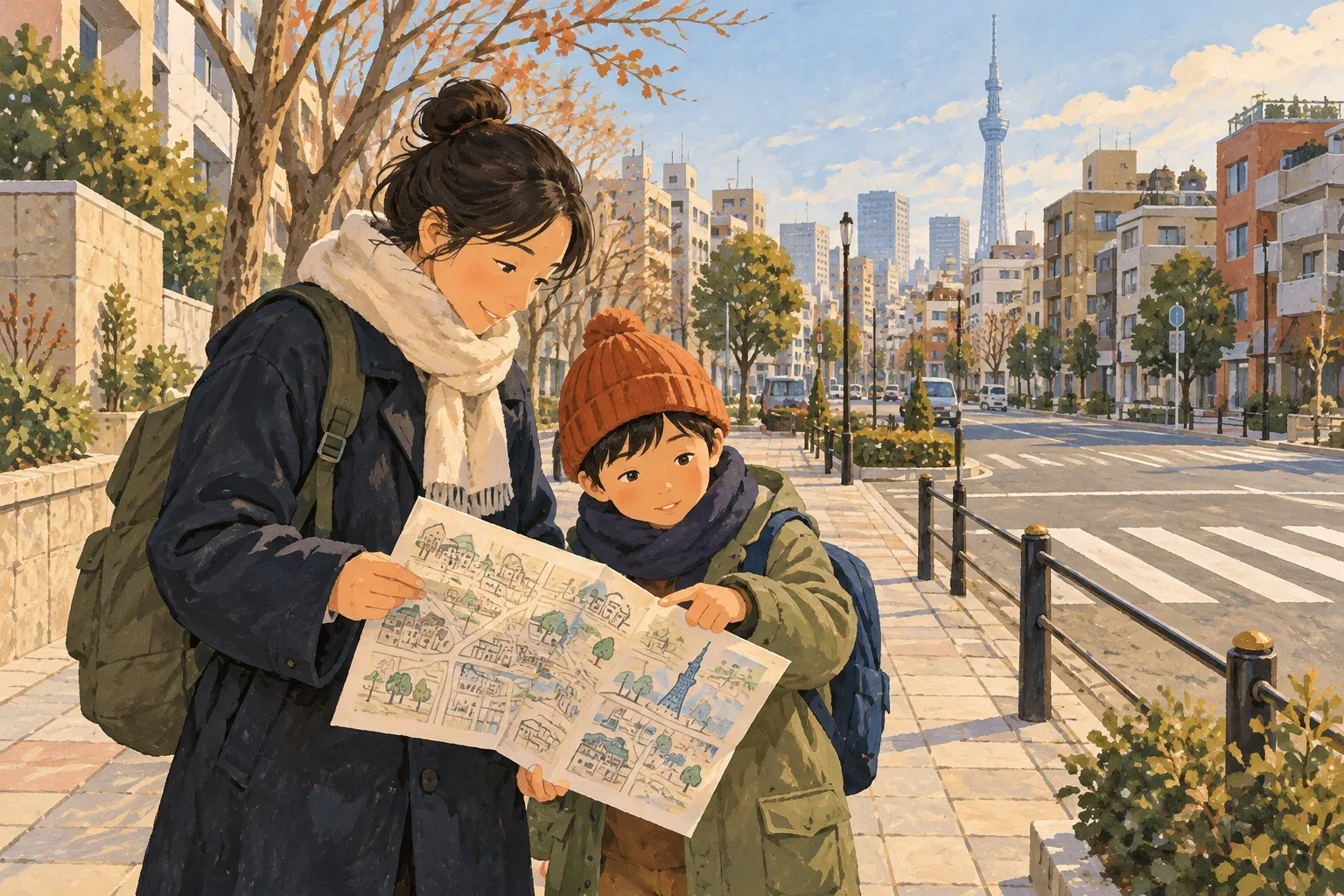
How do we use museums and gardens without overplanning?
Pick one place linked to a current interest. In Kiyosumi-Shirakawa, official Tokyo tourism information identifies gardens and cultural venues that can provide starting points. Check the current exhibition or visitor information before choosing.
Give the child permission to like one small thing rather than the whole venue. A texture, an animal in a painting or the shape of a roof can start a conversation. You do not need to explain every object.
A shorter, engaged visit can be more rewarding than staying until everyone has lost interest. Leave while the day still feels good if that suits your family.
What could a five-minute travel journal include?
Try one drawing, one sentence and one question. Younger children can dictate while an adult writes; older children might prefer photographs or a voice note. Choose a format that feels easy to return to.
Do it occasionally rather than turning it into a daily obligation. Keep tickets or paper souvenirs only where practical, and avoid collecting so much that the activity becomes another packing problem.
At the end of the week, ask everyone to choose a favourite page or moment. Different answers are part of the value.
How can parents protect the holiday feeling?
Keep some experiences free of commentary. An ice cream can simply be an ice cream. A tired child does not need a reflection question on the train home.
Share your own discoveries as well. When adults talk about something they found surprising, the activity becomes a conversation rather than an assessment.
What do we bring home after a month?
Perhaps a small journal, a new favourite food and a few words. More importantly, a set of shared references: the morning you took the wrong turn, the place you returned to and the ordinary evening everyone remembers.
A longer stay gives these moments time to accumulate. The accommodation is the base; your family's attention and choices give the month its meaning.
Frequently asked questions
Does a month in Japan guarantee language improvement?
No. This guide suggests everyday opportunities to engage; it does not promise fluency or a measured educational outcome.
Do we need organised educational tours?
No. They are optional. Simple shared activities can be enjoyable, while any formal programme needs its own research and booking.
Should we make the children keep a journal every day?
Only if they enjoy it. A few short entries can be more meaningful than a compulsory daily task.
What if siblings are interested in different things?
Let them choose different small observations or alternate the main outing. They do not need to have identical experiences for the holiday to feel shared.
Planning your family's Tokyo stay?
Tell HIVEN your preferred check-in and check-out dates, the number of adults, each child's age and the sleeping arrangement you need. Ask for a room-specific 29-night quote and written inclusions before booking. Enquire through https://www.hivenstay.com/
Information checked: 14 October 2026. Recheck time-sensitive prices, school dates, transport, opening hours, room conditions and seasonal arrangements before publication and again before booking or travel. Suggested itineraries are independent planning ideas, not included tours.
Sources
GO TOKYO — Kiyosumi-Shirakawa neighbourhood guide — https://www.gotokyo.org/en/destinations/eastern-tokyo/kiyosumi-shirakawa/index.html
HIVEN — Residence and booking information — https://www.hivenstay.com/


