Spend a Month in Tokyo Following One Obsession: Coffee, Books, Art or Vintage
Give a month in Tokyo a personal thread through coffee, books, art or vintage shopping, with enough time to return, learn and choose carefully.

Written by Hive Heaven

A month in Tokyo becomes easier to shape when one interest gives the days a thread. Coffee, books, art or vintage clothing can each provide a reason to explore different neighbourhoods and return to the ones that catch your attention. You do not need to be an expert, and you do not need to buy something every time.
A short trip often rewards quick decisions. A longer one lets you leave a shop, think about what you saw and return another day. That extra space can make browsing more enjoyable, even when the eventual souvenir is simply a clearer idea of what you like.
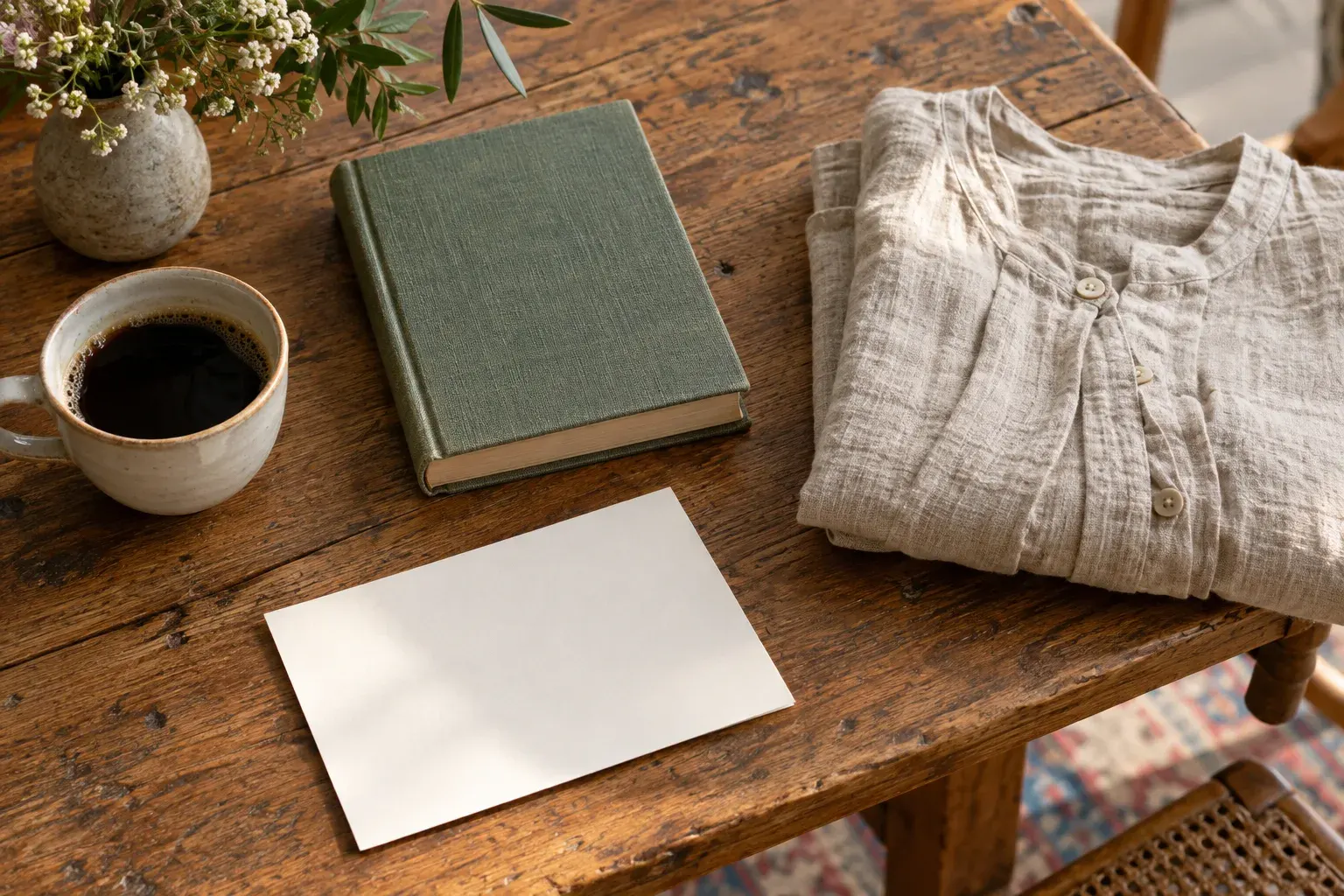
How do you turn an interest into a useful travel plan?
Begin with a question. A coffee enthusiast might wonder which kind of cafe they enjoy spending time in. A book lover might look for a particular subject or edition. Someone interested in clothes could focus on construction, fit or one period rather than buying whatever looks unusual.
Choose two or three outings for the first week, then leave the rest open. You will learn what is rewarding and what is tiring. The original plan should introduce you to the possibilities, not determine the entire month.
Give the interest a budget and a practical limit. Books are heavy, clothes occupy luggage space, and several cafe visits in a day may not be enjoyable. A constraint can help you choose with more care.
If coffee is your interest, where could you begin?
Kiyosumi-Shirakawa is a useful neighbourhood to research. GO TOKYO describes its combination of coffee and art, which makes it suitable for an outing with more than one kind of stop. Check individual cafes for opening days, seating and current arrangements.
Kiyosumi-Shirakawa neighbourhood
Kiyosumi-Shirakawa, Koto City, Tokyo, Japan
Open in Google Maps
Instead of trying to compare five drinks in one afternoon, choose one cafe and notice what matters to you: the coffee, the pace, the space or the way the visit fits into a walk. A second visit may tell you more than immediately moving to the next recommendation.
Keep working and lingering expectations appropriate to the venue. A small cafe is not automatically a place for a laptop or an all-day stay. Follow signs and staff guidance, and make room for other customers when needed.

If books are your interest, what makes Jimbocho worthwhile?
GO TOKYO introduces Jimbocho as a district for new, secondhand and rare-book browsing. The local booksellers association provides an English guide and map resources. Use those to identify possible shops and check the details that matter to your visit.
Jimbocho bookshop district
Kanda-Jimbocho, Chiyoda City, Tokyo, Japan
Open in Google Maps
Language does not have to eliminate the interest, but it should shape your expectations. Look for the subject, format or language you want, and confirm whether a particular shop carries it. Art, photography and design books may offer different browsing possibilities from a novel you cannot read.
A small target makes the visit satisfying: one subject to investigate, one book to compare or one shop to revisit. Leave time to look carefully. Check condition, edition, price and any return policy before purchasing, especially when the item is a significant expense.
A long trip lets an interest become a conversation with a place, rather than a shopping list.
If art is your interest, how do you avoid exhibition overload?
Select exhibitions by curiosity, then check current official dates, opening days and ticket arrangements. A museum building may be permanent while the exhibition you saw in an old article has already ended. Do not build the trip around a historical listing.
Kiyosumi-Shirakawa's official area guide also points visitors towards art, including the Museum of Contemporary Art Tokyo. Use the individual museum's current information to decide what is available during your stay. This article does not promise a specific exhibition or opening schedule.
Give yourself time after an exhibition. Sit, write down an impression or walk nearby rather than treating the exit as a signal to rush to another museum. A month allows fewer visits with more attention, if that is the kind of art trip you enjoy.
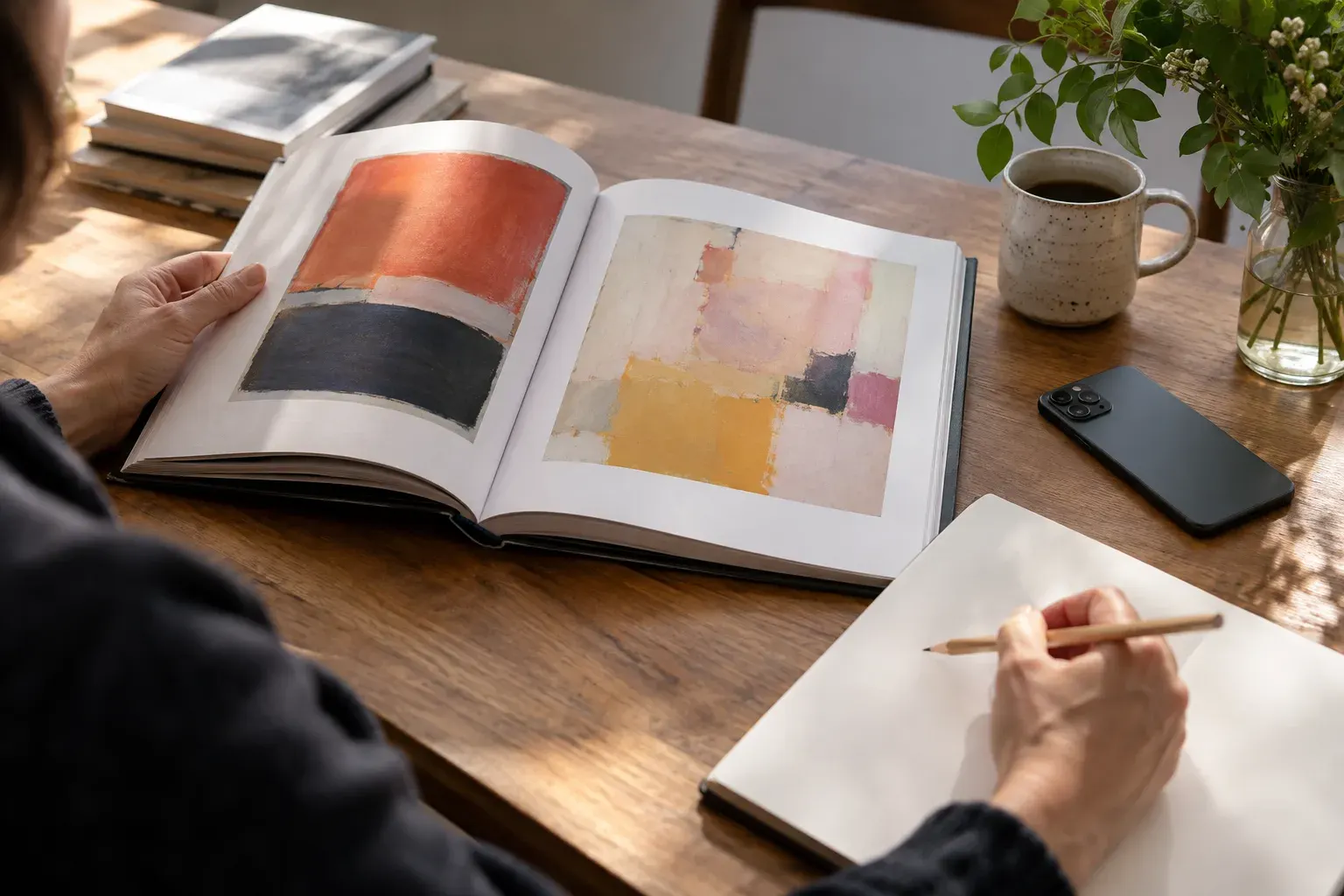
If vintage clothing is your interest, how could you approach Shimokitazawa?
Official Tokyo and JNTO guides describe Shimokitazawa's vintage and secondhand shopping character. Use their area guidance as a starting point, then check the shops that match your taste. A neighbourhood reputation does not establish the price or stock of a particular store.
Shimokitazawa neighbourhood
Kitazawa, Setagaya City, Tokyo, Japan
Open in Google Maps
Start with one category or a few measurements. Trying to evaluate everything can make the afternoon tiring and purchases impulsive. Check condition, alterations, care requirements and whether the item genuinely fits your wardrobe or is only appealing in the moment.
Do not assume that secondhand means inexpensive, that every item is Japanese-made, or that returns work like a familiar retailer at home. Ask before paying. If authenticity matters for a costly purchase, seek appropriate evidence rather than relying on the district's reputation.
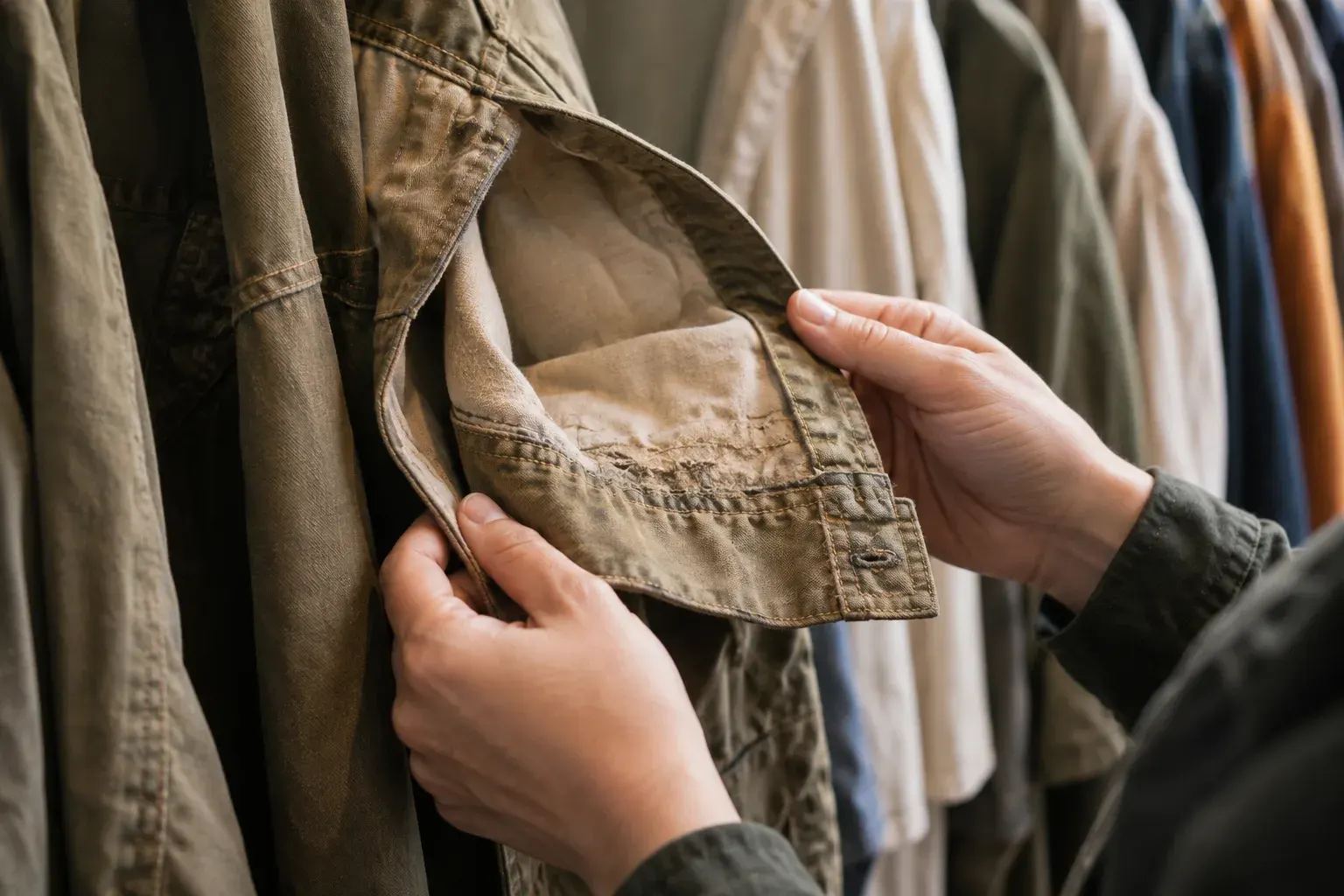
How can one interest produce four different weeks?
Use week one for orientation: discover the kinds of places you enjoy and the routes involved. In week two, compare a few options more deliberately. In week three, follow a question that emerged from those visits. Use the final week for a return, a considered purchase or simply more time with a favourite area.
This is a framework, not a requirement to study. You can abandon an interest that feels less compelling in practice. Perhaps book browsing turns out to be more enjoyable than the ambitious cafe list you brought with you.
Keep other parts of the trip present. Food, rest, conversation and unplanned walks can sit alongside the theme. An interest gives you a direction; it does not have to become the only thing you do.

How do you avoid making the trip expensive by accident?
Set a separate amount for purchases and admissions, then distinguish looking from buying. A successful afternoon can end without an object. Take notes where permitted and return later if you need time to decide.
Before buying, consider the whole journey home. Check baggage limits and any relevant import requirements for the actual item. A purchase that fits the room may not fit the suitcase or the rules for taking it home.
Avoid adding an expensive excursion simply because it relates loosely to the theme. Compare its cost and effort with what you would enjoy closer to the base. More time should improve your choices, not make every possibility compulsory.
What kind of base supports this sort of month?
Map the areas you expect to revisit. If most of your plans are in western Tokyo, compare that travel pattern honestly with an eastern base. If your interests are spread out, look at the repeated journeys and the everyday convenience around the room.
Kinshicho has Tokyo Metro access through the Hanzomon Line, but route details and transfers depend on the destination. Use current operator information rather than assuming every suggested area is one direct journey away.
For HIVEN, compare the selected room's layout, storage, dates and full quote. Residence currently starts at 29 nights. A table where you can look through a book or plan an outing may matter more to this trip than a feature you will rarely use.
HIVEN BK Kinshicho
4-6-4 Kotobashi, Sumida-ku, Tokyo, Japan
Open in Google Maps
Do not mistake a comfortable base for unlimited storage. Keep purchases organised, follow the room's rules and think about departure before the last evening. A month-long interest should leave you with good memories rather than an emergency luggage problem.
Frequently asked questions
Do I need expert knowledge to plan an interest-led trip?
No. Curiosity is enough. Choose a manageable question and let visits teach you what you want to explore next.
Can I combine all four interests?
Yes, but give each outing a clear focus. Trying to cover every category every day can make the month feel like a checklist again.
Are the named neighbourhoods guarantees of particular shops or prices?
No. They are starting points supported by official destination guides. Confirm individual businesses, stock, hours and terms.
Can I browse books if I do not read Japanese?
You can investigate shops carrying languages, subjects or visual material that interest you. Check the selection rather than assuming every bookstore offers the same options.
Does vintage shopping mean cheap shopping?
No. Price depends on the item and business. Check condition, fit and terms, and set a budget before browsing.
Should I book museum visits before arriving?
Check each venue's current exhibition and ticket arrangements. Book when required or when an experience is important to your plans.
Is Kinshicho the best base for every interest?
No single area is best for everyone. Compare your repeated routes and everyday needs with the actual accommodation options.
Sources and information check
[GO TOKYO — Kiyosumi Shirakawa](https://www.gotokyo.org/en/destinations/eastern-tokyo/kiyosumi-shirakawa/index.html)
[GO TOKYO — Kanda and Jimbocho](https://www.gotokyo.org/en/destinations/central-tokyo/kanda-and-jimbocho/index.html)
[Jimbocho Booksellers Association — official English guide](https://en.jimbou.info/)
[GO TOKYO — Shimokitazawa neighbourhood guide](https://www.gotokyo.org/en/destinations/western-tokyo/shimokitazawa/)
[JNTO — Shimokitazawa shopping guide](https://www.japan.travel/en/story/shimokitazawa-shopping-guide/)
[Tokyo Metro — Kinshicho Station and Hanzomon Line](https://www.tokyometro.jp/lang_en/station/kinshicho/index.html)
[HIVEN — current Residence offer](https://www.hivenstay.com/?lang=en)
Information checked: 30 October 2026. Recheck time-sensitive details before publication and before booking or visiting, including prices, opening hours, transport, entry requirements and the selected room’s terms. Suggested routines and sample itineraries are editorial planning examples, not guest testimonials.


