Tiny Shrines Between Everyday Errands
A quiet Kinshicho walking guide for longer stays: buy groceries, notice a small shrine, pause for one minute, and let the city continue around you.

Written by Hive Heaven
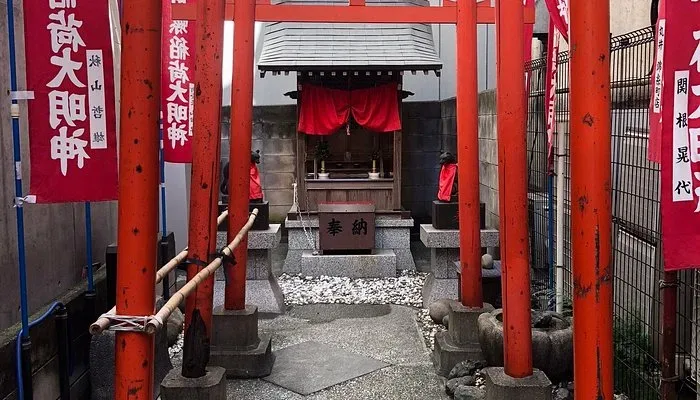
Tokyo’s smallest shrines are easiest to miss when you are doing exactly what they are built into. Buying groceries. Walking to the station. Carrying a paper bag. Checking the weather before work. Taking a familiar shortcut without looking up. In Kinshicho, these tiny pauses do not always announce themselves as destinations. They sit between restaurants, apartments, parking lots, shops, and station streets. A small torii. A red banner. A stone marker. A few fox figures. A place where the city briefly gathers itself before continuing. This is not a shrine-hopping route. It is an errand route with attention. Start with something practical. Buy what you need. Then take one extra minute before returning to the day.
Do Not Make It a Shrine Tour
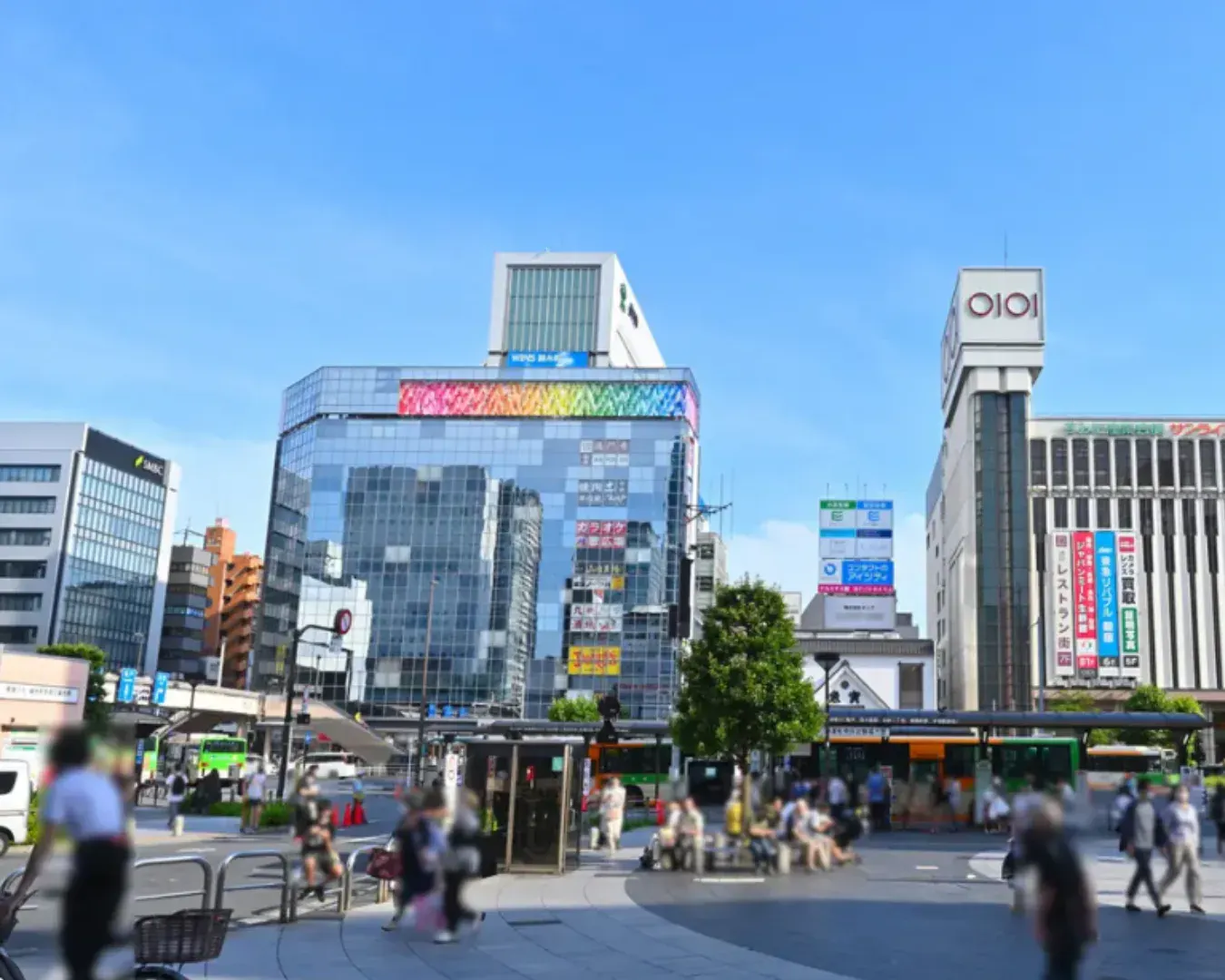
The mistake would be to turn these places into a checklist. A small neighborhood shrine does not need the pressure of being “found.” It works better when it interrupts something ordinary. On the way back from SEIYU. After crossing the station. Before walking toward Arcakit or LIFE. While taking the longer route home because the bag is not too heavy yet. This is why the route begins with errands. SEIYU Kinshicho on the south side and LIFE Kinshicho Station Store on the north side are both practical daily anchors for longer stays: one near Kotobashi, one in Arcakit Kinshicho B1F. The shrine comes after the purchase. Not before. That order matters. It keeps the walk local. It reminds you that Tokyo’s cultural texture is not only in museums, temples, festivals, or major landmarks. Sometimes it appears after you buy eggs and tea.
First Pause: Tanishi Inari
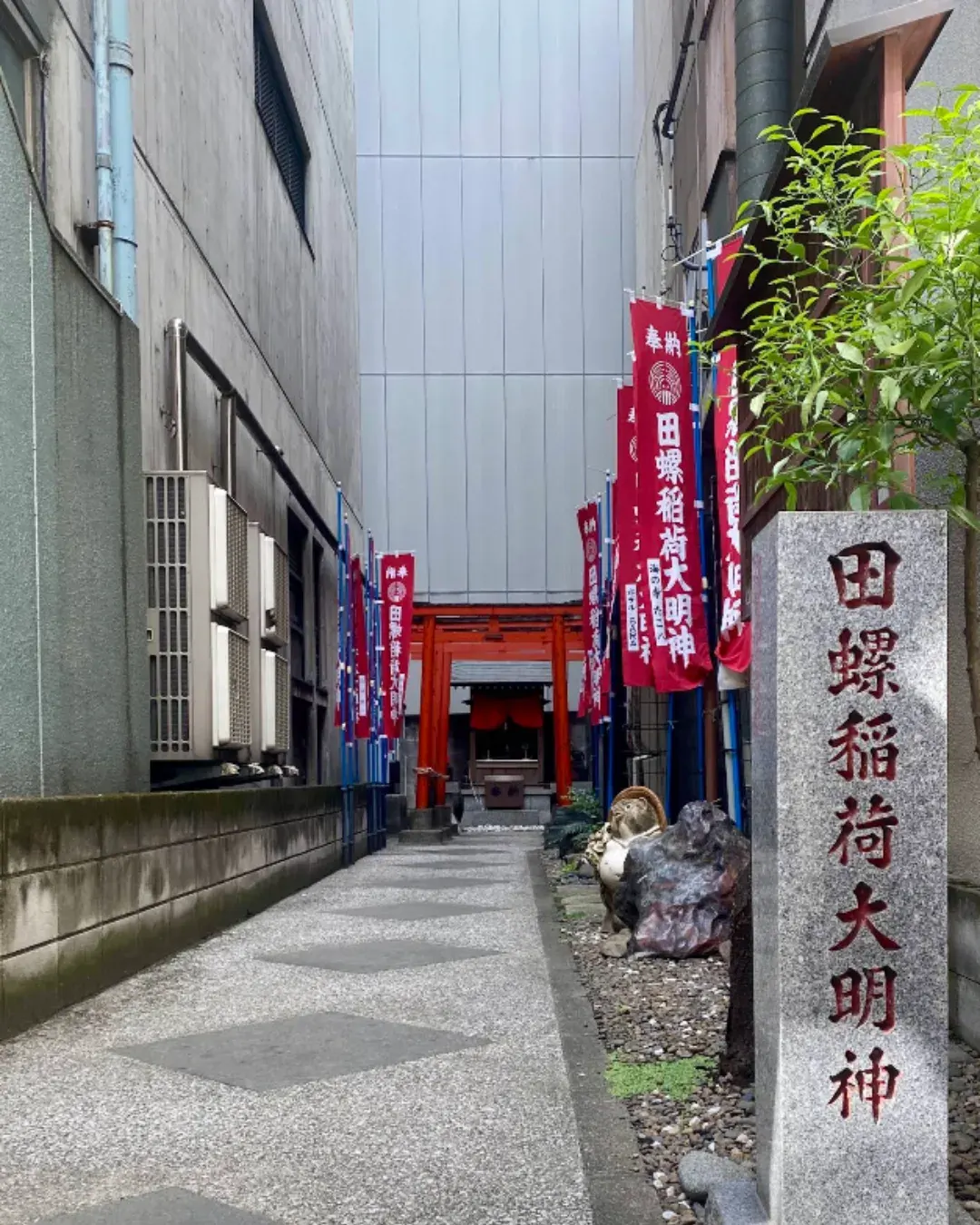
The first pause is Tanishi Inari Shrine. It sits close enough to the Kinshicho south-side errands that you can miss it even after passing nearby several times. Sumida Tourism lists the shrine at 3-3-9 Kotobashi and places it about five minutes on foot from JR Kinshicho Station. Its story is small and memorable. According to the official Sumida Tourism description, Tanishi Inari has a local legend: during a fire, many freshwater snails came out from the shrine pond and attached themselves to the Inari shrine building, protecting it as surrounding houses burned. The shrine came to be deeply believed in after that event. That detail changes the stop. Without the story, it is simply a small shrine in the city. With the story, it becomes a reminder that local memory in Tokyo often survives in compressed form: one name, one animal, one corner, one explanation that you would never guess from the street alone. Do not stay long. One minute is enough.
TANISHI INARI SHRINE
3-3-9 Kotobashi, Sumida City, Tokyo 130-0022
Open in Google Maps
What to Notice in One Minute
A short pause does not need to become a performance. Stand aside first. Do not block the entrance, sidewalk, bicycle space, or neighbor’s doorway. If there is a torii, bow lightly before entering. If you choose to pray, follow the basic shrine pattern: small offering if there is a box, two bows, two claps, silent prayer, one final bow. GO TOKYO’s manners guide describes this general sequence for shrine visits. But the most important thing is attention. Notice the size of the shrine compared with the buildings around it. Notice whether it has fox figures, lanterns, name stones, red banners, or a water basin. Notice how close it is to delivery trucks, vending machines, apartment balconies, and shopping bags. Tiny shrines are not separate from the city. They are one of the ways the city keeps a little room inside itself.
“A long stay changes the scale of culture. It teaches you to notice the places that fit inside an errand.”
A Second Pause Near the North Side
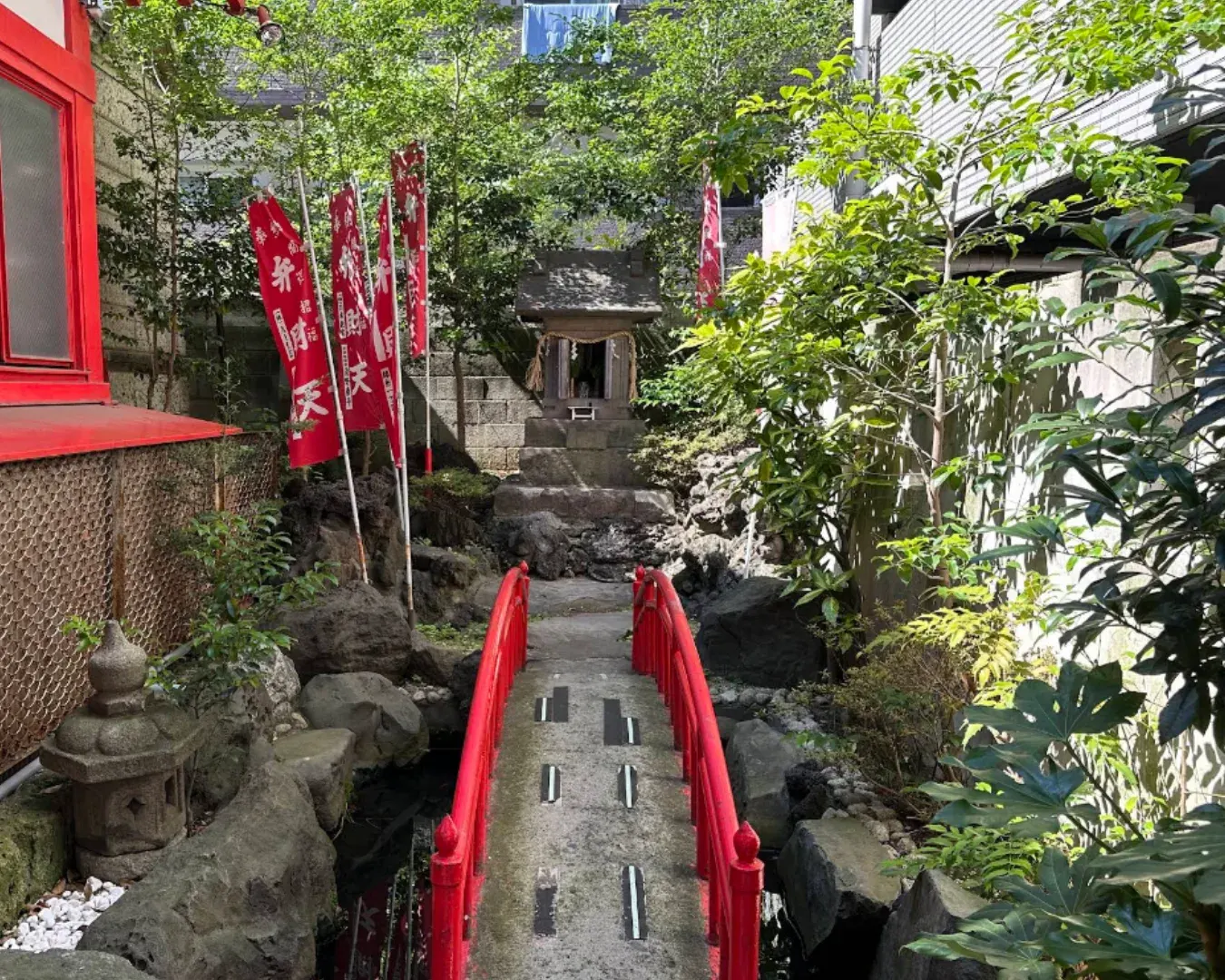
Cross back toward the station and the north side. If the day’s errands continue toward Arcakit, LIFE, Triphony Hall, or the streets behind Kinshicho Station, the second pause can be Tsugaru Inari Shrine. Sumida Tourism describes this site as connected to the former middle residence of the Tsugaru domain. Inari shrines were often kept as guardian shrines for such residences, and this shrine remained after the estate was withdrawn in the Meiji period. The story here is different from Tanishi Inari. Tanishi Inari feels like a neighborhood legend. Tsugaru Inari feels like an urban remainder: a small marker of feudal property, domestic protection, and old land use sitting inside the present-day station area. That is exactly why it belongs in this article. You do not need to understand all of Sumida’s history to notice that something older is still holding a corner.
TSUGARU INARI SHRINE
1-6-12 Kinshi, Sumida City, Tokyo 130-0013
Open in Google Maps
If Your Errand Goes Toward Oshiage
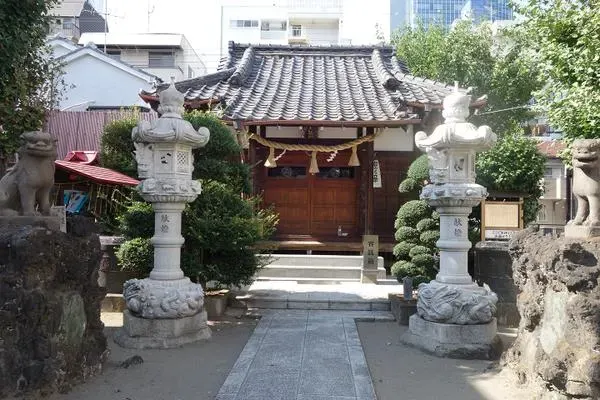
Some errands move beyond Kinshicho. You may be going to Tokyo Solamachi, meeting someone near Skytree, or using Oshiage as a quick indoor plan on a hot or rainy day. In that case, add Oshiage Tenso Shrine only if it is already near your route. Sumida Tourism lists Oshiage Tenso Shrine at 2-13-6 Narihira and describes it as a shrine said to have been worshipped from the Engen era, also noting it as a branch shrine of Mukojima Ushijima Shrine. It is listed as about three minutes from Oshiage Station and about five minutes from Tokyo Skytree Station. This stop changes the scale again. Near Skytree, almost everything pulls the eye upward. The tower, the station complex, the shopping floors, the signs, the observation decks, the crowd. A small shrine near that environment gives the eye a different instruction: look lower. Look at wood, stone, rope, shade, and the fact that the older city did not disappear just because a taller one arrived above it.
OSHIAGE TENSO SHRINE
2-13-6 Narihira, Sumida City, Tokyo 130-0002
Open in Google Maps
How to Pause Without Performing
Tiny shrines ask for a different kind of behavior than famous shrines. There may be no staff, no grand approach, no crowd, no long explanation, no shop, no official photo point. The shrine may sit beside a private residence, a business entrance, or a narrow local street. That makes the etiquette simpler, not less important. Keep your voice low. Do not photograph residents. Do not block the street. Do not lean bags on shrine structures. Do not treat offerings, fox figures, ropes, bells, or paper decorations as props. If you take a photo, take it quickly and step away. The point is not to collect proof. The point is to let the city register for a moment before continuing.
Continue the Day
After the pause, keep going. That is the most important part of the route. Buy groceries. Return the library book. Pick up coffee. Go to work. Carry the bag home. Cross the station again tomorrow. Let the shrine remain small inside the day. A short trip often turns culture into destinations. A longer stay lets culture appear between destinations. Back at HIVEN, the errand will not sound impressive if you describe it quickly: SEIYU, a small shrine, LIFE, another small shrine, home. But that is exactly why it matters. Tokyo becomes more livable when you stop needing every discovery to become an event. Sometimes the most useful local places are the ones that ask for almost nothing: one minute, one bow, one detail noticed, and then the rest of the day continuing around it.