A 30-Minute Radius Around Your Tokyo Apartment
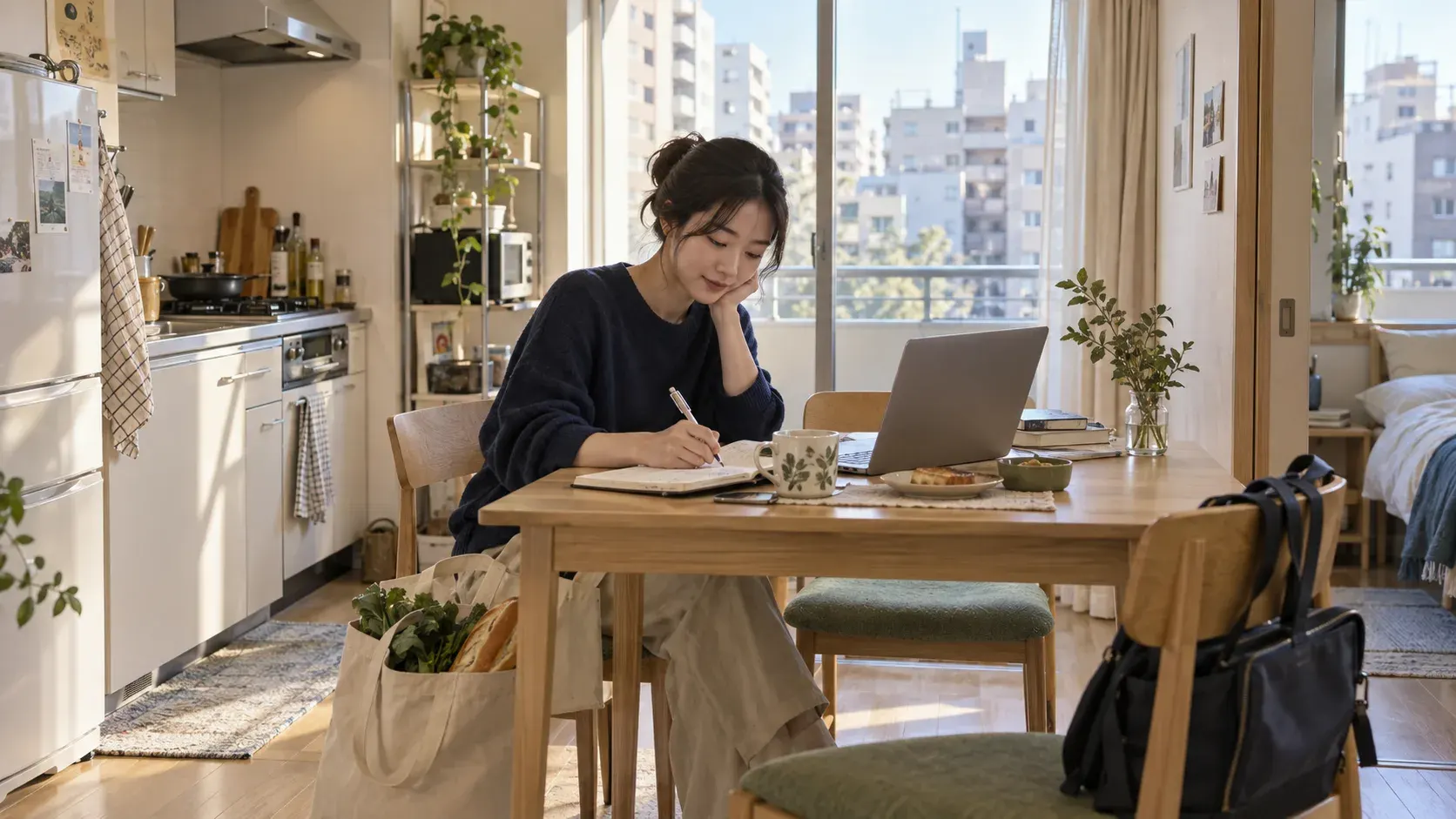
A furnished apartment in Tokyo is not only the room. For a long stay, the real value is the 30-minute radius around it: stations, museums, shrines, disaster-learning spaces, quiet parks, and the streets you can repeat.

Written by Hive Heaven
A furnished apartment in Tokyo can be judged by its photos, but a long stay is judged by its radius. The room matters on the first night. The station matters on the second morning. By the end of the first week, the streets around the apartment begin to decide whether Tokyo feels usable. From HIVEN Kinshicho, a 30-minute walking radius is not about sightseeing harder. It is about discovering how much daily life, culture, quiet, and surprise can fit around one temporary home.
Do Not Start With the Whole City
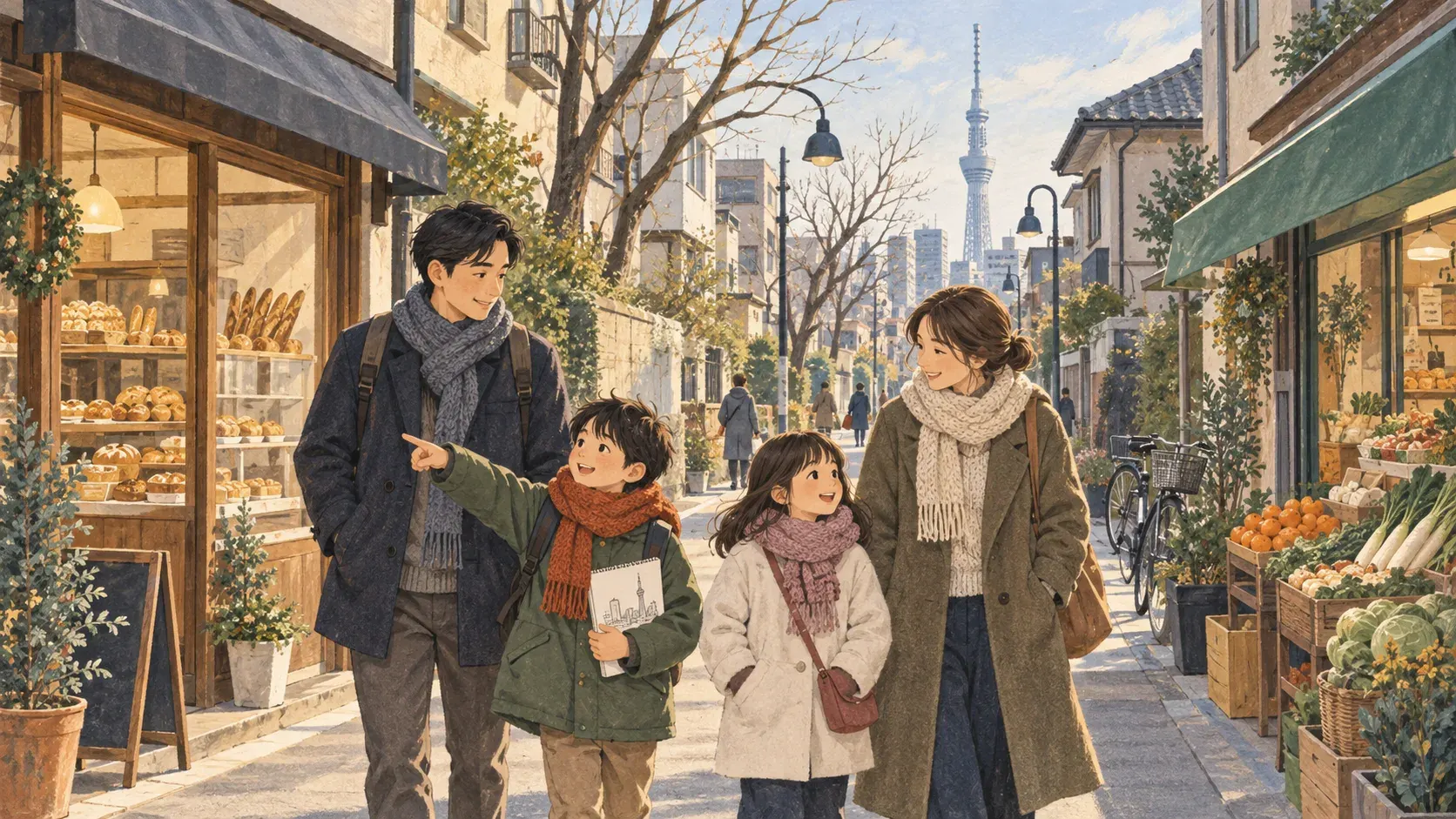
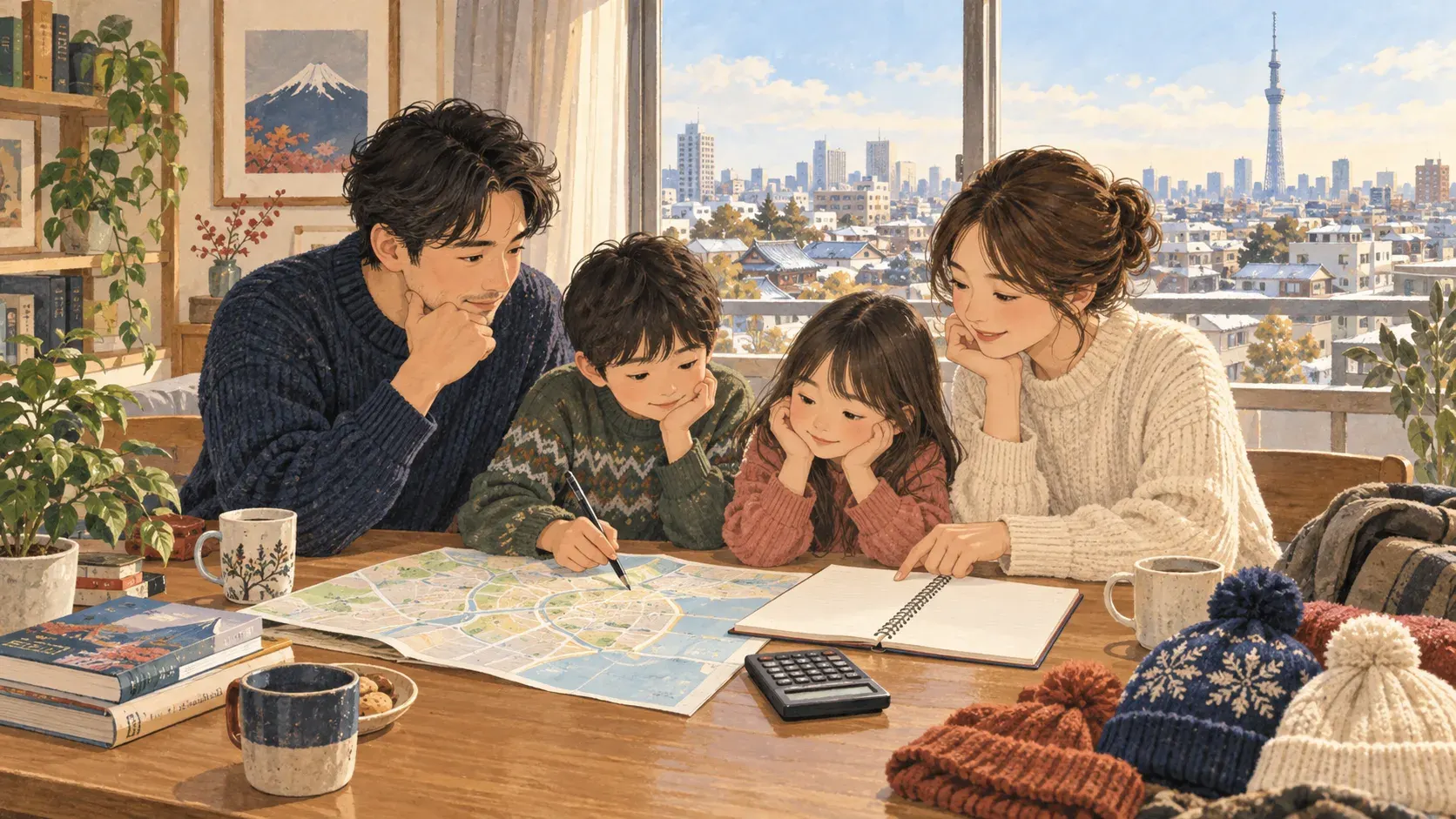
Tokyo becomes tiring when every day begins with the full map. For a one-month stay, it helps to draw a smaller circle first. Ten minutes is for groceries and transit. Twenty minutes is for coffee, parks, and short resets. Thirty minutes is where the neighborhood begins to change texture: museums appear, shrines feel reachable, disaster-learning spaces become local knowledge, and the walk itself becomes part of the stay. HIVEN’s official site describes its model as 29+ nights minimum, fully furnished homes, and bilingual concierge support from arrival through daily life in Tokyo. That solves the stay structure. The 30-minute radius solves the living structure: where you go when you do not want another itinerary, only a reason to leave the room.
The First Anchor: Kinshicho Station
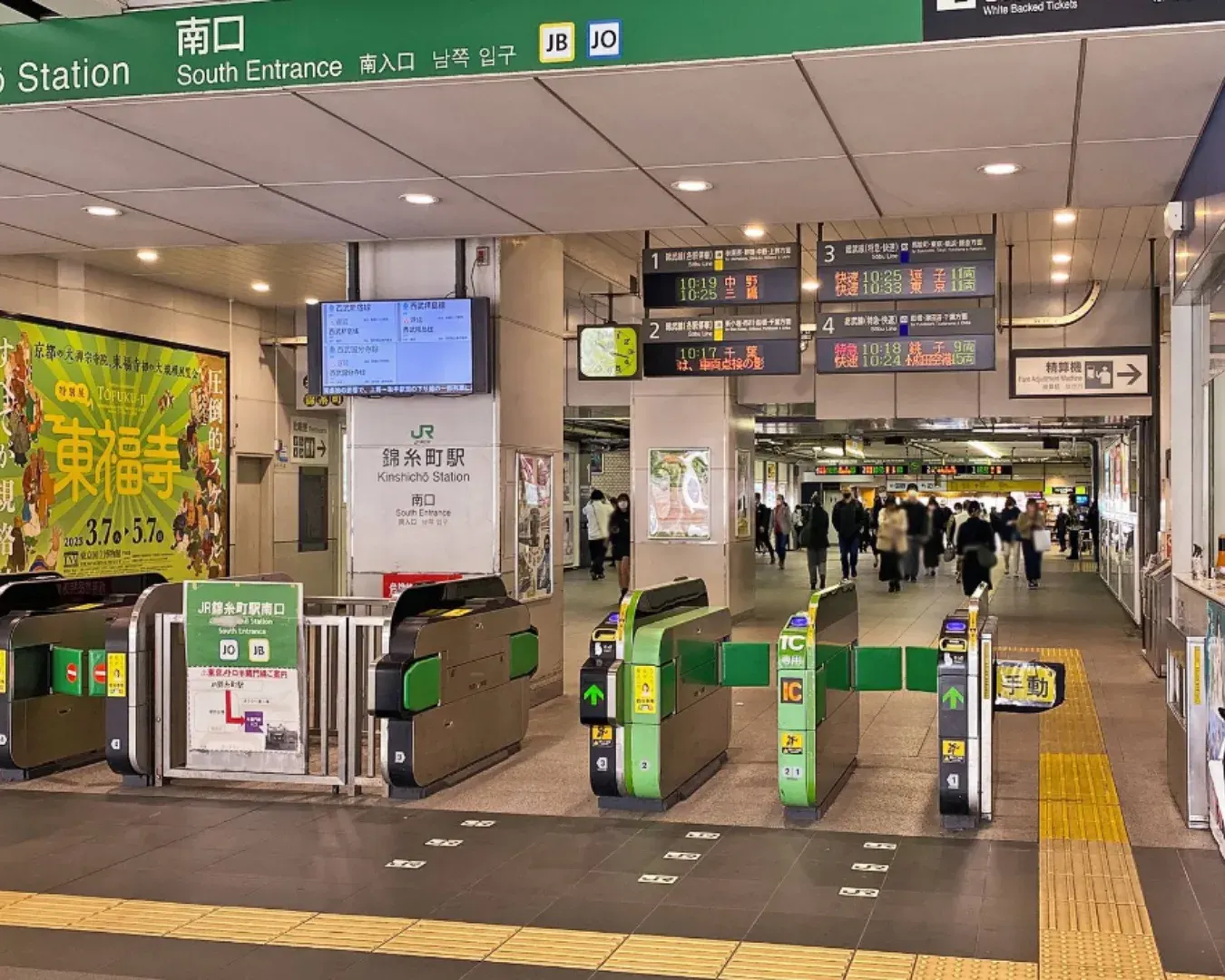
Every radius needs a center that moves. For HIVEN, that anchor is Kinshicho Station. Tokyo Metro lists Kinshicho as station Z13 on the Hanzomon Line, with trains toward Oshiage and Shibuya, and gives the station address as 3-14-6 Kotobashi, Sumida-ku. For a long stay, a station is not only transportation. It is the place where the neighborhood resets itself each day. You return with groceries. You leave for meetings. You pass through after dinner. You begin to know which exit feels easier, which side has the café you use, and which route home feels calmer after dark. The 30-minute radius starts here because the station turns the apartment from a room into a base.
Kinshicho Station
3-14-6 Kotobashi, Sumida City, Tokyo
Open in Google Maps
Walk North-West: The Museum You Might Actually Repeat
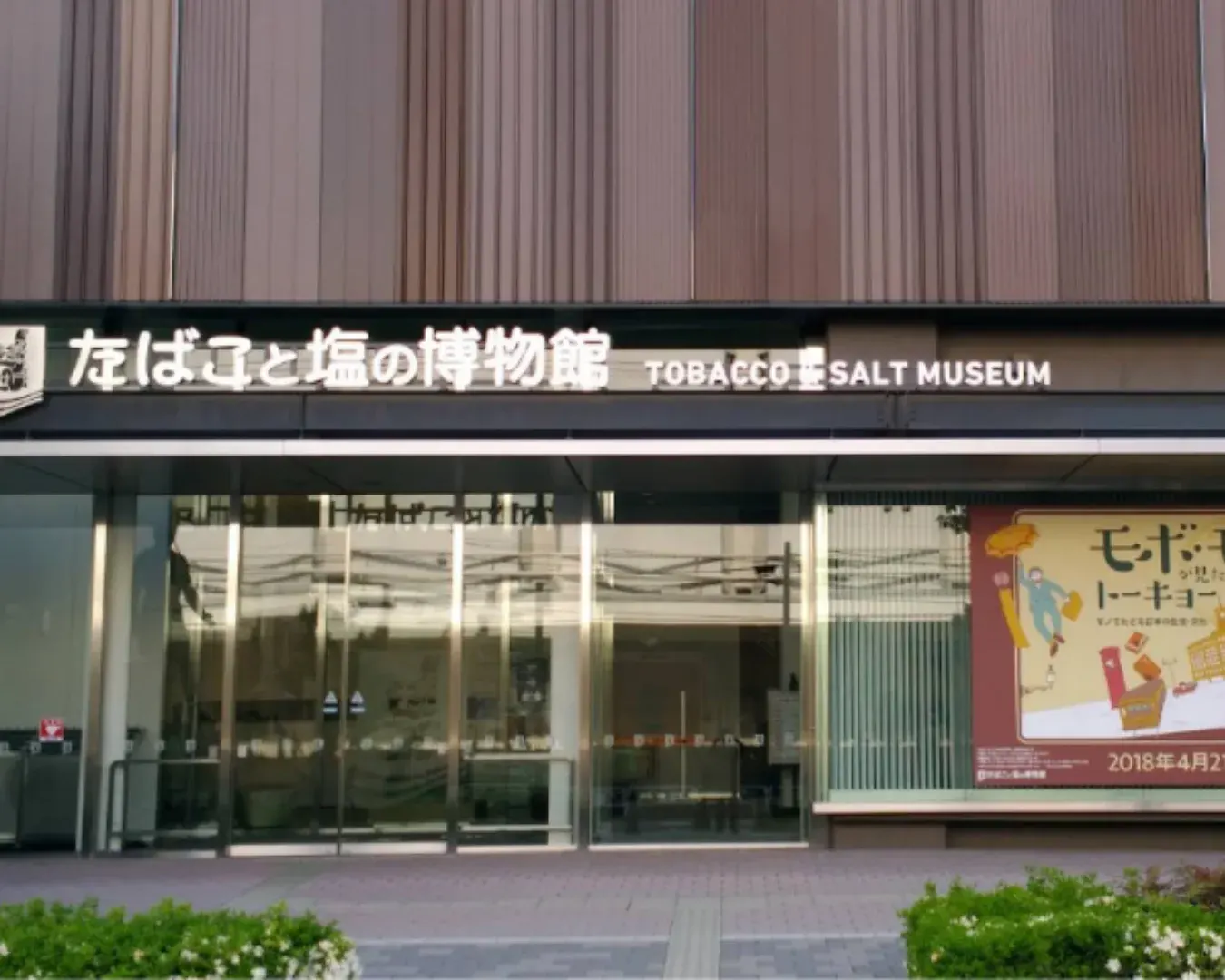
A 30-minute radius should include at least one place that can hold a quiet afternoon. The Tobacco & Salt Museum in Yokokawa works well for this. Its official visitor guide lists the address as 1-16-3 Yokokawa, Sumida-ku, hours from 10:00 to 17:00, last entry at 16:30, Monday closure, and general admission of ¥300 for adults and university students. This is not the kind of museum that shouts for attention from a first-time Tokyo itinerary. That is exactly why it suits a long stay. You can go on a weekday, stay indoors during heat or rain, and let the neighborhood widen without needing a train. A good radius includes places that are interesting enough to enter, but calm enough to repeat.
Tobacco & Salt Museum
1-16-3 Yokokawa, Sumida-ku, Tokyo 130-0003
Open in Google Maps
Walk North: Learn the City’s Safety, Not Only Its Style
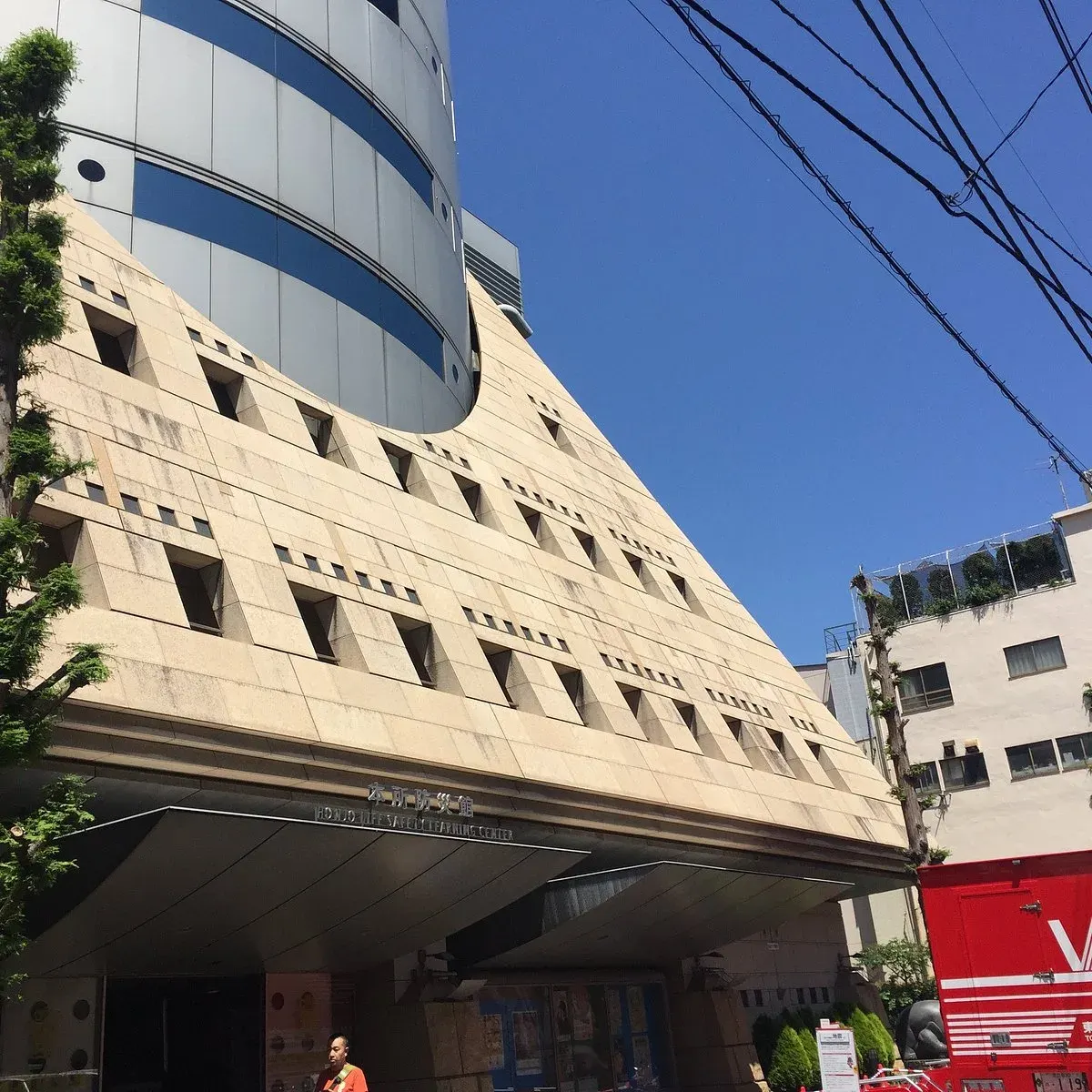
A neighborhood radius is not only cafés and parks. It can also teach you how the city works. Honjo Bosaikan, the Tokyo Fire Department’s Honjo Life Safety Learning Center, is one of the more practical places to know near Kinshicho. The Tokyo Fire Department page explains that disaster-preparedness experience tours are by reservation only, reservations can be made through the website or phone, and the Honjo tour is available in Japanese only; visitors who do not understand Japanese are advised to use a translation app. This makes it different from a normal sightseeing stop. It belongs to the long-stay map because living in Tokyo means understanding earthquakes, heavy rain, fire safety, and local instructions. A 30-minute radius should include at least one place that makes you a better temporary resident.
Honjo Bosaikan
4-6-6 Yokokawa, Sumida City, Tokyo 130-0003
Open in Google Maps
“A long-stay radius is not a list of attractions. It is a map of places that make the city easier to live in.”
Walk East: A Shrine at the Edge of the Everyday Map
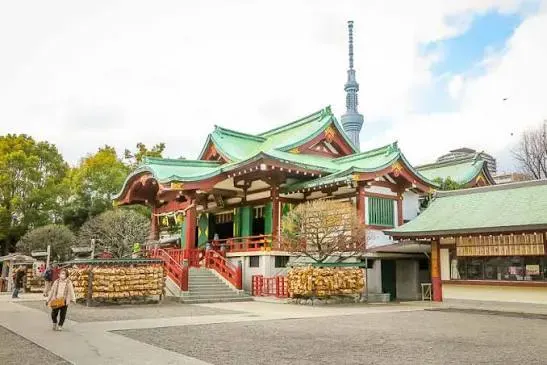
The eastward edge of the radius can feel completely different. Kameido Tenjin Shrine sits in Koto City, but it belongs naturally to the wider Kinshicho walking map. Japan National Tourism Organization lists the shrine at 3-6-1 Kameido, Koto-ku, describes it as dedicated to Sugawara no Michizane, the god of learning, and notes that it is a 15-minute walk from Kinshicho Station on the Sobu or Hanzomon lines. For a long stay, this is the kind of destination that changes how the neighborhood feels. It is close enough to reach on foot, but different enough to mark the edge of your local map. Wisteria season and plum season may bring crowds, but outside peak flower periods the walk itself becomes the point: from apartment streets to station streets to shrine water and arched bridges.
Kameido Tenjin Shrine
3-6-1 Kameido, Koto-ku, Tokyo
Open in Google Maps
Walk West: Art Becomes a Local Errand
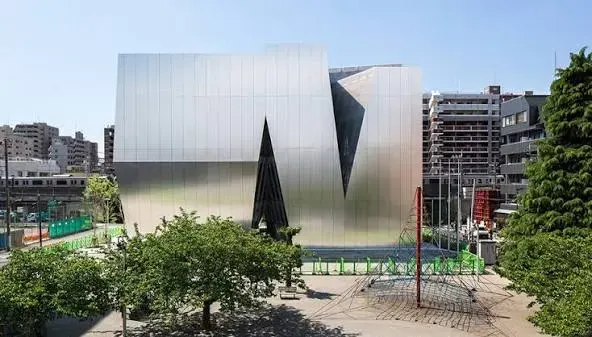
The Sumida Hokusai Museum is the kind of place that proves a long-stay neighborhood does not have to be quiet in order to be deep. The museum’s official site lists the address as 2-7-2 Kamezawa, Sumida-ku, with opening hours shown as 9:30 to 17:30 and last admission at 17:00. Its current page also lists exhibitions and events, including a 10th-anniversary Hokusai and Hiroshige exhibition running through August 30, 2026. For a visitor staying only two nights, a museum is an itinerary item. For someone staying a month, it becomes something else: an afternoon option, a rain plan, a reason to walk west, a place to return when the city feels too commercial. The 30-minute radius makes art feel less like a destination and more like part of the neighborhood’s usable rhythm.
The Sumida Hokusai Museum
2-7-2 Kamezawa, Sumida-ku, Tokyo 130-0014
Open in Google Maps
The Memory Edge: Yokoamicho Park and Tokyo Memorial Hall
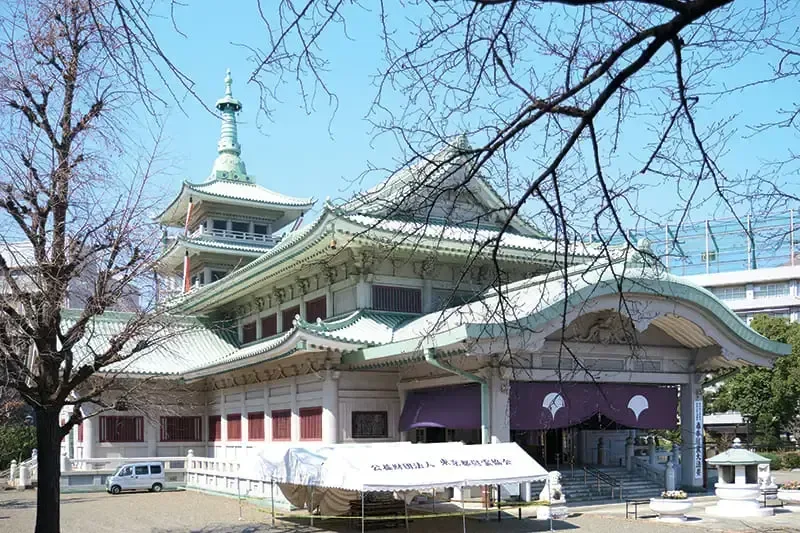
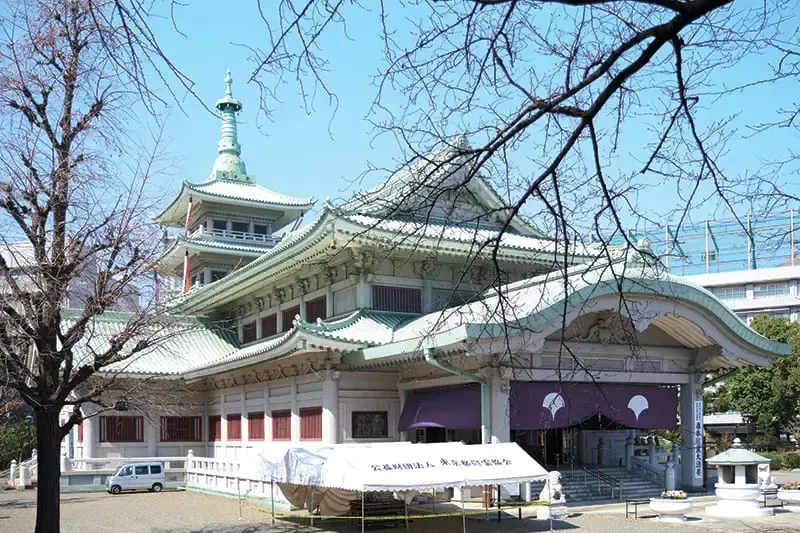
A radius should also have quiet places that ask you to slow down. Tokyo Metropolitan Memorial Hall is located in Yokoamicho Park at 2-3-25 Yokoami, Sumida City. GO TOKYO describes it as a memorial shrine for those who died in the Great Kanto Earthquake of 1923 and the Great Tokyo Air Raid, located in a green park with monuments, statues, and a museum connected to war, earthquake, world peace, and disaster awareness. The same listing gives opening hours as 9:00 to 16:30 and price as free. This is not a casual stop, and it should not be treated like one. But it belongs in the 30-minute map because long stays ask you to understand where you are. Tokyo is not only convenience and trains. It is memory, rebuilding, disaster, and ordinary streets continuing around that history.
Tokyo Metropolitan Memorial Hall / Yokoamicho Park
2-3-25 Yokoami, Sumida City, Tokyo
Open in Google Maps
How to Use the 30-Minute Radius
Do not try to complete this radius in one day. That would turn a long-stay tool into a tourist route. Use it slowly. One day, walk only to Kinshicho Station and learn the exits. Another day, walk north-west to the Tobacco & Salt Museum. On a practical day, reserve Honjo Bosaikan and learn how disaster preparedness works in Tokyo. On a quiet morning, go east toward Kameido Tenjin. On a rainy afternoon, walk west to the Sumida Hokusai Museum. On a reflective day, choose Yokoamicho Park and Tokyo Memorial Hall. A 30-minute radius works because it does not demand completion. It gives you choices.
“The apartment is the address. The radius is the life around it.”
Why HIVEN Kinshicho Works as a Radius Base
HIVEN Kinshicho works because it is not isolated from the city around it. The official HIVEN site frames the stay as Work. Explore. Belong. Repeat., with 29+ night minimum stays, bilingual concierge, and fully furnished homes. The 30-minute radius makes that promise visible on foot. Within that radius, the guest does not only find transport and errands. They find small museums, safety learning, shrine walks, art, memory, parks, grocery routes, cafés, and return paths. That is what separates a room from a long-stay base. A furnished apartment gives you somewhere to sleep. A usable radius gives you a way to belong for a month.
FAQ: 30-Minute Radius Around a Tokyo Apartment
Why does a 30-minute radius matter for a Tokyo long stay? Because a one-month stay depends on repeatable daily life. A 30-minute radius shows whether the apartment connects to transit, groceries, cafés, parks, culture, quiet places, and useful local knowledge. Is a 30-minute walk too far in Tokyo? It depends on weather, luggage, mobility, and the purpose of the walk. This article uses 30 minutes as a planning radius, not a strict stopwatch. Always check live map timing before visiting. What should I check around a furnished apartment in Tokyo? Check the nearest station, supermarket, café, pharmacy, park, quiet walk, cultural place, and evening route home. For a long stay, these details matter as much as the room. Is Kinshicho good for a long-stay neighborhood radius? Yes. Kinshicho combines transit access, daily-life infrastructure, Sumida cultural sites, east-side shrine walks, and practical local facilities within a compact walking area. Tokyo Metro lists Kinshicho on the Hanzomon Line as station Z13, giving it both local and cross-city usefulness. Why choose HIVEN Kinshicho for a Tokyo long stay? HIVEN offers 29+ night furnished stays with bilingual concierge support, and Kinshicho gives guests a walkable radius that supports work, daily life, exploration, and return.
A Tokyo long-stay neighborhood radius is not about how many places you can collect. It is about how the apartment becomes connected to the city. From HIVEN Kinshicho, thirty minutes on foot can lead to a station, a quiet museum, a disaster-learning center, a shrine, an art museum, a memorial park, and the everyday streets between them. That is enough. A month in Tokyo does not need to begin with the whole city. It can begin with one address, one pair of shoes, and a radius that becomes more familiar each time you return.