Tokyo Furnished Apartments Without Key Money or Guarantor
Understand key money, guarantors, deposits, utilities, and furnished Tokyo rentals. See how HIVEN simplifies the first month of living in Tokyo with furnished 29+ night stays.

Written by Hive Heaven

Searching for a Tokyo furnished apartment without key money or guarantor usually means one thing: you are trying to avoid the most confusing part of renting in Japan. For foreigners, Tokyo housing can feel difficult before the move even begins. You may see words like key money, deposit, guarantor, guarantor company, agency fee, renewal fee, utilities, internet, and furnished apartment, all before you know whether the room itself is livable. This guide explains what those terms mean, how no-key-money and no-guarantor furnished apartments work, and why HIVEN can be a simpler choice for guests who need a furnished Tokyo base for 29 nights or more.
Why Foreigners Search for Tokyo Apartments With No Key Money or Guarantor
Foreigners search for Tokyo apartment no guarantor or Tokyo furnished apartment no key money because standard Japanese rentals often have barriers that are unfamiliar outside Japan. The Tokyo Metropolitan Government’s official career guide explains that key money is generally equivalent to 0–2 months of rent, and that using a lease guarantee company can be an option when someone cannot provide a guarantor. It also notes that rental rooms in Japan are generally unfurnished, although some may include appliances such as a cooking stove, refrigerator, or air conditioning. That means the problem is not only monthly rent. The real concern is the total move-in process: initial fees, screening, guarantor requirements, furniture, utilities, internet, and language support. People searching this topic are not only comparing apartments. They are trying to reduce uncertainty before arriving in Tokyo.
What Is Key Money in Tokyo?
Key money, or 礼金 / reikin, is a non-refundable payment traditionally made to the landlord when signing a rental contract in Japan. The Tokyo Metropolitan Government’s English housing FAQ describes key money as generally equivalent to 0–2 months of rent. For someone planning a short-term or one-month stay, key money can feel especially unreasonable because it does not buy furniture, cleaning, utilities, or extra service. It is part of the traditional rental structure, not a living feature. This is why “no key money Tokyo apartment” is such a strong search query. The user is usually asking: “How can I move into Tokyo without paying several months of extra rental costs before I even start living?”
What Is a Guarantor in Japan?
A guarantor is someone or a company connected to the lease who helps assure the landlord that rent and obligations will be covered. For foreigners, this can be one of the biggest psychological barriers because many people arriving in Japan do not have a Japanese personal guarantor. The Tokyo Metropolitan Government notes that concluding a lease guarantee agreement with a company that provides guarantor services can be an option when there is nobody to ask as a guarantor. This is why furnished apartment Tokyo foreigner no guarantor is a valuable SEO keyword. The searcher is often not only looking for a cheaper apartment. They are looking for a path that does not require a Japanese family member, employer, or guarantor company process before arrival.
Why Furnished Apartments Matter for a First Month in Tokyo
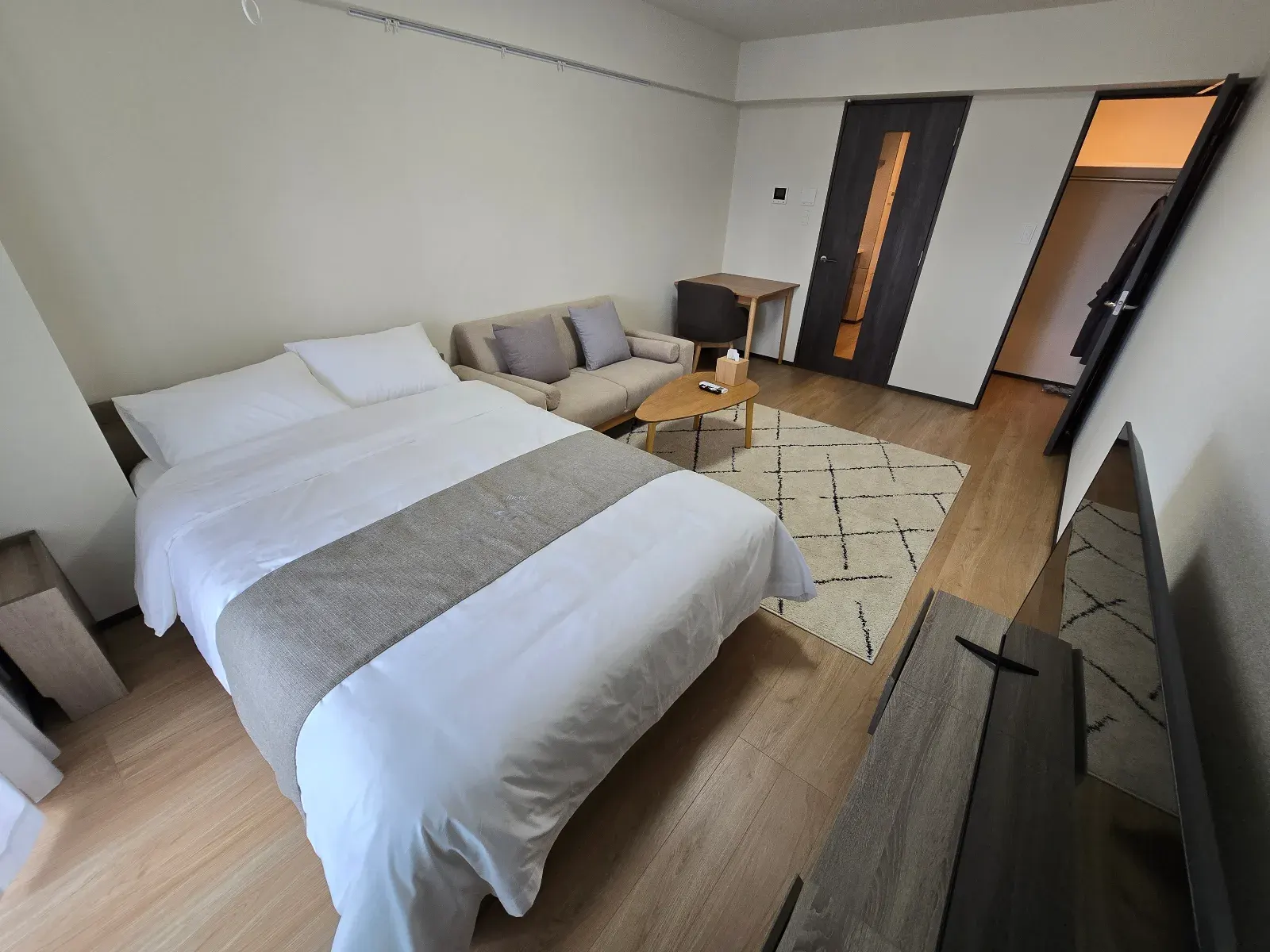
A furnished apartment matters because standard rentals in Japan are often not ready for immediate daily life. The Tokyo Metropolitan Government’s housing FAQ states that rental rooms are generally unfurnished, though some may include limited appliances. For a foreigner staying one month, that matters immediately. A normal apartment may require furniture, bedding, kitchen tools, Wi-Fi, utilities, and delivery coordination. A furnished apartment in Tokyo reduces those first-week problems. But furnished alone is not enough. The best setup also needs clear check-in, reliable Wi-Fi, laundry access, neighborhood usability, and support when practical questions appear.
The Real Question Is Not Only “No Key Money”
“No key money” is important, but it is not the whole decision. A Tokyo apartment can have no key money and still be a poor fit for one month if the desk is uncomfortable, the Wi-Fi is weak, the neighborhood is hard to use, the kitchen is impractical, the check-in process is unclear, or there is no support when something small goes wrong. For a short term apartment in Tokyo with no key money, the better checklist is wider: Is it furnished enough to live from day one? Are Wi-Fi and utilities simple to understand? Is there a usable workspace? Is there laundry access? Is there support in English or Korean? Is the neighborhood good for groceries, transit, cafés, and daily routines? Is the stay model designed for one month, or only adapted from normal renting? This is where HIVEN should compete: not only on avoiding rental friction, but on making the first month actually livable.
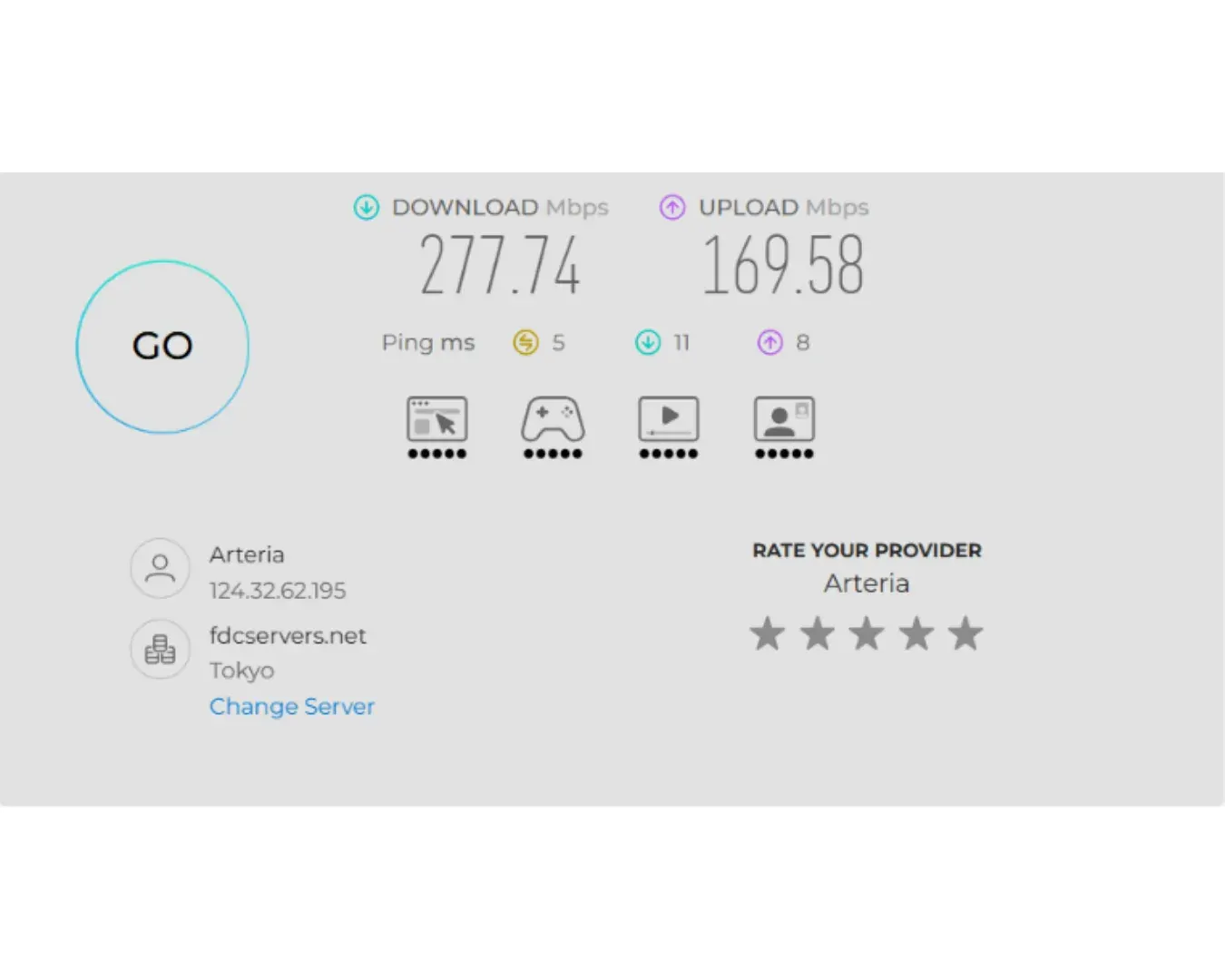
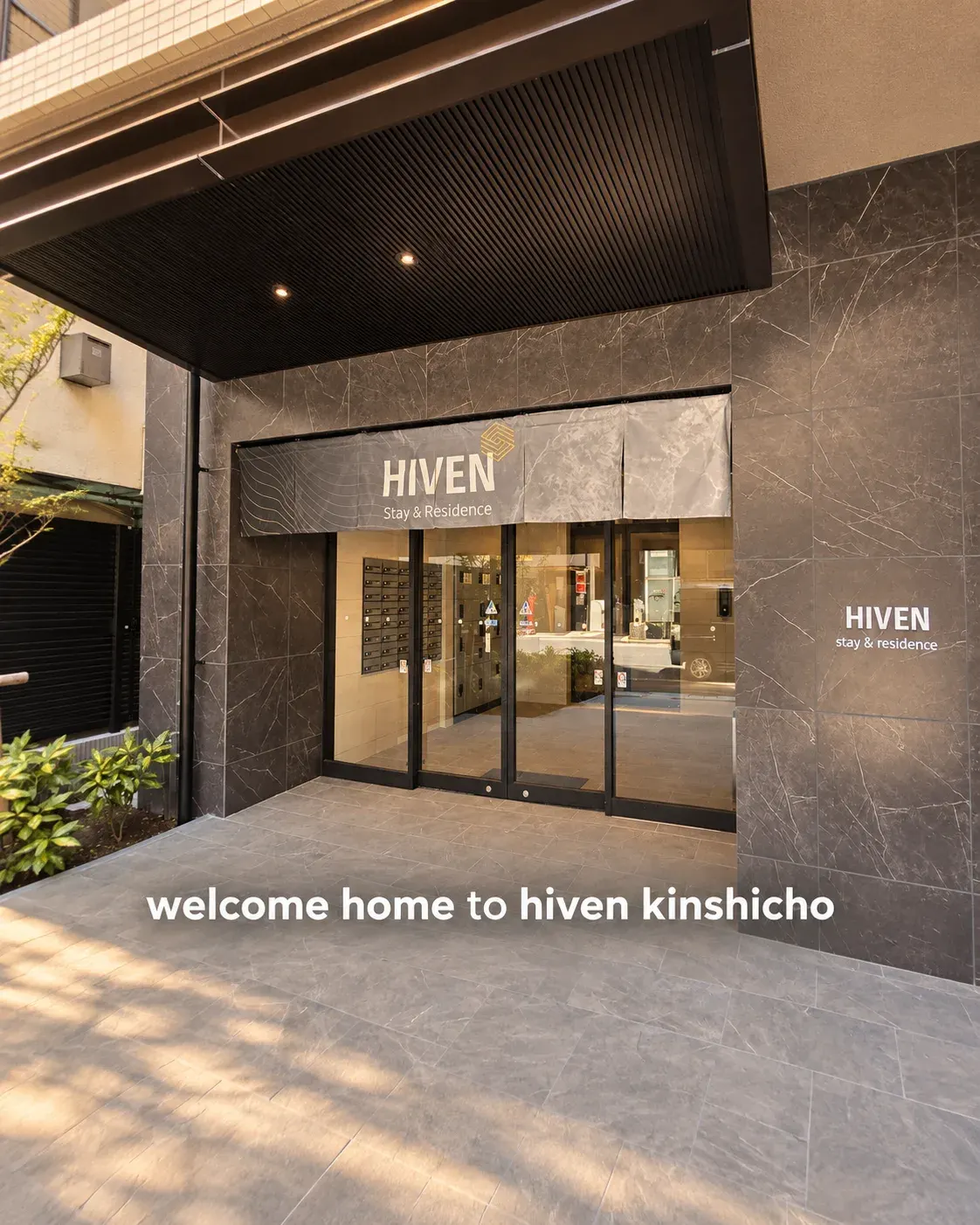
HIVEN stay & residence BK Kinshicho
BK Kinshicho 201, 4-6-4 Kotobashi, Sumida-ku, Tokyo 130-0022, Japan
Open in Google Maps
How HIVEN Simplifies the First Month of Living in Tokyo
HIVEN should not be described as a traditional lease unless the booking terms explicitly say so. The stronger and safer SEO position is this: HIVEN simplifies the first month of living in Tokyo by offering a 29+ night furnished long-stay model instead of asking guests to solve a normal Japanese rental process immediately. HIVEN’s official site highlights three points that matter to this search intent: 29+ nights minimum, fully furnished homes, and bilingual concierge from arrival through daily life in Tokyo. Those features answer the real fear behind “Tokyo apartment no guarantor”: the fear of arriving in Japan and spending the first week trapped in contracts, furniture, utility setup, language confusion, and housing uncertainty. HIVEN’s value is not only that the room is furnished. It is that the stay is designed as a supported Tokyo chapter from day one.
“For a first month in Tokyo, the best housing option is not the one with the fewest words in the listing. It is the one with the fewest surprises after arrival.”
Tokyo Furnished Apartment vs HIVEN
A standard Tokyo furnished apartment may solve the physical room problem. HIVEN is positioned to solve the arrival-and-living problem. That difference matters for foreigners, digital nomads, relocation guests, and anyone staying around one month. Question Standard furnished apartment HIVEN Is it furnished? Often yes Yes, official site says fully furnished homes Is it built for one month? Depends on operator Yes, official site states 29+ nights minimum Is there support? Varies Bilingual concierge from arrival through daily life Is the neighborhood explained? Often limited HIVEN content and guides are built around local living Is it a traditional lease? Sometimes closer to rental housing HIVEN should be positioned as long-stay residence, not normal lease This comparison helps HIVEN rank not by pretending to be every monthly apartment provider, but by giving searchers a clearer decision framework.
Who Should Look for No-Key-Money Furnished Apartments?
A Tokyo furnished apartment with no key money may be a good fit for people who are staying several months, understand rental documents, can compare operators carefully, and want a private apartment without a traditional long-term lease. It can also work for students, workers, and relocation guests who need more privacy than a share house and more daily function than a hotel. But if the stay is around one month and the priority is speed, clarity, furnished comfort, local guidance, and support, HIVEN may be the better fit. It avoids framing the first month as a housing problem and instead frames it as a ready-to-live Tokyo stay.
FAQ: Tokyo Furnished Apartments Without Key Money or Guarantor
What is key money in Tokyo? Key money, or reikin, is a non-refundable payment traditionally made to the landlord. The Tokyo Metropolitan Government describes key money as generally equivalent to 0–2 months of rent. Do foreigners need a guarantor to rent an apartment in Tokyo? Sometimes, yes. If a personal guarantor is not available, the Tokyo Metropolitan Government notes that a lease guarantee company can be an option. Requirements vary by property and operator. Can I find a furnished apartment in Tokyo with no key money and no guarantor? Yes, some operators advertise exactly that. SAKURA HOUSE states that its furnished Tokyo apartments include no deposit, no key money, and no guarantor, while SUMII states that its furnished monthly apartments require no guarantor and no key money. Always check the current terms directly before booking. Is HIVEN a no-key-money apartment provider? Do not state this unless HIVEN’s booking terms explicitly confirm it. The safer positioning is that HIVEN offers 29+ night furnished long-stay homes with bilingual concierge support, which can simplify the first month compared with a traditional Japanese rental process. Is HIVEN good for foreigners living in Tokyo for one month? Yes, HIVEN is positioned for foreigners and long-stay guests who want furnished homes, a 29+ night stay model, and bilingual support from arrival through daily life in Tokyo.
Searching for a Tokyo apartment with no guarantor or a Tokyo furnished apartment with no key money is really a search for a simpler start. The traditional rental process can feel heavy: key money, guarantor, screening, utilities, furniture, internet, and language barriers all appear before Tokyo begins to feel livable. No-key-money furnished apartments can be a good solution, and several operators compete clearly in that space. But for guests staying around one month, HIVEN offers a different answer: a furnished 29+ night Tokyo residence with bilingual support and a daily-life model built around settling in quickly. The goal is not only to avoid fees. The goal is to make the first month in Tokyo usable from day one.