What to Check Before Booking a Furnished Apartment in Tokyo
Before booking a furnished apartment in Tokyo, check Wi-Fi, utilities, laundry, kitchen tools, workspace, fees, support, neighborhood access, and move-in readiness.

Written by Hive Heaven
Searching for a furnished apartment in Tokyo can feel simple at first: find a room, check the photos, compare the price, and book. But for a one-month stay, the important questions are usually hidden in the details. Is Wi-Fi already active? Are utilities included? Is there a real desk? Can you do laundry? Are kitchen tools provided? Is support available if something goes wrong? This guide gives you a practical checklist before booking a Tokyo furnished apartment, so you can choose a place that works for daily life, not just for photos.
A Furnished Apartment Is More Than Furniture
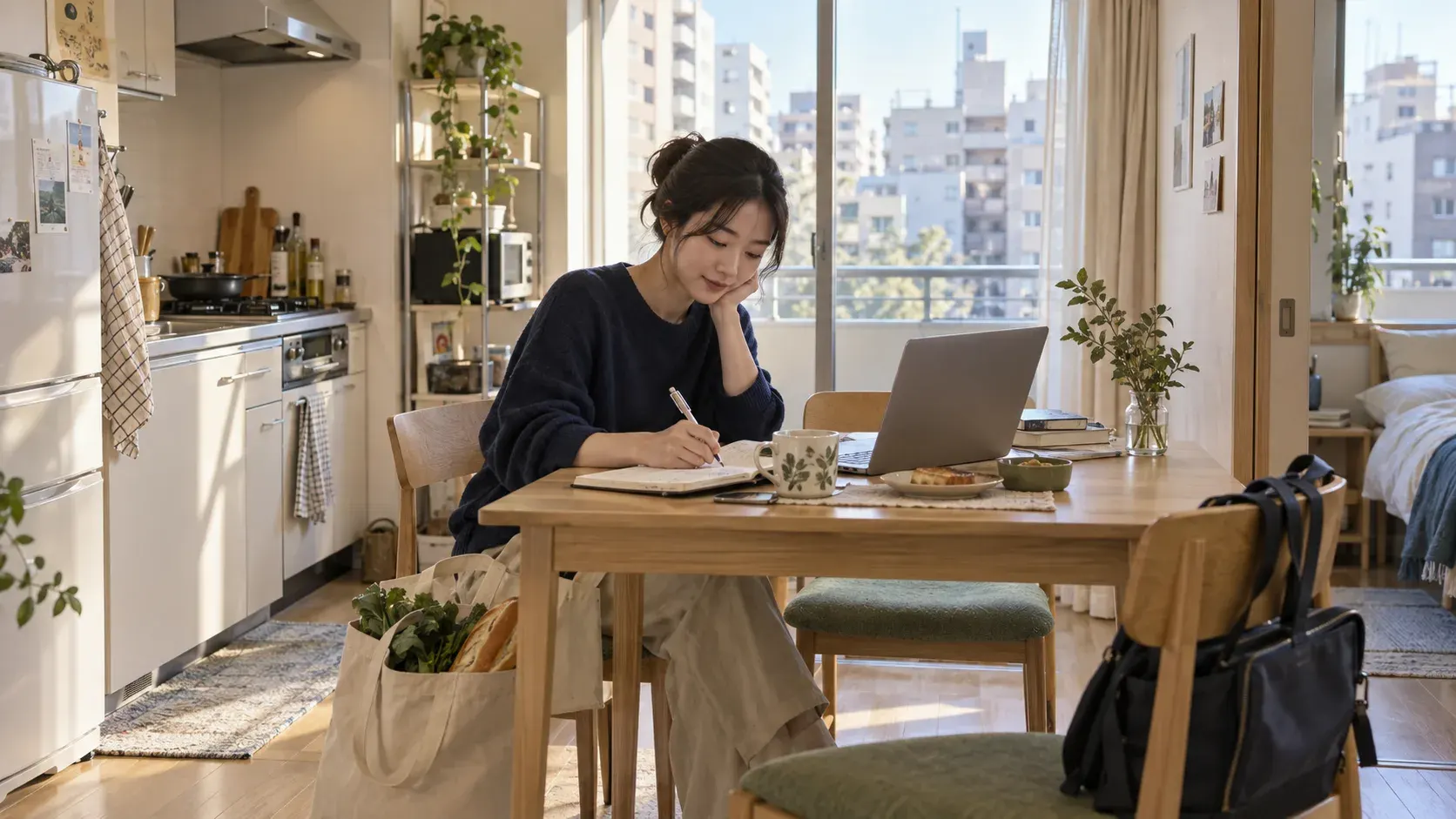
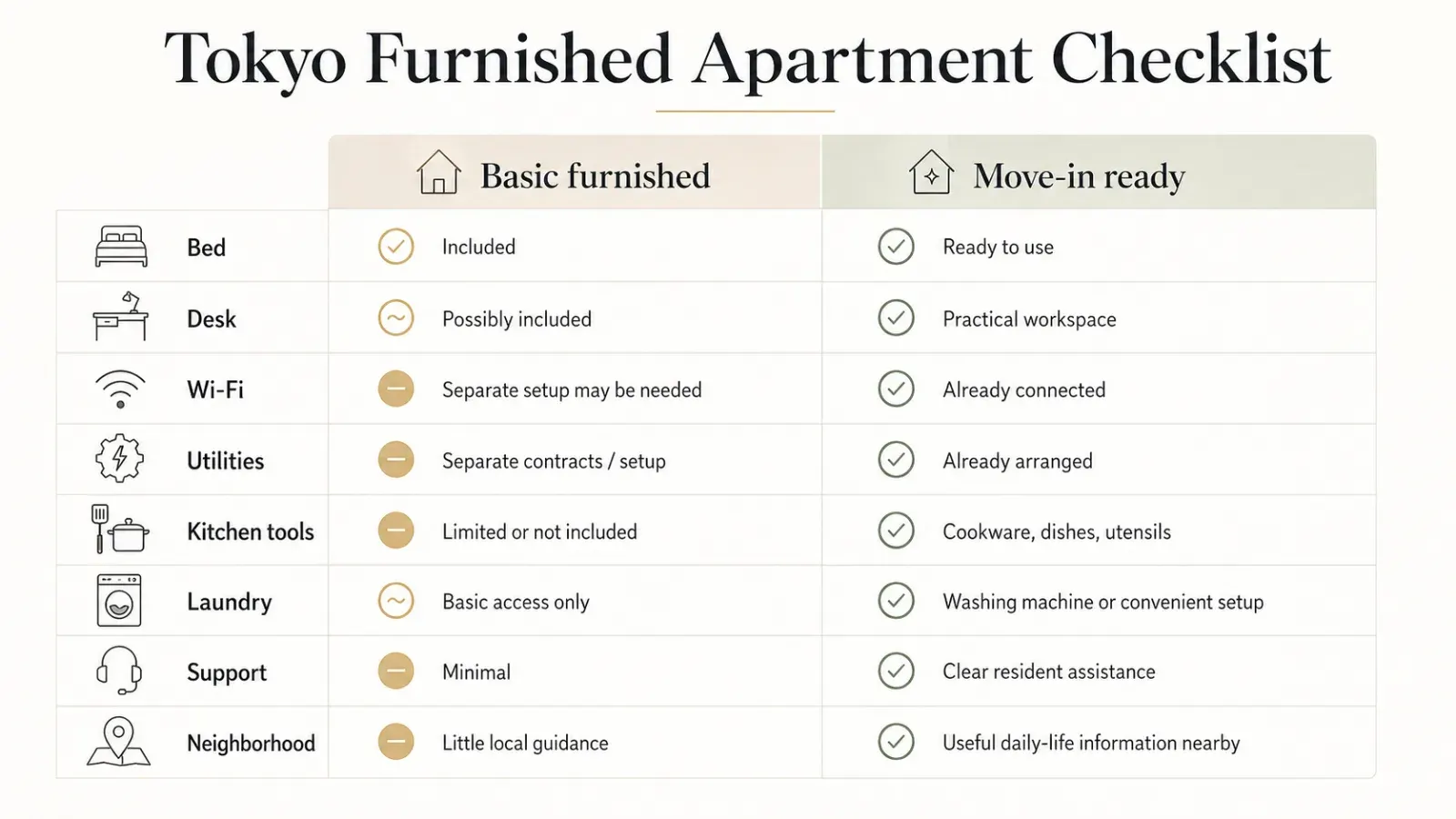
In Tokyo, “furnished” does not always mean “ready for daily life.” A room may have a bed, table, chair, and a few appliances, but still require extra work before it feels livable. This matters because standard rental housing in Japan is often not furnished. The Tokyo Metropolitan Government explains that rental rooms are generally unfurnished, although some may include limited appliances such as a cooking stove, refrigerator, or air conditioning. For a short stay, basic furniture may be enough. For a month, it is not. You need a room that can support sleep, work, meals, laundry, charging devices, storage, and small daily routines. The right question is not “Is there furniture?” The better question is “Can I live here for the first week without solving everything myself?”
Check Wi-Fi Before You Check the View
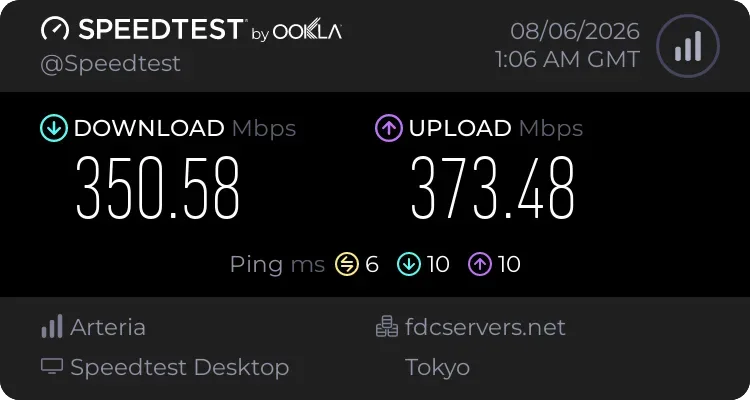
For a long stay, Wi-Fi is not a bonus. It is infrastructure. Before booking, confirm whether internet is already active, whether it is included in the price, whether there is a router in the room, and whether the connection is stable enough for video calls, remote work, streaming, and daily planning. This is especially important for digital nomads and business travelers. A beautiful room with weak Wi-Fi can become unusable after the first work call. Current furnished-apartment operators in Tokyo already compete on this point: HalfKey describes its monthly furnished apartments as including utilities, Wi-Fi, cleaning, and concierge support, while SAKURA HOUSE states that furniture, home appliances, Wi-Fi, and utilities are included in the rent for its furnished apartments. Before booking, do not only ask “Is there Wi-Fi?” Ask whether the apartment is actually work-ready.
Confirm Utilities and Extra Fees
The monthly price is not the full story unless you know what it includes. Check electricity, gas, water, internet, cleaning fees, linen fees, move-in fees, cancellation rules, and any usage cap. Some furnished apartments include utilities in the rent, while others separate them or apply limits. This is where comparison becomes difficult. One apartment may look cheaper because the listed rent is lower, but the final cost may rise after utilities, cleaning, bedding, or support fees are added. The goal is not to find the lowest visible price. The goal is to understand the actual first-month cost before arrival. For a furnished apartment in Tokyo, clear pricing matters because the first month already has enough unknowns.
Look Closely at the Kitchen
A kitchen photo does not guarantee a usable kitchen. Before booking, check what is actually provided: refrigerator, microwave, kettle, stove or hot plate, pan, pot, knife, cutting board, plates, bowls, cups, utensils, dish soap, sponge, and trash instructions. For one month in Tokyo, the kitchen does not need to be large. It needs to be functional. You should be able to make coffee, reheat food, prepare a simple breakfast, store groceries, and avoid eating out for every meal. A furnished apartment becomes more valuable when the kitchen supports ordinary routines, not only the listing photo.
Laundry Decides the Second Week
Laundry is easy to ignore when you book. It becomes important after the first week. Check whether the apartment has an in-room washer, washer-dryer, building laundry, nearby coin laundry, drying rack, hangers, detergent, towels, and clear drying rules. This matters because a one-month stay is not a hotel night repeated thirty times. Clothes, towels, bedding, and daily rhythm all need a system. If laundry is unclear, the stay becomes inconvenient quickly. A good furnished Tokyo apartment should explain how laundry works before you arrive.
Test the Workspace
A desk in the corner is not always a workspace. If you plan to work from the apartment, check the desk height, chair comfort, outlet placement, lighting, noise, background for calls, and whether the room can stay comfortable for several hours. This is where many furnished apartments fail quietly. They may be fine for sleeping, but not for working. A long-stay apartment should support both. HIVEN’s own property listing for Kinshicho BK 1201 highlights high-speed Wi-Fi, a full kitchen, linens and towels, dishware, a kettle, English support desk, and a layout designed for calm routines and quiet productivity. For remote workers, “furnished” is not enough. The room has to hold the workday.
Check the Neighborhood, Not Only the Room
For a one-month stay, the apartment extends into the neighborhood. Check the nearest station, supermarket, convenience store, pharmacy, café, casual restaurant, park, and evening route home. A furnished apartment may look good online, but if groceries are difficult, the station route is stressful, or there is nowhere nearby to reset, the stay becomes harder than expected. The best long-stay neighborhood is not always the most famous one. It is the one you can repeat. You should be able to buy dinner without planning, get coffee without a train ride, walk home after dark, and solve small problems without turning them into errands across the city.
HIVEN stay & residence BK Kinshicho
BK Kinshicho 201, 4-6-4 Kotobashi, Sumida-ku, Tokyo 130-0022, Japan
Open in Google Maps
Why HIVEN Is Built for Long-Stay Readiness
HIVEN should be understood as more than a furnished room. It is designed for the space between a short trip and a traditional lease. HIVEN’s official site highlights three important points for long-stay guests: 29+ nights minimum, fully furnished homes, and bilingual concierge from arrival through daily life in Tokyo. That matters because a one-month stay needs more than furniture. It needs arrival support, Wi-Fi, workspace, kitchen function, linens, laundry, neighborhood orientation, and a way to ask questions when something is unclear. A basic furnished apartment may give you objects. HIVEN is positioned to give you a first month that already works.
“The best furnished apartment is the one that makes the first week work.”
Final Booking Checklist
Before booking a furnished apartment in Tokyo, check these points carefully. Furniture: bed, mattress, desk, chair, table, storage, lighting. Wi-Fi: active from arrival, stable enough for calls, router included, backup plan if needed. Utilities: electricity, gas, water, internet, usage caps, extra charges. Kitchen: refrigerator, microwave, kettle, stove, cookware, dishes, utensils, trash rules. Laundry: washer, dryer or drying rack, towels, hangers, detergent, nearby coin laundry. Workspace: desk height, chair comfort, outlets, lighting, call privacy, noise level. Cleaning: pre-arrival cleaning, mid-stay cleaning, checkout cleaning, extra fees. Support: English or multilingual contact, emergency process, repair support. Neighborhood: station, supermarket, convenience store, pharmacy, café, food options. Arrival: check-in instructions, key handover, luggage plan, first-night essentials. A listing that answers these clearly is stronger than a listing that only says “fully furnished.”
FAQ: Booking a Furnished Apartment in Tokyo
What should I check before booking a furnished apartment in Tokyo? Check Wi-Fi, utilities, furniture, kitchen tools, laundry, workspace, cleaning fees, support, neighborhood access, and arrival instructions. A furnished apartment should support daily life, not only look good in photos. Are furnished apartments in Tokyo usually move-in ready? Some are, but not all. Standard rental rooms in Japan are generally unfurnished, according to the Tokyo Metropolitan Government, while furnished monthly apartments vary by operator and included services. Are utilities usually included in Tokyo furnished apartments? It depends on the provider. Some operators include utilities and Wi-Fi. For example, HalfKey and SAKURA HOUSE both describe furnished Tokyo apartments with utilities and Wi-Fi included, but guests should still confirm caps, cleaning fees, and final pricing before booking. Is a furnished apartment good for remote work in Tokyo? It can be, but only if the room has stable Wi-Fi, a real desk, a comfortable chair, enough outlets, good lighting, and privacy for calls. Do not assume that “furnished” automatically means “work-ready.” Why choose HIVEN instead of a basic furnished apartment? HIVEN is designed for 29+ night stays, with fully furnished homes and bilingual concierge support from arrival through daily life in Tokyo. That makes it a stronger fit for guests who want a Tokyo base that works from the first week.
A furnished apartment in Tokyo should not be judged only by the bed, the photos, or the monthly price. For a real long stay, the important details are quieter: Wi-Fi that works, utilities that are clear, a kitchen you can use, laundry that does not become a problem, a desk that can hold the workday, and a neighborhood that supports ordinary routines. The right apartment should reduce friction from the first week. That is where HIVEN fits best: not as a generic rental listing, but as a furnished Tokyo long-stay base designed for living, working, and settling in.