Why Is Tokyo So Humid? What to Know Before a One-Month Stay in Japan
Tokyo’s humidity is more than a weather detail when you stay for a month. This practical guide explains the rainy season, summer humidity, indoor comfort, laundry and ventilation — and what to look for in a monthly apartment or serviced residence in Tokyo.

Written by Hive Heaven
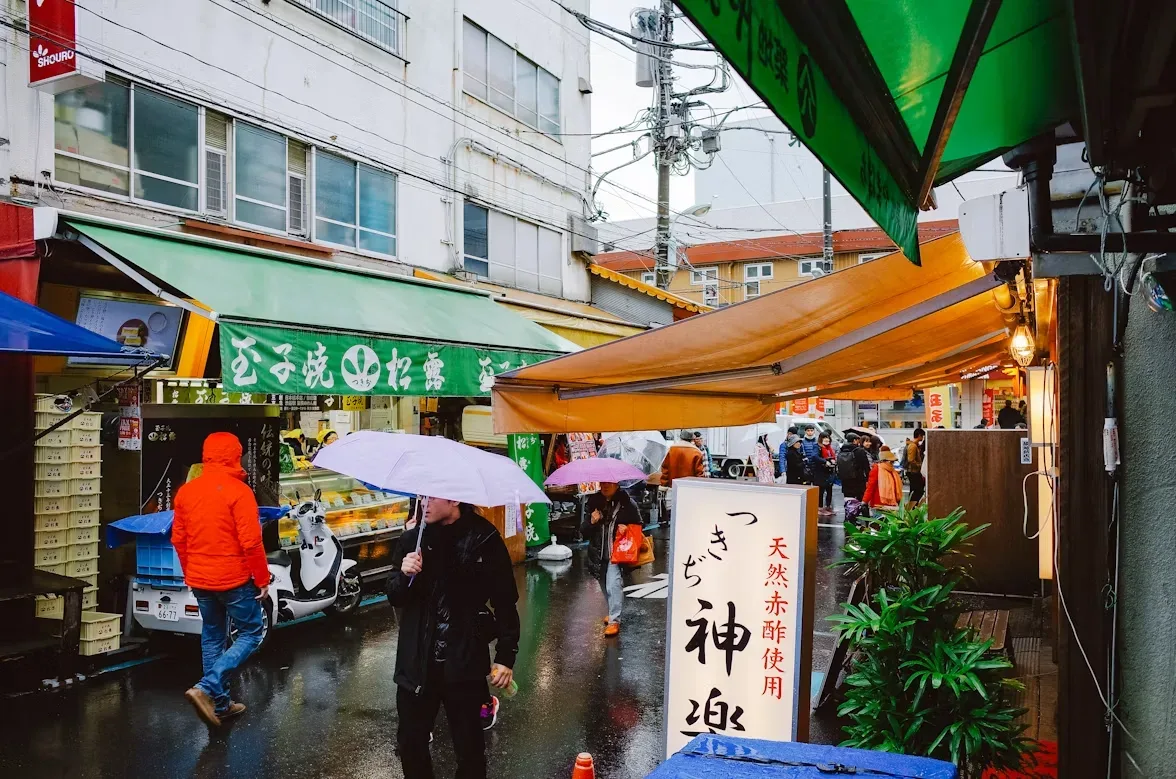
Tokyo feels humid because warm, moisture-rich air combines with Japan’s early-summer rainy season and hot summer temperatures. According to the Japan Meteorological Agency’s 1991–2020 climate normals, Tokyo’s average relative humidity is around 75% from June through September. For a three-day trip, that may simply feel like sticky weather. For a one-month stay in Tokyo, humidity becomes part of everyday life: how quickly towels dry, how you do laundry, how often you ventilate, how comfortable it feels to work from your room, and what kind of apartment is easiest to live in.
Why is Tokyo so humid?
Tokyo’s humidity is not caused by one thing alone. Japan is surrounded by ocean, and in early summer warm, moist air meets the seasonal Baiu front. That creates the cloudy, rainy period commonly called tsuyu, or the rainy season. After the rainy season, temperatures rise sharply. Warm air can hold more water vapor, so summer days can feel heavy and sticky even when it is not raining. In September, autumn rain systems and typhoons can bring another wet period.
The result is a long stretch of the year when humidity matters to daily comfort, not just to the weather forecast. That is why people planning a Tokyo monthly stay should think about indoor conditions as well as outdoor temperature.
How humid is Tokyo in summer?
Japan Meteorological Agency climate normals for Tokyo show a clear seasonal pattern: May: 68% June: 75% July: 76% August: 74% September: 75% October: 71% For comparison, January averages 51%. Tokyo is therefore not equally humid all year; the biggest shift begins in late spring and early summer.
When is the rainy season in Tokyo?
For the Kanto/Koshin region, which includes Tokyo, the Japan Meteorological Agency’s climatological average places the start of the Baiu rainy season around June 7 and its end around July 19. The exact dates change every year. In 2026, JMA recorded the season as beginning around June 2 and ending around July 19. That is useful context, but long-term planning should rely on the climatological pattern rather than one year alone.
Is Tokyo only humid during the rainy season?
No. The rainy season explains why June and early July feel especially damp, but Tokyo’s average relative humidity stays around the mid-70% range through September. Rainfall also does not peak only in June. JMA’s 1991–2020 normals show average monthly precipitation of 167.8 mm in June, 224.9 mm in September and 234.8 mm in October. Autumn rain systems and typhoons can make early autumn just as important when planning a longer stay.
Why does humidity matter more during a one-month stay?
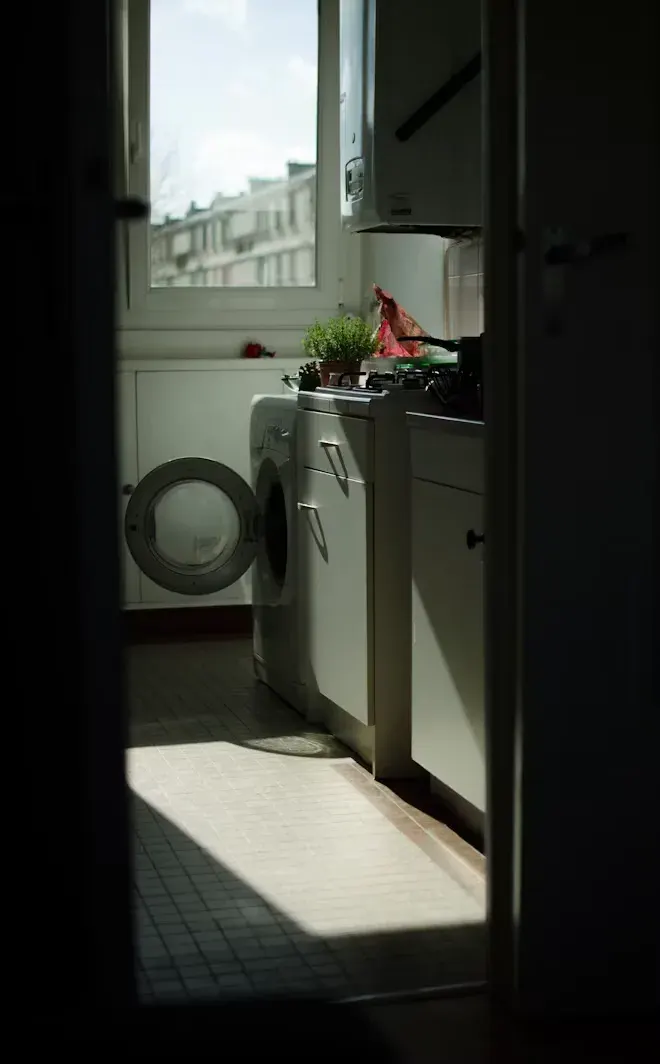
A short-term visitor may spend most of the day outside and return to a room that is cleaned frequently. A long-stay guest lives differently. You wash clothes repeatedly. You use the bathroom every day. You may cook. You may work from the room for hours. You store a month’s worth of clothing and luggage. Wet towels, laundry and indoor moisture become part of the routine.
Humidity is not just a weather issue when you live in Tokyo for a month. It becomes a laundry, ventilation, storage and comfort issue.
What indoor humidity is comfortable in Tokyo?
Tokyo Metropolitan Government guidance gives approximately 40–60% relative humidity as a practical indoor target range. Its allergy guidance also recommends keeping indoor humidity at or below 60% through airing, ventilation and dehumidification to help reduce conditions that favor mold and dust mites. That does not mean every room will stay inside that range automatically. Indoor humidity changes with weather, bathing, cooking, drying laundry, occupancy and air-conditioning use.
How can you keep a Tokyo apartment comfortable during humid months?
1. Use air conditioning or a dry/dehumidifying mode if your unit has one. 2. Ventilate strategically. Airing a room can help, but opening windows during heavy rain or extremely humid weather may bring more moisture inside. Use the room’s ventilation system and choose drier periods when possible. 3. Keep bathroom ventilation running after showers if the property provides it. 4. Do not leave wet towels or laundry piled up. Dry them promptly and allow air to circulate. 5. Give closets and luggage some breathing space instead of packing damp items tightly together. 6. If you are sensitive to humidity, a small hygrometer can help you understand the room instead of guessing.
Do you need a dehumidifier in Tokyo?
A dehumidifier can be useful during the rainy season, especially if indoor humidity remains high. Tokyo’s official allergy guidance specifically mentions dehumidification and the use of a dehumidifier during the rainy season as one way to keep humidity down. Before buying or bringing one, check your accommodation first. Some apartments use air conditioners with a dry mode, and equipment varies by building and room type. For a monthly apartment or serviced apartment, it is better to ask what is already provided than assume every unit has a standalone dehumidifier.
What should you look for in a monthly apartment or serviced apartment in Tokyo?
For humid-season living, the useful checklist is more practical than luxurious: • Air conditioning you can control yourself • Good bathroom and room ventilation • In-room laundry or convenient laundry access • Space to dry and store clothes without crowding the room • A kitchen that is easy to ventilate after cooking • Regular housekeeping that supports a longer stay • Clear instructions for ventilation, waste and appliance use • Reliable support if something in the room is not working properly
This is where a Japanese monthly mansion, furnished apartment and serviced apartment can differ significantly. The headline rent matters, but so does whether the room is designed for ordinary daily routines in Tokyo’s climate.
How does HIVEN fit into a humid-season Tokyo stay?
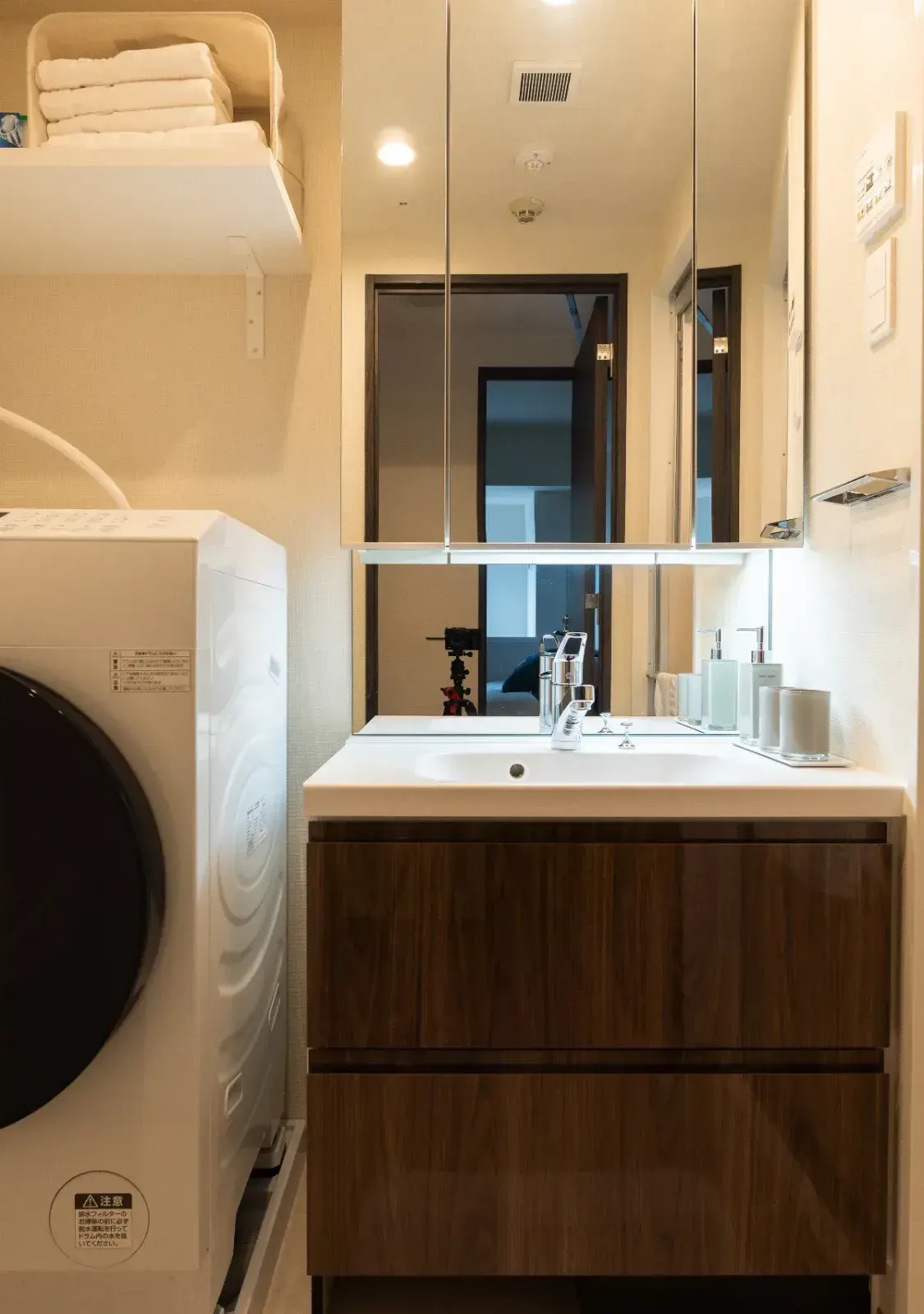
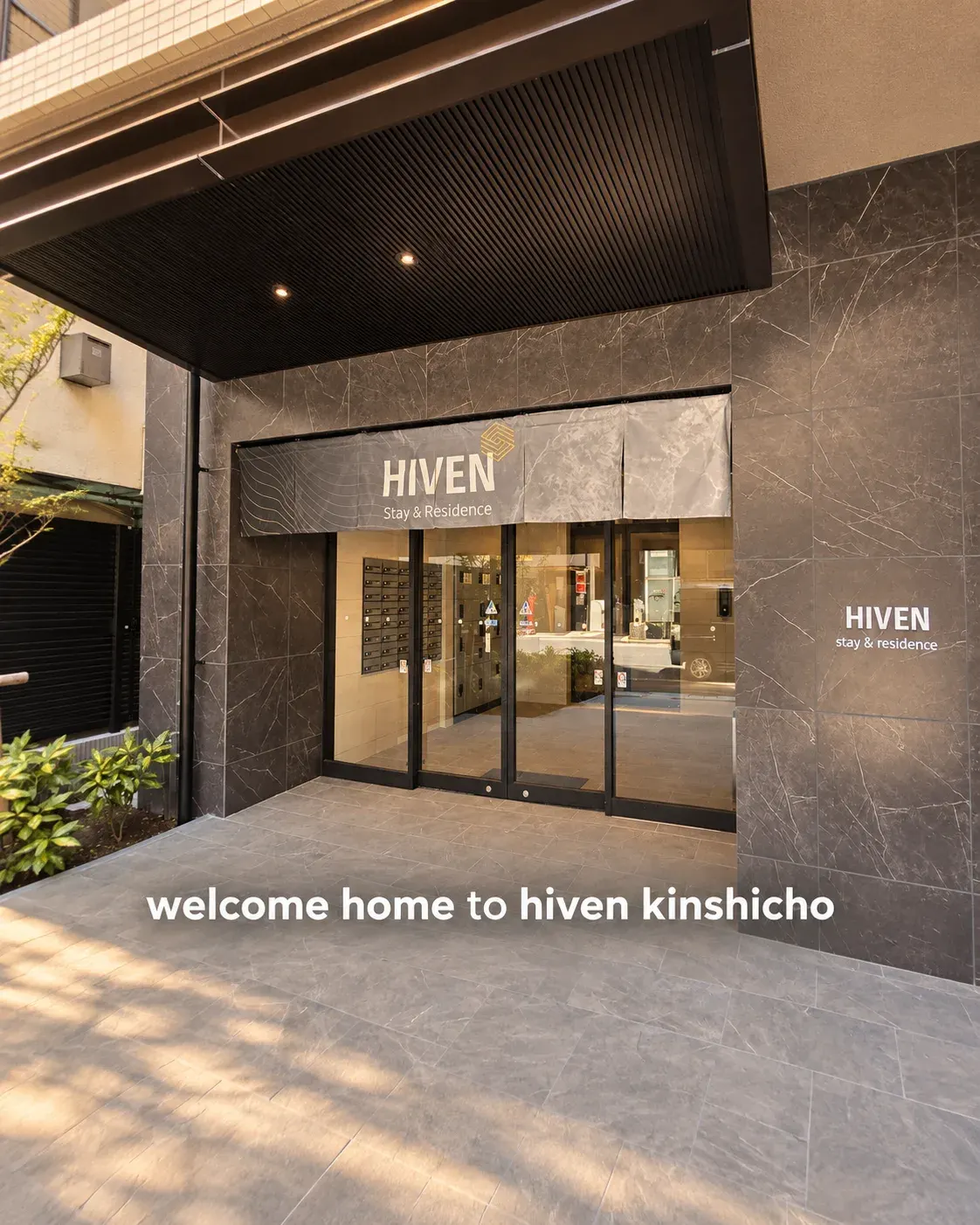
HIVEN’s Kinshicho residences are designed for stays of 29 nights or longer. Current room information includes air conditioning, a full kitchen, high-speed Wi-Fi, and — in applicable room types such as BK 501 — in-unit laundry and a dedicated workspace. HIVEN also lists weekly cleaning as part of its long-stay offer. Those features do not remove Tokyo’s humidity. They make it easier to manage daily life around it: washing clothes without leaving the building, cooking at home, controlling the room temperature, working indoors and keeping a regular cleaning rhythm.
HIVEN does not currently list a standalone dehumidifier as a standard amenity on the public BK 501 room page, so guests who specifically want one should check the latest room information before arrival.
HIVEN stay & residence BK Kinshicho
4 Chome-6-4 Kotobashi, Sumida City, Tokyo 130-0022
Open in Google Maps
What changes when you stay for a month instead of a weekend?
On a weekend trip, humidity is something you dress for. On a one-month stay, it becomes something you live with. You start noticing whether towels dry overnight. You learn when to run the air conditioner. You stop leaving damp clothes in a closed suitcase. You care more about ventilation, laundry and the room’s everyday functions than you did on day one. That is one reason a long-stay residence should be judged differently from a short-stay hotel. The best room is not only the one that looks good when you arrive. It is the one that still feels easy to live in three weeks later.
FAQ
Is Tokyo humid all year?
No. JMA’s 1991–2020 normals show Tokyo averaging 51% relative humidity in January, compared with 75% in June, 76% in July and 75% in September. Winter is much drier than summer.
What is the most humid month in Tokyo?
Based on JMA’s 1991–2020 monthly normals, July has the highest average relative humidity at 76%. June and September are close behind at 75%.
When is Tokyo’s rainy season?
For the Kanto/Koshin region, the climatological average is approximately June 7 to July 19. Actual onset and withdrawal dates vary by year.
What indoor humidity is recommended?
Tokyo Metropolitan Government guidance gives approximately 40–60% as a practical indoor humidity range and recommends keeping humidity from exceeding 60% when managing mold and dust-mite conditions.
Is a serviced apartment better for Tokyo’s humid season?
Not automatically. What matters is the actual room setup: air conditioning, ventilation, laundry, storage, cleaning support and the ability to manage daily routines. Compare the included features rather than relying only on the accommodation label.
Related HIVEN Guides
If you are comparing where to live for a month in Tokyo, read “Where to Stay for One Month in Tokyo: Hotel, Airbnb, Monthly Apartment, or HIVEN?” and “For a Month in Tokyo, the Best Stay Is Not Always the Most ‘Hotel-Like’.” Both focus on how long-stay needs differ from short-trip accommodation.