The Kyojima Time Capsule: A Shopping Street Still in Motion
A slow walk through Kyojima’s Kira-Kira Tachibana Shopping Street: old storefronts, real grocery infrastructure, tofu, bread, prepared food, rest spaces, and the quiet proof that a shopping street can survive by still being used.

Written by Hive Heaven
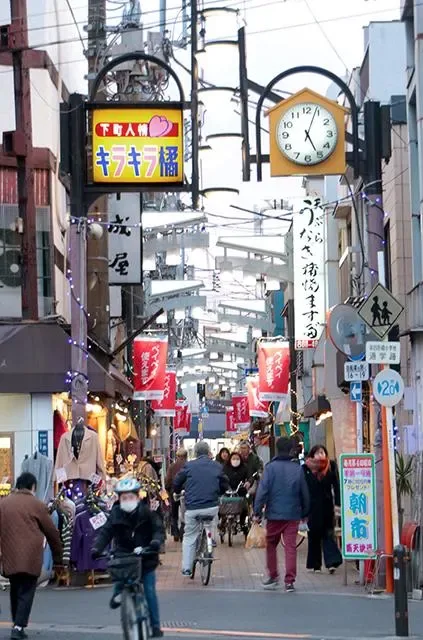
Kyojima is easy to describe badly. Call it “retro,” and the street becomes a background. Call it a “time capsule,” and it sounds as if nothing inside it is still moving. But Kira-Kira Tachibana Shopping Street is not interesting because it stopped changing. It is interesting because it still works. People buy side dishes. Bread is baked. Tofu is sold. Bicycles pass slowly. Shutters open and close. A rest space exists because shopping streets are also places where bodies get tired. From HIVEN in Kinshicho, this is not a route for collecting old signs. It is a route for watching a shopping street as infrastructure. Arrive before lunch. Buy something small. Pause once. Keep walking. Let Kyojima show you what survives when a place is still being used.
Arrive Before Lunch
The best time to arrive is before lunch, not late afternoon. Kira-Kira Tachibana is a shopping street, not a theme park. Its useful hours depend on individual shops, and many small neighborhood businesses do not behave like a department store with one unified schedule. The official shopping street site asks visitors to check current information through its social media, and GO TOKYO also advises checking official sources for updated hours and closures. From HIVEN, use Kyojima as a half-day local walk. The cleanest access point is the Hikifune side: the official site lists Keisei Hikifune Station as about five minutes on foot and Tobu Hikifune as about seven minutes. If you are coming through Oshiage, the official access note also mentions Sumida’s circular bus toward the shopping street. Do not arrive hungry enough to demand a perfect meal. Arrive ready to look.
KIRA-KIRA TACHIBANA SHOPPING STREET
Around 3-49-1 Kyojima, Sumida City, Tokyo 131-0046
Open in Google Maps
Old Storefronts, Current Errands
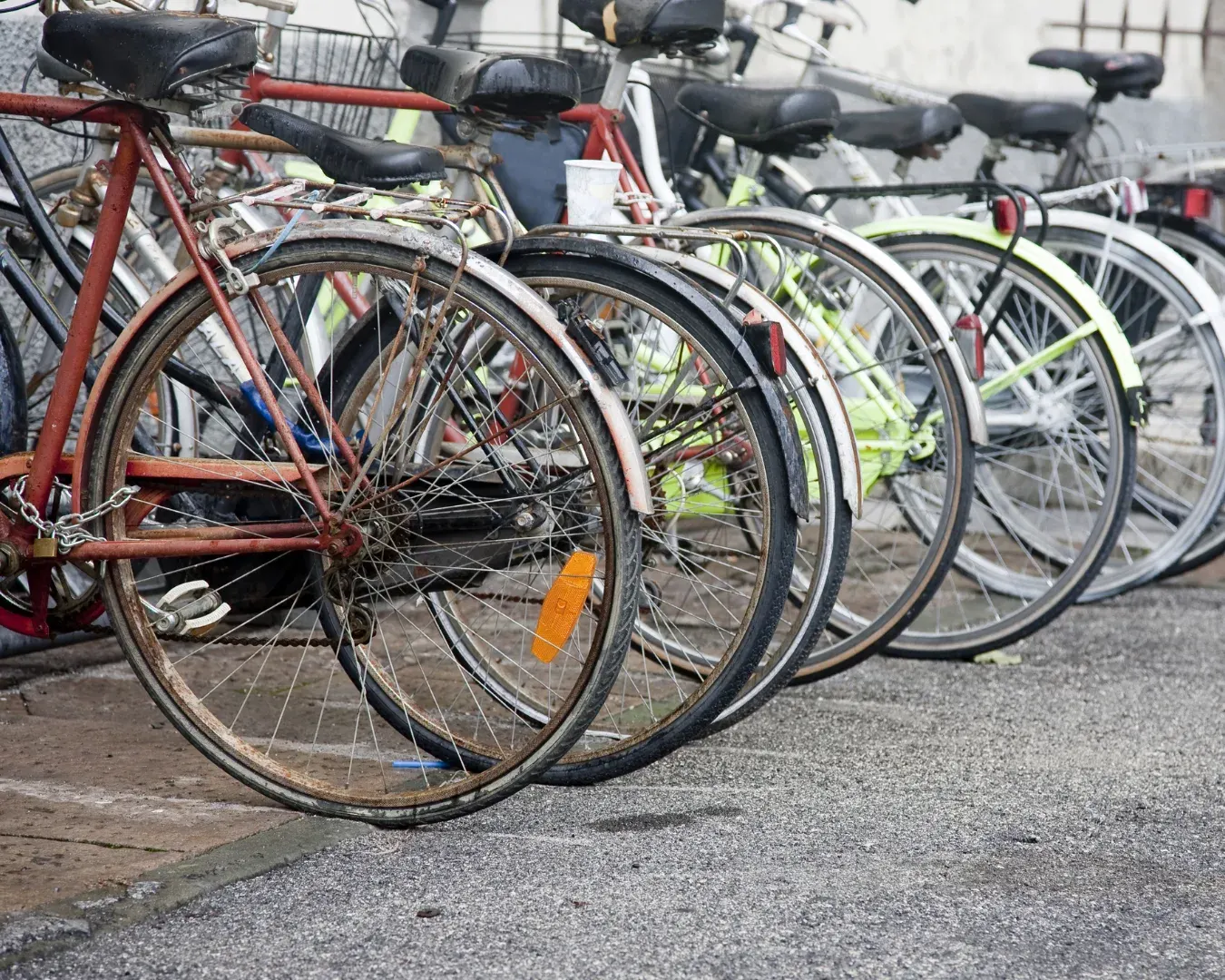
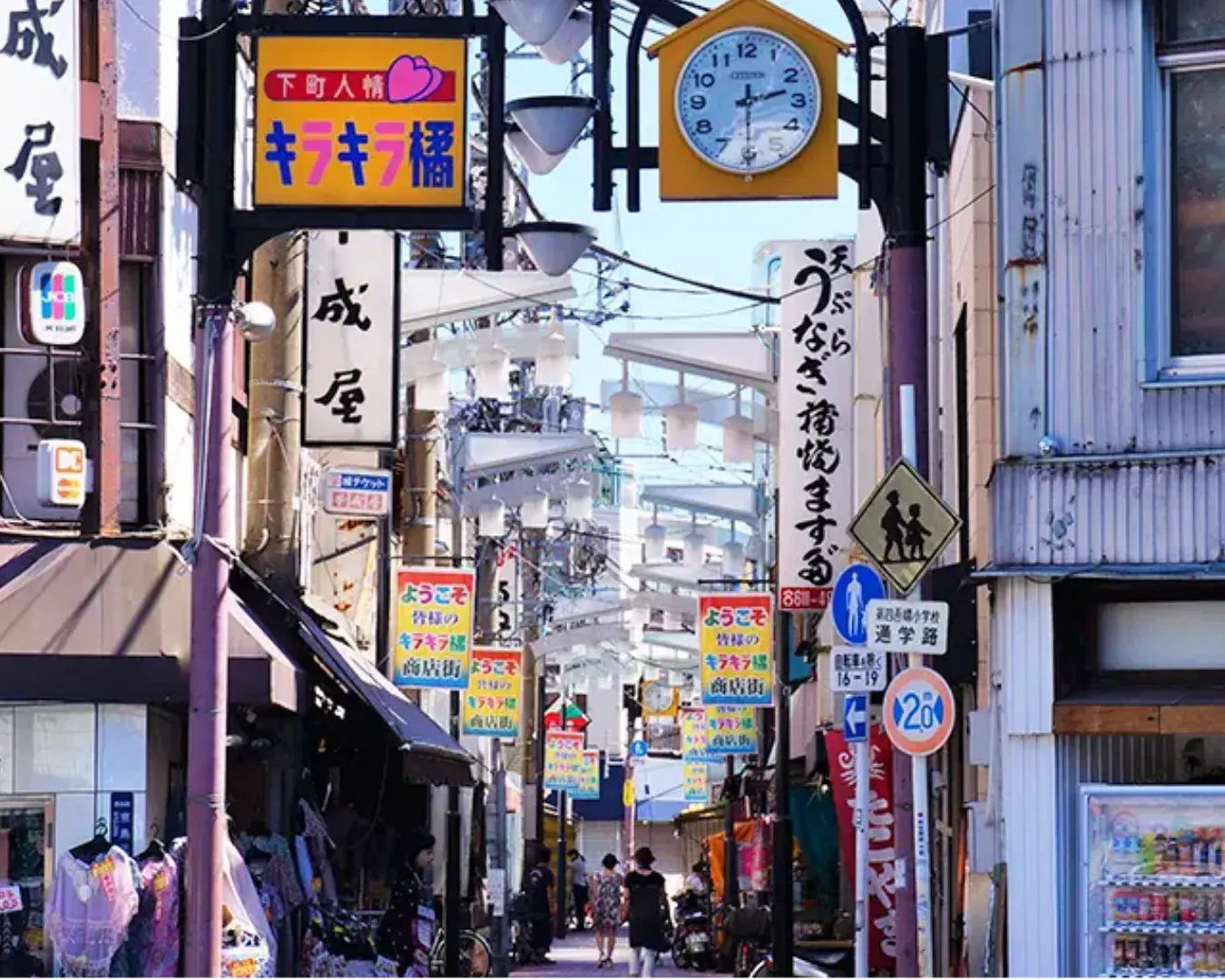
The old feeling is real. It is just not the whole story. The official shopping street site explains that the cooperative began in 1960 and that the “Kira-Kira Tachibana” nickname was added in 1985 during streetlight and colored-pavement renovations. It also notes that Kyojima escaped major fire damage from the Great Kanto Earthquake and Tokyo air raids, leaving Taisho-era row houses and Showa-period atmosphere in the area. Tokyo’s regional-resource page adds another useful detail: the “Tachibana” name connects to Tachibana-kan, a movie theater that existed in 1931, and the street was once called Tachibana-kan-dori. These facts matter, but they should not trap the street in the past. Walk slowly enough to notice old facades, handwritten signs, narrow shopfronts, and the curve of the street. Then notice what is in front of them now: prepared food, tofu, bread, daily goods, bicycles, neighbors, small payments, short conversations, and people buying what they came for. The old storefront is not an exhibit. It is still a storefront.
Daily Shopping Is the Point
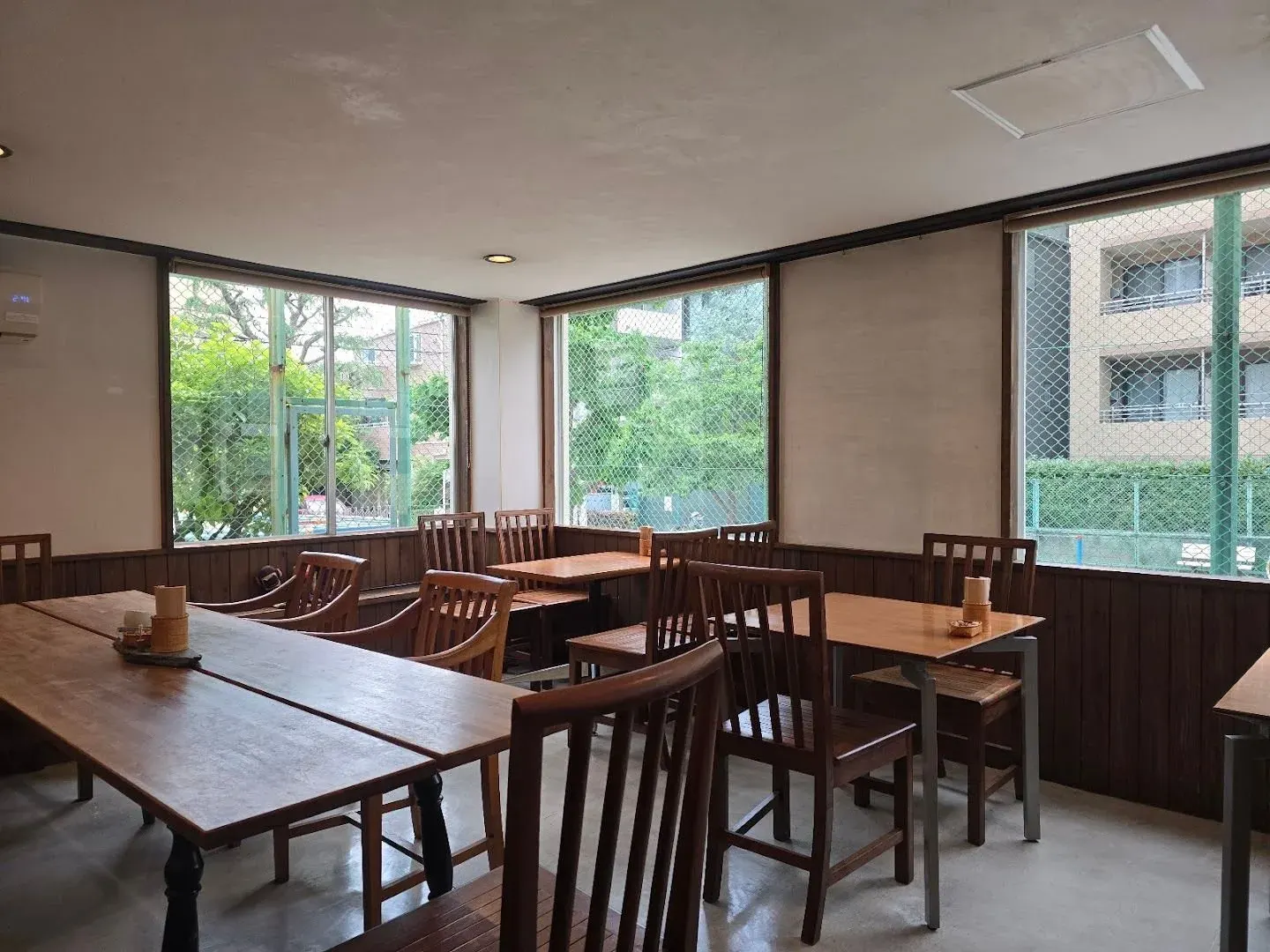
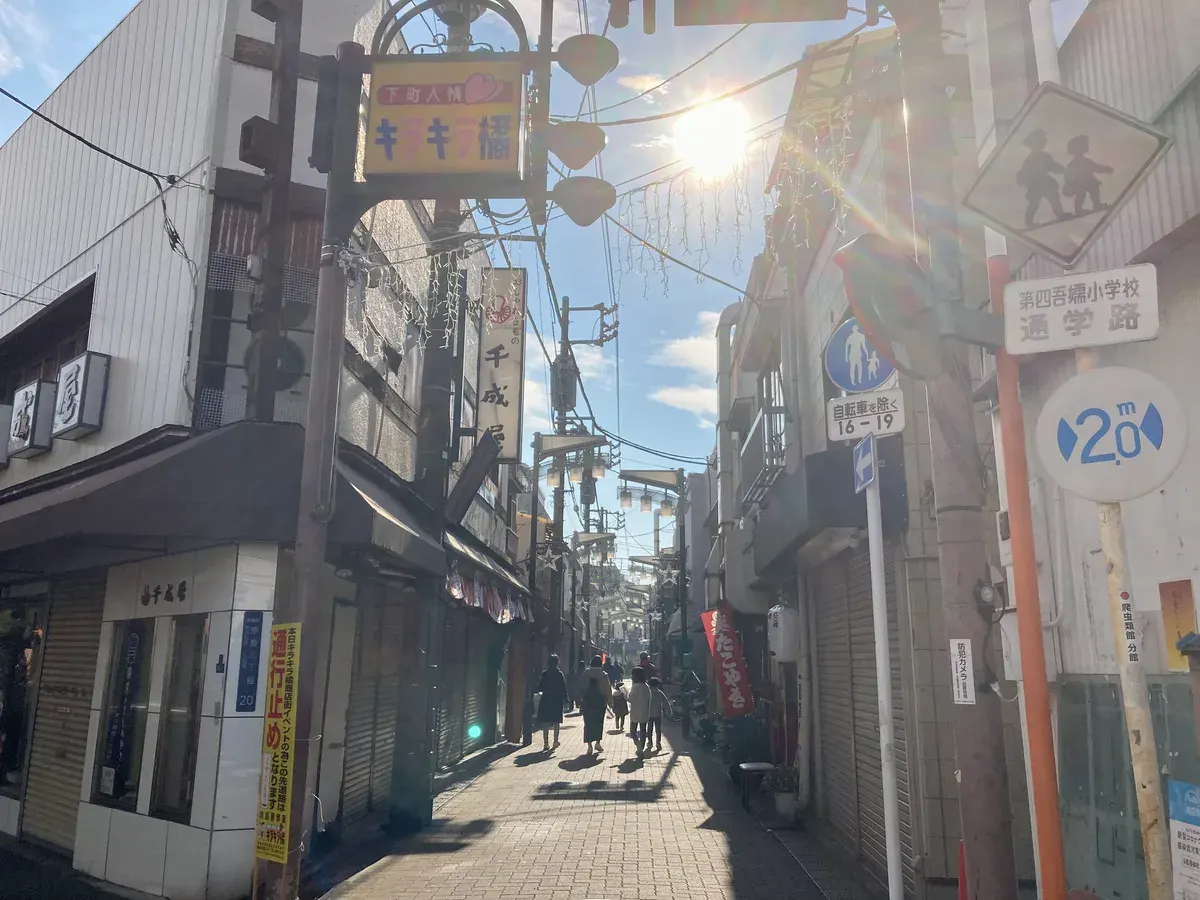
The street is not valuable because it looks older than the rest of Tokyo. It is valuable because it still has a daily purpose. Tokyo’s regional-resource page describes Kira-Kira Tachibana as different from supermarkets and large stores, emphasizing its role as a place of local exchange and informal watching-over for children and elderly residents. It also notes that prepared-food and dried-goods shops are a distinctive feature. That is the lens for this walk. Do not look only for “retro.” Look for usefulness. Where would someone buy dinner? Where would someone sit for a moment? Where does the street tell you it was made for nearby people, not for visitors passing through once? The clearest answer is the shopping street office and rest space. The official site says the first floor of the shopping street office was renovated into Oyasumidokoro Tachibana, with tables and chairs, and that the space can be used by people who buy bento or prepared food in the street. It is open from 10:00 to 17:00 and closed on Sundays, except when events are held. Alcohol is not allowed. That is not a tourist attraction. That is infrastructure.
OYASUMIDOKORO TACHIBANA / SHOPPING STREET OFFICE
3-49-1 Kyojima, Sumida City, Tokyo 131-0046
Open in Google Maps
Small Food Stop: Choose One Real Shop
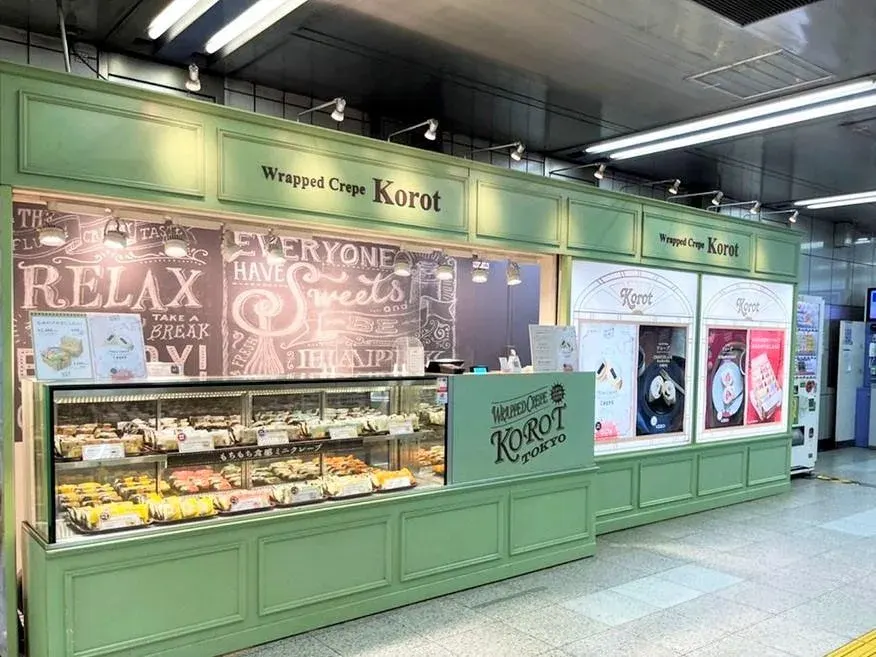
Choose one food stop. Not five. The point is not to turn Kyojima into a tasting challenge. The point is to understand how food keeps the street moving. Bakery ChowChow is a current handmade bakery inside the shopping street. Its official site says it uses carefully selected ingredients, including contract-grown Hokkaido wheat flour, slowly ferments its bread, uses less salt and sugar, and avoids preservatives. The site lists the address as 3-21-7 Kyojima and hours as 10:00–18:00, with a posted business-day calendar. Mitsuyoshi Tofu Kobo is another clear daily-life stop. Its official site says it hand-makes more than ten kinds of tofu, including kinugoshi, momen, yuzu, and sesame tofu, along with fried tofu, ganmo, okara, yuba, soy-milk pizza, and tofu sweets such as doughnuts, cakes, pudding, and shiratama. It lists the Kira-Kira Tachibana shop at 3-22-11 Kyojima, open 11:00–19:00 and closed Sundays. Torisho Kyojima appears in the 2022 Kira-Kira Tachibana reusable-container project as a yakitori and prepared-food shop at 3-21-7 Kyojima, the same project listing that also identifies Bakery ChowChow, Mitsuyoshi Tofu Kobo, Hato-ya Bread, Konkon, Kobachiya, and Usagi Shokudo as participating food businesses. Pick the shop that matches the day. Bread if you want something to carry. Tofu if you want dinner infrastructure. Prepared food if you want the street to become tonight’s table. The purchase should be small enough to let you keep walking.
BAKERY CHOWCHOW
3-21-7 Kyojima, Sumida City, Tokyo 131-0046
Open in Google Maps
MITSUYOSHI TOFU KOBO
3-22-11 Kyojima, Sumida City, Tokyo 131-0046
Open in Google Maps
“A shopping street survives when it is still part of dinner, not only part of memory.”
Watch the Day Begin to Close
Stay long enough to feel the street change, but do not overstay as if you are waiting for a scene. There is no need to invent drama here. The practical information already tells you the rhythm. Oyasumidokoro Tachibana closes at 17:00. Bakery ChowChow lists 18:00 as closing time. Mitsuyoshi Tofu Kobo lists 19:00. Individual shops vary, and some may be closed depending on the day. Late afternoon is therefore not a guaranteed “closing scene.” It is a transition. Some shutters may be down. Some shops may still be serving. Some people may be finishing errands. Some bicycles may move more slowly because the day is no longer beginning. Watch that without making it picturesque. The value of Kyojima is not that it performs old Tokyo for you. The value is that the day keeps going whether you are watching or not.
What Still Survives
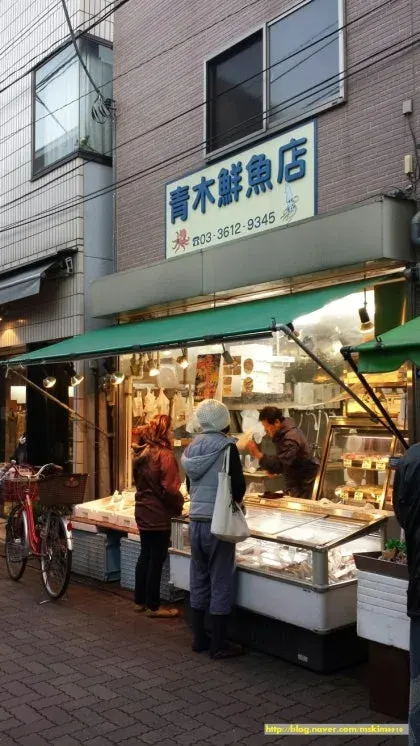
Walk out with one thing in your bag. Bread, tofu, prepared food, coffee beans, or nothing more than a better sense of the street. The mistake would be to leave Kyojima thinking only that it is old. It is older than many places nearby, yes. It carries the memory of a movie theater name, postwar survival, Taisho-era row houses, Showa storefronts, and a shopping street identity built through decades of local use. But what matters most is not age. It is function. Kira-Kira Tachibana still has food shops, rest space, small events, streetlights, office hours, shop calendars, and people who come because they need something. GO TOKYO lists about 90 shops and a monthly fourth-Sunday morning market; the official site still posts current event and business information. That is why it deserves a slower walk. Not because it is frozen. Because it is still in motion. Back at HIVEN, the route should feel modest: a station ride, a shopping street, one purchase, a few old signs, a rest space, and the quiet awareness that Tokyo’s everyday infrastructure can carry more history than a landmark. That is enough. The rest belongs to the people who will use the street again tomorrow.