A One-Month Tokyo Itinerary That Leaves Room to Live
A flexible four-week Tokyo plan with neighbourhood days, personal interests, rest and time to return to the places you love.

Written by Hive Heaven

A useful one-month Tokyo itinerary needs a weekly rhythm rather than thirty compulsory sightseeing days. Spend the first week settling in, the second expanding your map, the third following an interest or taking an optional short trip, and the fourth returning to favourites. Keep reservations that matter, but leave enough space to change your mind.
The framework below is an editorial example for an independent traveller using one Tokyo base. Adapt it to your dates, mobility, interests and budget. Four weeks are 28 days; a 29-night reservation covers a different calendar span, so count the actual nights rather than using the terms interchangeably.
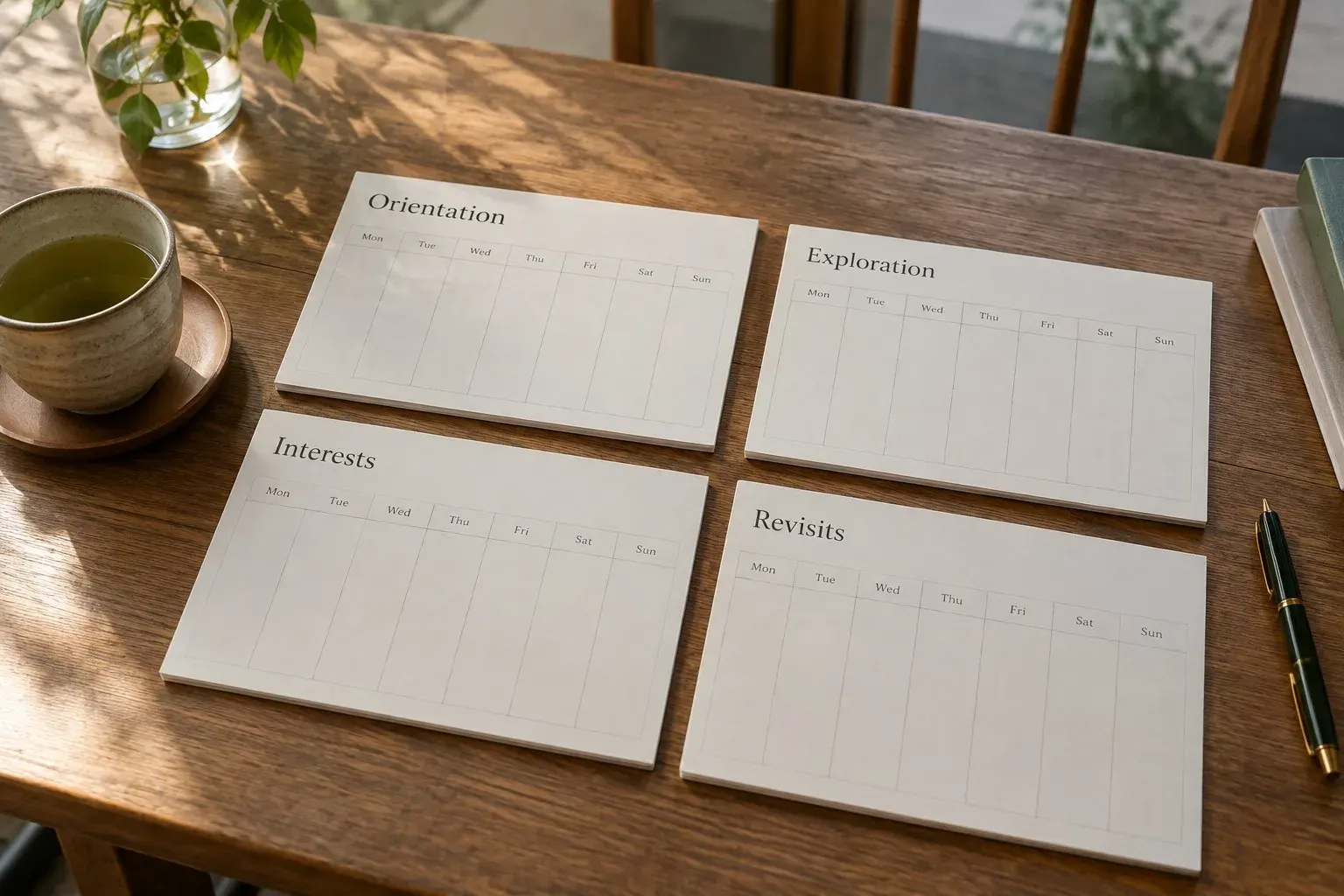
What should you book before creating the daily schedule?
Begin with international travel, accommodation and experiences you would be disappointed to miss. Check venue booking windows and opening days on official pages. Some plans require a fixed date; others can remain a decision for the morning.
Next, mark practical constraints: arrival time, checkout, a class you have booked, accessibility needs and any days when you expect to be tired. These belong on the same calendar as museums and restaurants. A plan that ignores them is likely to overpromise.
Finally, create a shortlist of optional activities by area. Keep it short enough to use. A map crowded with hundreds of saved pins can make every outing feel unfinished, while a few good choices allow you to adapt without researching from scratch.
Week one: how do you arrive and make the neighbourhood usable?
Give the arrival day one main purpose: reach the accommodation and settle in. Follow the actual access instructions, find a simple meal and prepare for the next morning. A late arrival is not the best moment to prove you can navigate the entire city.
On the next day, make a small local circuit. Find the station entrance you will use, a food shop and a comfortable place to pause. Save the exact room address offline. Check how appliances work and how the building wants rubbish handled before those become urgent questions.
For a Kinshicho base, start with the Tokyo Metro station information and the [HIVEN supermarket guide](https://www.hivenstay.com/guides/lifestyle/supermarkets-you-will-actually-use-kinshicho). Use the guide to choose a practical shop, then confirm its current details. You only need a few days of supplies at first.
Kinshicho Station — Tokyo Metro
3-14-6 Kotobashi, Sumida-ku, Tokyo, Japan
Open in Google Maps
Across the rest of the week, alternate a more substantial outing with something simpler. You might spend one day on a major sight you anticipated and another near the room. Add a first laundry session early enough to discover the drying arrangement without running out of clothes.
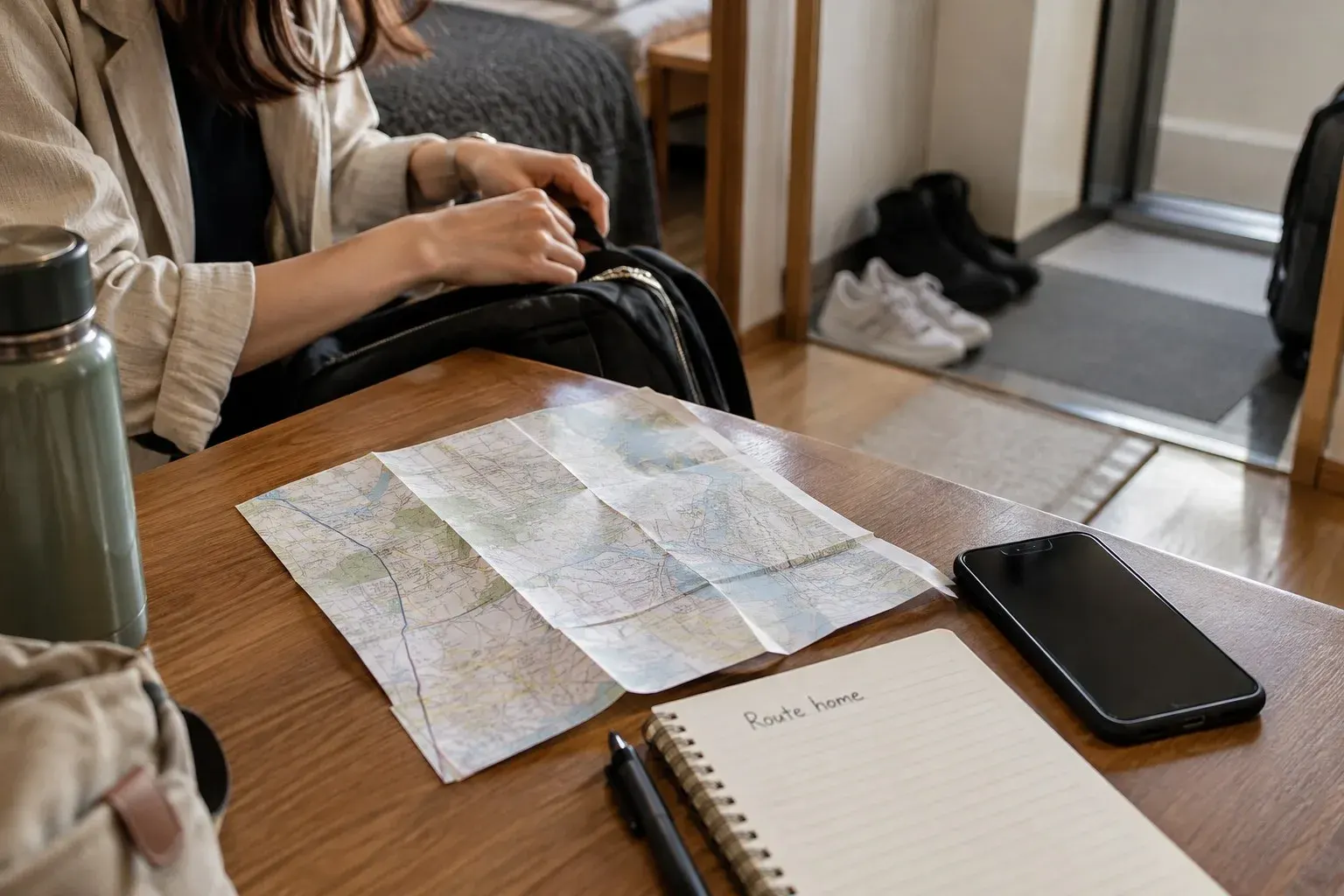
Leave enough room in the itinerary for the Tokyo you discover after arriving.
Week two: how do you explore more without exhausting yourself?
Group outings geographically. Choose one principal area for the day and leave a second stop optional. Look at actual journeys from the accommodation, including the return, instead of assuming that two famous places must be convenient to combine.
An eastern Tokyo day could focus on Oshiage and the area around Tokyo Skytree. Check individual attractions for ticket requirements and current operating information. You do not need to buy an observation ticket for every outing in that district; decide what you want from the day.
Another day could centre on Kiyosumi-Shirakawa. GO TOKYO highlights coffee and art in the neighbourhood. Choose a cafe or an exhibition as the main reason to go, then allow time between stops. Opening days can affect the sequence, so confirm the venues before leaving.
Kiyosumi-Shirakawa neighbourhood
Kiyosumi-Shirakawa, Koto City, Tokyo, Japan
Open in Google Maps
Build one or two quieter days around these outings. If the weather changes, swap an outdoor plan with a suitable indoor one. Do not assume museums are always open on the day you need a rain plan; keep current alternatives rather than a generic list.
What does a balanced sample week look like?
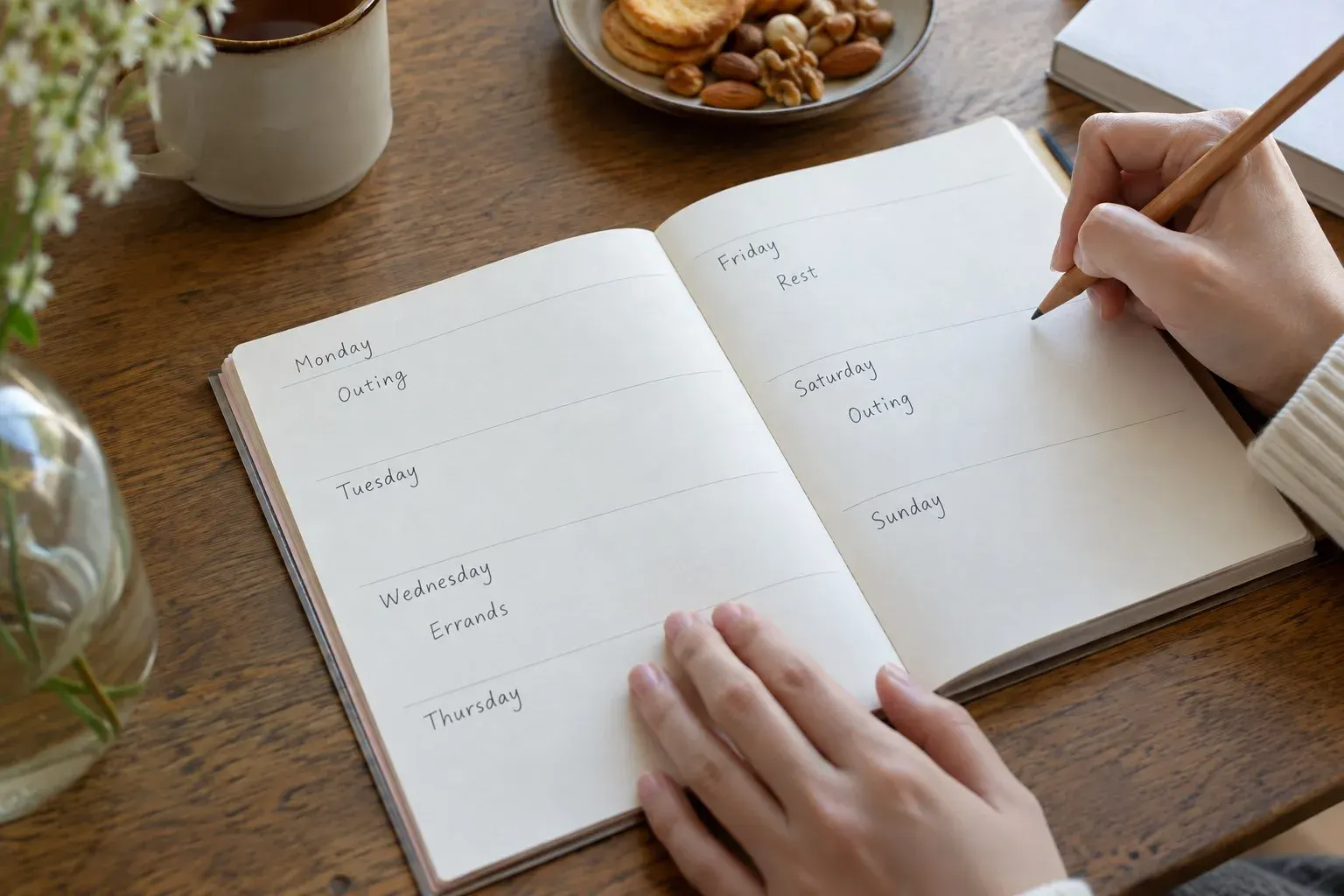
Try this sequence as a starting point, not a set of appointments: a destination day; a local morning and flexible afternoon; a second destination day; groceries, laundry and rest; a hobby outing; an optional longer excursion; then an open day.
The open day does not have to remain empty. It gives you somewhere to place a recommendation from a conversation, a visit that was rained out or a return to a place you liked. It also makes doing nothing a legitimate choice.
If you are travelling with someone, separate a few interests instead of forcing every stop into a shared plan. Set a meeting point and time, make sure both people can navigate and access the accommodation, and compare notes over dinner.
Week three: what would you like to understand more deeply?
By now, your interests may have shifted. The bookshop you found accidentally may be more compelling than the attraction you saved months ago. Use that information. A month gives you permission to edit the original plan.
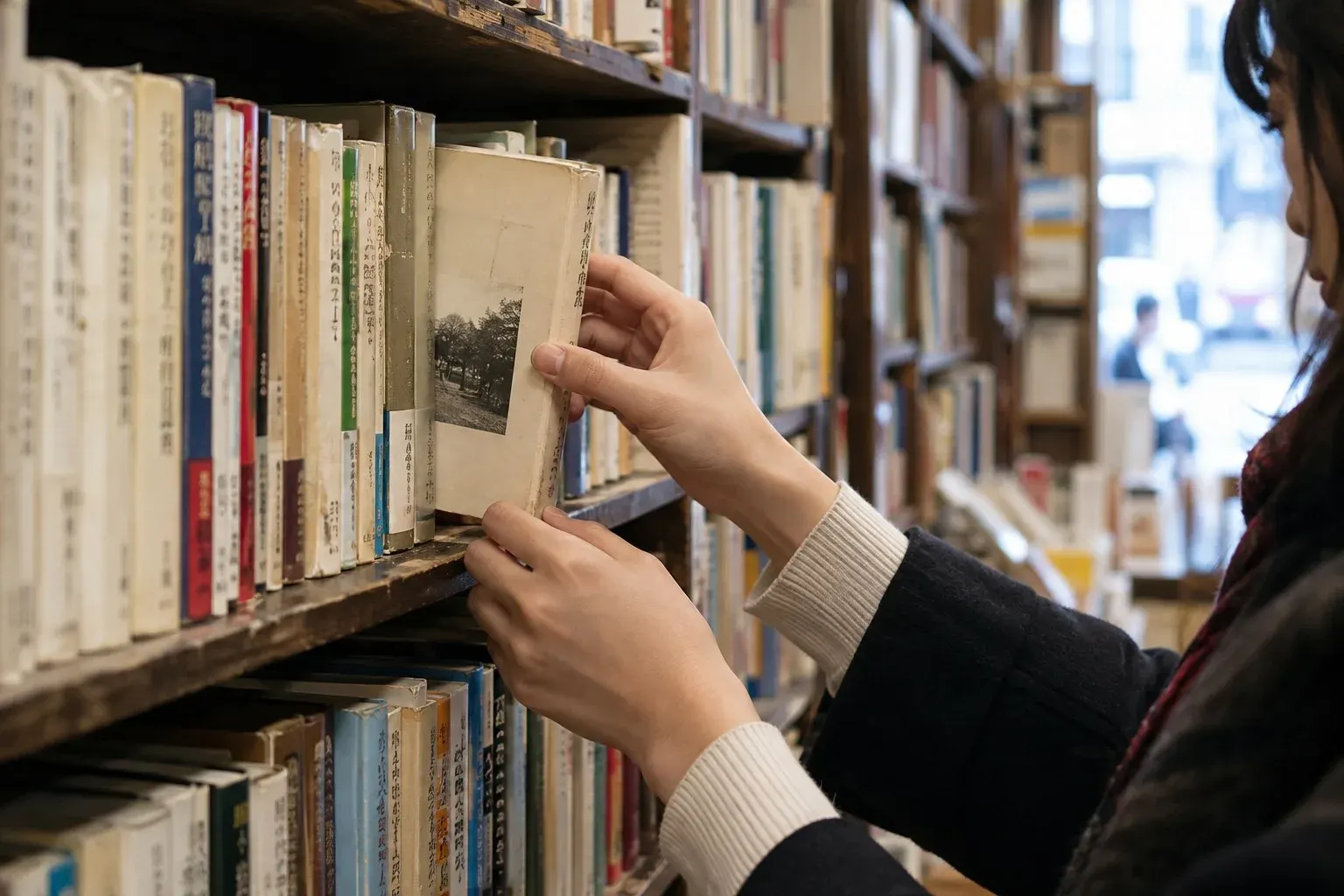
Jimbocho is a possible direction for book lovers. GO TOKYO's Kanda and Jimbocho guide and the booksellers association's resources can help you orient yourself. Check individual shops for language selection, stock and hours rather than expecting every shop to carry the same kind of books.
A photography interest might lead you to revisit a familiar street at a different time of day. A food interest might mean learning one simple meal rather than booking another tasting menu. Respect photography restrictions and private spaces; everyday life is not a free photo set.
Jimbocho bookshop district
Kanda-Jimbocho, Chiyoda City, Tokyo, Japan
Open in Google Maps
If an overnight side trip now feels worthwhile, cost it properly. Include the additional lodging and transport, plus any paid Tokyo nights you retain. Avoid booking a complicated excursion merely because the third week looks less busy than the first.
Week four: why leave time to return?
The last week is where a long stay can feel different from a rushed trip. You can revisit the cafe where you enjoyed sitting, return to a neighbourhood without needing directions or spend longer with something that deserved more attention.
Keep one final important experience if you want a sense of occasion, but resist making every leftover pin compulsory. A trip can end with some things unseen. That is better than finishing exhausted because the calendar became a debt.
Begin the departure tasks while they are still small. Use perishable food, check laundry timing, sort belongings and read checkout instructions. Confirm the airport journey against the flight's local departure time and the services on that date.

Where do seasonal plans fit?
Add seasonal activities after checking the current year's official information. A shrine's previous festival dates, an old exhibition listing or a photograph of flowers does not establish what will be available during your stay.
For example, GO TOKYO provides information about Kameido Tenjin and its wisteria festival. That is useful for research, but the flowers and event should not be promised for an unrelated travel date. The neighbourhood can still be an outing when a particular seasonal feature is absent.
Make the season affect practical planning too. Check forecasts and suitable clothing, then adjust walking time and indoor alternatives. Your itinerary should respond to the conditions you encounter rather than reproduce the weather in a promotional photograph.
How should the room support this itinerary?
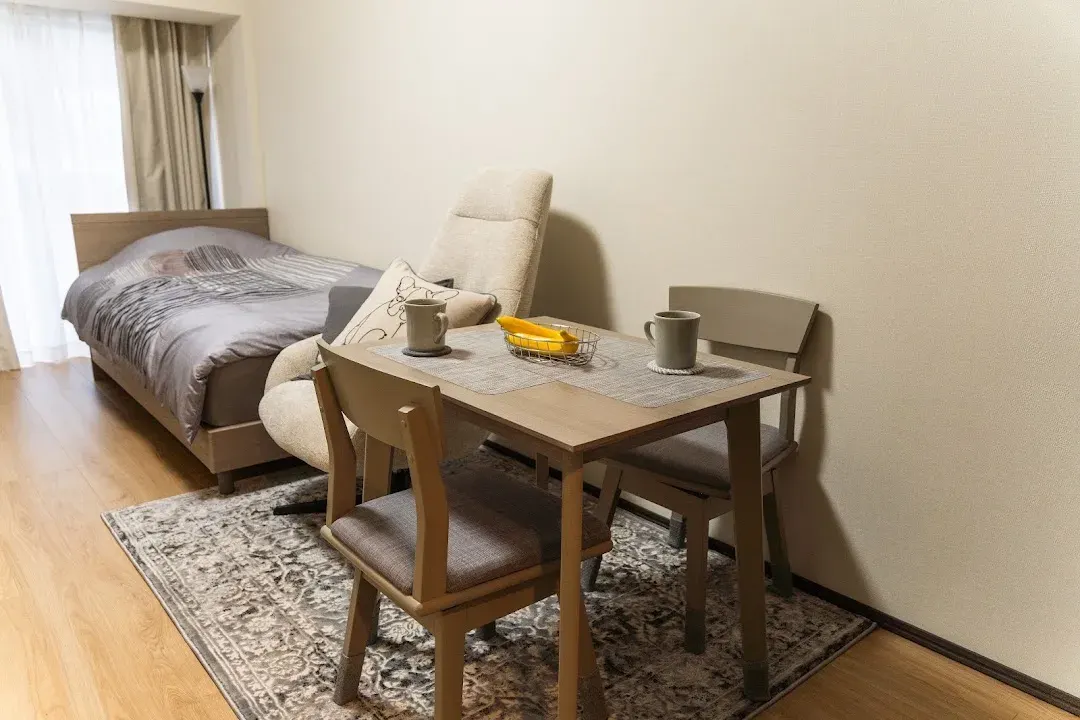
A home base should be useful on the days between outings. Compare where you will eat, store purchases, wash clothes and sit comfortably. Ask about the actual equipment and service arrangements rather than assuming every furnished apartment functions alike.
HIVEN's current public Residence minimum is 29 nights. If considering a Kinshicho room, check the exact dates, guest count, unit layout and complete price. The calendar should fit the booking conditions, while the location should fit the journeys you expect to repeat.
HIVEN BK Kinshicho
4-6-4 Kotobashi, Sumida-ku, Tokyo, Japan
Open in Google Maps
The best result is a month with structure and room for discovery. You should know where to start tomorrow without feeling that tomorrow has already been decided for you.
Frequently asked questions
Is this a fixed thirty-day itinerary?
No. It is a four-week framework with flexible days. Align it with your exact arrival, departure and booked nights; do not treat four weeks and a calendar month as identical.
How many major attractions should I plan per day?
Start with one main purpose and optional nearby additions. Your energy, access needs and travel time matter more than a universal target number.
Should I buy all tickets before arriving?
Book the experiences that require advance planning and matter to you. Check official rules for the rest rather than purchasing a ticket for every possible day.
Can I use the plan outside Kinshicho?
Yes. Recalculate routes from your own base and rearrange the neighbourhood days. The weekly structure does not depend on one accommodation provider.
Where do I put laundry and grocery shopping?
Give them visible time, especially in the first week. Combining small errands with a local day prevents them from consuming a major outing later.
What if I get bored with the plan?
Use the open days to pursue a new interest or a suitable excursion. First check whether you need variety, rest or a different type of activity; those call for different changes.
Should the last day include sightseeing?
Only if it comfortably fits checkout, luggage arrangements and the airport journey. Keep the departure reliable before adding a final stop.
Can I use past festival dates to plan next year's trip?
Treat them as background only. Confirm the new year's announcement and any booking requirements before making a date-dependent reservation.
Sources and information check
[JNTO — planning a visit to Japan](https://www.japan.travel/en/plan/)
[Tokyo Metro — Kinshicho Station and Hanzomon Line](https://www.tokyometro.jp/lang_en/station/kinshicho/index.html)
[GO TOKYO — Kiyosumi Shirakawa](https://www.gotokyo.org/en/destinations/eastern-tokyo/kiyosumi-shirakawa/index.html)
[GO TOKYO — Kanda and Jimbocho](https://www.gotokyo.org/en/destinations/central-tokyo/kanda-and-jimbocho/index.html)
[GO TOKYO — Kameido Tenjin Shrine and seasonal visiting information](https://www.gotokyo.org/en/spot/ev197/index.html)
[HIVEN — current Residence offer](https://www.hivenstay.com/?lang=en)
Information checked: 30 October 2026. Recheck time-sensitive details before publication and before booking or visiting, including prices, opening hours, transport, entry requirements and the selected room’s terms. Suggested routines and sample itineraries are editorial planning examples, not guest testimonials.


