Your Second Trip to Japan: Why Spend a Whole Month in Tokyo?
Already seen the headline sights? Give your next Japan trip a different shape through favourite neighbourhoods, deeper interests and a settled Tokyo base.

Written by Hive Heaven

A month in Tokyo can make a rewarding second trip to Japan when you want depth rather than another introduction. You have time to revisit favourite areas, explore an interest and experience the practical rhythm of staying in one neighbourhood. It is a good option if Tokyo itself still makes you curious; returning visitors are not obliged to repeat the city.
The first trip often comes with a list inherited from everybody who has been before. On the second, you have evidence of your own. Perhaps the famous crossing was memorable, but the afternoon you keep thinking about was spent looking through a small shop and taking a long way back.
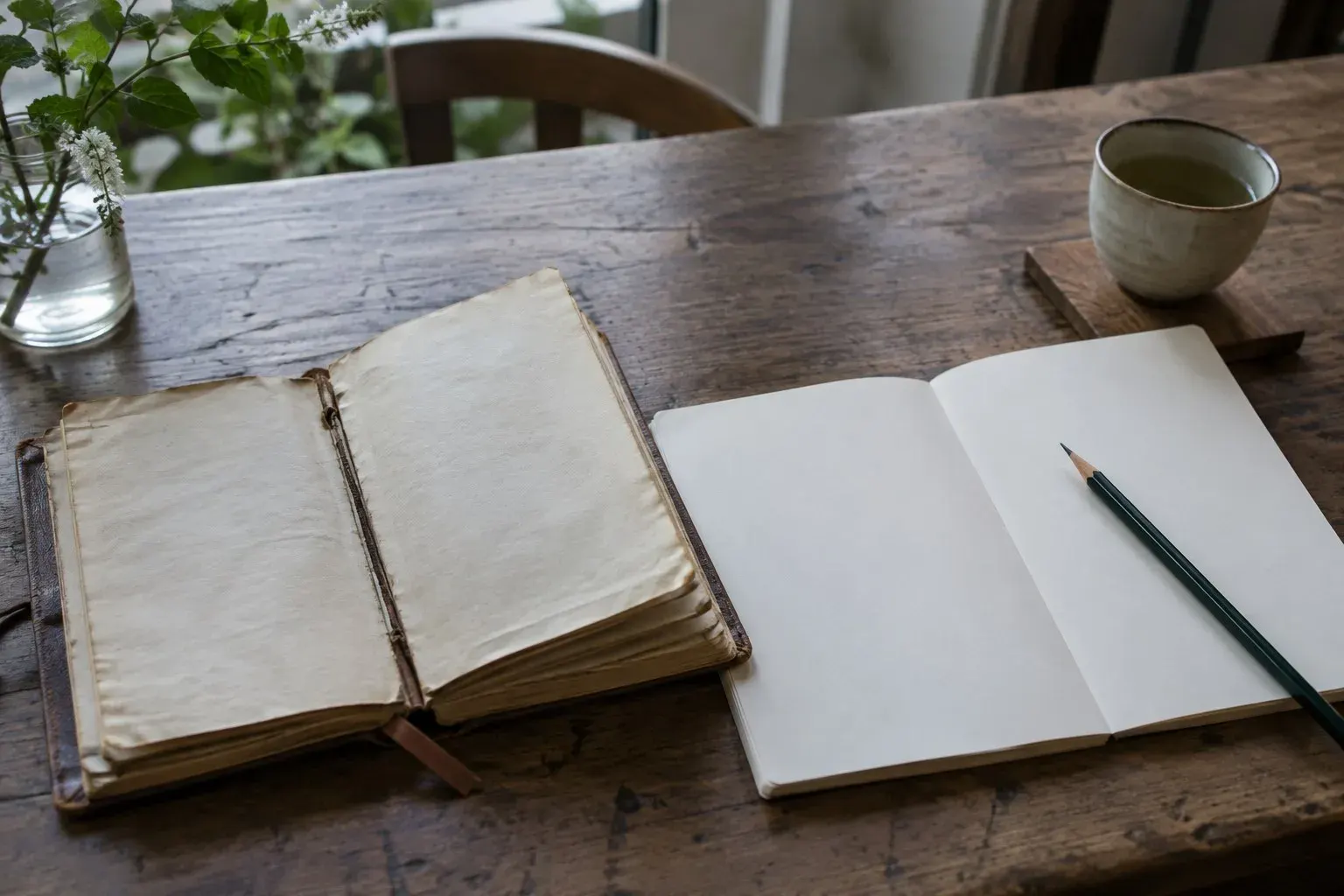
What did your first trip teach you?
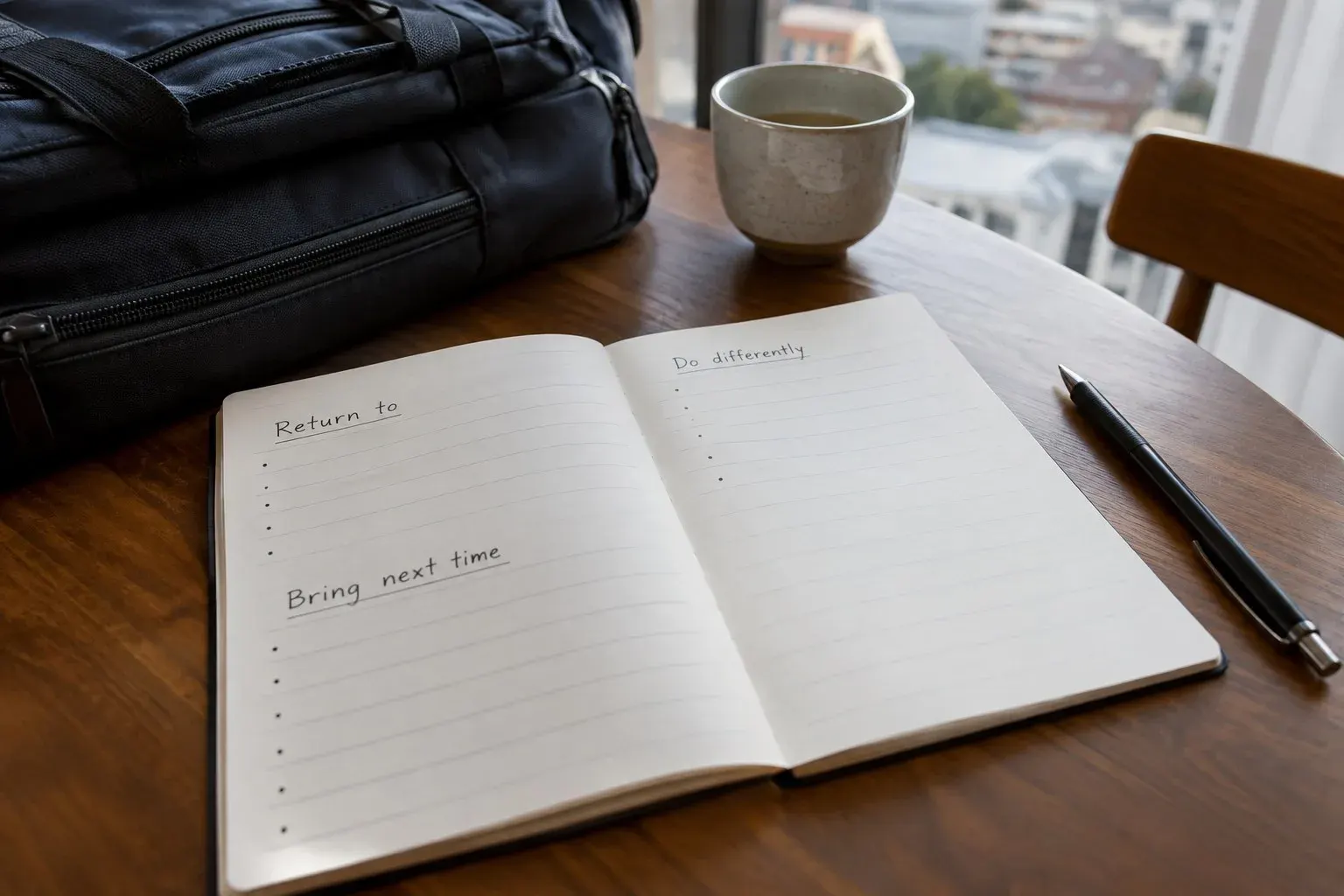
Make three short lists: places you want to revisit, experiences you want more time for, and things you do not feel a need to repeat. The third list is useful. You can enjoy travel without reproducing the same itinerary every time.
Then look for the reason behind each favourite. Was it the food, the scale of the streets, the chance to browse, or simply that you were not rushing? Understanding that reason helps you find new experiences with similar appeal.
Do not rely entirely on memory. Businesses close, exhibitions change and transport arrangements evolve. Check the current official information before organising a day around a remembered place, especially if it is the main reason for your return.
How does a month change the way you revisit somewhere?
A short revisit might aim to recreate a previous afternoon exactly. With more time, you can notice differences instead. Go at another time of day, follow a neighbouring street or return after you have learned a little more about what you are seeing.
Avoid treating familiarity as ownership. A shopkeeper may not recognise you; a neighbourhood does not exist to confirm your earlier impression. Being a thoughtful repeat visitor means staying open to the place as it is now.
A useful goal is to leave with a more detailed understanding of one area. That could mean identifying the kind of food shops you actually use or learning how several streets connect, rather than collecting another dozen recommendations.
Return for the things you missed by moving quickly, including the chance to stop.
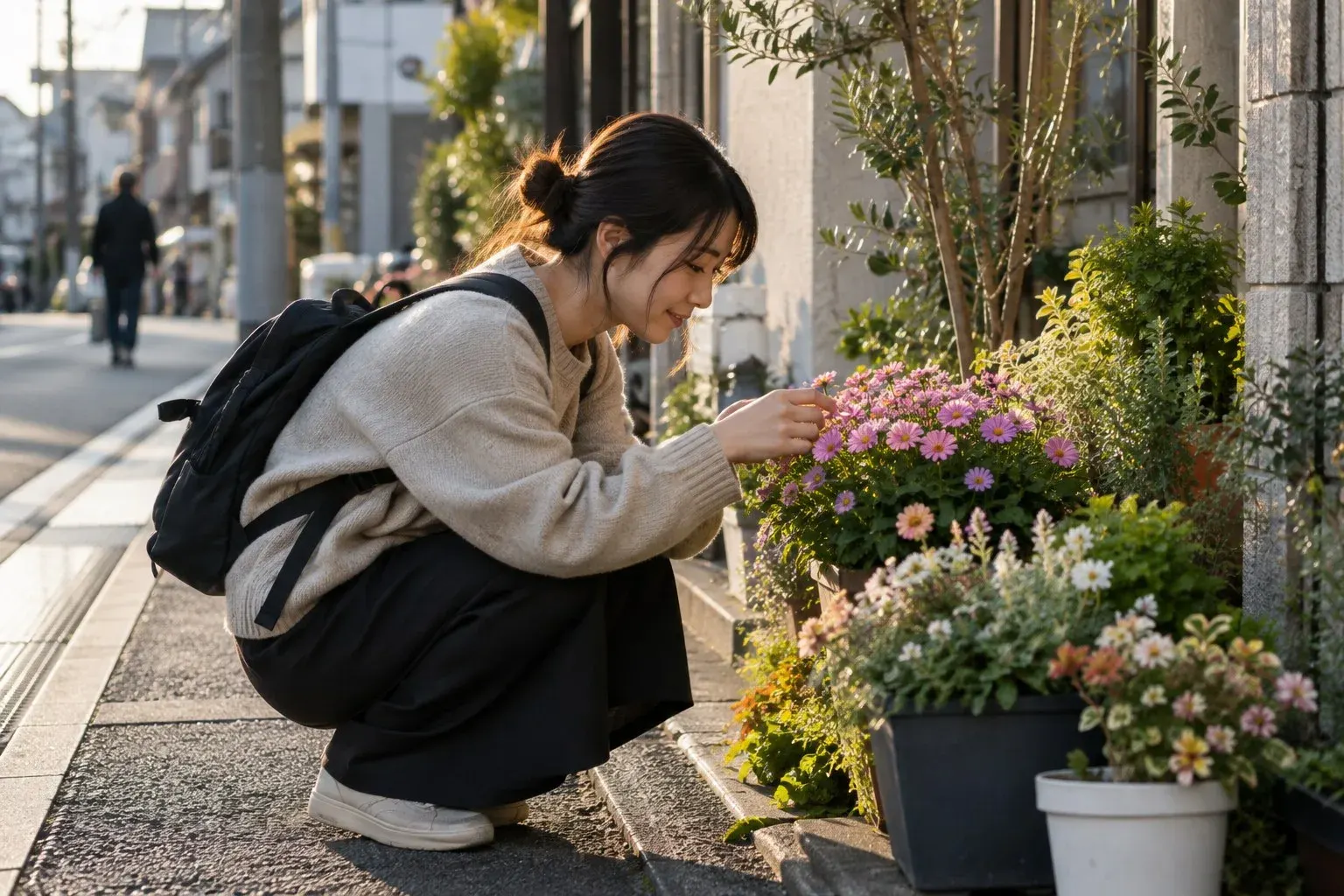
What makes a good theme for a second trip?
Choose an interest that produces questions, not just purchases. A book lover might explore how different shops organise their stock. Someone interested in design could follow materials, packaging or public spaces. A coffee enthusiast could enjoy the way different cafes invite people to spend time.
Jimbocho is a useful starting point for book browsing. The official booksellers association offers English resources, while GO TOKYO introduces the district in its Kanda and Jimbocho guide. Use these to choose a direction, then check the individual shops you want to visit.
Jimbocho bookshop district
Kanda-Jimbocho, Chiyoda City, Tokyo, Japan
Open in Google Maps
An interest does not have to occupy every day. Two thoughtful afternoons a week can give the month a thread while leaving room for food, rest and discoveries. The aim is attention, not homework.
Where does everyday life fit into a return trip?
A longer visit lets practical routines become part of your memory. Buying breakfast, finding a useful supermarket and learning a short walk near the accommodation can be enjoyable precisely because they are not presented as attractions.
That does not mean romanticising chores. Washing clothes still needs time, and carrying groceries can be tiring. Choose accommodation and a neighbourhood that make these tasks manageable so they do not crowd out the reason you came.
Try giving one day each week a deliberately small radius. Eat nearby, do the necessary errands and leave the afternoon open. You may discover whether you enjoy the everyday version of the city as much as the holiday version.
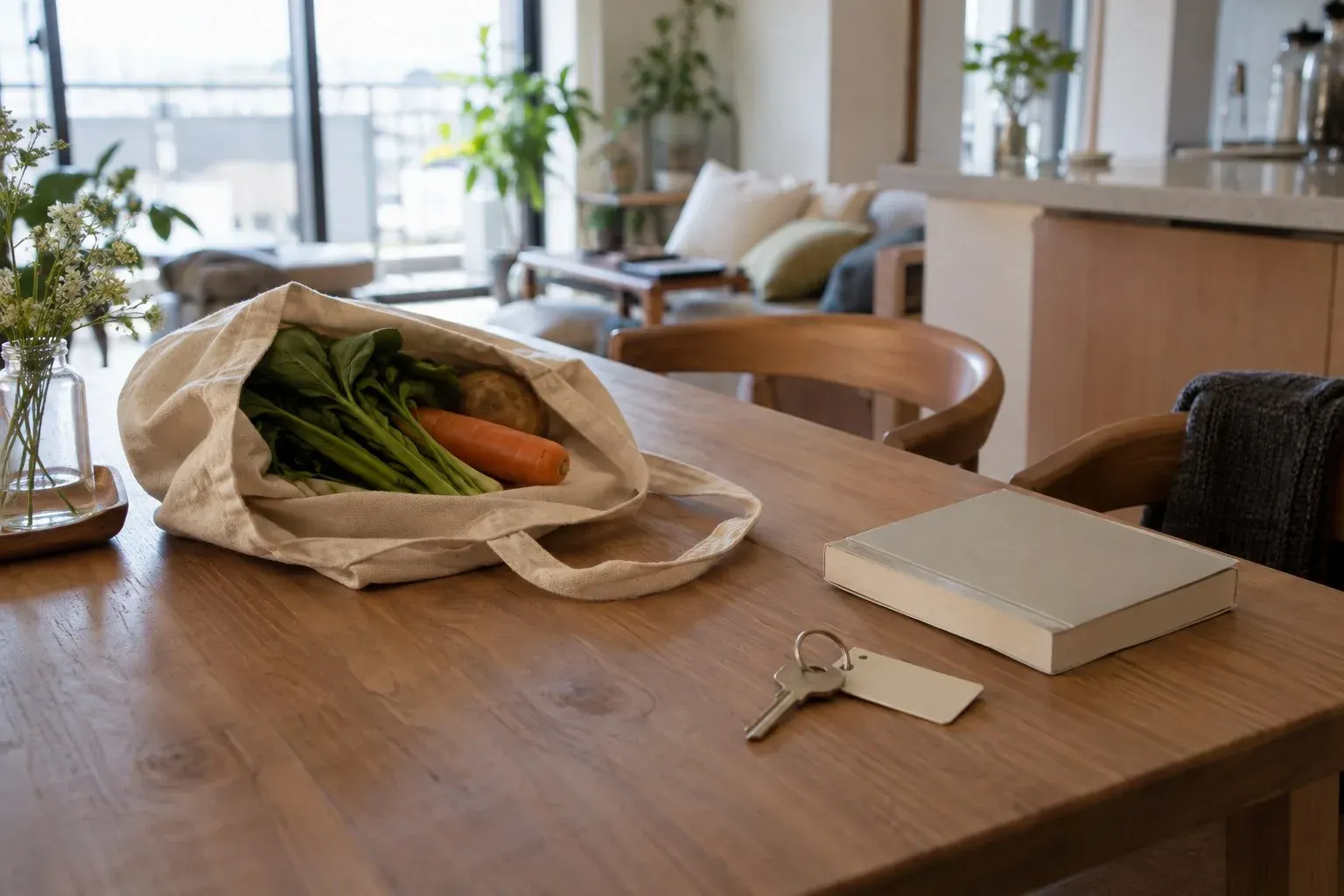
Should you stay in the same area as last time?
Stay in the same area if it suits the journeys and lifestyle you want now. Choose a new base if your interests have shifted or the previous location created friction. Loyalty to a pleasant memory is not a substitute for checking the current room.
For a Kinshicho base, examine the full journey to the places you plan to revisit. Look at the neighbourhood's everyday food options as well as transport. The [HIVEN supermarket guide](https://www.hivenstay.com/guides/lifestyle/supermarkets-you-will-actually-use-kinshicho) can help you understand the shopping side of that decision.
HIVEN Residence currently starts at 29 nights. Compare actual rooms for your dates and needs, including layout and service conditions. A longer booking should make the month more comfortable, not make you feel committed to an unsuitable base.
HIVEN BK Kinshicho
4-6-4 Kotobashi, Sumida-ku, Tokyo, Japan
Open in Google Maps
How can you discover something new without restarting the checklist?
Ask a narrower question than “What else is there to do in Tokyo?” Try “Where could I spend an afternoon around contemporary art?” or “Which district would reward a second bookshop visit?” Smaller questions produce more useful choices.
Kiyosumi-Shirakawa is one possible coffee-and-art direction described by GO TOKYO. Make a modest plan around one venue and the surrounding streets, then confirm its opening details. You can return another day if the area interests you.
Kiyosumi-Shirakawa neighbourhood
Kiyosumi-Shirakawa, Koto City, Tokyo, Japan
Open in Google Maps
Leave room for recommendations that arise during the trip, but verify practical details. A suggestion can be excellent and still be closed on the day you choose. The extra time gives you flexibility, not immunity from opening hours.
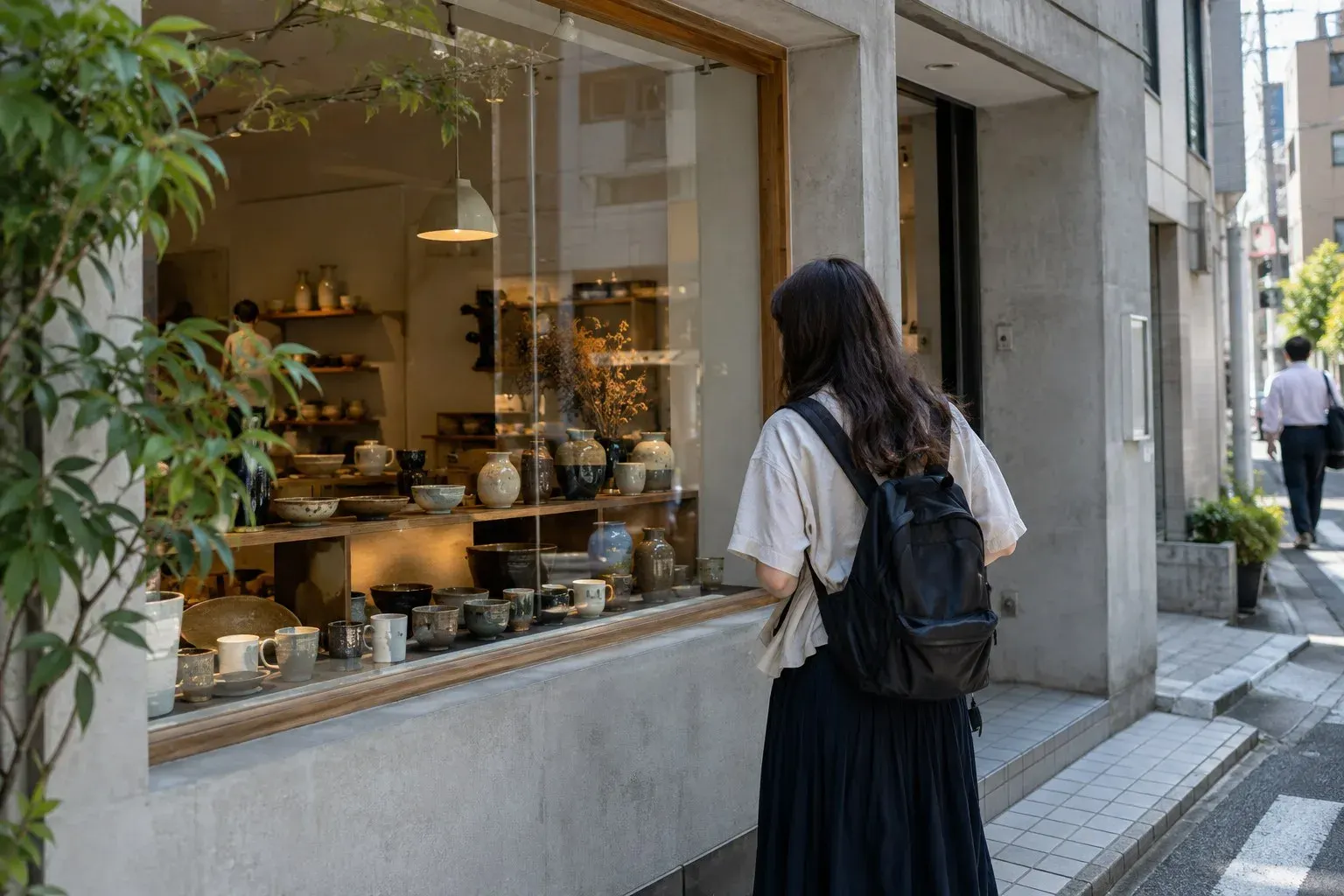
What if you want a different region this time?
Then make that part of the plan. A second trip to Japan does not need to centre on Tokyo. Compare the experiences you want, the season, the transport and your available time before choosing a month-long base.
A short excursion while retaining a Tokyo room may work, but budget the duplicate nights. If the main purpose of the journey lies elsewhere, a different route may use your money and attention better.
This honesty improves the accommodation decision. You should be able to explain why Tokyo deserves this particular month, even if the explanation is as simple as wanting more time with a city you enjoyed.
How do you know the second trip has succeeded?
You do not need a larger list of accomplishments than last time. A favourite route, an interest pursued with care or a clearer sense of what you enjoy can be enough.
Before leaving, note what you would repeat and what you would change. Keep those notes factual: the room feature you valued, the journey that was longer than expected, the outing you wanted more time for. They will be more useful for a future trip than a promise to do everything next time.
Frequently asked questions
Should my second Japan trip avoid famous sights?
No. Revisit something if you genuinely want to. The point is to choose from your interests rather than from a sense that you must prove you have moved beyond popular places.
Is a month too much for a repeat visitor?
It depends on your available time, budget and interests. Sketch several ordinary days alongside the special outings before committing to the length.
Do I need a new neighbourhood for the trip to feel different?
No. A familiar base can support very different days. Conversely, a new area may suit your current interests better; compare the practical journeys.
Can I follow an interest without speaking Japanese?
Often you can enjoy visual or place-based interests, but access and language support vary. Check individual venues or classes and prepare questions in advance.
Should I book the exact room I stayed in before?
Only after confirming its current condition, availability and terms. Memories help identify your preferences, but the new booking still needs its own checks.
Is this a guide to moving to Tokyo?
No. It is about a temporary trip. Immigration, work and residency requirements should be investigated separately through the appropriate official sources.
What is the first useful planning step?
Write down the three experiences from your previous trip you most want to deepen. Use them to choose your duration, base and a few initial commitments.
Sources and information check
[JNTO — planning a visit to Japan](https://www.japan.travel/en/plan/)
[GO TOKYO — Kiyosumi Shirakawa](https://www.gotokyo.org/en/destinations/eastern-tokyo/kiyosumi-shirakawa/index.html)
[GO TOKYO — Kanda and Jimbocho](https://www.gotokyo.org/en/destinations/central-tokyo/kanda-and-jimbocho/index.html)
[Jimbocho Booksellers Association — official English guide](https://en.jimbou.info/)
[HIVEN — current Residence offer](https://www.hivenstay.com/?lang=en)
Information checked: 30 October 2026. Recheck time-sensitive details before publication and before booking or visiting, including prices, opening hours, transport, entry requirements and the selected room’s terms. Suggested routines and sample itineraries are editorial planning examples, not guest testimonials.


