One Stop Away: A Slow Afternoon in Ryogoku
From HIVEN in Kinshicho, Ryogoku is one local train stop away—a half-day of neighborhood streets, sumo history, chanko lunch, and river light that shows how staying longer makes nearby Tokyo feel larger.

Written by Hive Heaven
Some Tokyo afternoons begin with a plan large enough to require transfers, reservations, and an early start. This one begins differently. Leave home in Kinshicho after lunch, take the local train one stop west, and get off before the journey has had time to feel like a journey at all. Ryogoku is close enough to be postponed. That is precisely why it deserves an afternoon. From Kinshicho, the westbound Chuo-Sobu Line local reaches the neighboring Ryogoku stop in about three minutes on current timetable examples. The ride is almost comically brief. Yet on the other side, the city has shifted: the roofline is lower, sumo appears in the street furniture, and the Sumida River waits at the neighborhood’s western edge. A longer stay changes the meaning of distance. The question is no longer how many famous places can fit into a day. It becomes simpler: what lies close enough to become part of your life?
A Neighborhood That Keeps Its Scale
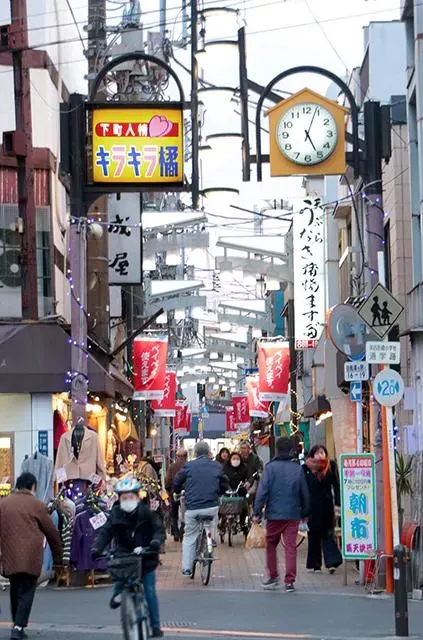
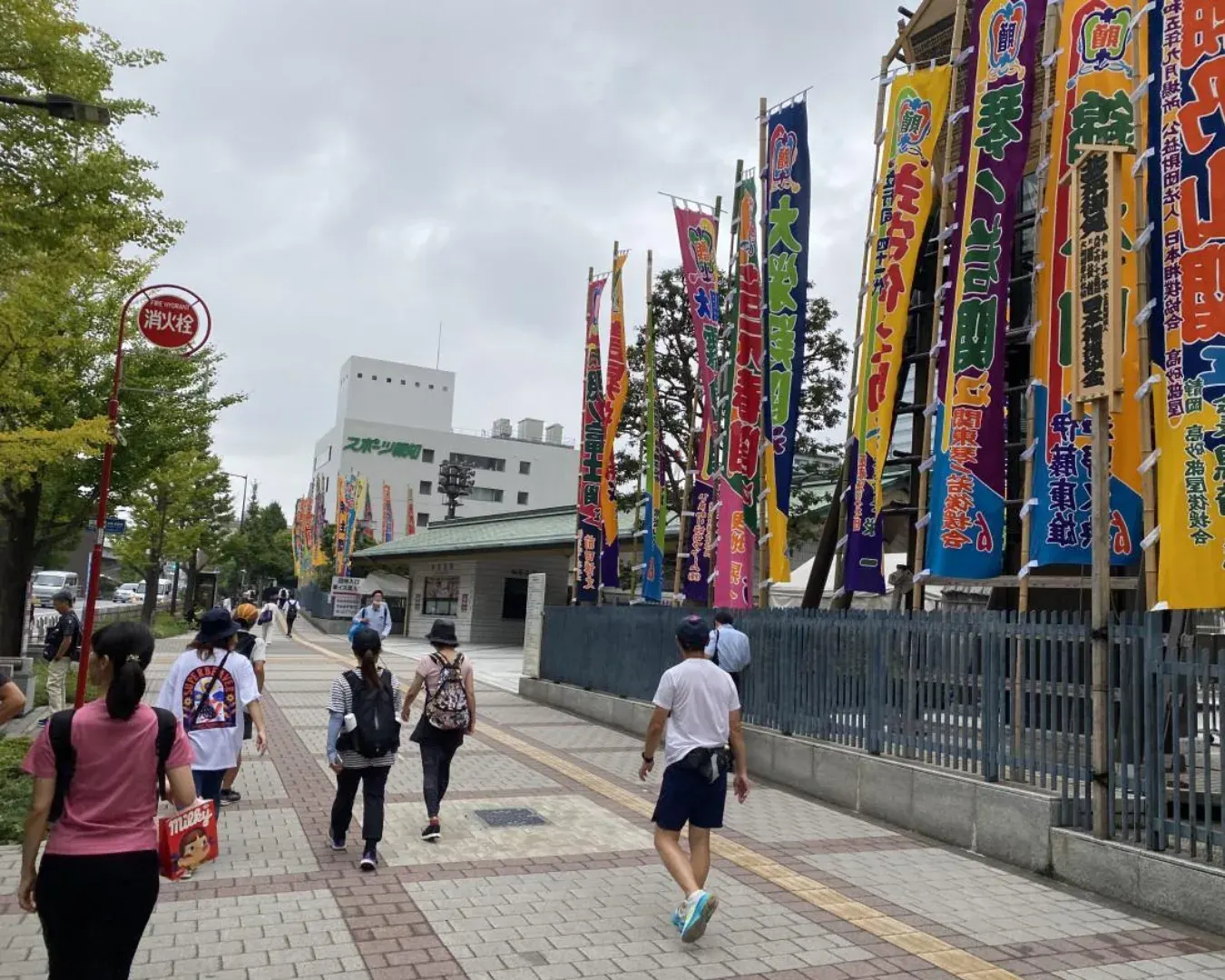
Kokugikan-dori makes the neighborhood’s identity easy to read. Statues of celebrated yokozuna stand along the route, accompanied by impressions of their hands. Stop for one of them, then look beyond it. There are bicycles against railings, small shop fronts, delivery vehicles, people moving with somewhere ordinary to be. This is the useful tension in Ryogoku. Sumo is not hidden, but neither does it erase the rest of the neighborhood. For someone staying in Tokyo longer than a few rushed days, that balance matters. You do not have to turn every district into a complete survey. You can allow one street to be enough for today. You can remember a restaurant for another week, a museum for a rainy afternoon, or a section of the river for the next time the sky looks promising. The city becomes easier to understand when you stop demanding that every visit be final. Continue toward the broad green roof of the Kokugikan. It is close enough that the transition from neighborhood street to national institution happens almost without warning. The official venue places its JR access just two minutes from Ryogoku Station’s West Exit. The scale changes again, but you have reached it on foot.
“Sometimes the difference between a destination and a neighborhood is knowing you can come back next week.”
Sumo Before the Spectacle
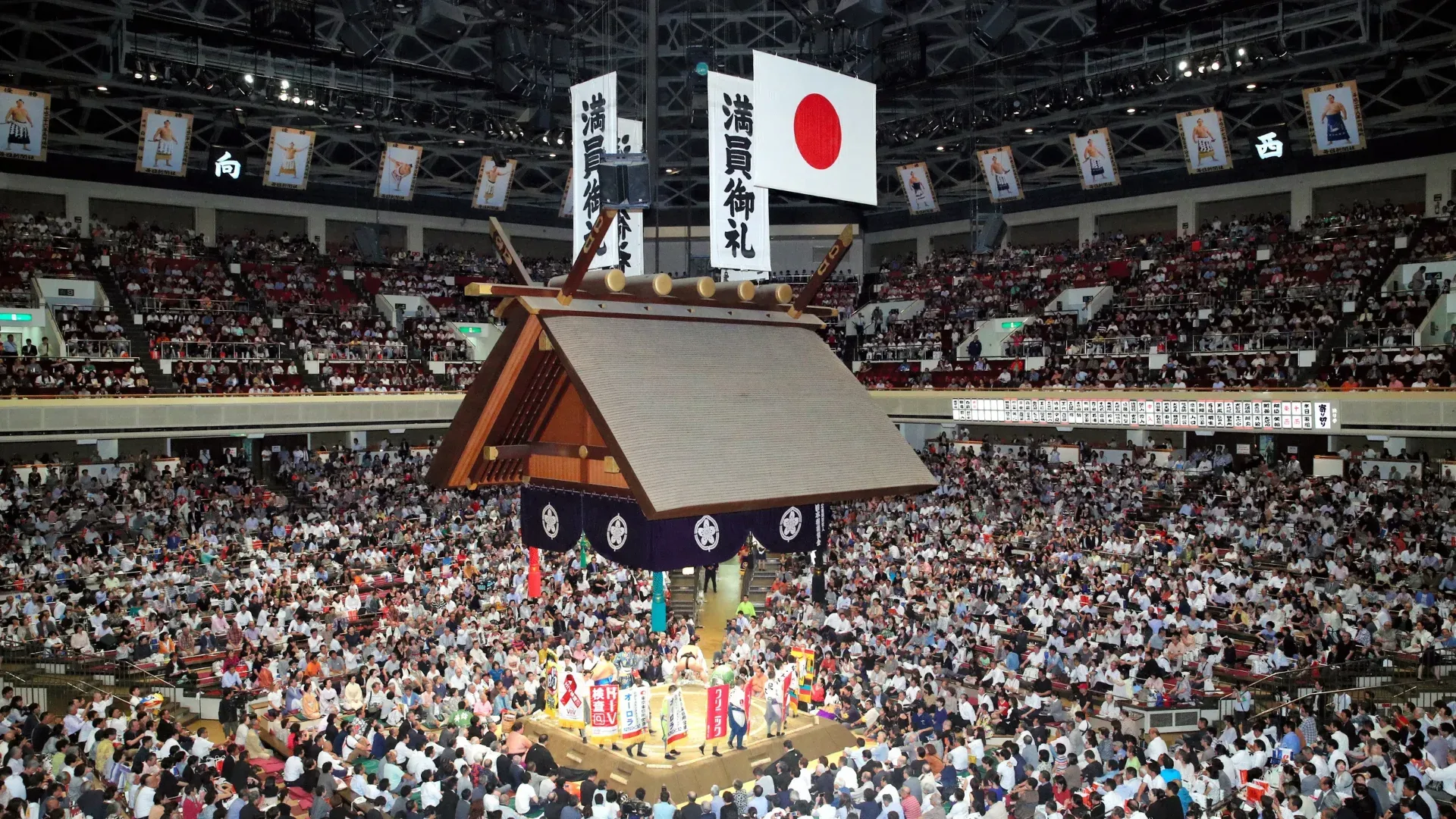
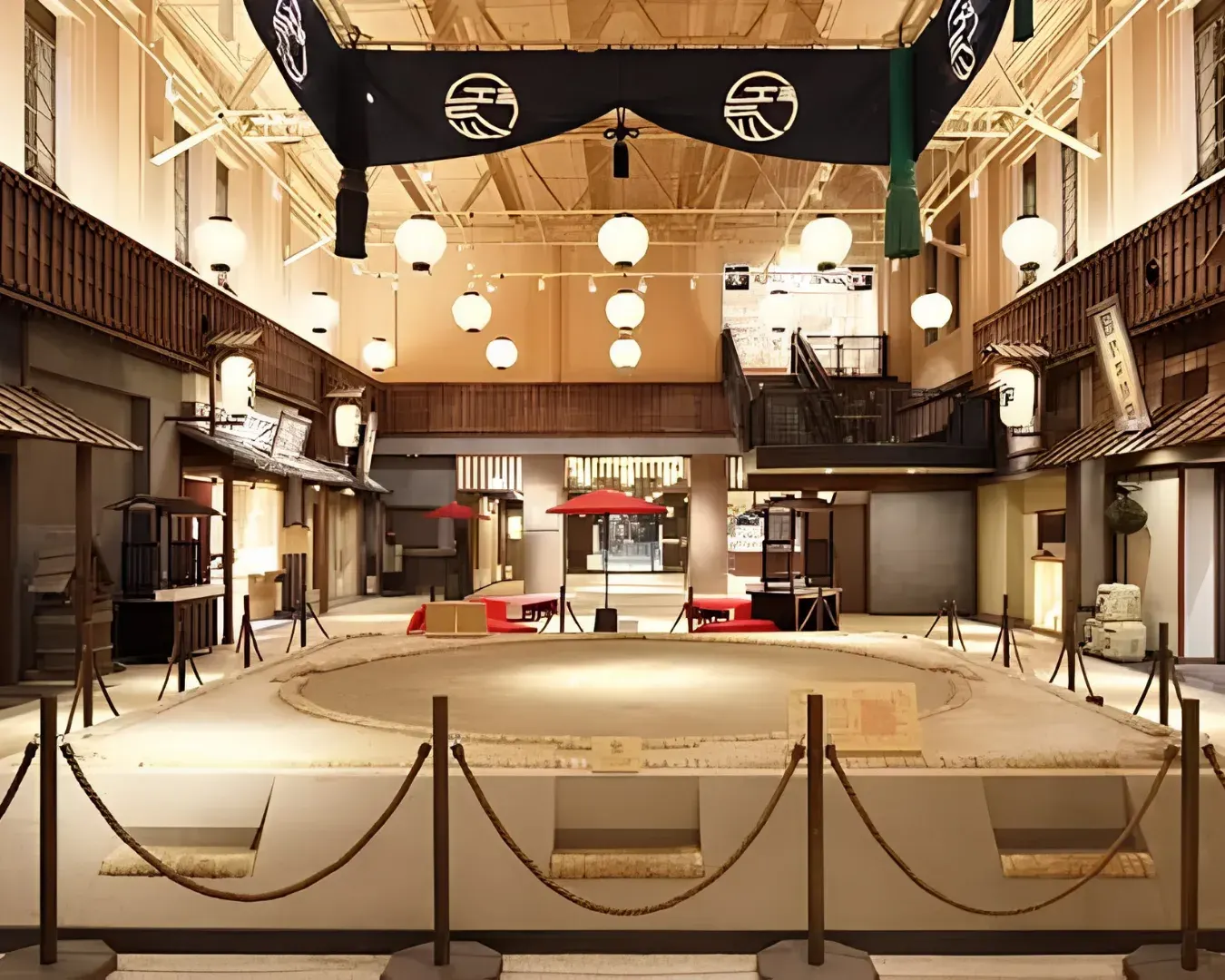
Ryogoku Kokugikan is most dramatic when a tournament fills the streets with flags and spectators. But this afternoon does not depend on spectacle. Outside tournament time, the building’s low green roof and wide entrance make a different impression: less like a stadium dropped into the city, more like the neighborhood’s large, unmistakable center. The official venue is a short walk from the JR station, while the Sumo Museum occupies the first floor. On a day when the museum is open, step inside. Its scale is modest. The collection moves the story of sumo away from pure physical force and toward objects: ceremonial aprons, historic images, woodblock prints, rankings, and material preserved across changing exhibitions. The museum states that it presents collections from the Edo period to the present through three themed exhibitions each year. Regular admission is free, although tournament days require an arena ticket. Standard opening hours are 10:00 to 16:30 with last entry at 16:00, but closures and exhibition changes make the official calendar essential. Do not try to become an expert in one visit. Spend enough time to let one object stay with you. Then go back outside carrying a slightly different picture of what the neighborhood has been keeping.
RYOGOKU KOKUGIKAN & SUMO MUSEUM
1-3-28 Yokoami, Sumida City, Tokyo 130-0015Ryogoku Kokugikan stands a short walk from JR Ryogoku Station’s West Exit, with the Sumo Museum on the first floor. The museum’s regular hours are 10:00–16:30, with last entry at 16:00; tournament-day hours and entry conditions differ. Admission is normally free outside the ticketed tournament context, and the calendar should be checked before visiting because closures and exhibition changes occur.
Open in Google Maps
Lunch With a Local Reason — Chanko Without the Performance
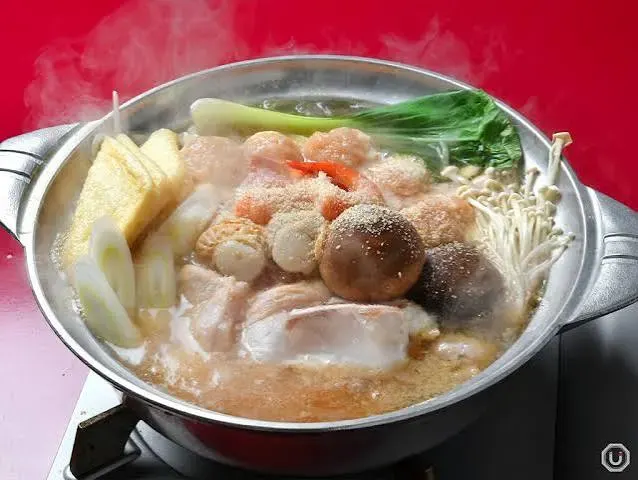
By now, lunch has earned its place in the route. The easy mistake in a neighborhood associated with sumo is to make every stop prove the theme. Lunch does not need to be a performance. It only needs a reason to belong here. Chanko Kirishima works because it remains connected to the food culture of the area while functioning as an actual place to sit down for the middle of an afternoon. Chanko itself is not one fixed recipe; preparations differ across sumo stables and kitchens. The Ryogoku main store describes its food through the tradition of the Michinoku stable, and the local tourism association lists it one minute from the JR station’s West Exit. For a solo afternoon, the restaurant’s official site is especially useful: its current lunch information includes a paper-pot chanko set that can be ordered by one person. Let the meal do what a good neighborhood lunch should do. Stop walking. Put the phone down for a while. Notice the change of temperature when the pot arrives, the table filling with bowls, and the sudden sense that the afternoon has more time than expected. The value of staying longer is not that every meal becomes special. It is that you eventually have enough meals to choose some of them for no larger reason than being nearby.
CHANKO KIRISHIMA — RYOGOKU MAIN STORE
2-13-7 Ryogoku, Sumida City, Tokyo 130-0026
Open in Google Maps
After Lunch, Let the Day Widen — Moving Toward the River
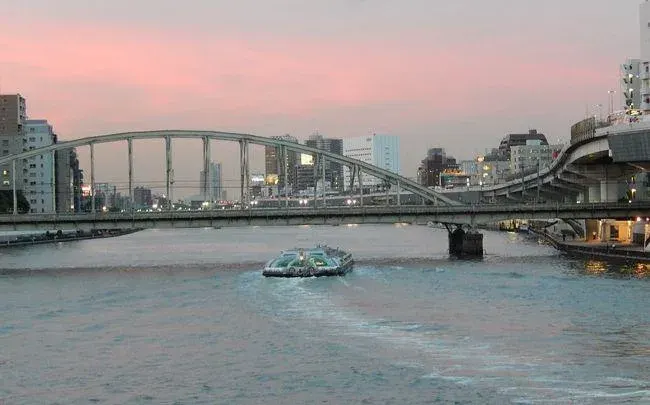
After lunch, do not look for the next attraction. Turn back toward the western edge of the neighborhood and let the walk become less specific. The change happens gradually. Buildings stop enclosing every view. The sky takes up more of the frame. Then the river appears, giving the afternoon a longer horizon. The Sumida River Terrace is not one isolated park but a much larger waterfront system. Tokyo’s current 2025–2026 green-space guide describes most of the 12-kilometer stretch between Kachidokibashi Bridge and Minami-Senju as a walkable promenade, and specifically identifies a Ryogoku course running between the Kuramaebashi and Ryogoku Bridge area. You do not need to complete that route. For this afternoon, use only the part that lets the neighborhood release you toward the water. The Ryogoku River Center, three minutes from the JR station according to its official access information, works as a useful landmark for reaching the riverside. The water bus from the Ryogoku pier is currently not operating, so there is no connection to catch and no timetable to chase. Keep walking instead. Some afternoons become better the moment there is nothing left to arrive for.
SUMIDA RIVER TERRACE — RYOGOKU SECTION
1-2-13 Yokoami, Sumida City, Tokyo 130-0015
Open in Google Maps
Stay for the Light— Sunset at the Edge of the Neighborhood
The final part of the afternoon requires almost nothing. Find a place where you can see the water and stay long enough for the color to change. Evening at Ryogoku Bridge has been watched for far longer than any current walking route. An official Ryogoku area guide points to Hokusai’s Viewing Sunset over Ryogoku Bridge from the Onmayagashi Embankment, from the Thirty-six Views of Mount Fuji series. The present bridge remains part of the visual history of the district and appears in the work of artists including Hokusai and Hiroshige. There is no need to reproduce an old viewpoint exactly. Watch what exists now: trains and traffic moving somewhere beyond you, light caught on the surface of the river, apartment windows beginning to glow, a person passing without stopping. A short visit to Tokyo often creates a reflex to ask what else could fit into the evening. A longer stay offers another question: would you come back here on an ordinary weekday? Perhaps that is the more useful measure of a place. Not whether it completes an itinerary, but whether it has begun to enter your own map of the city. Stay until you have seen enough. There is another train home whenever you are ready.
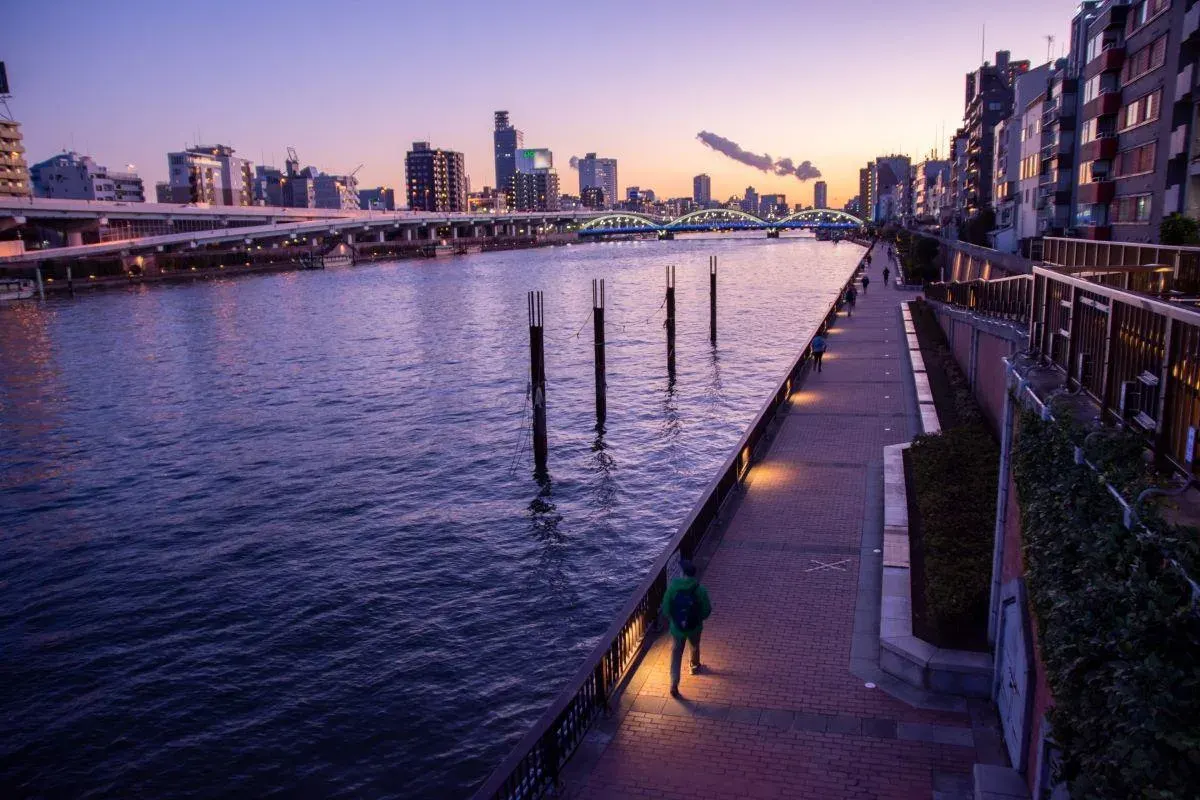
“Stay long enough, and a place stops being somewhere you visited and becomes somewhere you know how to return to.”
One Stop Is Enough — Closing
Then go home. Take the local train one stop back to Kinshicho, carrying nothing that needs to be checked off a list. The afternoon has not completed Ryogoku. It has done something more useful. It has made Ryogoku nearby. Next time, you may skip the museum and go directly to the river. You may return for lunch with someone else. You may get off at the same station on a colder day and notice a street you ignored this time. The route can change because the distance does not. This is one of the quiet advantages of staying in Tokyo long enough to build a life between the famous places. The map begins with stations and landmarks, but familiarity grows elsewhere: in the train you no longer have to check, the corner you recognize, and the knowledge that home is only one stop away. Some parts of Tokyo become yours through effort. Others begin with an ordinary afternoon.