The 15-Minute Tokyo Around HIVEN
A slower map of Kinshicho from HIVEN: literary traces, a small feudal shrine, a neighborhood concert hall, and a green edge that proves Tokyo can become larger without going farther.

Written by Hive Heaven
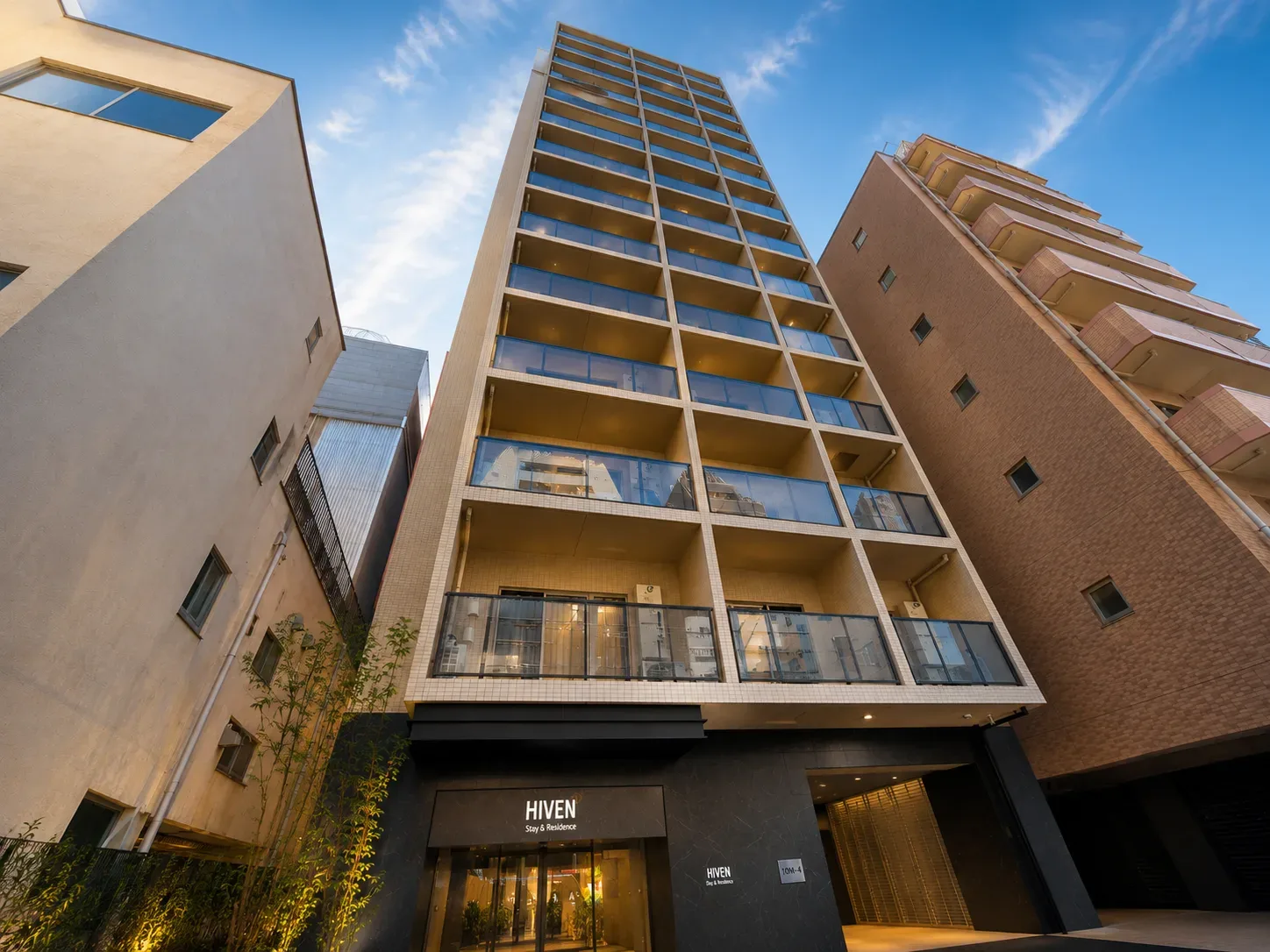
The first map you make in Tokyo is usually too large. It includes train lines, famous crossings, museums across town, restaurants saved from other people’s lists, and neighborhoods you may not return to twice. A longer stay asks for another kind of map. Start at HIVEN in Kotobashi. Do not open the whole city. Draw only three circles: five minutes, ten minutes, fifteen minutes. Then ask what each distance gives you. Around Kinshicho, the answer is stranger than expected. A station plaza remembers a writer who once ran a pasture here. A small Inari shrine carries the trace of a feudal estate. A concert hall sits quietly behind glass. A spa hides above a commercial building. Farther out, the streets loosen toward Sarue, where a shrine and a park mark the green edge of a weekday walk. None of these places need to become major destinations. That is their usefulness. The 15-minute Tokyo around HIVEN is not a checklist. It is a way to understand how much of the city is already close enough to become familiar.
Five Minutes: The City Is Already Layered
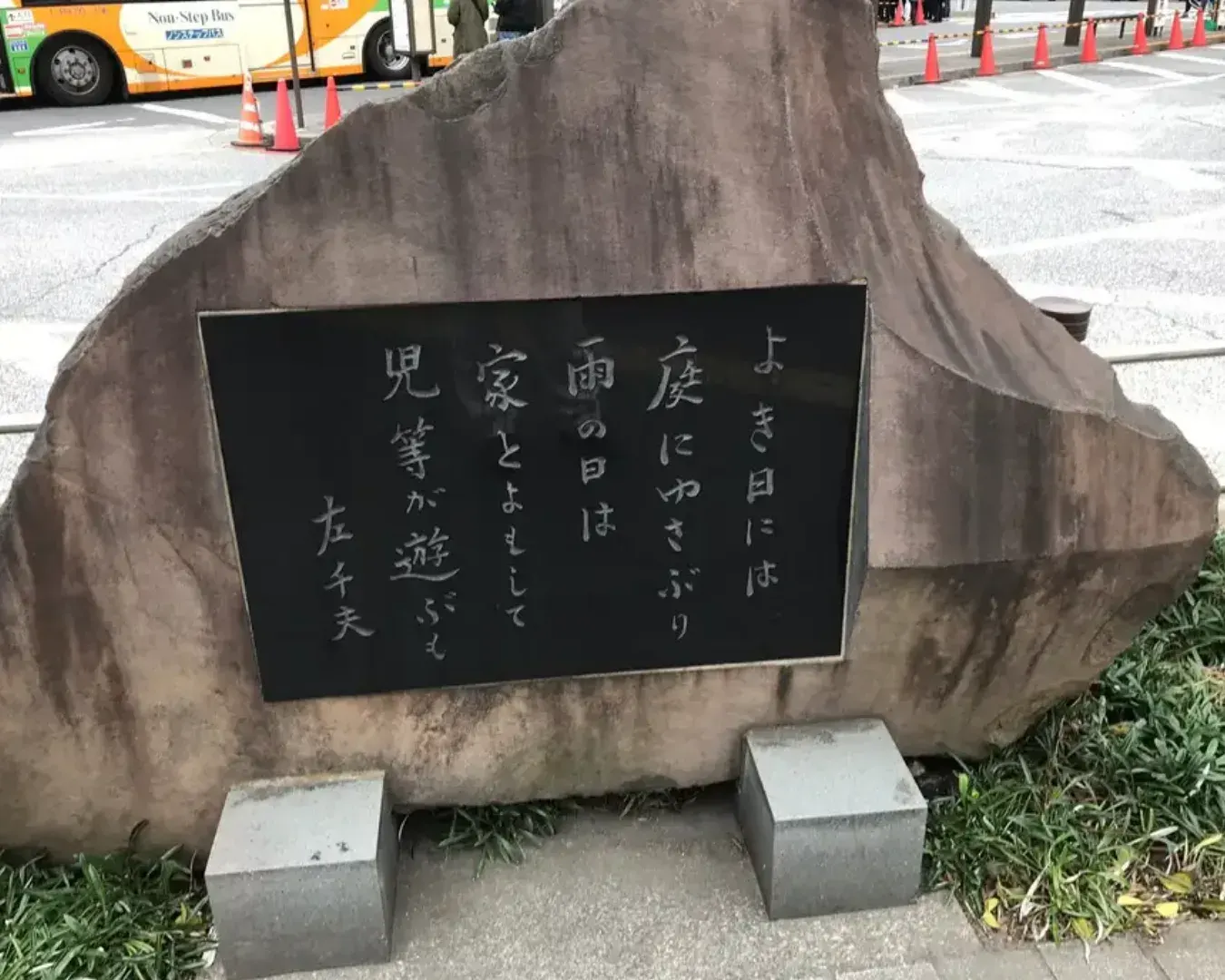
Begin by walking toward Kinshicho Station, but do not treat the station only as transit. On the south side, close to the Tokyo Metro Hanzomon Line A1 exit, a small historical marker records the former pasture and residence of Sachio Ito. The Sumida City Tourism Association explains that Ito moved here in 1889, established a pasture, and operated a dairy business; the site is now the Kinshicho station-front plaza. This is exactly the kind of place a short trip misses. Nothing about the station plaza announces itself as pastoral. Buses move, people cross, buildings reflect the sky, and the neighborhood performs its present-day function with total confidence. Yet the marker changes the ground slightly. The same square becomes a place where milk, literature, and the railway city overlap. The first lesson of the five-minute radius is simple: nearby does not mean shallow. Sometimes the closest discovery is not a café, shop, or park. Sometimes it is a small sign that changes how you read the pavement under your feet.
SACHIO ITO PASTURE AND RESIDENCE SITE
3-14 Kotobashi, Sumida City, Tokyo 130-0022
Open in Google Maps
The Unexpected Indoor Radius
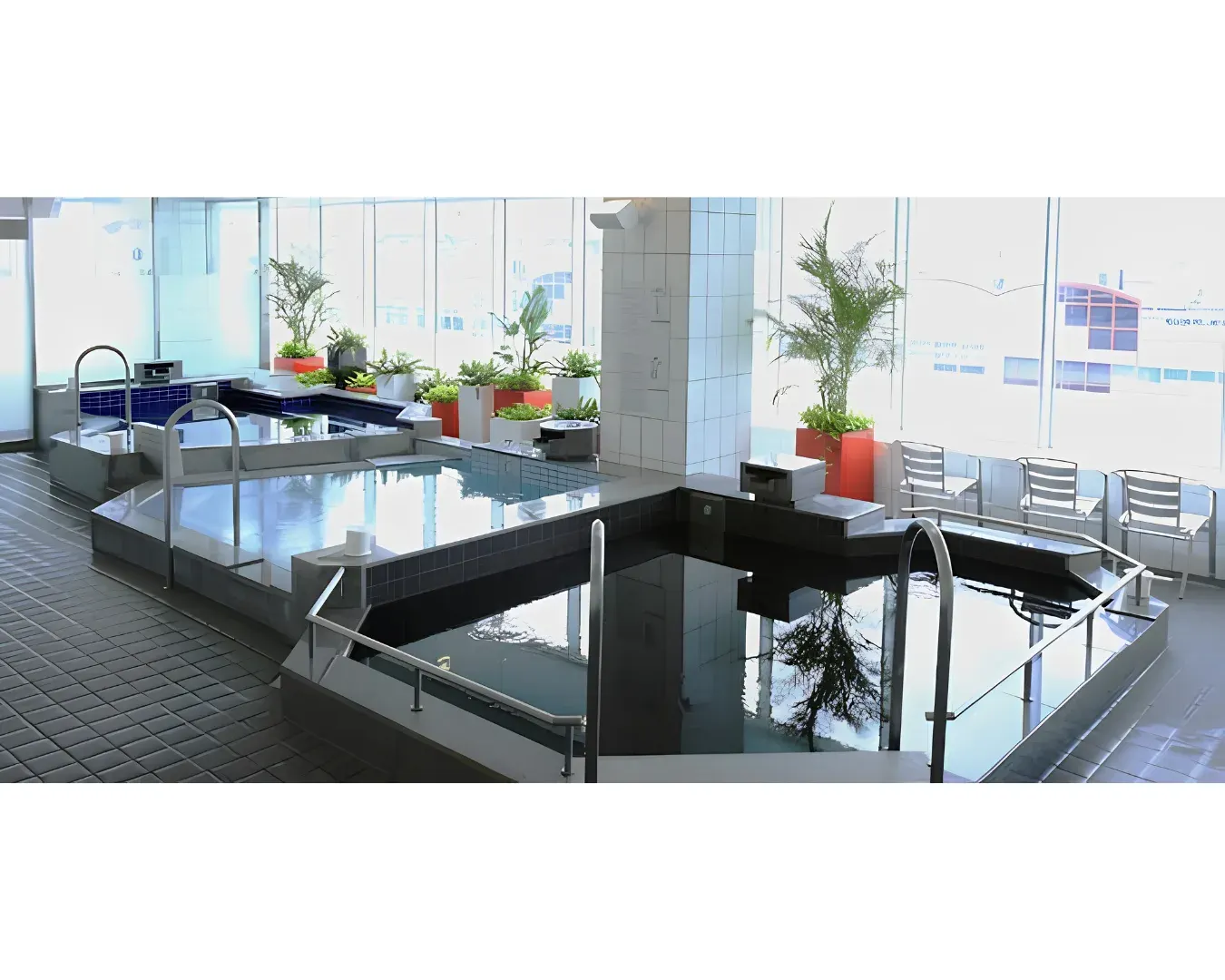
A few minutes away, Kinshicho becomes vertical. The Rakutenchi Building is not a quiet discovery in the usual sense. It is a dense one. Shops, cinema, restaurants, and a spa are stacked above the station-area street life. The official Rakutenchi site describes the building as a Kinshicho complex close to JR Kinshicho Station, with restaurant and cinema information updated through the facility site. Rakutenchi Spa is the unusual part of this radius. It is a male-only natural hot spring and sauna facility on the ninth floor, connected to Kinshicho Station and generally operating overnight, with Sunday closing and Monday reopening times noted by the official facility information. This is not a universal recommendation because the facility is gender-specific. But it reveals something important about the neighborhood. Within the same short walk, Kinshicho can be grocery run, cinema night, last-train backup, bathhouse, and ordinary station district. The point is not to use every layer. The point is to know that the radius has layers at all.
RAKUTENCHI SPA
Rakutenchi Building 9F, 4-27-14 Kotobashi, Sumida City, Tokyo 130-0022
Open in Google Maps
Ten Minutes: Listen for the Neighborhood
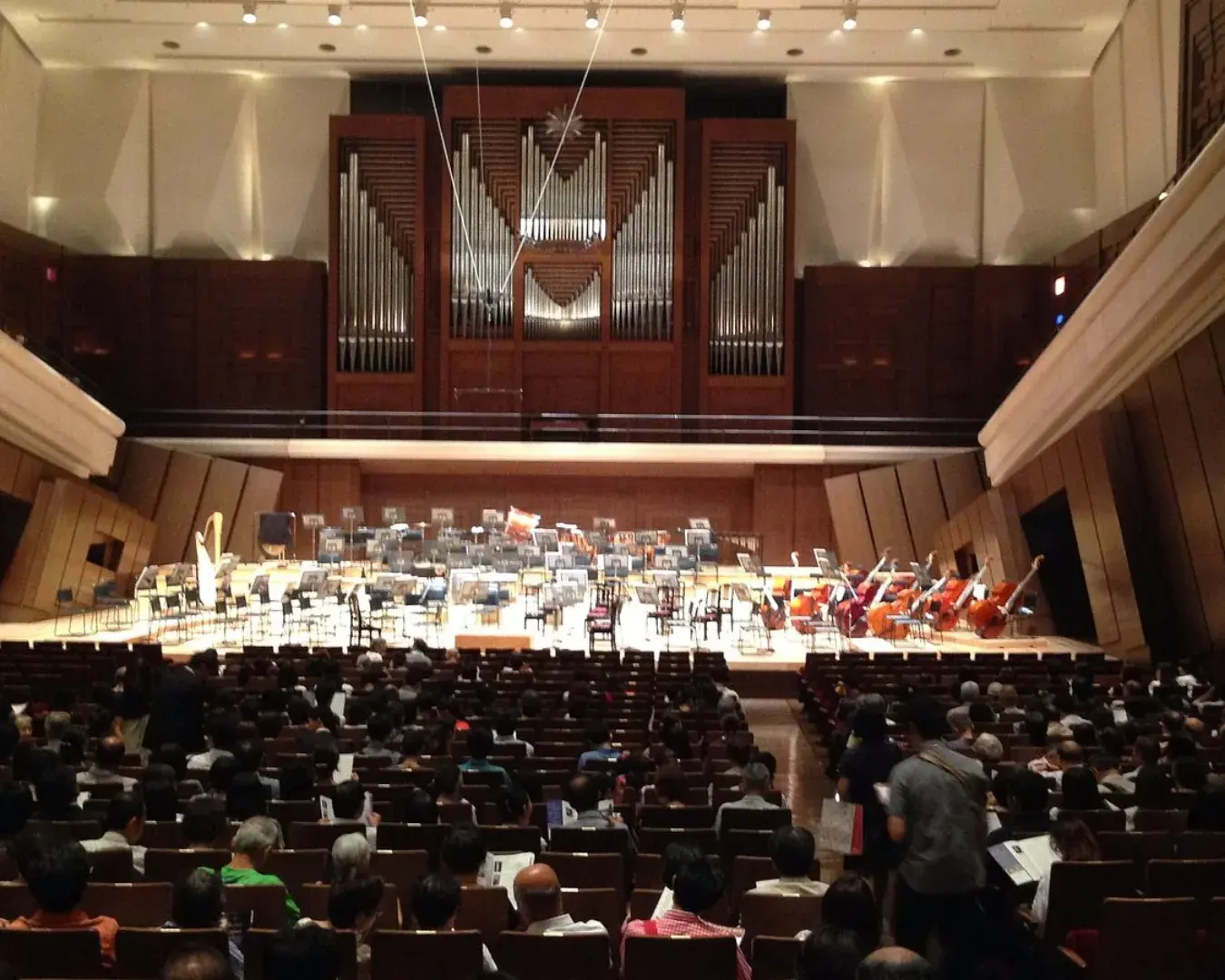
Walk north and the radius changes tone. Sumida Triphony Hall does not behave like a tourist landmark. It is a cultural building that becomes more meaningful when you pass it more than once. GO TOKYO describes the hall as home to the New Japan Philharmonic Orchestra, with a 1,801-seat main auditorium and a 252-seat smaller hall. The official hall site lists the address as 1-2-3 Kinshi, Sumida City. Even if you do not attend a concert, the building changes the north side of Kinshicho. Glass, brick, stairs, posters, and evening light make it feel like music is one of the neighborhood’s normal materials. A long stay gives you enough time to notice that. You do not need to book a performance today. Stop outside. Read the posters. Check the calendar another evening. Let the hall become a possibility rather than a task.
SUMIDA TRIPHONY HALL
1-2-3 Kinshi, Sumida City, Tokyo 130-0013
Open in Google Maps
“A radius is not a limit. It is a way to notice what was already close.”
Ten Minutes: A Small Shrine With a Long Memory
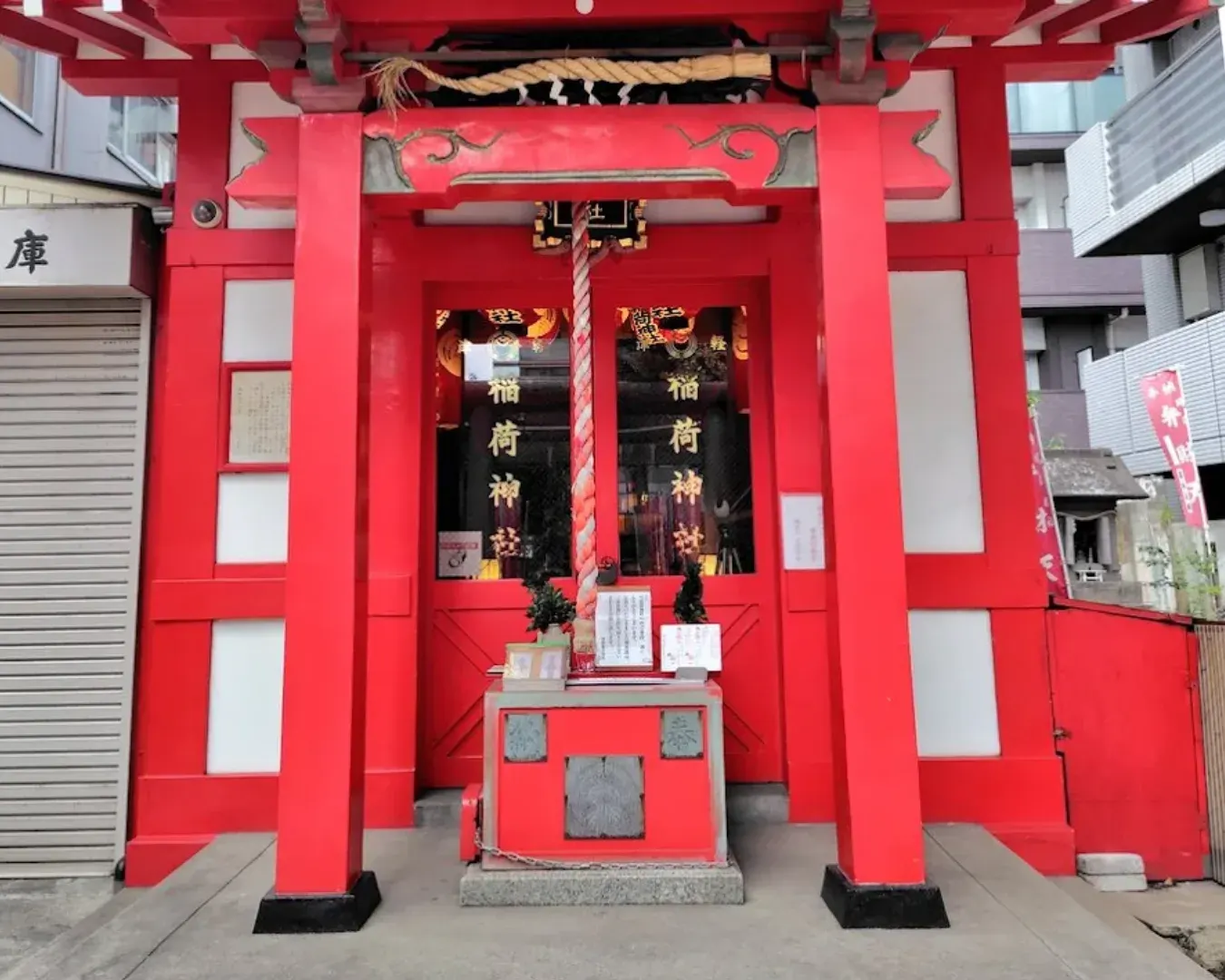
Continue a little farther, and the city folds again. Tsugaru Inari Shrine is small enough to miss if you are walking too quickly. The Sumida City Tourism Association identifies it as the site of the former middle residence of the Tsugaru domain, explaining that the Inari shrine remained after the estate was withdrawn in the Meiji period and the area later changed use. It is not a grand shrine. That is why it works in this article. The red banners stand close to ordinary buildings. The fox guardians face a street that now belongs to offices, apartments, traffic, and lunch breaks. The history is not packaged. It has simply stayed. This is one of the quiet pleasures of a month-long stay: walking past something once, not understanding it, then returning after you have learned its name. The shrine does not ask for much time. It asks for a slower eye.
TSUGARU INARI SHRINE
1-6-12 Kinshi, Sumida City, Tokyo 130-0013
Open in Google Maps
Fifteen Minutes: The Green Edge
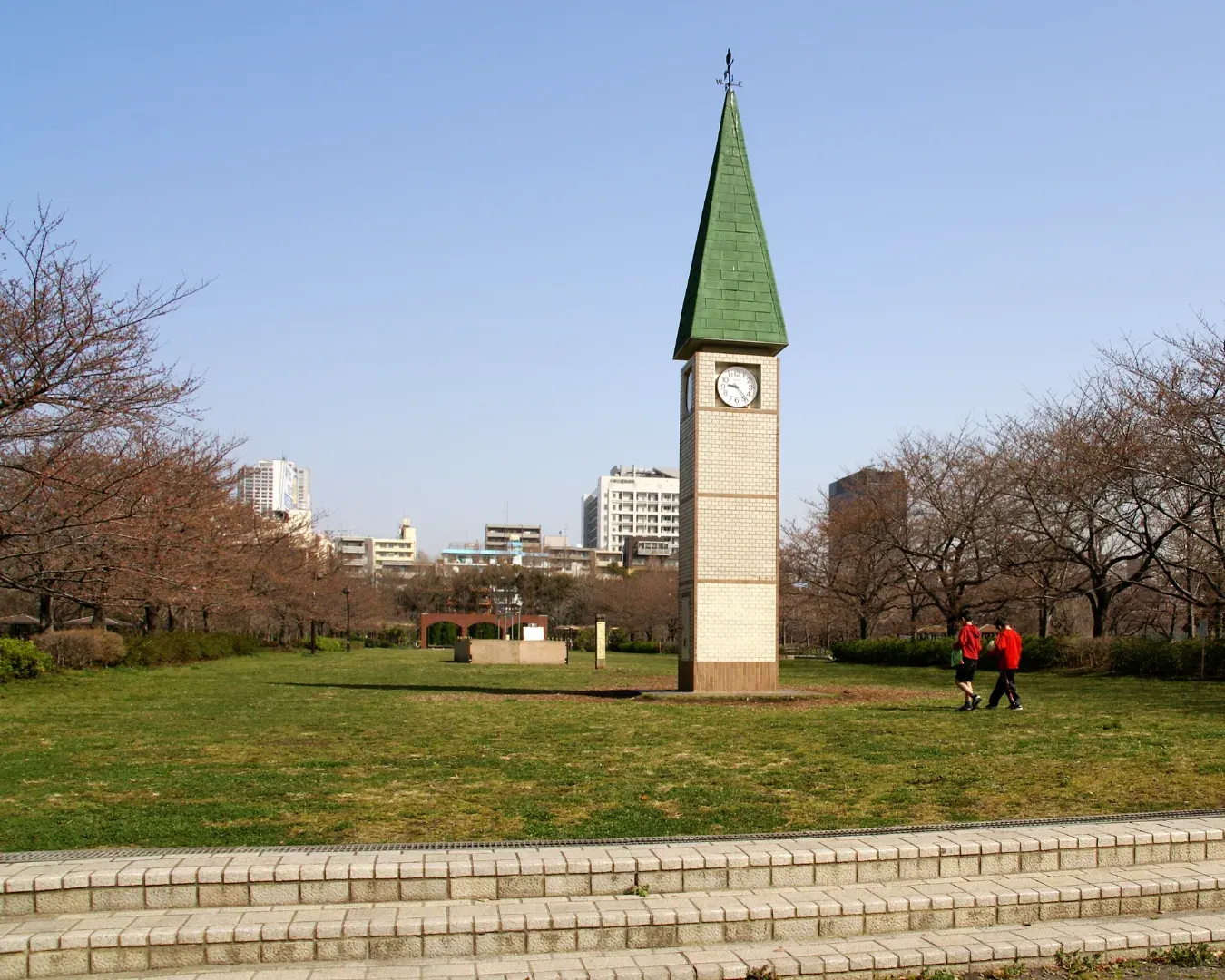
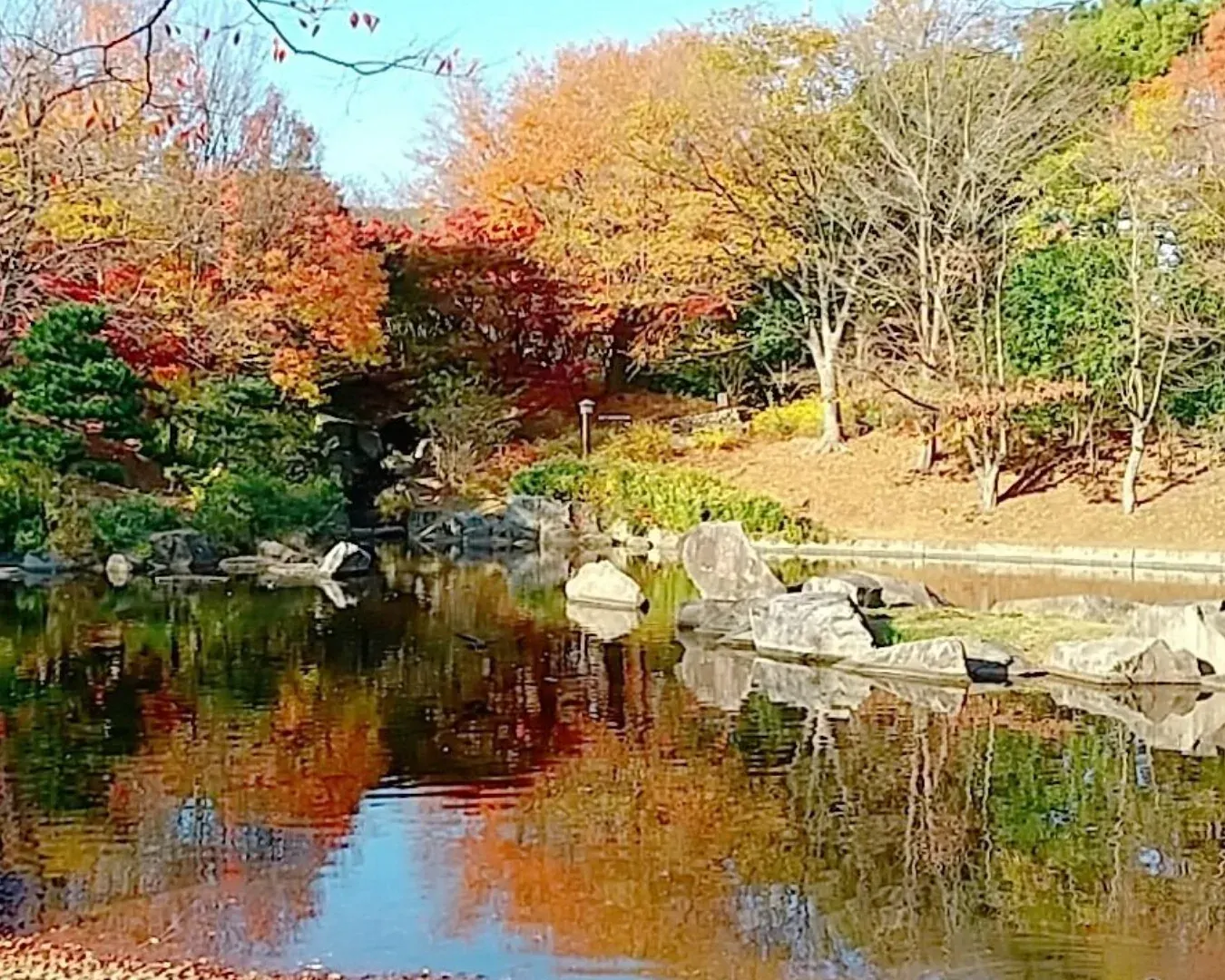
The fifteen-minute edge should feel different. Walk south and east toward Sarue. The station buildings loosen. The streets become more residential. The route starts to feel less like Kinshicho’s commercial center and more like the part of Tokyo that daily life needs in order to breathe. Sarue Shrine gives the edge a name before the park opens it into space. The official shrine site lists the address as 2-2-17 Sarue, Koto City, and identifies Sumiyoshi Station on the Hanzomon and Toei Shinjuku lines as the nearest rail access. Beyond it, Sarue Onshi Park expands the radius. The Tokyo Metropolitan Park Association identifies Sarue Onshi Park as a metropolitan park managed through the eastern park group, with a service center and public facilities. A current English listing describes the park as open at all times, free to enter, and located at 2-13-7 Mori, Koto City. This is where the 15-minute map proves itself. You have not gone far. But the neighborhood has changed material: from station plaza to shrine stone, from glass hall to trees, from errands to water and shade. The longer you stay, the more valuable this edge becomes.
SARUE SHRINE
2-2-17 Sarue, Koto City, Tokyo 135-0003
Open in Google Maps
SARUE ONSHI PARK
2-13-7 Mori, Koto City, Tokyo 135-0001
Open in Google Maps
Map the Discoveries
When you return to HIVEN, do not think of the walk as finished. Mark it. Put the places into three groups. The first is the practical five-minute city: station, food, bath, cinema, the place where an errand can become a reset. The second is the ten-minute city: music, small shrines, signs you only notice after your second week. The third is the fifteen-minute city: the edge where the neighborhood becomes park, shade, and a longer breath. A visitor makes a list of places. A resident makes a map of returns. That is the difference this route is trying to teach. You may not need Sarue Onshi Park every day. You may never enter Rakutenchi Spa. You may pass Sumida Triphony Hall many times before finally checking the concert calendar. You may forget the Sachio Ito marker until someone visits and you point it out as if you have always known it. That is how a radius becomes yours.
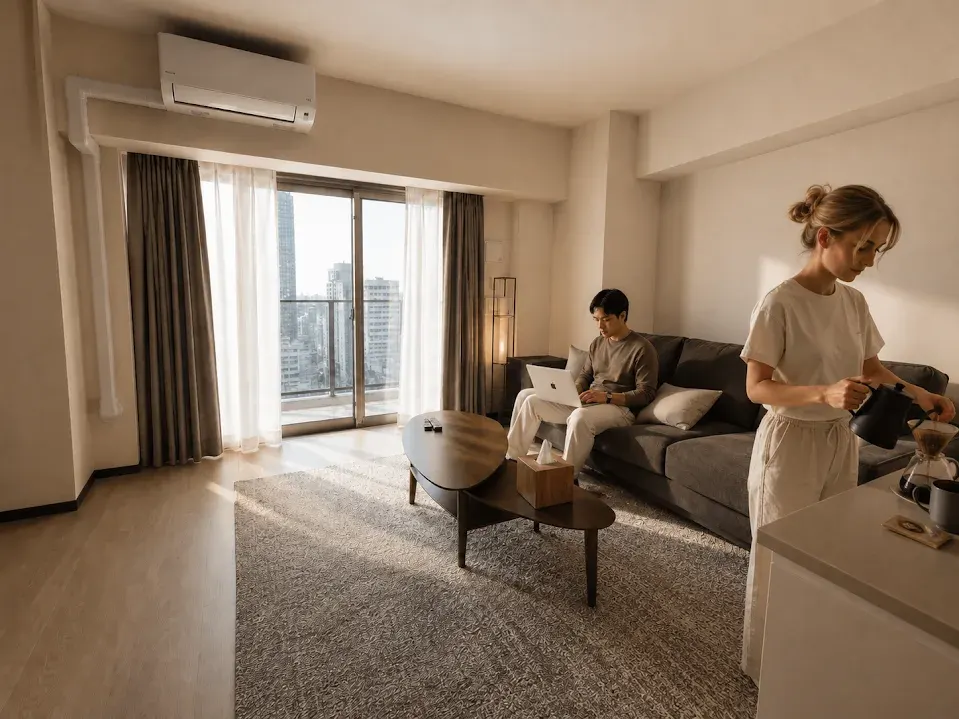
“Stay long enough, and distance stops being measured only in minutes. It starts being measured in how naturally you return.”
Choose the Distance You Can Repeat
The most useful radius is not always the largest one. Some days, five minutes is enough. You notice the station plaza differently. You learn which building can hold a rainy evening. You go out and come back before the day turns into a project. Other days, ten minutes gives the neighborhood another register: music behind glass, a shrine between buildings, a small historical trace that makes Kinshicho less flat. And sometimes fifteen minutes is the distance you need. Not for achievement. For air. Sarue does not feel far from HIVEN, but it feels different enough. That difference is the value. It reminds you that Tokyo does not have to be crossed in order to change texture. A month in the city is not only about finding the famous places. It is about drawing smaller circles and learning what each one gives back. By the time you know your favorite radius, Kinshicho is no longer simply where you are staying. It is the part of Tokyo you can measure on foot.