Visiting Tokyo During Rainy Season? What to Pack and Check
Pack for wet shoes and changing plans, learn Tokyo’s rainy-season timing, and check the room features that make rainy evenings easier.

Written by Hive Heaven
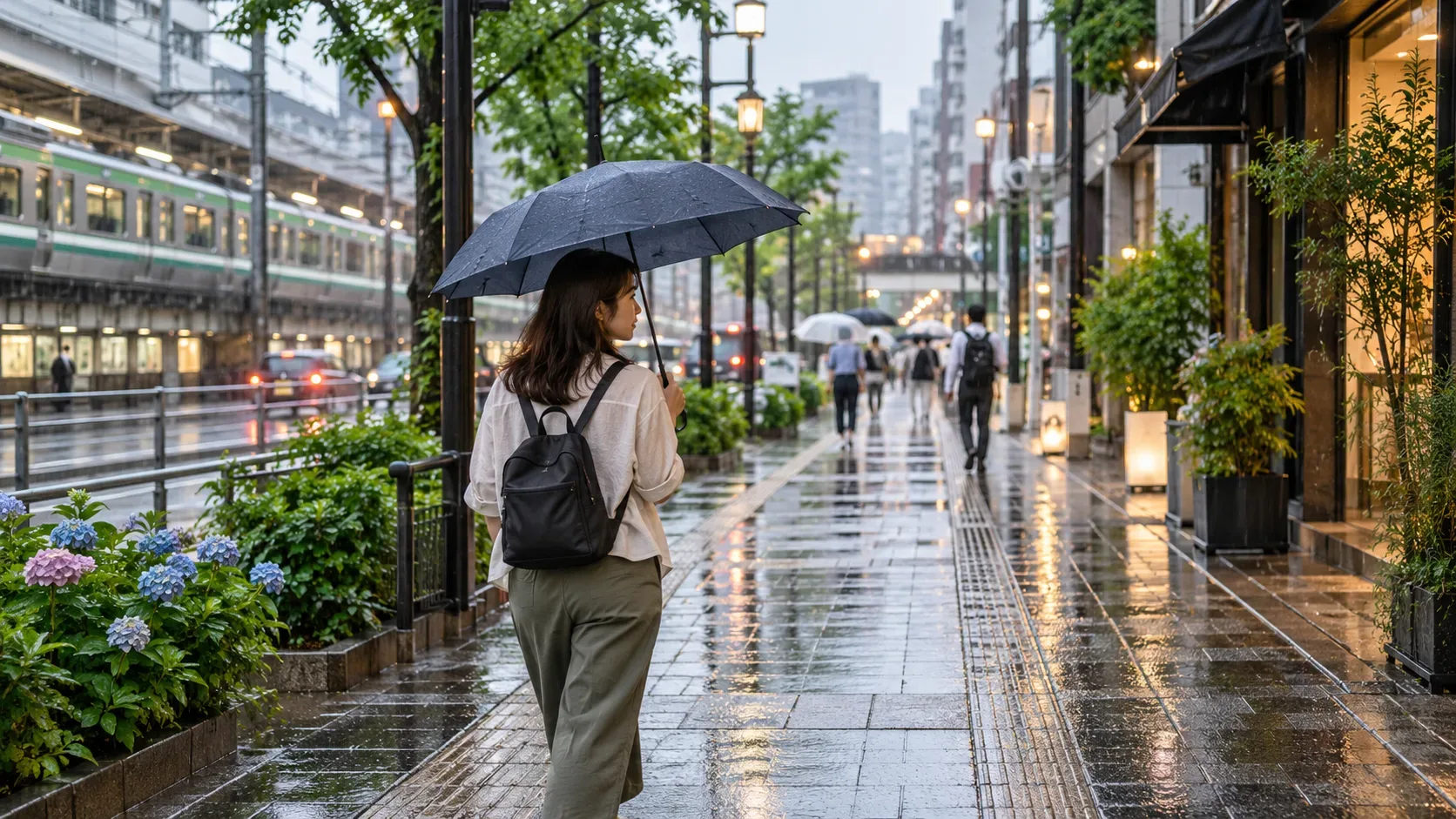
Tokyo rainy-season travel works best with comfortable wet-weather footwear, clothing you can rotate, and flexible plans. Bring or buy your own umbrella unless your accommodation explicitly confirms a loan service. A room where you can manage wet belongings is especially useful when a short visit becomes several weeks.
IMAGE SLOT — Cover after the introduction. Suggested alt: A traveler carrying an umbrella on a wet Tokyo pavement. Suggested caption: Plan for the walk between the station and your destination. Upload a licensed file belonging to this new Draft.
When should travelers expect rainy-season conditions?
For Tokyo’s Kanto-Koshin region, JMA’s normal rainy-season window is roughly early June to the latter part of July. [1] It is a planning reference, not a daily rain forecast. JMA explains that rainy-season timing varies by region and year. [2]
Look at forecasts for the places you will actually visit, not only a monthly weather icon. A day trip outside Tokyo may need a different plan. Before leaving each morning, check warnings and transport notices as well as the chance of rain.
What belongs in a practical packing list?
✓ An umbrella you can carry comfortably, or a plan to purchase one. ✓ A light rain layer suitable for your own comfort in warm weather. ✓ Shoes with useful grip that you have already worn. ✓ Spare socks and clothes that do not depend on overnight drying. ✓ A small towel and a separate bag for temporarily carrying wet items. ✓ Protection for documents and electronics.
A wet-item bag is for transport, not long-term storage: unpack it on arrival. Two workable pairs of shoes can be more useful than one brand-new pair marketed for travel. Test your footwear before the trip and leave space in your luggage for the return journey.
How can you plan a day without spending it in transit?
Group activities by area so a rain shower does not turn each change of plans into another long journey. Put a museum, shop or café near the outdoor stop you care about, and confirm current opening hours directly before visiting. An indoor alternative still needs its own booking or entry check.
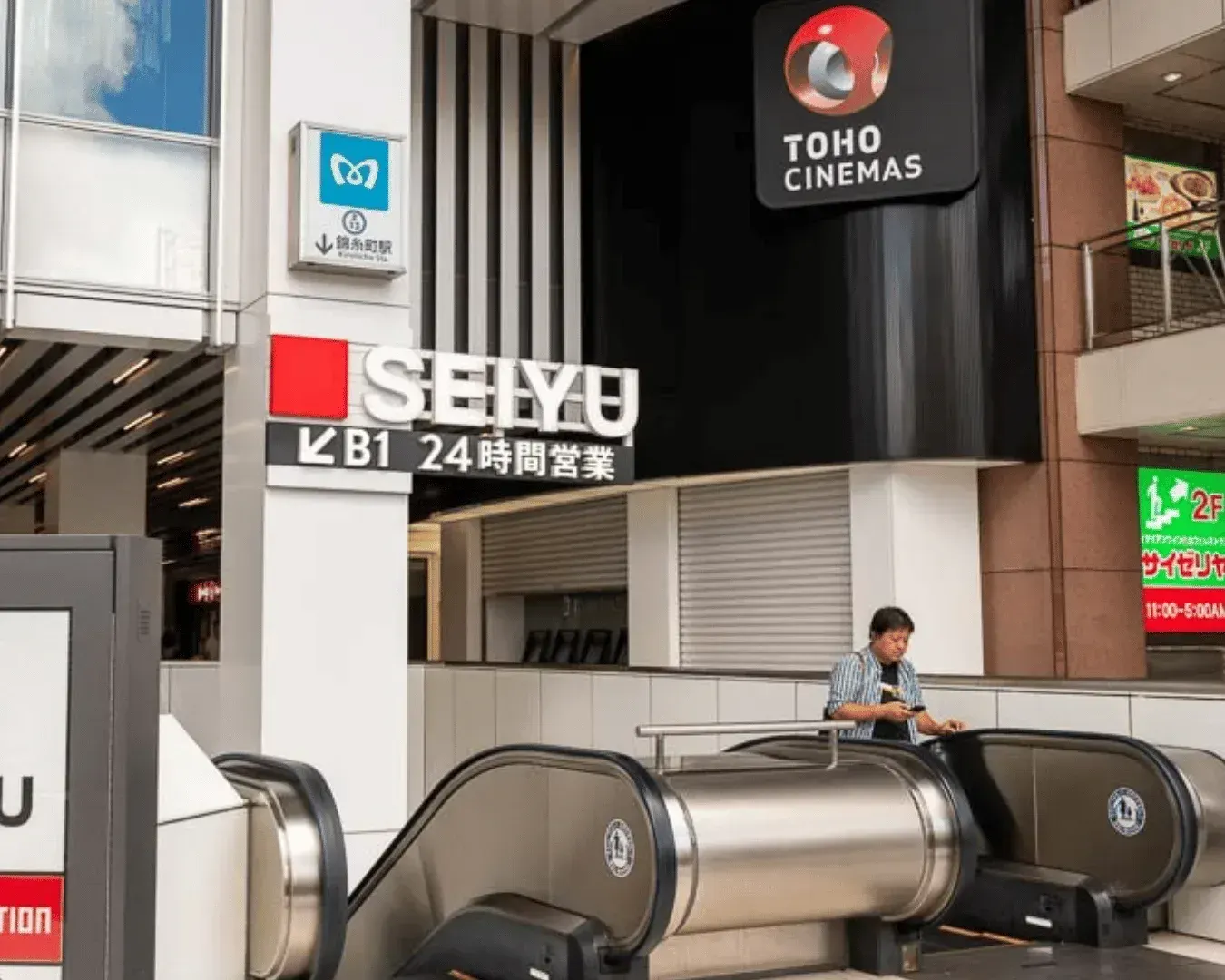
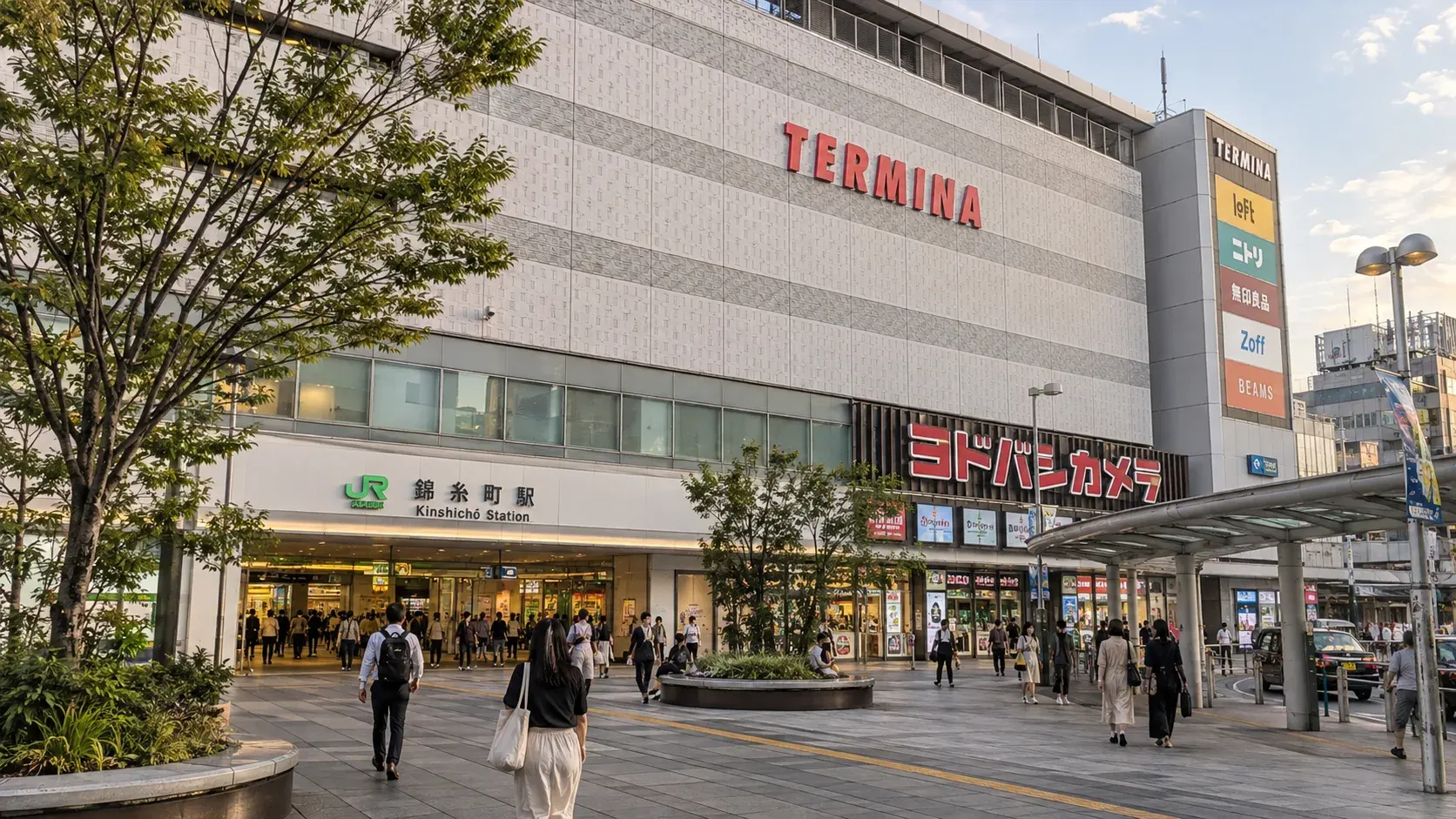
Station exits can matter as much as the station name. Inspect the final walk to your accommodation, particularly if you have luggage. Do not assume that every connection is covered or that an umbrella makes severe weather safe to walk through.
Which room features make rainy evenings easier?
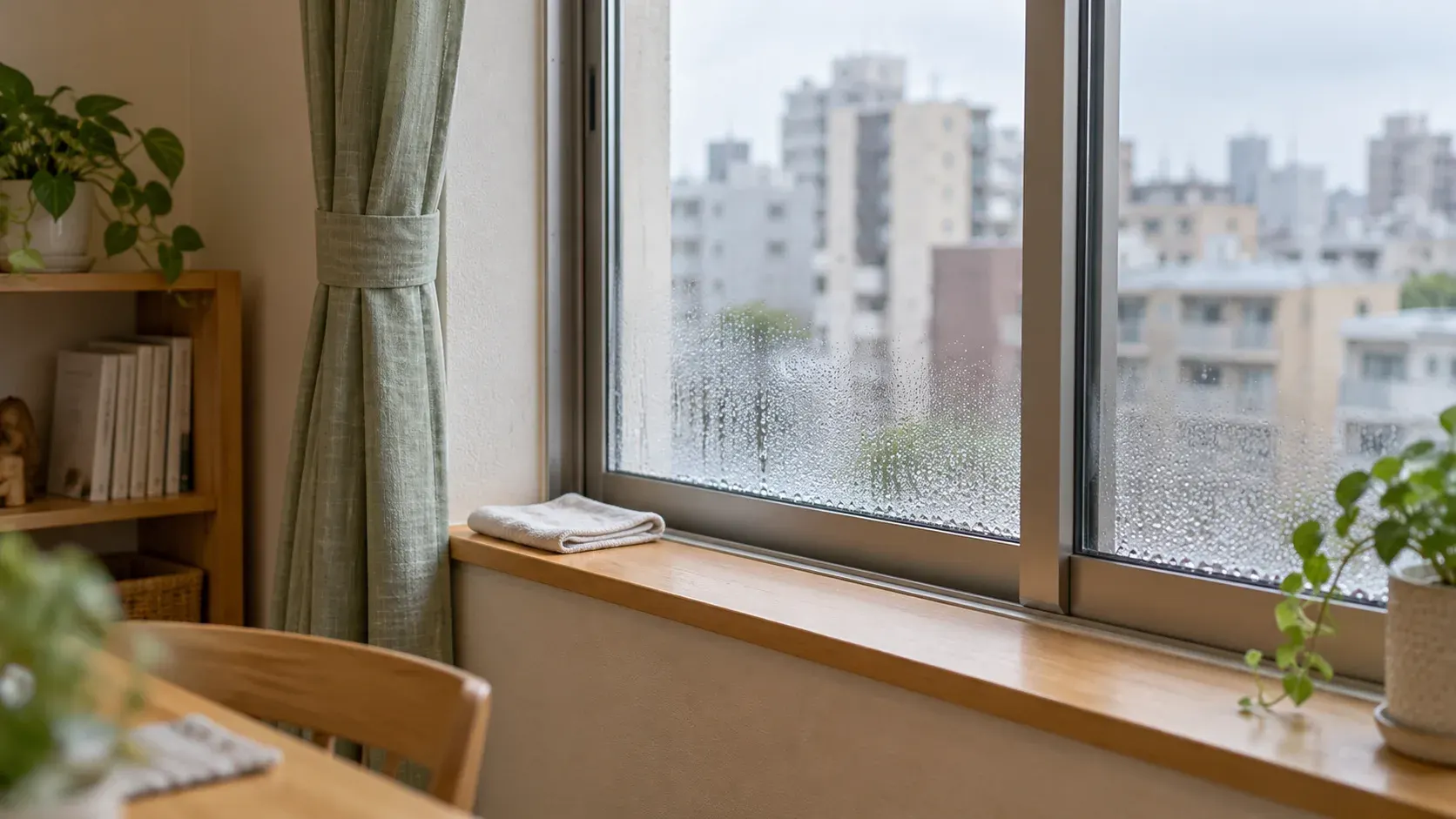
Ask where shoes and umbrellas can dry without damaging surfaces, where laundry can hang, and how to operate ventilation. For a serviced apartment in Tokyo, confirm these practical details at the individual-room level.
HIVEN BK501 publicly lists air conditioning and in-unit laundry. [3] These are useful features to evaluate for a longer trip, but this guide does not verify umbrella provision, a dehumidifier or bathroom drying equipment. If any of those determine your booking, request a current answer before paying.
What changes when you stay for a month?
On a short trip, spare outfits may cover most wet days. Over several weeks you need a repeatable wash-and-dry routine, a way to keep luggage dry, and a backup for bad-weather errands. Build a little time into the schedule for ordinary life rather than planning every evening as a sightseeing slot.
Also check the minimum stay. A residence marketed for long stays may not fit a weekend itinerary; HIVEN’s residence offering starts from 29 nights. [4] Compare the correct accommodation type for the dates you actually need.
FAQ
Will it rain all day throughout tsuyu?
Not necessarily. Seasonal timing does not predict a particular day. Use current local forecasts to decide when to walk and when to change plans.
Does HIVEN provide umbrellas?
That service was not verified in the public information reviewed. Bring your own or plan to obtain one.
Are waterproof shoes essential?
Choose footwear suited to your route, weather and comfort. Grip, fit and a backup pair are practical considerations; no single style works for everyone.
Is a long-stay residence suitable for a three-night trip?
Check the actual booking terms. HIVEN’s residence minimum is 29 nights, so that offering does not fit a three-night stay.