Mold in Japanese Apartments: Where to Look and How to Prevent It
Learn where moisture collects in a Tokyo apartment, build a prevention checklist, and know when to report mold or leaks to the property manager.

Written by Hive Heaven
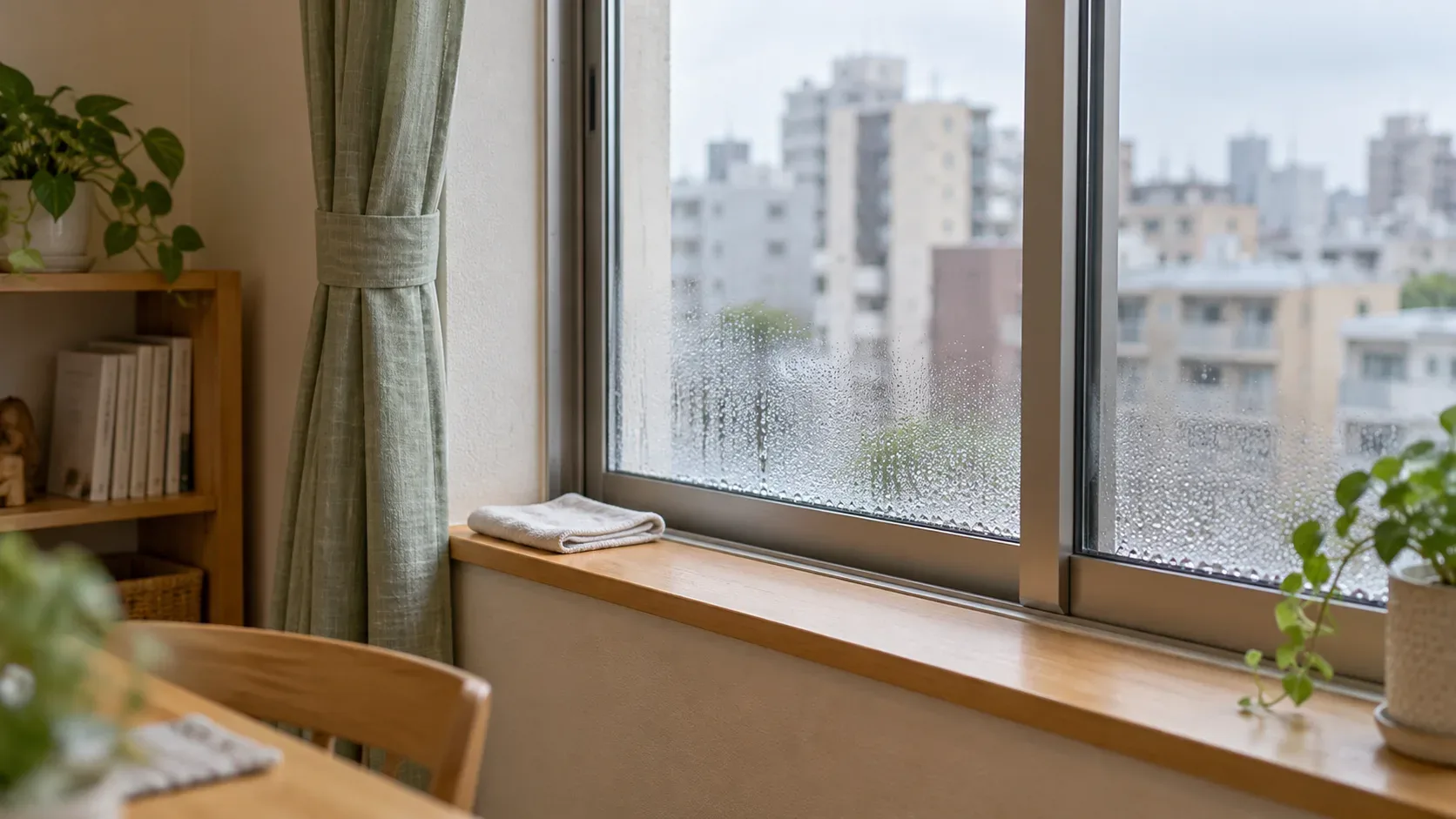
Preventing mold in a Japanese apartment starts with finding and controlling moisture. Look at wet areas, condensation-prone surfaces and enclosed storage, then establish a routine for drying and reporting problems. A musty smell deserves attention even when the rest of the room looks tidy.
Tokyo Metropolitan Government guidance places moisture management and cleaning at the center of prevention. [1][2] No accommodation category or appliance can by itself guarantee a mold-free room.
Where should you check in the first few days?
Make a simple room-by-room inspection without moving fixed furniture or dismantling equipment:
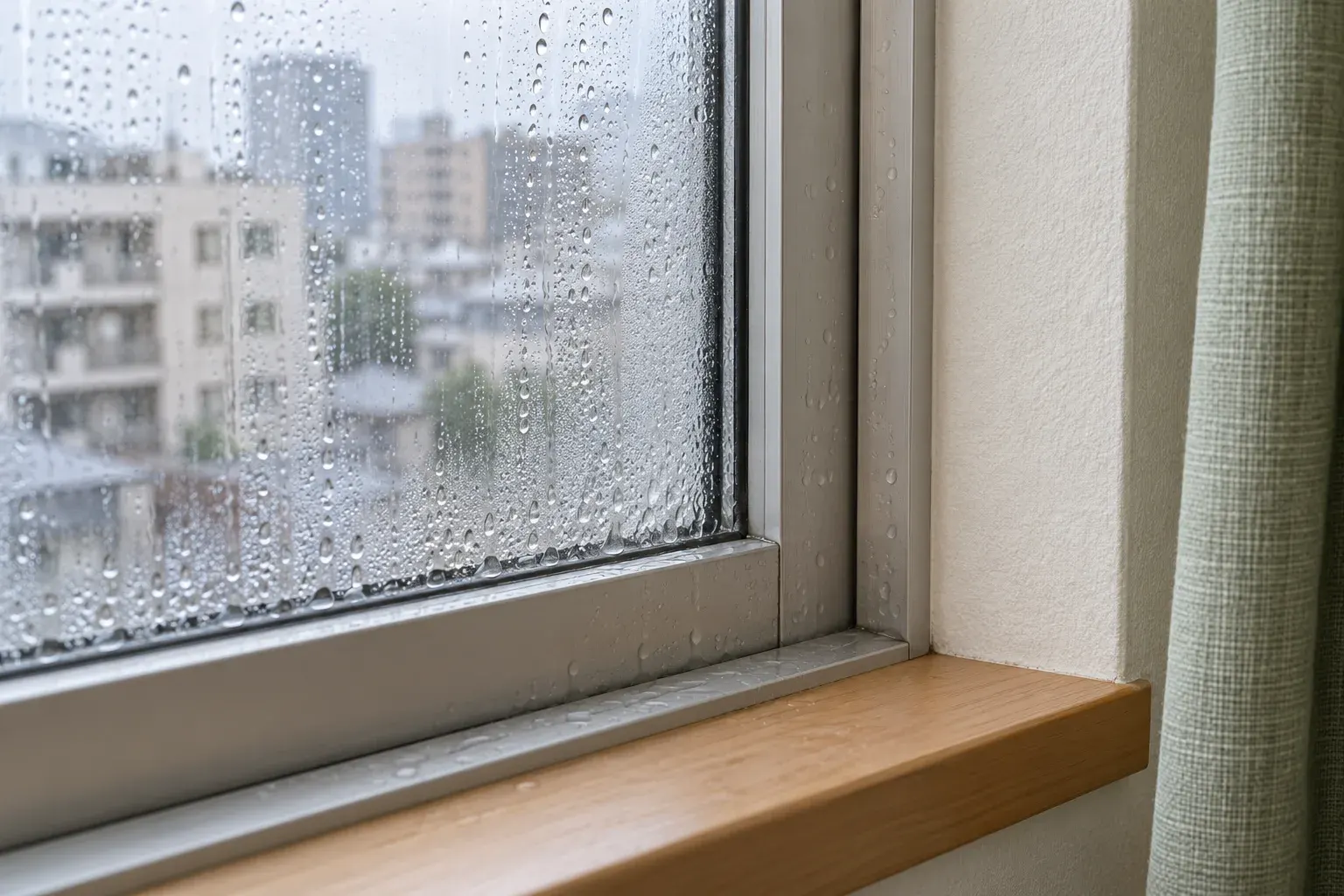
✓ Bathroom corners, sealant and surfaces that stay wet. ✓ Around the sink and visible plumbing for drips. ✓ Window frames and nearby wall surfaces. ✓ Accessible wardrobe corners and the backs of stored bags. ✓ The area around the washing machine.
Tokyo’s mold guidance identifies water-use areas and poorly ventilated storage as common problem locations. [1] An inspection is not a diagnosis of hidden contamination. Photograph anything concerning and ask the manager to investigate.
What daily habits make the room easier to manage?
Wipe up splashes, spread towels so they can dry, and avoid pressing belongings against a damp wall. Keep storage usable rather than tightly packed. Use kitchen and bathroom extraction as instructed; do not turn a bathroom into a permanent source of steam for the rest of the room.
For a long stay in Tokyo, connect each check to an existing habit: inspect the bathroom after showering and the window before leaving. This makes it easier to notice a change without turning the entire stay into a cleaning project.
What should you do if mold keeps returning?
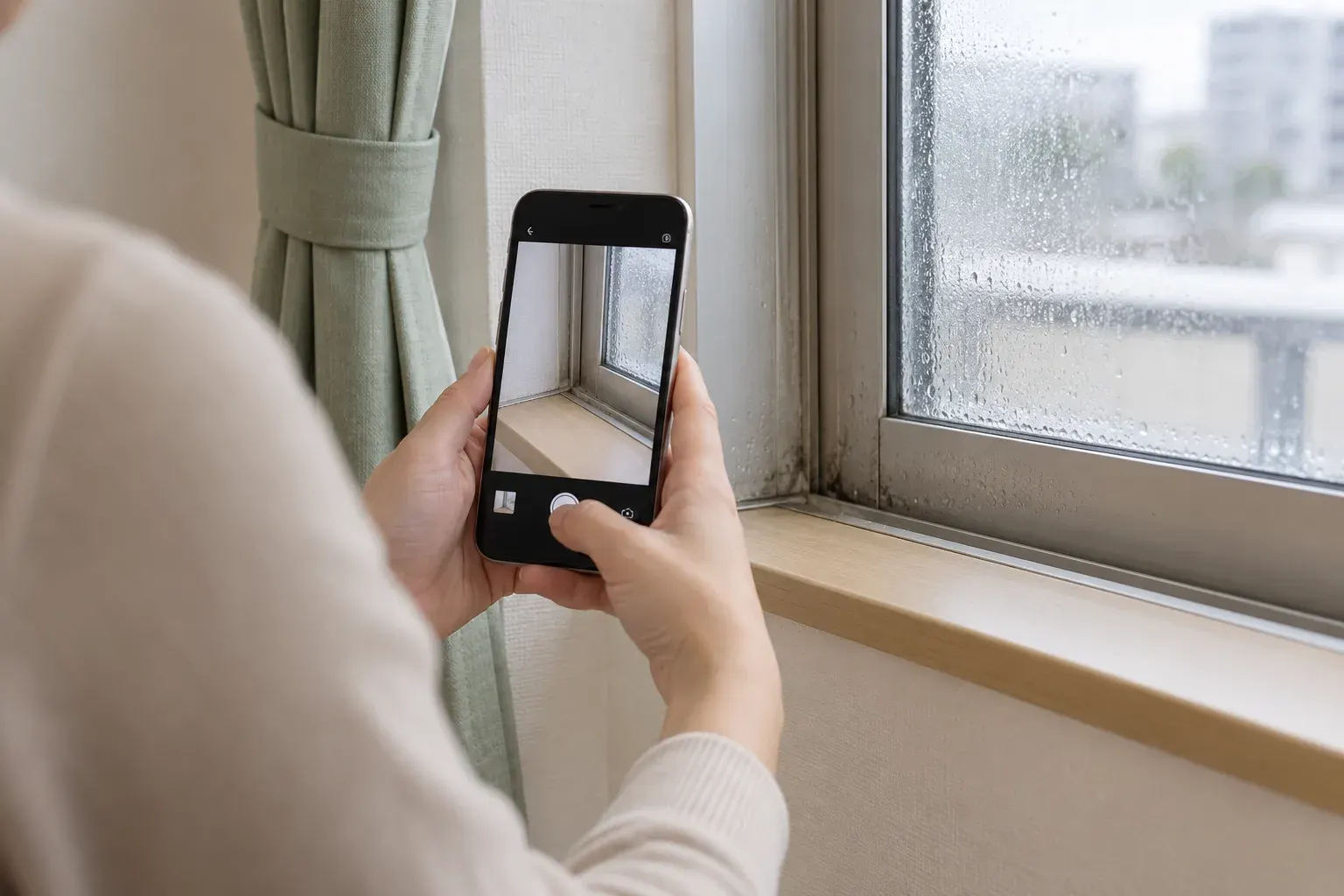
Repeated growth in the same place, a leak, a spreading stain or an air-conditioning smell needs a maintenance response. Cleaning the surface alone cannot repair a water source. Send the manager the location, photographs, when you first noticed it and whether it changes after rain or appliance use.
Do not scrub dry material aggressively, open wall cavities or spray chemicals into an air conditioner. In rented accommodation, agree on the appropriate response before treating surfaces that could be damaged. People with asthma or other relevant health concerns should seek individual medical advice about exposure and cleanup. [3]
Is bleach the answer to every patch?
No. The surface, extent and cause matter. Follow the product label and the property manager’s instructions for any permitted small cleaning task. CDC warns never to mix bleach with ammonia or other cleaners. [3] More chemicals are not a substitute for correcting persistent moisture.
If contamination is extensive, hidden, recurrent or associated with damaged materials, ask for professional assessment rather than attempting a cosmetic fix. Avoid describing a room as safe solely because an odor has been masked.
What can you check before choosing a residence?
Ask who handles leaks, ventilation faults and recurring mold, and how quickly a guest can report them. For a monthly apartment, this support process matters alongside the advertised equipment.
HIVEN publicly advertises weekly cleaning for its residence offering. [4] Confirm the scope and schedule; routine cleaning does not establish specialist mold remediation. A dedicated HIVEN dehumidifier or bathroom dryer is not verified in the information reviewed for this guide.
FAQ
Is mold unique to Japanese apartments?
No. Moisture and suitable growth conditions matter in homes in many countries. Treat the actual room condition rather than making assumptions from its location.
Does a clean-looking room rule out mold?
No. Check persistent odors, damp surfaces and visible changes, and report concerns. Hidden problems require assessment.
Should I buy equipment before reporting a leak?
Report the leak first. An appliance cannot repair the underlying water source, and the property manager needs to know about damage.
Can weekly housekeeping replace daily moisture checks?
No. Deal with fresh water and wet belongings as they occur, and report recurring problems between scheduled visits.