The ¥1,000 Afternoon Challenge
A small Kinshicho experiment from HIVEN: one coffee, two simple sweets, a free neighborhood discovery, and a final receipt that proves an ordinary afternoon can still feel generous.

Written by Hive Heaven
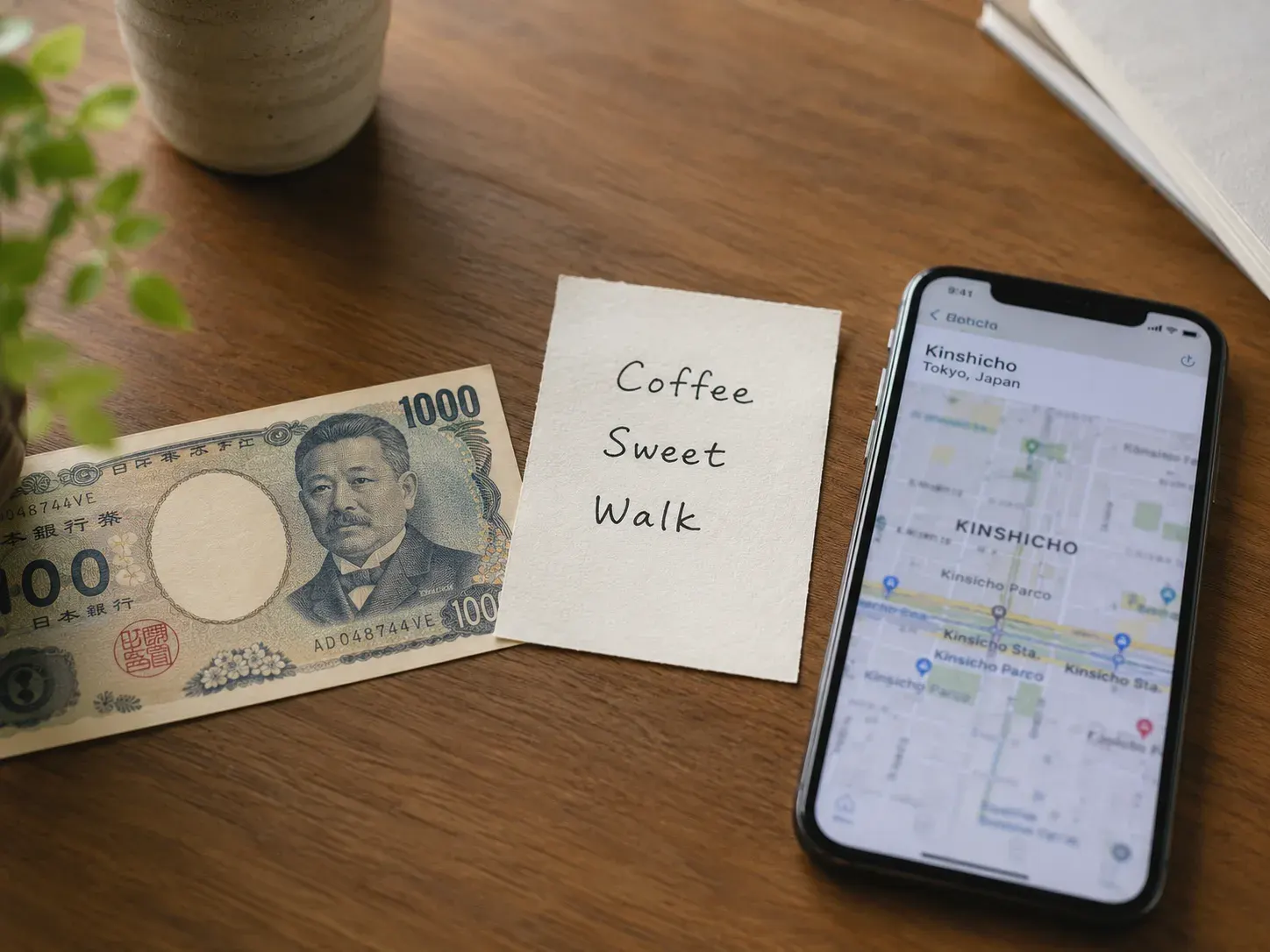
A good Tokyo afternoon does not always begin with a reservation. Sometimes it begins with a rule. Today’s rule is simple: leave HIVEN with a ¥1,000 budget and see how much of an ordinary Kinshicho afternoon it can hold. Not a meal. Not a shopping trip. Not a list of bargains. Just a drink, a snack, a short walk, and one small discovery that costs nothing. The challenge is not to spend as close to ¥1,000 as possible. The challenge is to see what happens when you stop using price as the measure of whether an afternoon was worth leaving the room for. In a longer stay, this matters. You cannot live every day like a special outing. Some afternoons have to be light, repeatable, and easy to decide. Coffee. Something sweet. A walk. A receipt you can understand. Kinshicho is good for that kind of experiment.
Set the Budget Before the Route
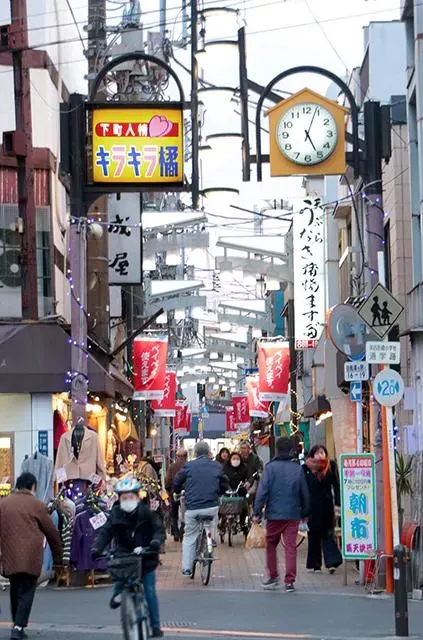
Start with the money before choosing the places. Put ¥1,000 in your pocket or set the same limit in your notes app. The number should feel small enough to create decisions, but not so small that the afternoon becomes a punishment. From HIVEN, walk toward Kinshicho Station and then toward the north side. The route works best when it stays close: first coffee near Kinshi Park, then sweets on the south side inside Seiyu, then one free visual discovery at the north exit before heading home. The budget does something useful. It removes the pressure to optimize. You are not looking for the best café in Tokyo. You are not hunting down the most famous dessert in the area. You are simply asking a smaller question: What can this neighborhood give you, today, without turning the afternoon into a project?
First Stop: Coffee That Leaves Room
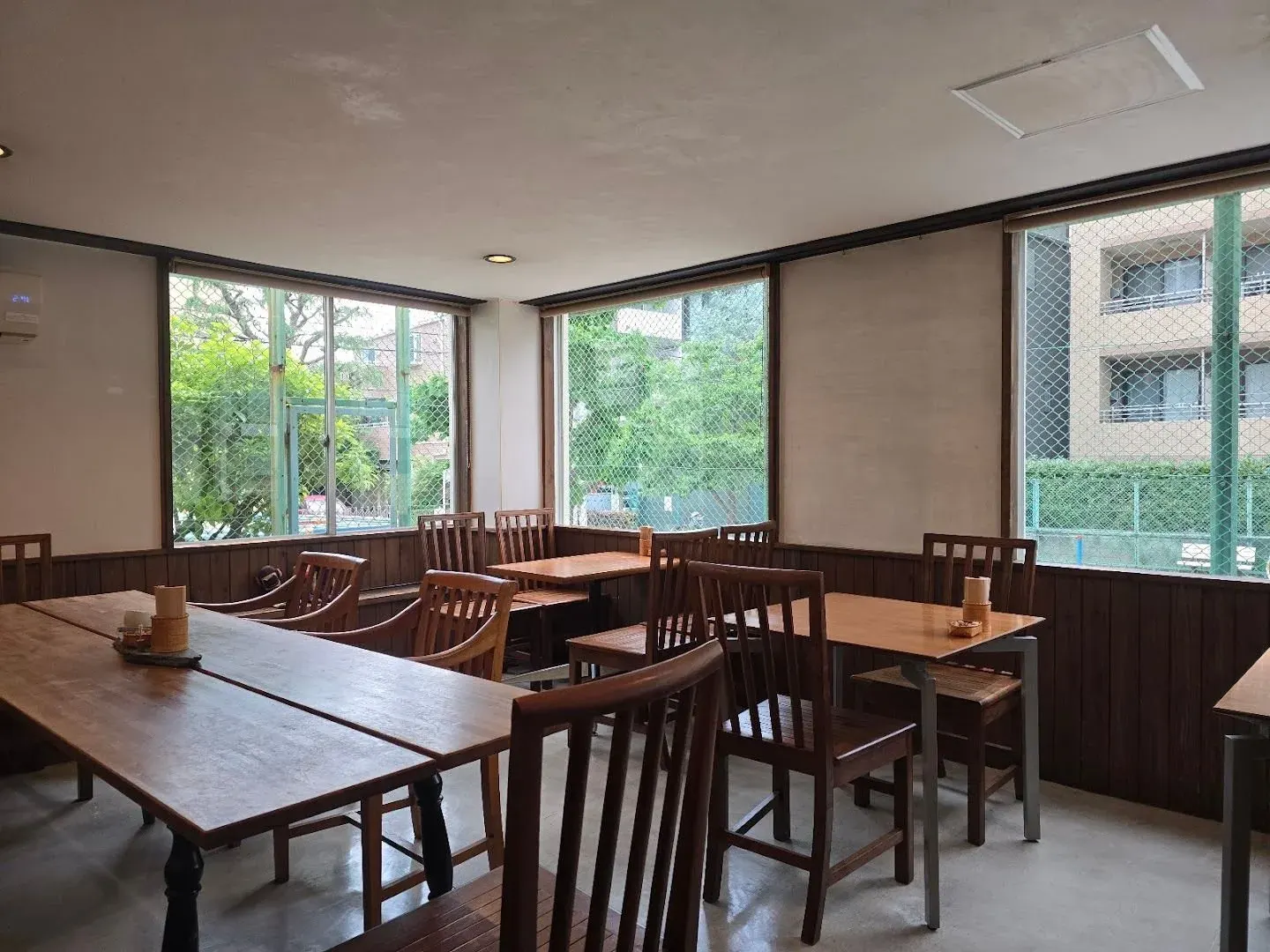
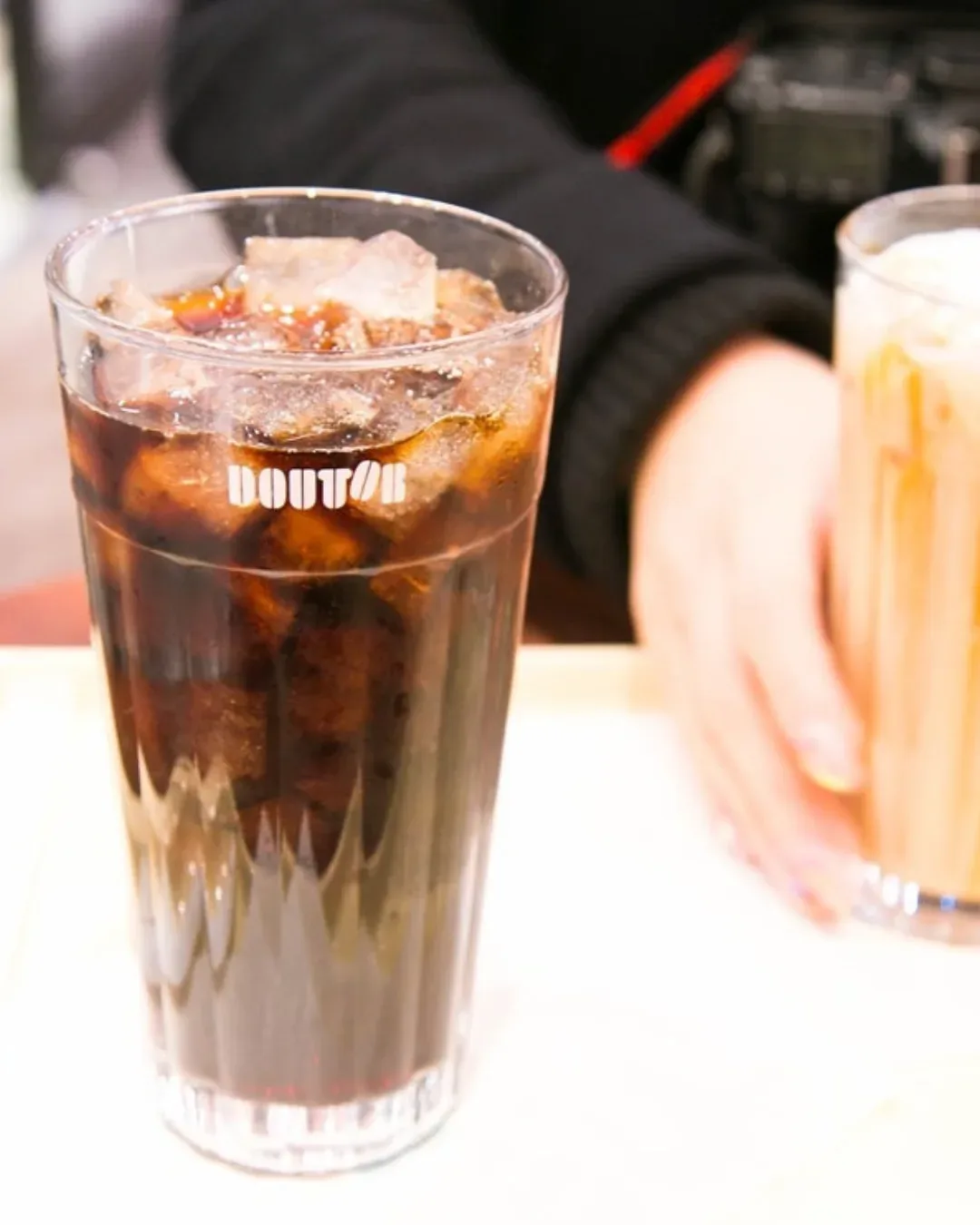
The first purchase should not take over the budget. Doutor Coffee Shop Kinshicho Kinshi Park-mae works because it is ordinary in the right way. The official store page lists it at 3-4-9 Kinshi, with 84 seats, free Wi-Fi, power outlets, and weekday hours beginning at 06:45. Order the small iced coffee. Doutor’s official menu currently lists iced coffee at ¥280 for size S, ¥330 for M, and ¥380 for L, with a note that prices are tax-inclusive and that some stores may differ in product availability or price. Choose S. Not because you have to. Because the point of this afternoon is to keep the day open. A ¥280 coffee leaves ¥720 of the original budget, and more importantly, it leaves the route flexible. Sit for twenty minutes. Let the coffee be the pause, not the whole afternoon. Watch the people who clearly use this area all the time: students, office workers, readers, someone charging a phone, someone finishing a message before moving on. A chain café can still become local when you use it repeatedly. Sometimes familiarity matters more than personality.
DOUTOR COFFEE SHOP KINSHICHO KINSHI PARK-MAE
3-4-9 Kinshi, Sumida City, Tokyo 130-0013
Open in Google Maps

Second Stop: The Snack That Changes the Math
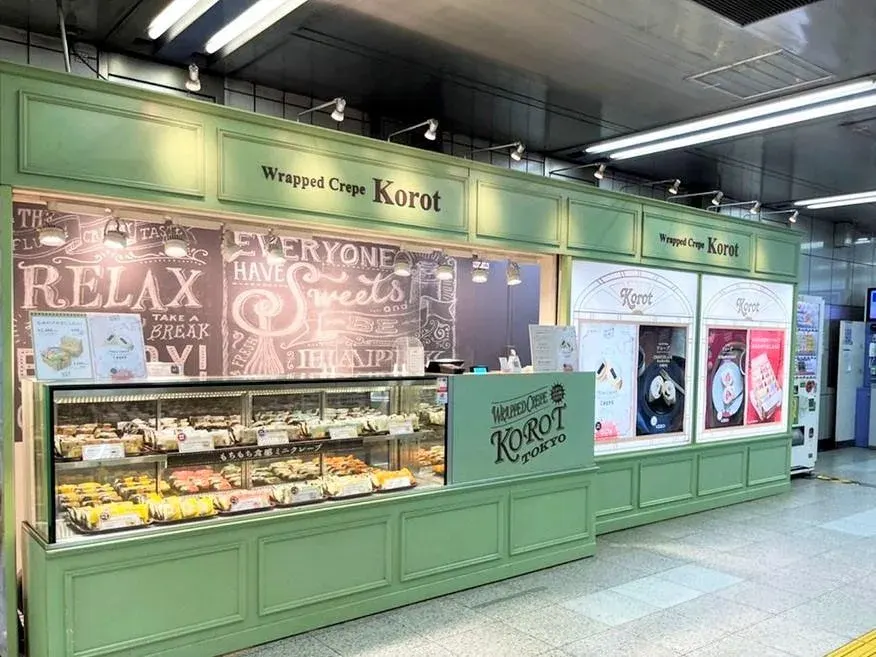
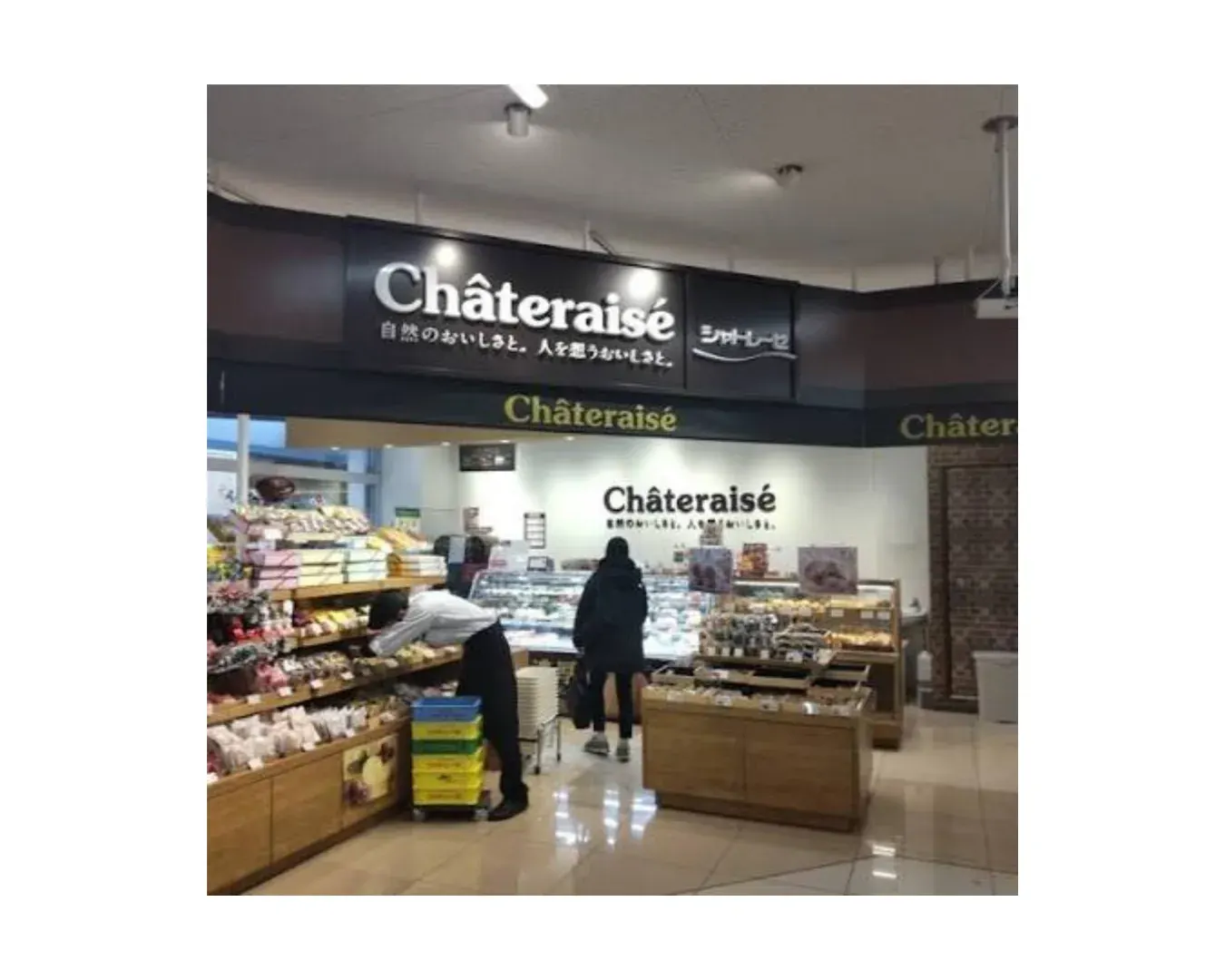
After coffee, cross toward the south side of Kinshicho. The second stop is Chateraise inside Seiyu Kinshicho. Official Chateraise store information lists the Seiyu Kinshicho shop at 4-27-14 Kotobashi, open from 09:00 to 21:00. This is where the challenge changes. Chateraise’s official product page lists the Double Cream Puff with Hokkaido fresh cream at ¥108 tax-included, with the usual notes that some stores may differ in availability or pricing. The official page for its farm-egg pudding lists it at ¥129 tax-included. Buy both. The total snack cost is ¥237. With the coffee, the afternoon now stands at ¥517. That number is the surprise. For a little more than half the original budget, the route already contains a café seat, a cold drink, something soft and creamy, something spooned slowly, and enough walking to make the choices feel like an afternoon rather than a transaction. Do not eat everything standing in the store corridor. Keep one item for later. A longer stay teaches you that value often comes from spacing things out.
CHATERAISE SEIYU KINSHICHO
4-27-14 Kotobashi, Sumida City, Tokyo 130-0022
Open in Google Maps
“A small budget works best when it makes you notice more, not consume faster.”
The Free Discovery Counts
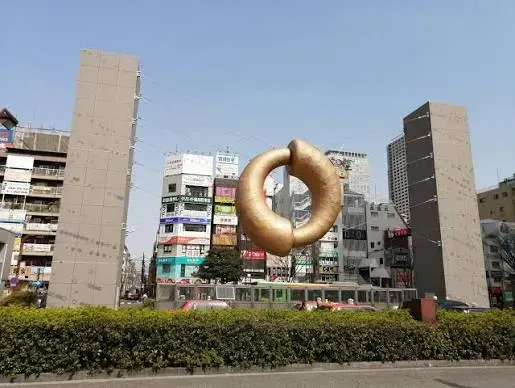
The third stop costs nothing. Walk back toward the north side of Kinshicho Station and look for the gold ring suspended in the station-front traffic plaza. The work is called ECHO. Sumida City explains that it was installed in September 1997 as part of the north-exit redevelopment, after the ward had declared in 1987 that it would pursue community building as a “music city.” The curved gold form is based on a bass clef, while the five wires on each side represent a musical staff. Most people pass it as station scenery. That is why it belongs in this challenge. A budget afternoon should not only be about getting the most food for the least money. It should teach the neighborhood to give something back without a purchase. Stand there for a minute with your coffee finished and one dessert still in your bag. Notice the taxis, the buses, the station entrance, the buildings, the public artwork that almost disappears because it has been there too long to ask for attention. The free discovery is not a bonus. It is part of the value.
JR KINSHICHO NORTH EXIT MONUMENT “ECHO”
Kinshicho Station North Exit plaza, Kinshi, Sumida City, Tokyo
Open in Google Maps
Final Receipt
The receipt is small enough to remember. Iced coffee, size S: ¥280. Double cream puff: ¥108. Egg pudding: ¥129. Total spent: ¥517. Remaining from ¥1,000: ¥483. The numbers are current official menu or product prices at the time of writing, with the usual store-by-store cautions from Doutor and Chateraise. This is not a recommendation to make every afternoon cost ¥517. It is a reminder that the price of an afternoon and the size of an afternoon are different things. The drink gave the route a place to begin. The sweets gave it a small reward. The monument gave it a reason to look up. The walk between them made the purchases feel connected. That is more than a receipt usually gets to say.
Value Verdict
The challenge passes, but not for the obvious reason. Yes, ¥517 is low. It leaves almost half the budget untouched. But the better value is structural. The afternoon has a beginning, a pause, a second stop, a free discovery, and a return. That matters more during a long stay than it does on a short trip. When Tokyo is compressed into a few days, inexpensive choices can feel like compromises. When you are living here for weeks, they become tools. A ¥280 coffee can protect a work break. A ¥108 cream puff can keep an afternoon from turning into a convenience-store blur. A free monument can remind you that not every local detail needs to be purchased to be appreciated. The verdict is not that Kinshicho is cheap. The verdict is that Kinshicho is usable. You can repeat this route when you have only an hour. You can change the drink. You can swap the pudding for something seasonal. You can skip the sweets and keep the walk. The budget gives the afternoon a frame, but the neighborhood gives it movement.
“During a longer stay, value is not only what you buy. It is what becomes easy to repeat.”
The Budget Was Never the Point
Back at HIVEN, the afternoon will not sound impressive if you describe it quickly. Coffee. Cream puff. Pudding. A station monument. A walk home. But that is exactly why it works. Not every Tokyo afternoon should be designed to impress someone else. Some should simply make the neighborhood feel more available. You learn which café leaves room in the budget. You learn where to buy something small without overthinking it. You learn that a public artwork near the taxi stand has a name, a date, and a reason for being there. Next time, the budget can change. The habit is the useful part: leave home, choose lightly, walk with attention, come back before the day becomes larger than it needed to be. A thousand yen can buy less than you expect in Tokyo. It can also buy more afternoon than you thought.