Your First Grocery Shop in Tokyo: What to Buy and What Can Wait
Make your first Tokyo grocery run manageable: buy for three days, check the room first and leave the giant condiment collection for later.

Written by Hive Heaven

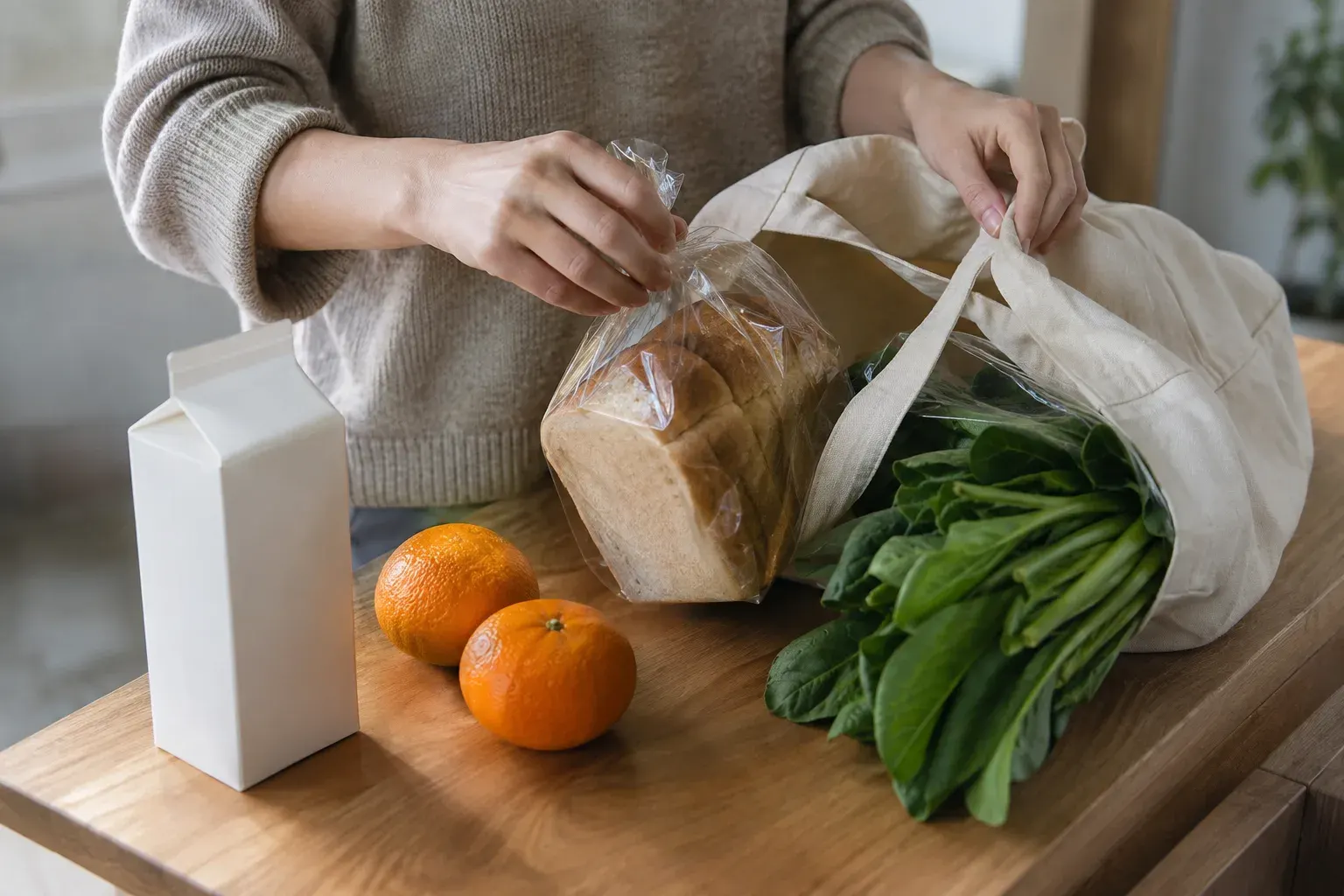
For your first grocery shop in Tokyo, buy enough for the next two or three days rather than stocking a whole month. Start with easy breakfasts, one or two simple meals and any essentials missing from the room. Check the fridge, cooking equipment and supplied household items before choosing products that depend on them.
The first supermarket visit can be unexpectedly entertaining. There are unfamiliar packages, small prepared dishes and entire shelves you would like to investigate. Enjoy that curiosity, but keep the practical mission modest. Tomorrow morning needs breakfast more urgently than it needs a complete collection of sauces.
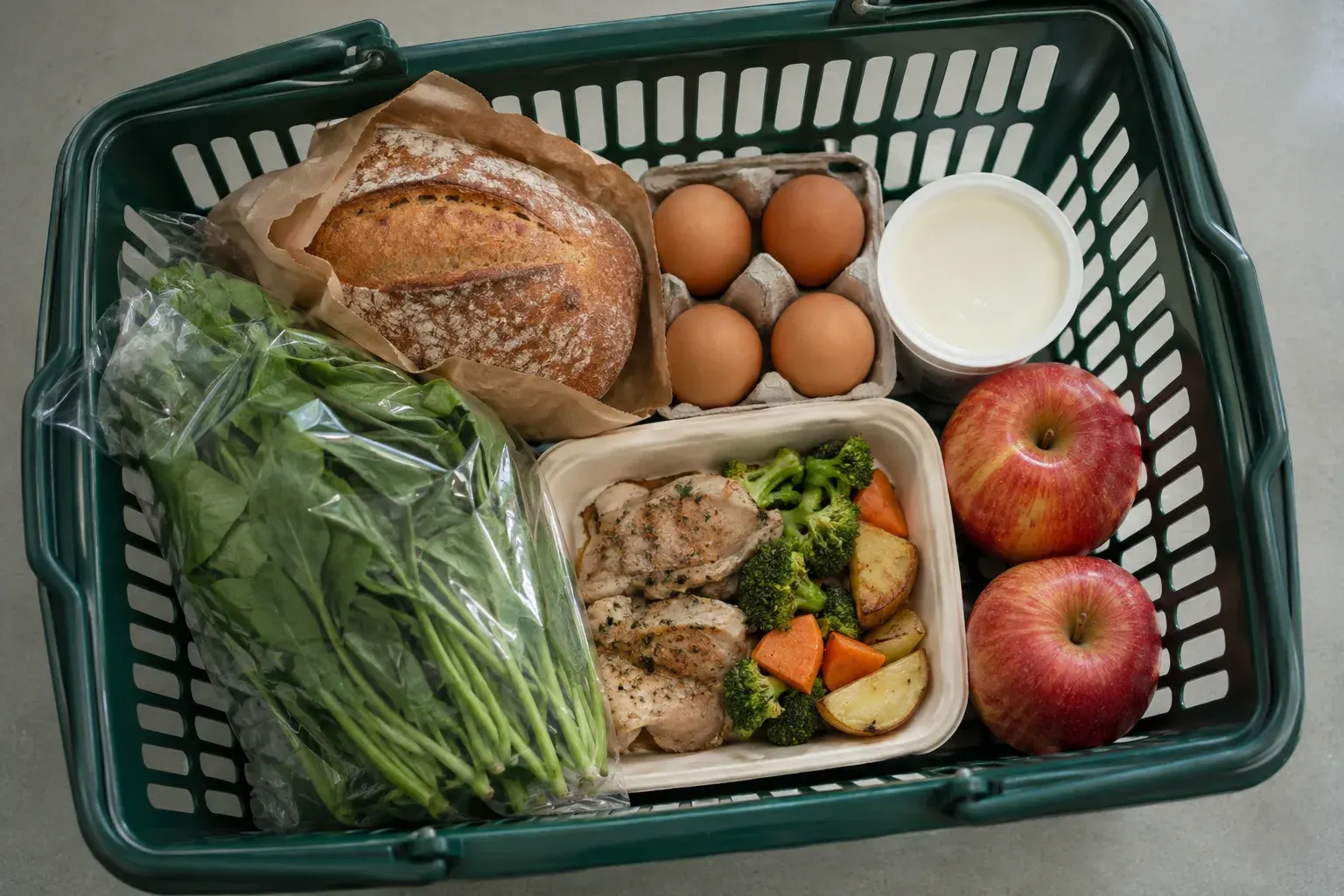
What should you check in the room before leaving?
Open the cupboards and inspect what is actually supplied. Look for plates, cups, cutlery, cooking utensils, washing-up items and suitable storage. Confirm how to operate the appliances you intend to use. A photograph of a kitchen is not an inventory of everything inside it.
Check the fridge space before buying chilled food. If sharing the room, agree where each person's things will go. A small shelf can accommodate several useful items or one oversized purchase that complicates the rest of the week.
Look at household supplies separately. You may need laundry detergent or other consumables, but avoid buying duplicates because you assumed nothing was provided. Follow the building's guidance on rubbish bags and sorting rather than selecting a large pack at random.
What belongs on a first three-day list?
Choose one breakfast you can repeat: bread and fruit, yoghurt with a topping, or another option that suits your diet and the equipment. Add a drink you enjoy and enough food for the mornings you expect to be in the room. Breakfast variety can wait until you have slept.
For main meals, select ingredients that work together. If you plan to use vegetables in two meals, choose a quantity you will finish. If you intend to buy a prepared dish, pair it with something straightforward instead of turning the purchase into an elaborate cooking commitment.
A practical list might read: breakfast for three mornings; fruit you will eat; ingredients for one simple cooked meal; one prepared-food dinner; and one missing household essential. This is a planning example, not a prescribed diet. Adjust it for the people staying, their needs and their plans.
The best first basket solves tomorrow without creating a project for next week.
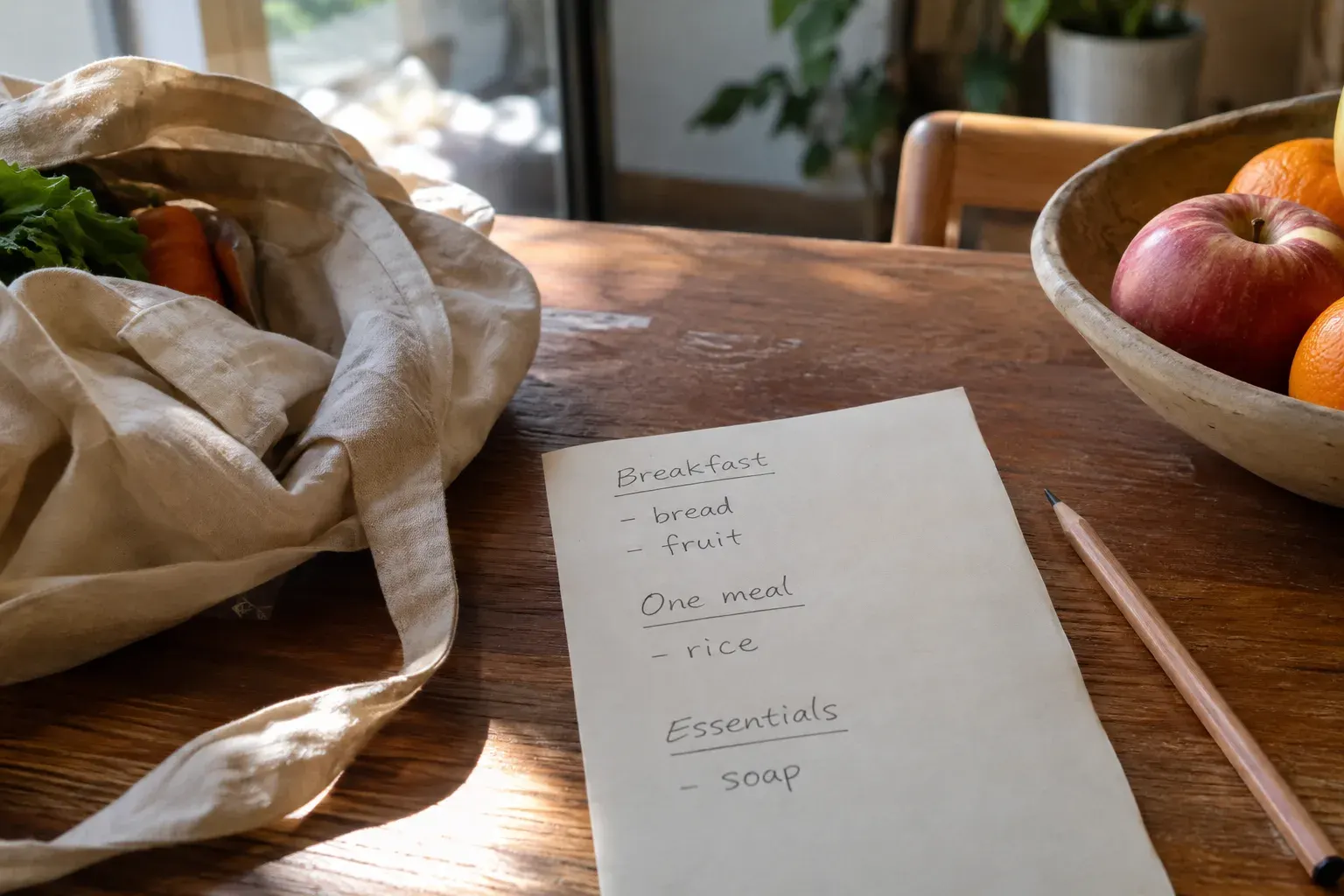
Which supermarket should you try first in Kinshicho?
Choose a shop that fits your route and carrying capacity. LIFE is in the basement of Arcakit Kinshicho; the official shopping-centre directory is useful for its current location and hours. It can be a starting point when your outing already brings you to that side of the station.
LIFE — Arcakit Kinshicho
Arcakit Kinshicho B1F, 2-2-1 Kinshi, Sumida-ku, Tokyo, Japan
Open in Google Maps
SEIYU's Kinshicho store is another practical option on the Kotobashi side. Its official page currently lists 24-hour operation with exceptions possible for individual sales areas. Check current notices before relying on a specific department late at night.
SEIYU Kinshicho
4-27-14 Kotobashi, Sumida-ku, Tokyo, Japan
Open in Google Maps
You do not need to compare every shop on arrival. The existing [Kinshicho supermarket guide](https://www.hivenstay.com/guides/lifestyle/supermarkets-you-will-actually-use-kinshicho) helps you choose by purpose. Begin with one manageable visit, then use later shopping trips to discover the options.
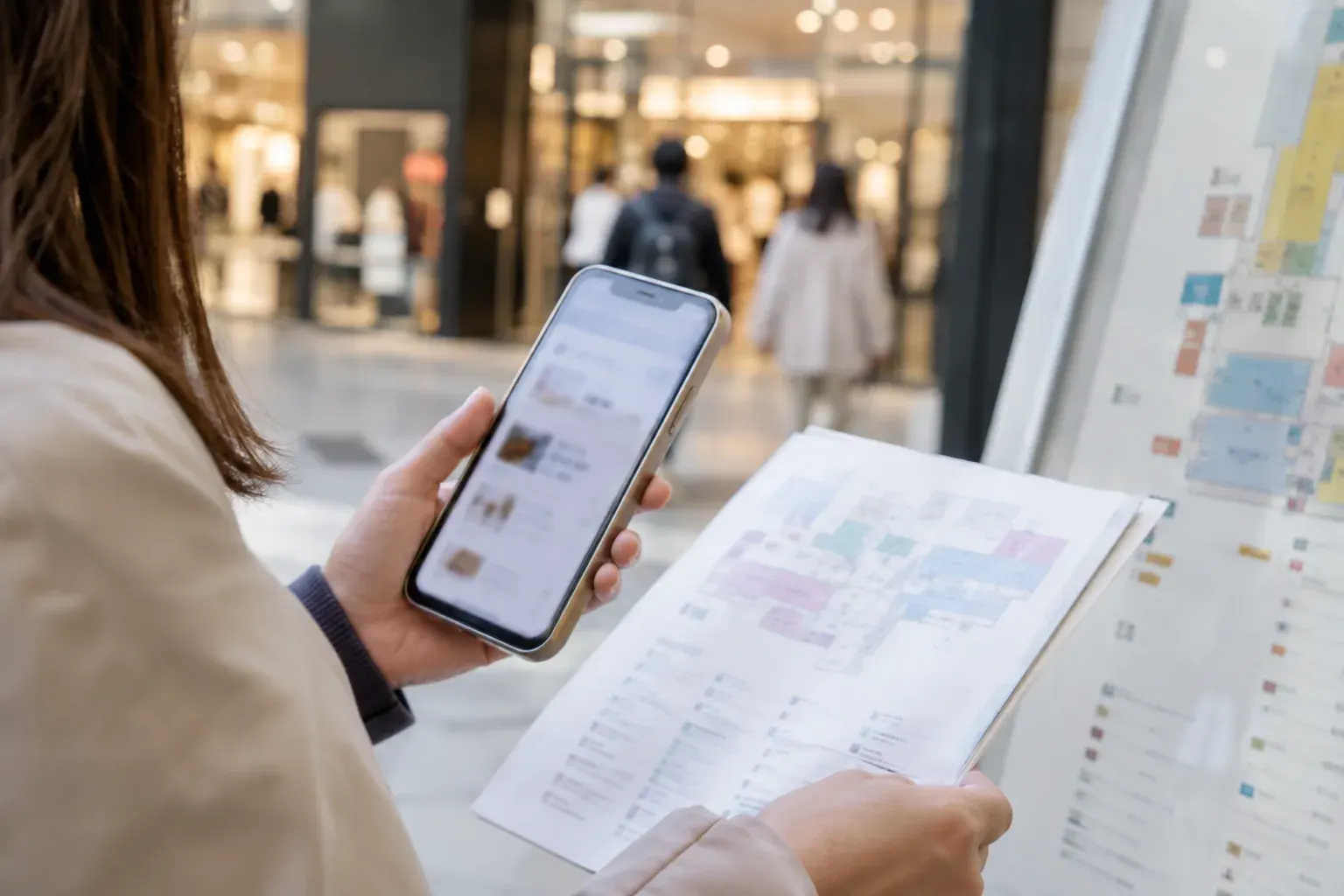
How do you buy sensible portions?
Plan around the meals you will actually eat at home, not the meals you imagine you should cook. If tomorrow is a long outing, a large collection of fresh ingredients may become a deadline rather than a saving.
Compare pack sizes and the final amount you will pay. A cheaper unit price only helps if you use the product. For a temporary stay, the smaller pack can be the more economical decision after leftovers and storage are considered.
Before an overnight excursion or the end of the stay, make the next shop smaller again. The best shopping pattern changes through the month: a little orientation at the start, a more confident routine in the middle, and less replenishment near checkout.
What can wait until the second shop?
Large condiment bottles, specialist utensils and bulk cleaning supplies can usually wait until you know you need them. First see how often you cook and what the room already provides. Buying equipment for an imagined routine can quickly become another luggage problem.
Avoid treating every unfamiliar package as a bargain or a souvenir. If you cannot identify what it is, how it should be stored or how you will use it, leave it until you can check. Curiosity is enjoyable; a fridge full of mysteries is less useful on a tired evening.
The second shop is your chance to correct the first. Perhaps you eat breakfast later than expected, or perhaps a simple home dinner is more appealing than another restaurant. Let actual use shape the list.
How should you approach prepared food?
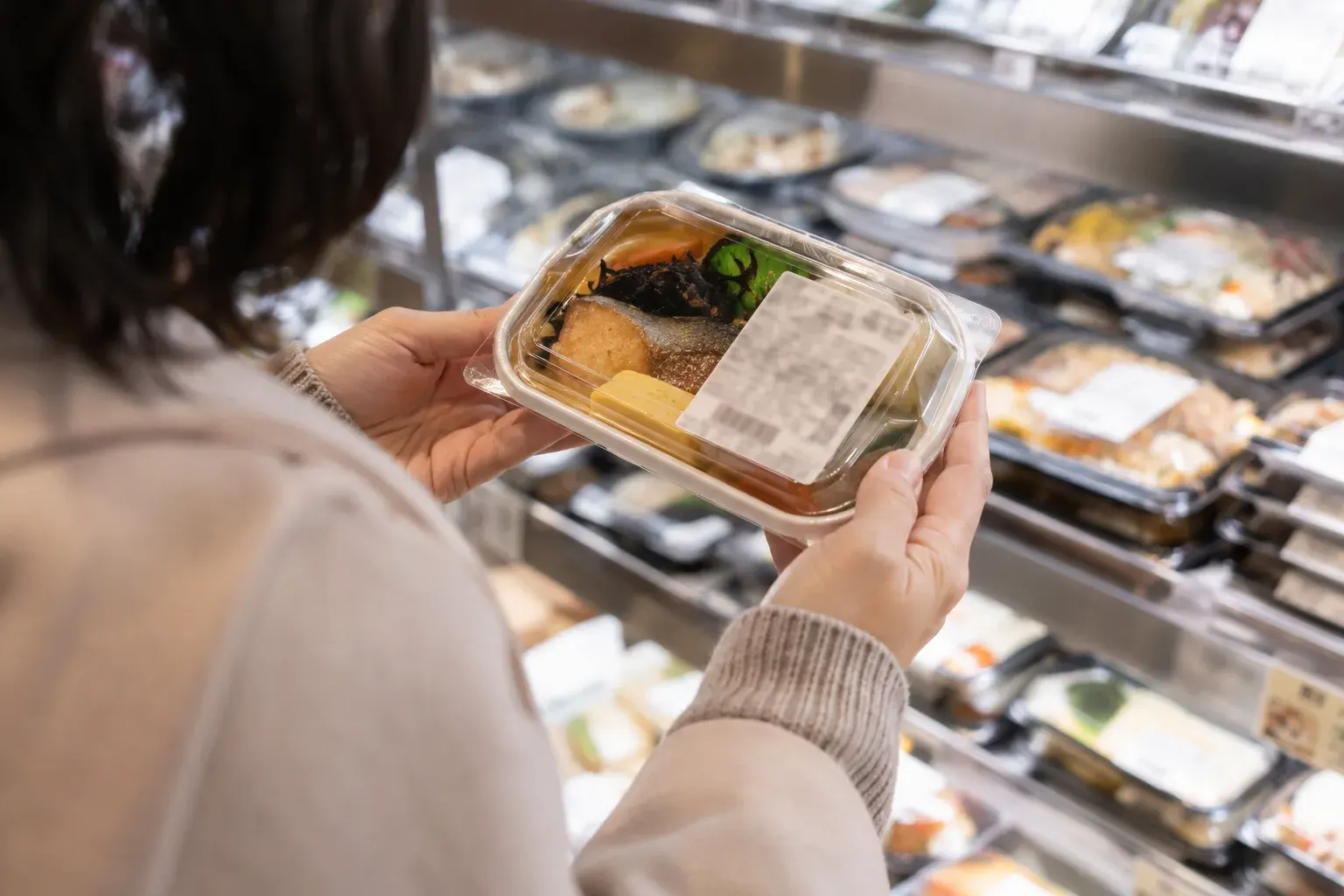
Prepared food can make a long stay practical without requiring daily cooking. Choose a portion that fits the meal, read the storage and date instructions, and plan to take it back appropriately. A discount label is not a reason to ignore handling requirements.
Check reheating instructions and packaging. Do not assume every container belongs in the microwave. If you cannot understand the directions, ask staff or choose a product whose use you can confirm.
Food allergies require more than translating the front of a package. The Consumer Affairs Agency provides official information and communication resources. Check the full label and ask the retailer or manufacturer when necessary; a picture or an apparently simple dish does not establish safety.
What happens at checkout?
Observe the lane and the machine rather than assuming it works like your supermarket at home. Staffed and self-service arrangements can differ. Have your payment method ready, and ask if a process is unclear.
Bring a reusable bag you can comfortably carry. Keep chilled items together and avoid making the grocery run the first stop in a long sightseeing day. The final part of shopping is getting the food back and storing it correctly.
Save the receipt for a few early trips. It helps you understand the basket total and build a realistic food budget. You do not need a perfect spreadsheet; identifying what you repeatedly buy is enough to make the next week easier.
How does the accommodation affect the shopping list?
A usable kitchen or fridge can expand your choices, but the actual room determines what works. Before booking a Tokyo monthly apartment, check the equipment relevant to your habits and any rules about cooking or appliances.
For a HIVEN stay, use the selected room's current listing and ask about anything essential. The broader Residence offer starts at 29 nights, but the first grocery shop should still be small. The length of the reservation does not require buying a month's food on day one.
HIVEN BK Kinshicho
4-6-4 Kotobashi, Sumida-ku, Tokyo, Japan
Open in Google Maps
You will have more chances to shop. That is one of the pleasures of staying longer: the first basket only has to be a useful beginning.
Frequently asked questions
Should I buy a month's groceries when I arrive?
No. Start with a few days and expand after seeing your routine, storage and nearby shops. A long booking does not require a large first purchase.
Is a convenience store enough for the first night?
It can be useful for a small immediate purchase if the available products suit you. For a larger grocery run, compare nearby supermarkets after you have settled in.
Should I buy rice straight away?
Only if you know how you will prepare or use it and have suitable equipment. Choose the form and quantity that fit your actual meals rather than buying a large bag by habit.
Are all supermarket departments open whenever the store is open?
Not necessarily. Individual sales areas or services may have different hours. Check the specific store's current notice when you need something particular.
Can I rely on translation software for allergies?
Do not treat an automated translation as a safety guarantee. Use official communication resources and confirm uncertain ingredients or preparation with the relevant business.
What if I bought too much?
Plan the next meals around usable items and follow their storage instructions. Reduce the next shop rather than continuing to refill automatically. Do not keep food beyond safe use simply to avoid waste.
Do HIVEN rooms include every cooking utensil?
Check the specific listing and ask about the items you need. A general kitchen description is not a promise of every appliance, tool or consumable.
Sources and information check
[Arcakit Kinshicho — LIFE supermarket](https://mitsui-shopping-park.com/arcakit/shopguide/500086.html)
[SEIYU — Kinshicho store information](https://www.seiyu.co.jp/shop/西友錦糸町店/)
[Consumer Affairs Agency — food labelling resources](https://www.caa.go.jp/en/policy/food_labeling/)
[Consumer Affairs Agency — current allergen labelling updates](https://www.caa.go.jp/policies/policy/food_labeling/food_sanitation/allergy/)
[HIVEN — Kinshicho supermarket guide](https://www.hivenstay.com/guides/lifestyle/supermarkets-you-will-actually-use-kinshicho)
[HIVEN — current Residence offer](https://www.hivenstay.com/?lang=en)
Information checked: 30 October 2026. Recheck time-sensitive details before publication and before booking or visiting, including prices, opening hours, transport, entry requirements and the selected room’s terms. Suggested routines and sample itineraries are editorial planning examples, not guest testimonials.


