Eating in Tokyo for a Month Without Cooking Every Day
Use your Tokyo kitchen without turning your holiday into meal preparation: combine easy breakfasts, prepared dishes and the restaurants you want to enjoy.

Written by Hive Heaven

You can make good use of a Tokyo apartment kitchen without cooking every day. Keep breakfast simple, combine prepared food with a few groceries, and save restaurant visits for the meals you want to enjoy. The useful routine is one you can repeat when tired as well as when enthusiastic.
It is easy to book a room with a kitchen and imagine a beautifully organised month of market shopping. Then the first long outing happens, your feet hurt, and the last thing you want is a recipe requiring six unfamiliar ingredients. A flexible food plan makes room for that evening.
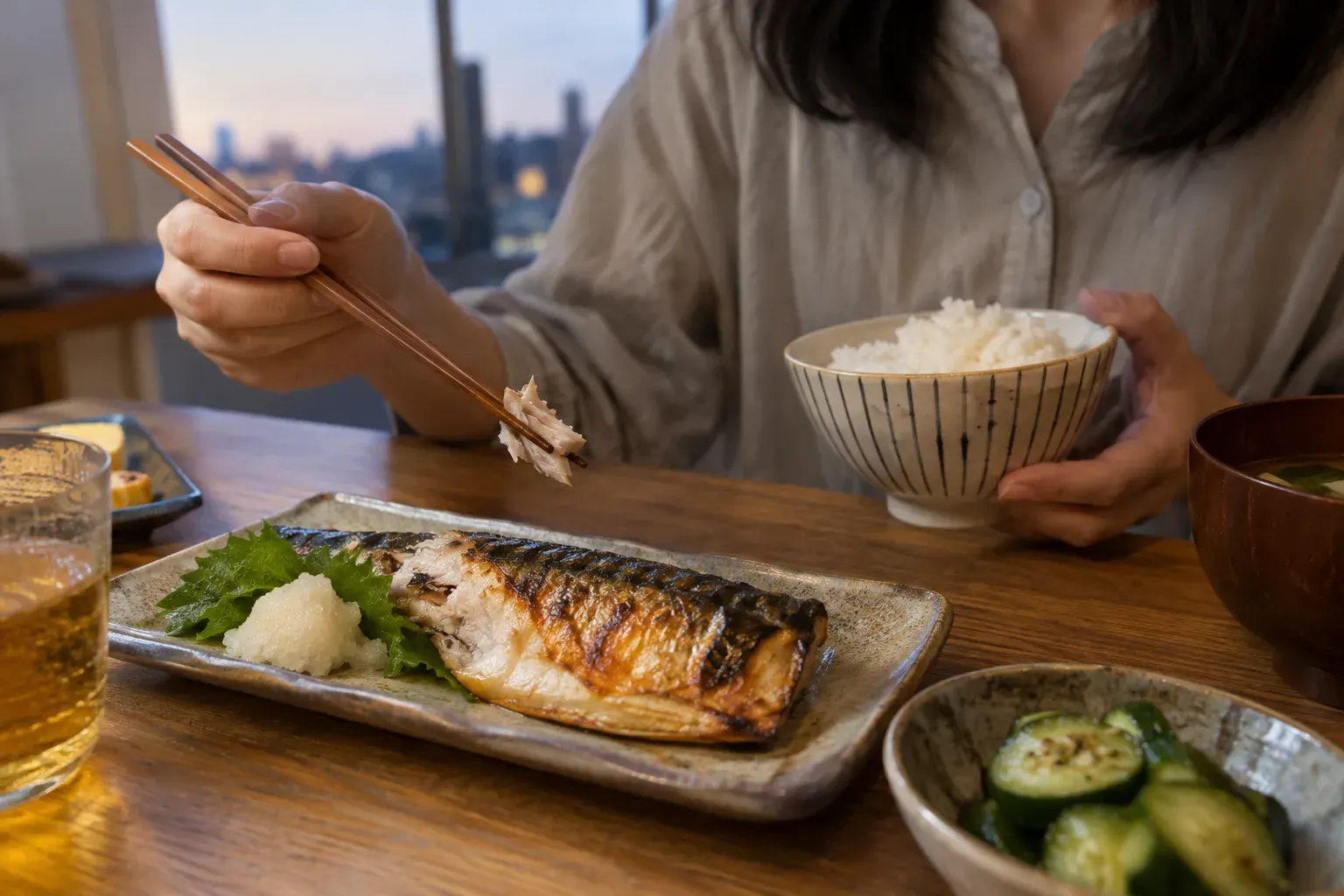
What is the smallest useful kitchen routine?
Choose one breakfast, one very simple meal and one no-cooking fallback. That is enough to start. You can expand the routine after discovering what you actually enjoy doing in the room.
An easy breakfast might be something assembled rather than cooked. A simple meal might use a few ingredients with confirmed equipment. The fallback could be prepared food you can safely store and serve according to its instructions. Adapt all three to your dietary needs.
Keep the routine small enough that cleaning up does not become the main event. A holiday kitchen should solve a problem you have, not create an obligation to cook because it exists.
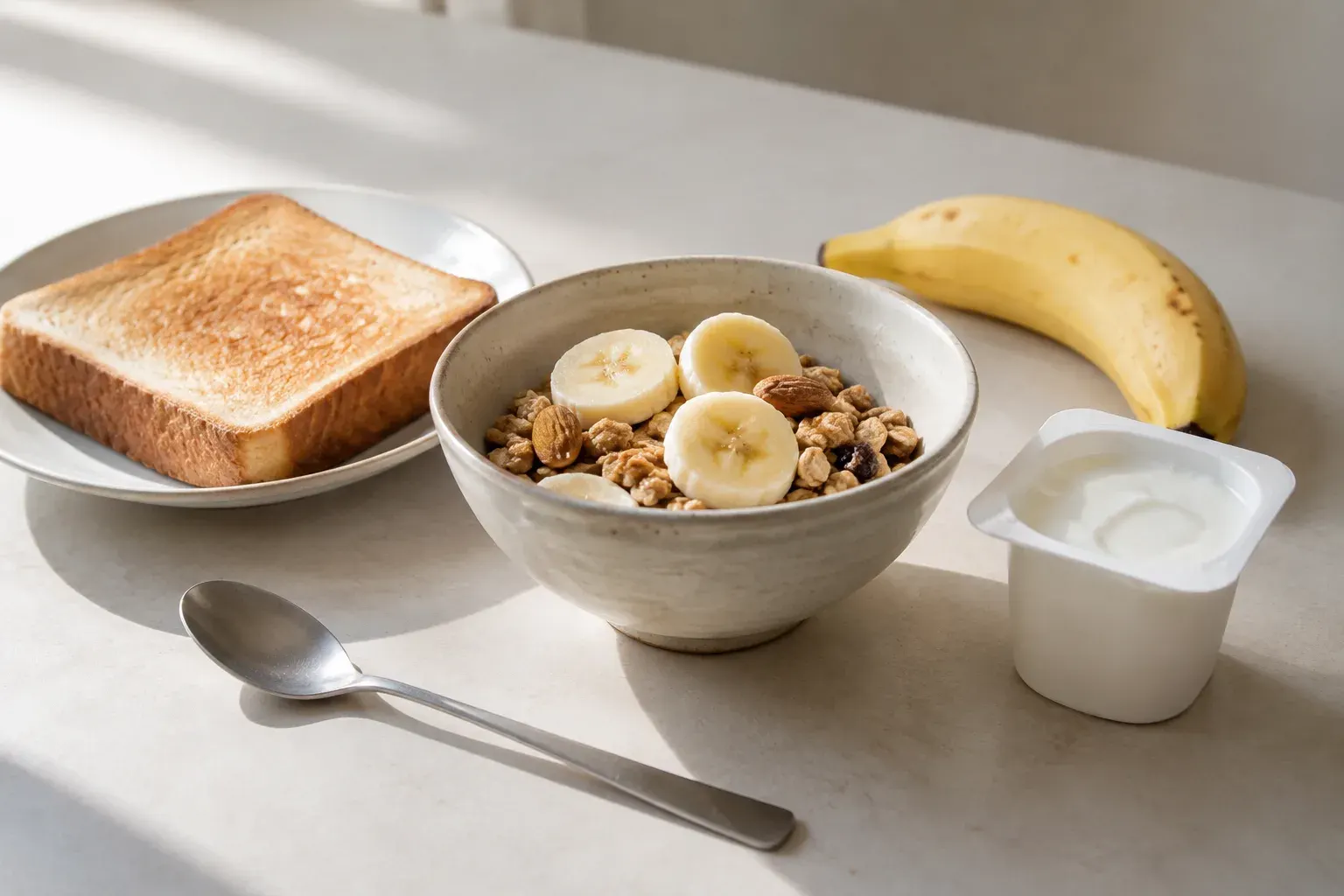
Why make breakfast the easiest meal?
Breakfast can remove a decision from a busy morning. Having something ready gives you more control over when to leave, especially if the day's first reservation is fixed or someone in the group wakes earlier.
That does not mean you should eat the same thing for thirty mornings. Start with something reliable and add variety when you want it. A breakfast out can be a pleasure; it just does not have to be a logistical requirement every day.
Check the room before deciding what to buy. Confirm the appliances and tableware you need, then choose quantities that fit. Buying food for an appliance the room does not have is a surprisingly efficient way to make the morning complicated.
The kitchen earns its place when it makes a tired evening easier.
How do prepared dishes fit into a longer stay?
Think of prepared food as a normal part of the plan rather than an emergency or a failure to cook. It can let you spend the afternoon exploring and still sit down to a manageable dinner.
Choose combinations deliberately: a main dish, something complementary and a portion that suits your appetite. Avoid buying several items simply because each looks small. The basket total and the amount of food can grow faster than expected.
For Kinshicho shopping options, use the [supermarket guide](https://www.hivenstay.com/guides/lifestyle/supermarkets-you-will-actually-use-kinshicho) to decide which store fits your route. Confirm the individual shop's current information and what is actually available when you visit.
LIFE — Arcakit Kinshicho
Arcakit Kinshicho B1F, 2-2-1 Kinshi, Sumida-ku, Tokyo, Japan
Open in Google Maps
Prepared food still needs appropriate handling. Read the storage, date and reheating instructions, and return chilled items to suitable storage. Do not assume a discounted tray can wait until whenever you feel like eating it.
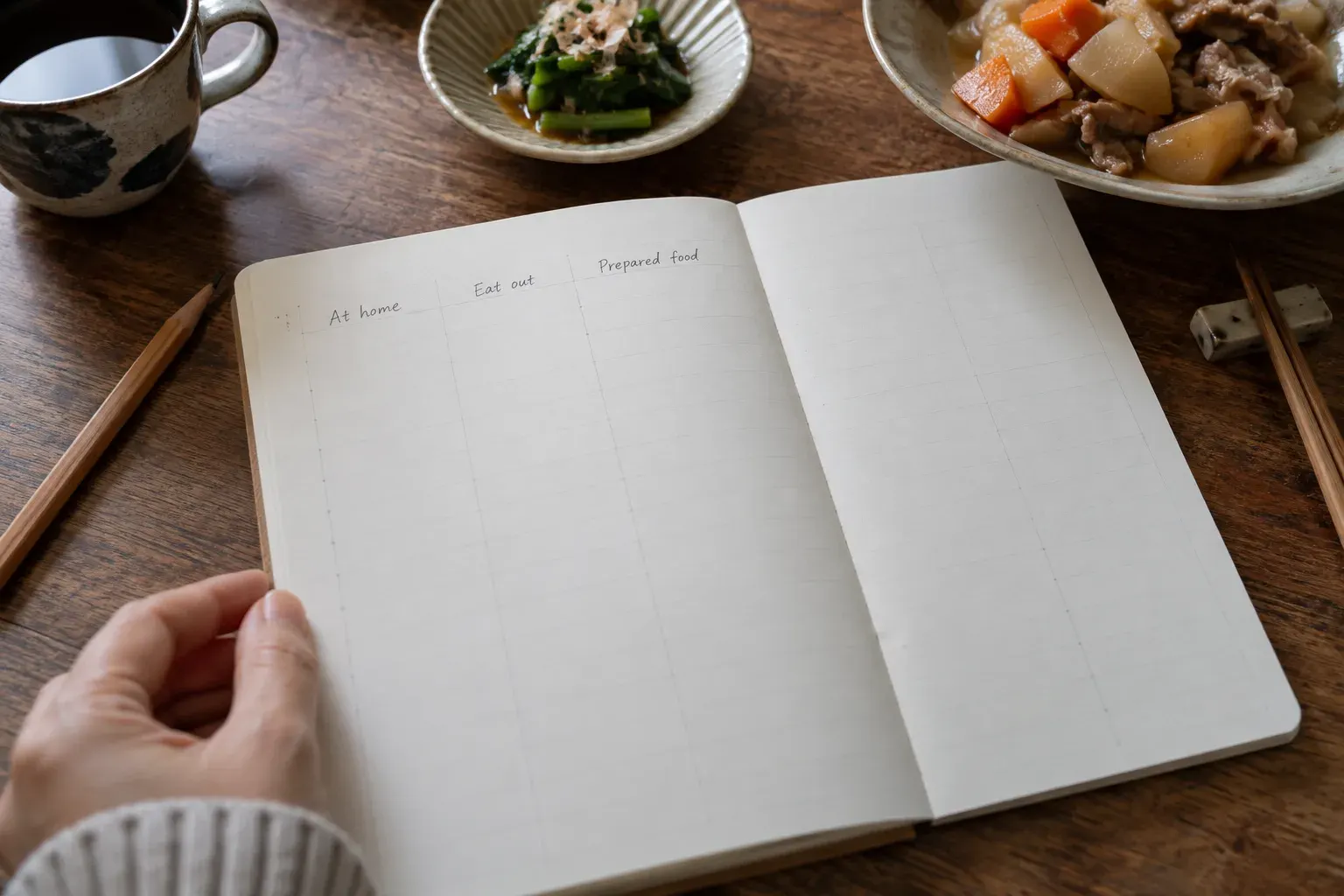
What might an ordinary week look like?
A flexible example could include several breakfasts in the room, lunches chosen around the day's outing, two simple home dinners, two prepared-food evenings and a few restaurant meals. This is an editorial planning example, not a dietary prescription or a claim about typical spending.
Leave some meals unassigned. If you find a restaurant you want to try, you should not feel trapped by a fridge full of ingredients. Buy perishables for the next few days rather than treating every week as a meal-preparation challenge.
Use a rough calendar to avoid waste. If tomorrow includes a long outing and the day after is an overnight trip, tonight is not the moment to replenish everything. A practical food routine responds to travel plans.
How do you keep restaurant meals enjoyable?
Separate “I am hungry nearby” from “this is an experience I want to plan around”. Both are valid reasons to eat out, but they do not require the same research. Save your attention for the meals that matter to you.
For a special meal, verify booking conditions, dietary communication and the journey there. For an ordinary evening, keep a few current nearby options rather than demanding the perfect restaurant every time. A familiar, suitable choice can be valuable during a long trip.
Do not turn every meal into content collection. If you photograph food, follow the business's rules and be considerate of other diners. The memory of a relaxed dinner can matter more than documenting every plate.
What if two people want different things?
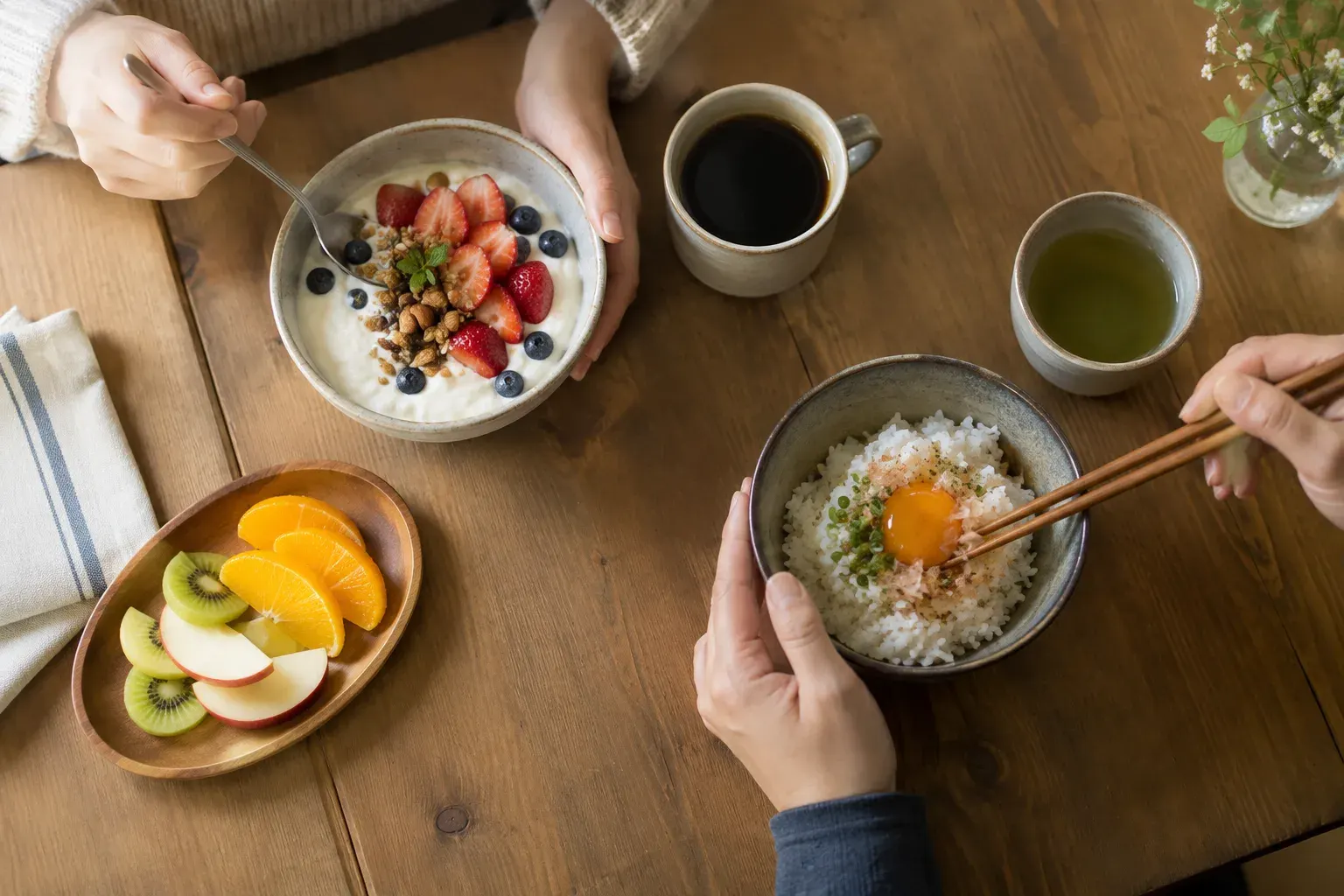
Agree on a few shared staples and leave room for individual preferences. One person may want breakfast before going out, while the other prefers a cafe. That difference does not need to become a daily negotiation.
Ask about dietary requirements before buying shared sauces, snacks or prepared dishes. A familiar ingredient name does not tell you everything about a product. When an allergy is involved, use official information and confirm uncertainty with the retailer or manufacturer.
It can also help to separate meals by effort. If one person enjoys cooking, discuss how shopping and washing up will work. Travelling together should not quietly assign one person the role of providing everyone else's meals.
How can you avoid stocking a temporary kitchen like a permanent home?
Buy versatile ingredients in quantities you will use. Before adding another condiment, think about the meals left in the stay. A bottle used once is not necessarily better value than choosing a different dish.
Check supplied equipment and consumables instead of assuming you need replacements. Do not purchase appliances or use unfamiliar equipment without checking the accommodation's rules. A rental room has practical limits even if it feels comfortable.
Near departure, switch from replenishing to using what remains safely. Review dates and storage instructions, then plan a couple of meals around suitable items. Avoid creating a large leftover problem for the final morning.
What should you ask before booking the room?
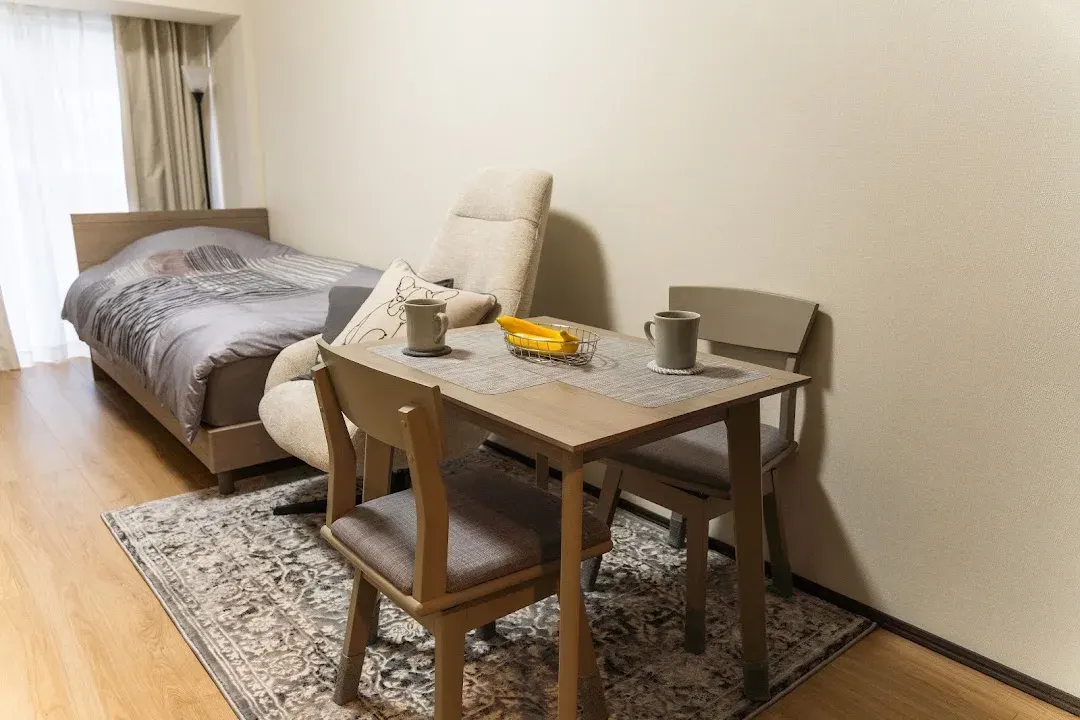
Identify the features relevant to your routine: actual cooking facilities, refrigeration, tableware and somewhere to eat comfortably. If an item is essential, get confirmation for the unit rather than relying on a general description.
For a month in Tokyo at HIVEN, review the selected room's listing and terms alongside your food plan. You may value the kitchen even if you cook only occasionally, but that value depends on how you use it. A provider cannot promise a particular saving from home meals.
HIVEN BK Kinshicho
4-6-4 Kotobashi, Sumida-ku, Tokyo, Japan
Open in Google Maps
The room also needs to suit the meals you bring back. Ask where to dispose of packaging and food waste according to the building's instructions. A comfortable dinner includes an uncomplicated clean-up afterwards.
What should you read on the package?
The Consumer Affairs Agency provides resources on ingredients, allergens and date labels. Follow the product's own instructions and do not rely on an image on the front to identify its contents.
Use-by and best-before wording should not be treated as interchangeable. Storage conditions and whether the package has been opened also matter. If you are unsure, ask before buying or serving it rather than improvising from a translated fragment.
For a longer stay, learning a few common labels can reduce repeated uncertainty. It is worth spending a little attention on the first shop so the next several are easier.
Frequently asked questions
Is it worth booking a kitchen if I mainly eat out?
It can be, if refrigeration, breakfast or occasional meals at home are valuable to you. Compare the complete room and price rather than treating a kitchen as an automatic saving.
Do I need to meal-plan the whole month?
No. Start with a few reliable options and buy for the next few days. Adjust after seeing your actual routine.
Can I microwave any supermarket meal in its packaging?
No. Follow the specific packaging and reheating instructions. Ask when the directions are unclear.
Are prepared meals always cheaper than restaurants?
No universal comparison applies. Check the portion, additions and total against the restaurant meal you would otherwise buy.
What if I have food allergies?
Use current official communication resources and confirm ingredients or preparation when needed. Translation software and package photographs are not guarantees.
Should a couple cook together every evening?
Only if that is enjoyable for both. Agree on responsibilities and allow independent meals or restaurant evenings when preferences differ.
What should I do before checking out?
Plan smaller final purchases, follow storage and date instructions, and dispose of remaining food and packaging according to the accommodation's guidance.
Sources and information check
[HIVEN — Kinshicho supermarket guide](https://www.hivenstay.com/guides/lifestyle/supermarkets-you-will-actually-use-kinshicho)
[Consumer Affairs Agency — food labelling resources](https://www.caa.go.jp/en/policy/food_labeling/)
[Consumer Affairs Agency — current allergen labelling updates](https://www.caa.go.jp/policies/policy/food_labeling/food_sanitation/allergy/)
[Arcakit Kinshicho — LIFE supermarket](https://mitsui-shopping-park.com/arcakit/shopguide/500086.html)
[HIVEN — current Residence offer](https://www.hivenstay.com/?lang=en)
Information checked: 30 October 2026. Recheck time-sensitive details before publication and before booking or visiting, including prices, opening hours, transport, entry requirements and the selected room’s terms. Suggested routines and sample itineraries are editorial planning examples, not guest testimonials.


