Is a Month in Tokyo Too Long? What You Gain by Slowing Down
Wondering whether four weeks in Tokyo will feel too long? Test the idea against your energy, interests, budget and appetite for ordinary days.

Written by Hive Heaven

A month in Tokyo is not automatically too long. It suits travellers who want time for neighbourhoods, personal interests and unplanned days as well as sightseeing. It can feel too long if you need constant novelty, would rather visit several regions, or can only afford the trip by making every ordinary expense stressful.
The question is less about whether Tokyo contains thirty days of attractions and more about whether you would enjoy thirty days of being there. Those are different decisions. A very large city can still be the wrong month for someone who wants mountains, long drives or a different hotel every few nights.
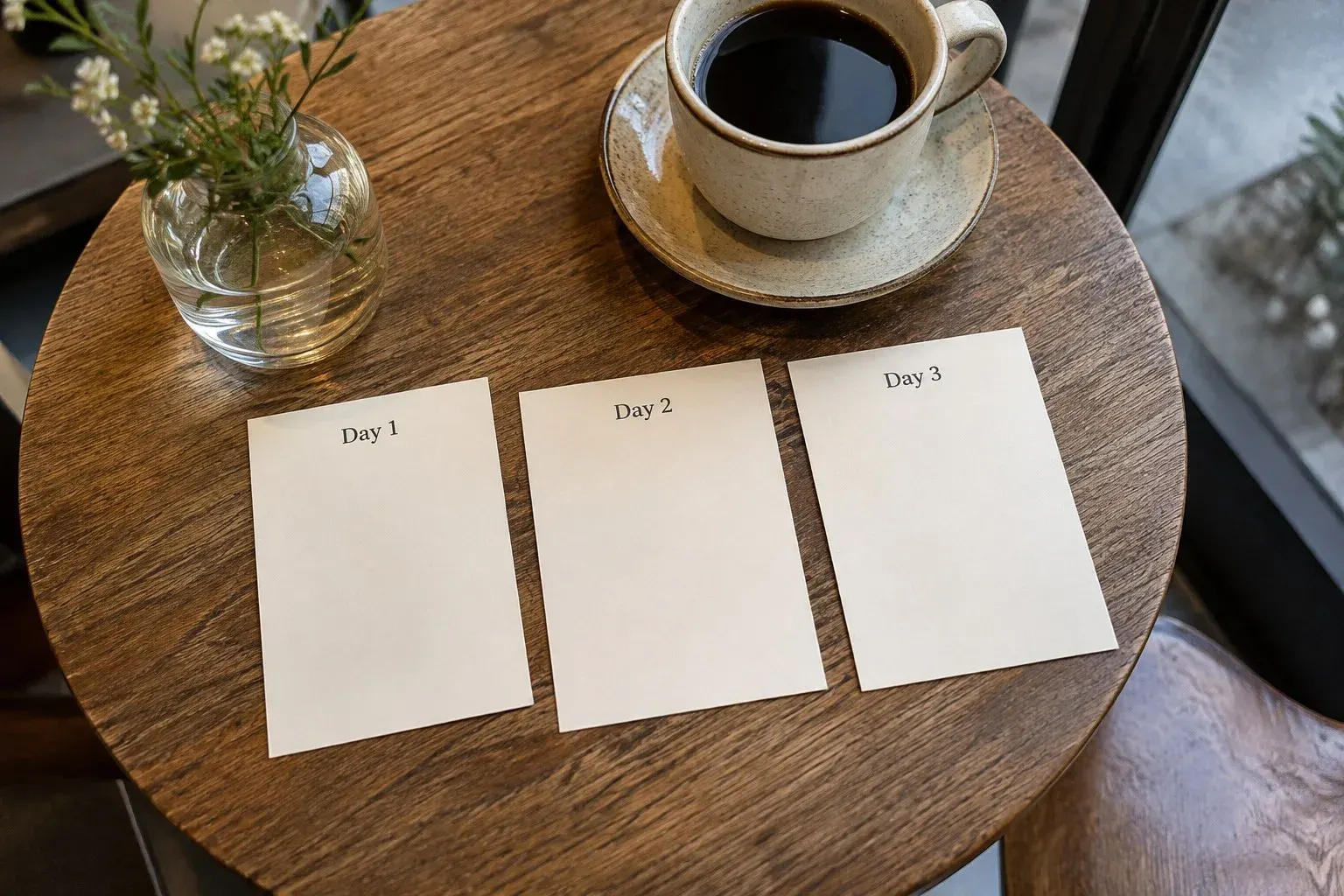
What would make a month feel worthwhile?
Name the experience you cannot comfortably fit into a short holiday. It might be a language course you have independently checked, afternoons in bookshops, or a return visit that gives you time to follow recommendations discovered after arrival. Give the extra time a job without giving every hour a task.
A long stay can also suit someone who needs a slower pace. If one major outing uses most of your energy, four weeks gives you room to separate busy days. That does not make every month-long trip restful: the schedule you create still matters more than the number of nights.
Write three sentences beginning with “I would like enough time to…”. If the answers are concrete, you have a better starting point than a list of fifty famous places. If they are all about other parts of Japan, consider dividing the trip.
What makes a long trip start to drag?
Too much repetition chosen by accident can become dull. So can a room that never lets you properly rest, a budget that makes every meal feel like a negotiation, or an itinerary built around someone else's interests. These are planning problems you can examine before booking.
Watch for the idea that a month will magically solve a lack of direction. A change of scenery can be enjoyable without producing a new career, a new identity or a perfect morning routine. Let the trip have ordinary days rather than expecting it to justify every decision that came before it.
It is also possible to be genuinely ready to go home. Decide how much flexibility you need and read change conditions before committing. A lower price with restrictive terms is not necessarily better if your main concern is uncertainty about the duration.
You do not need a spectacular Tuesday to have chosen the right trip.
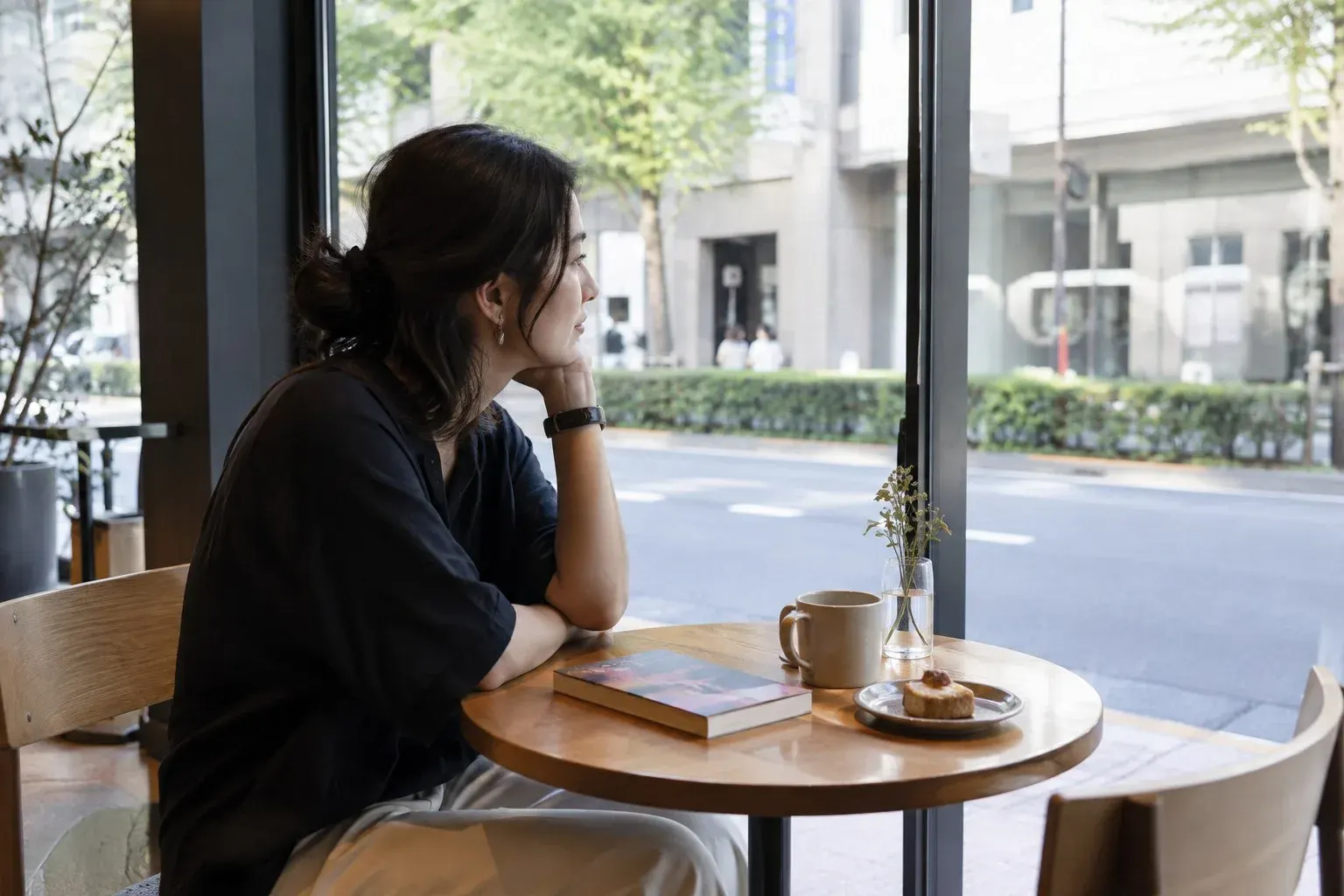
Can you enjoy a day without a major attraction?
Imagine this deliberately modest day: breakfast in the room, a walk to buy groceries, an afternoon following a small interest, dinner nearby. Would that feel satisfying between busier outings, or would you feel you were wasting the flight?
Neither answer is wrong. It helps separate a long-stay preference from the pressure to have an impressive trip. People who love concentrated holidays may enjoy ten busy days more than four weeks that include admin and washing clothes.
Try the same exercise for a rainy day and a tired day. If your only acceptable response is another expensive indoor attraction, add that to the budget. If reading, browsing and a familiar meal sound welcome, a longer base may give you useful freedom.
How do you keep the month varied without moving constantly?
Vary the purpose of the day rather than always changing your accommodation. One day can focus on a museum, another on a neighbourhood, another on a particular shop or food interest. Returning to the same room reduces the practical work around those different outings.
Choose a few areas to revisit. GO TOKYO describes Kiyosumi-Shirakawa around coffee and art; that can be a theme for a relaxed visit rather than a challenge to collect every cafe. Check the venues you choose individually, including opening days and reservation arrangements.
Kiyosumi-Shirakawa neighbourhood
Kiyosumi-Shirakawa, Koto City, Tokyo, Japan
Open in Google Maps
Keep a small “later” list. When something interesting appears, save it instead of immediately rearranging the day. The extra weeks give you a chance to act on discoveries. They do not require you to pursue every discovery.
What is a sensible balance between plans and empty time?
Begin with a few fixed commitments each week and leave the remaining time adjustable. The number depends on your interests, accessibility needs and energy. A pre-booked exhibition or class can provide structure; an afternoon deliberately left open prevents the structure from becoming a cage.
Put rest into the plan before the trip gets tiring. If you only allow a quiet day after everything else has been done, you may never reach it. A long holiday still contains travel fatigue, laundry, food shopping and the occasional headache.
Review the week after you live it. If you are restless, add a more substantial outing. If you are exhausted, reduce the distance between stops. Planning a month in Tokyo can be iterative: your first week provides information for the next three.
Does staying longer make Tokyo cheaper?
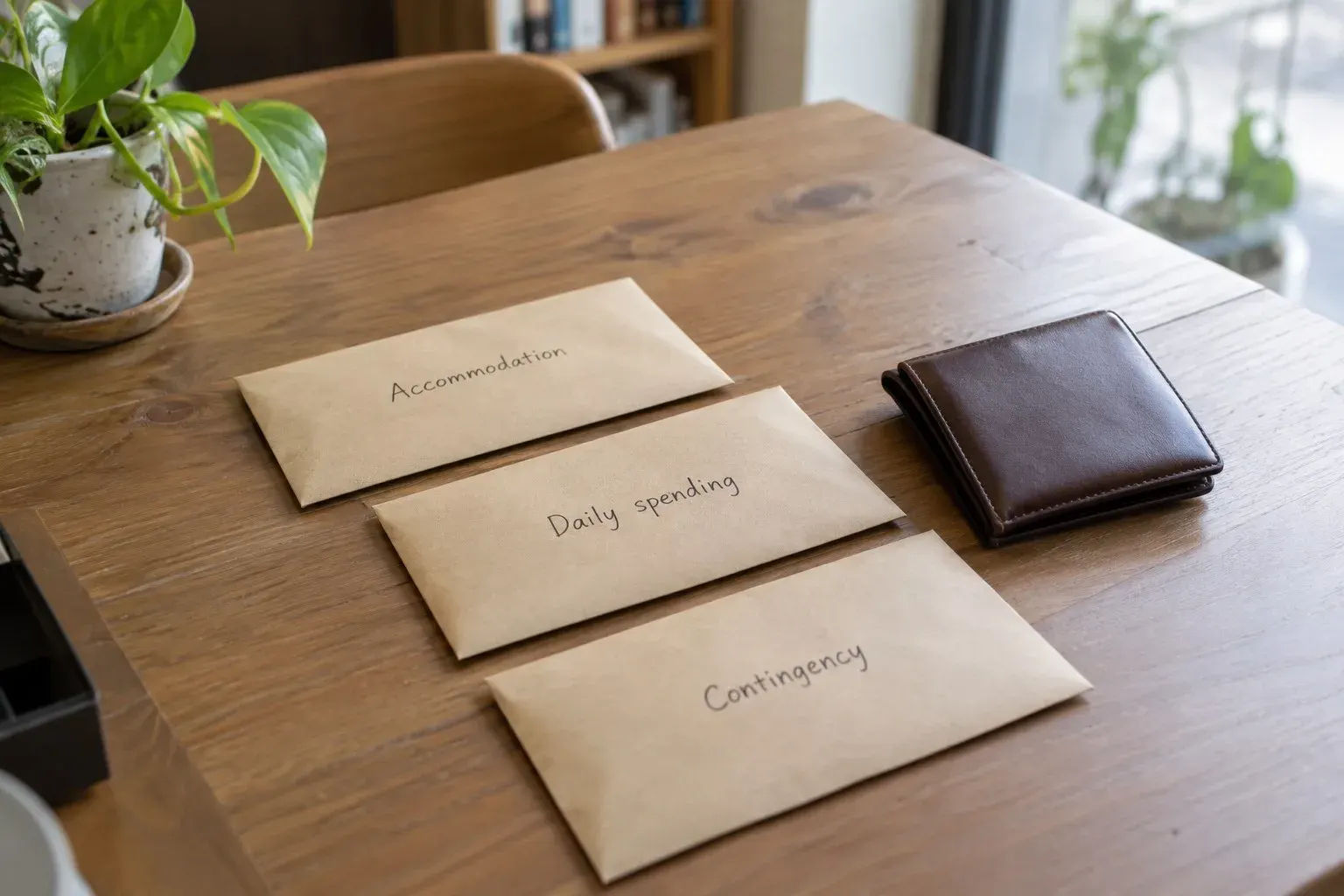
A lower nightly accommodation rate can help, but a longer trip still adds food, transport and activity days. Compare the total for the whole trip, including flights and the financial effect of being away from home. Monthly pricing is not a reason to spend beyond a comfortable limit.
Identify the costs that will continue at home, such as rent or subscriptions, before deciding what is available for Japan. Then reserve enough for the return and the period immediately afterwards. This is especially useful for a trip between jobs.
Use a weekly allowance as a decision aid, not a punishment. If you want a few memorable meals, make space for them. If you prefer browsing and walking, you may value a better room more than a long list of paid experiences.
What accommodation makes a slower month easier?
Think about how the room works when you spend an afternoon there. Seating, light, storage, cooking arrangements and laundry can matter repeatedly. A photogenic room that is uncomfortable for ordinary use can make the city feel more tiring than it needs to.
Clarify the service model. Read cleaning inclusions, access instructions and the way to request help. A furnished residence and a hotel can both suit a longer trip, but neither label promises the same experience everywhere.
HIVEN is one option to compare for a Kinshicho base, with a current public Residence minimum of 29 nights. Check the specific unit and full terms. If your ideal trip is considerably shorter, select accommodation that fits that plan instead of stretching it to match a product.
HIVEN BK Kinshicho
4-6-4 Kotobashi, Sumida-ku, Tokyo, Japan
Open in Google Maps
What should you do if the answer is “perhaps”?
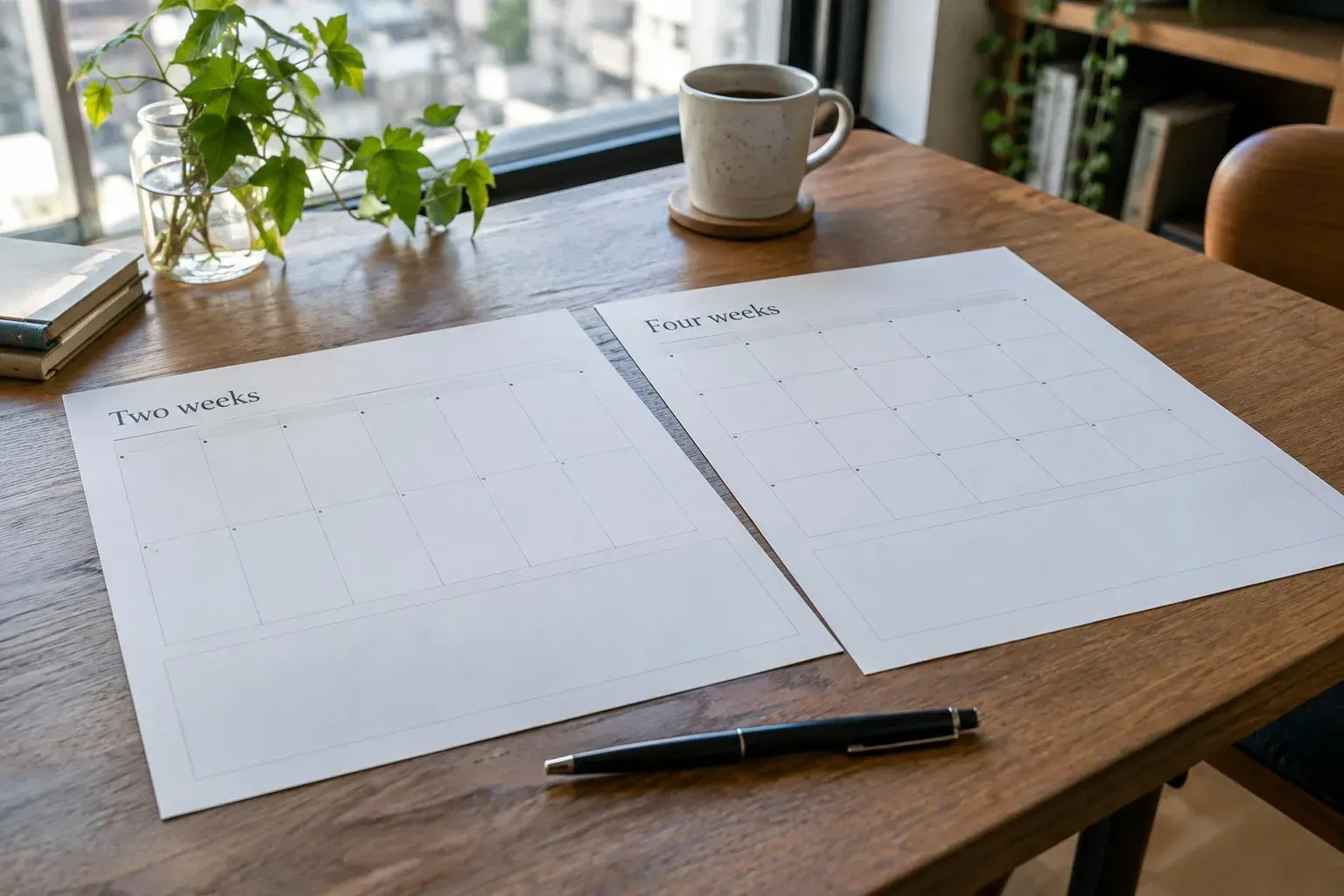
Create two complete outlines: a shorter trip and a month-long trip. Give both a realistic total, an arrival and departure plan, and enough room to rest. Comparing a detailed month with an imaginary cheap short trip will not tell you much.
Then ask which version you would choose if nobody saw the photographs. That question often makes the answer clearer. The best duration is the one you can afford, enjoy and return from comfortably.
Frequently asked questions
Will I run out of things to do in Tokyo?
That depends on your interests. Research the activities you genuinely enjoy and the travel between them. A huge choice of attractions does not mean you need to keep sightseeing every day.
Is a month better for a first or second visit?
Either can work. First-time visitors may appreciate time to adjust, while repeat visitors may have clearer personal interests. The useful distinction is your preferred pace, not your trip number.
Can a month feel lonely?
It can, particularly if you expect connection to happen automatically. Plan optional group activities and ways to stay in touch with people at home, while keeping time for yourself.
Should I include another Japanese city?
Include one if you want its experiences and can account for the additional travel and lodging. You do not need a side trip merely to prove a month was varied.
Is a day spent indoors wasted?
No. If it helps you enjoy the wider trip, it has a purpose. Budget and plan for an accommodation you can comfortably use when you need rest.
Should I commit to a month just for a lower nightly rate?
Compare full totals and flexibility first. More nights at a lower daily rate can still cost more overall than a shorter trip that suits you better.
Where should I start if I decide to stay a month?
Map your repeated journeys, set a total budget and check the exact room conditions. Once those foundations work, add the experiences you care about most.
Sources and information check
[JNTO — planning a visit to Japan](https://www.japan.travel/en/plan/)
[GO TOKYO — Kiyosumi Shirakawa](https://www.gotokyo.org/en/destinations/eastern-tokyo/kiyosumi-shirakawa/index.html)
[HIVEN — current Residence offer](https://www.hivenstay.com/?lang=en)
[HIVEN — booking and stay FAQ](https://www.hivenstay.com/faq)
Information checked: 30 October 2026. Recheck time-sensitive details before publication and before booking or visiting, including prices, opening hours, transport, entry requirements and the selected room’s terms. Suggested routines and sample itineraries are editorial planning examples, not guest testimonials.


