Living in Tokyo for a Month: From Tourist to Regular
Plan a month in Tokyo around neighbourhood routines, realistic costs and a home base that works after the sightseeing is done.

Written by Hive Heaven

Living in Tokyo for a month works best when you plan for ordinary days as carefully as the exciting ones. Choose a base that suits your daily journeys, understand the full accommodation cost, and leave time for shopping, laundry and rest. The reward is the chance to stop starting over every morning.
On a short trip, breakfast can feel like a decision that needs research. During a longer stay, it might become the bread you bought yesterday and a coffee you already know how to order. That modest change is part of the attraction: you still have a remarkable city outside, but you no longer need the whole city before lunch.
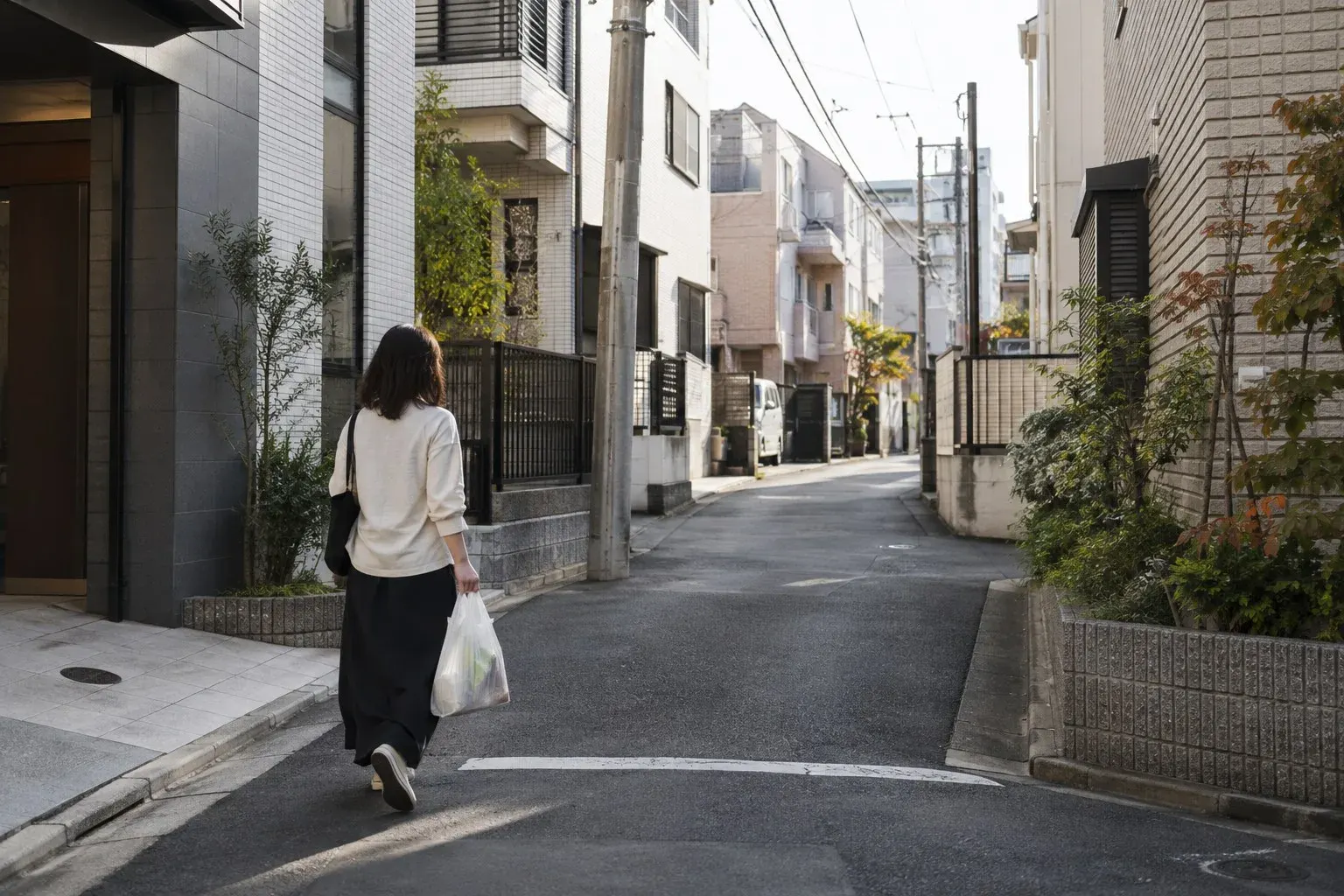
What changes after the first week?
The first week usually involves learning systems. Which station entrance is useful? Where do you buy breakfast? How does the washing machine work? Put those tasks into the itinerary. They take energy, even when none of them qualifies as a sightseeing highlight.
By the second week, repeating a route can become a choice rather than a failure of imagination. You can revisit a small shop, walk the same streets at a different time, or return to a museum area without feeling you should be somewhere new. You may also discover that your ambitious original plan was written by a version of you who never needed an afternoon nap.
Familiarity does not mean becoming a local in thirty days. You are a visitor using someone else's neighbourhood. Learning to queue, keep shared spaces quiet, follow the building's rubbish instructions and ask before photographing people matters more than performing an idea of local life.
A good month in Tokyo leaves you with favourite places, not just completed places.
Is a full month right for the trip you want?
Start with the reason you want more time. Perhaps you have already seen the major sights. Perhaps you want a long holiday with room for reading and cooking. Perhaps you want to explore a particular interest, from books to contemporary art. Each of these gives the extra weeks a purpose.
A month may be a poor fit if you want frequent changes of scenery, have a tight total budget, or would resent spending holiday time on everyday chores. A shorter Tokyo visit and a second destination can be the better trip. There is no prize for staying longer than your curiosity or finances comfortably allow.
Try a simple exercise: describe three days without using the name of a famous attraction. If you can picture a grocery morning, a neighbourhood walk and an afternoon following a hobby, you already have something to build around. If every day must deliver a spectacle, consider a more concentrated itinerary.
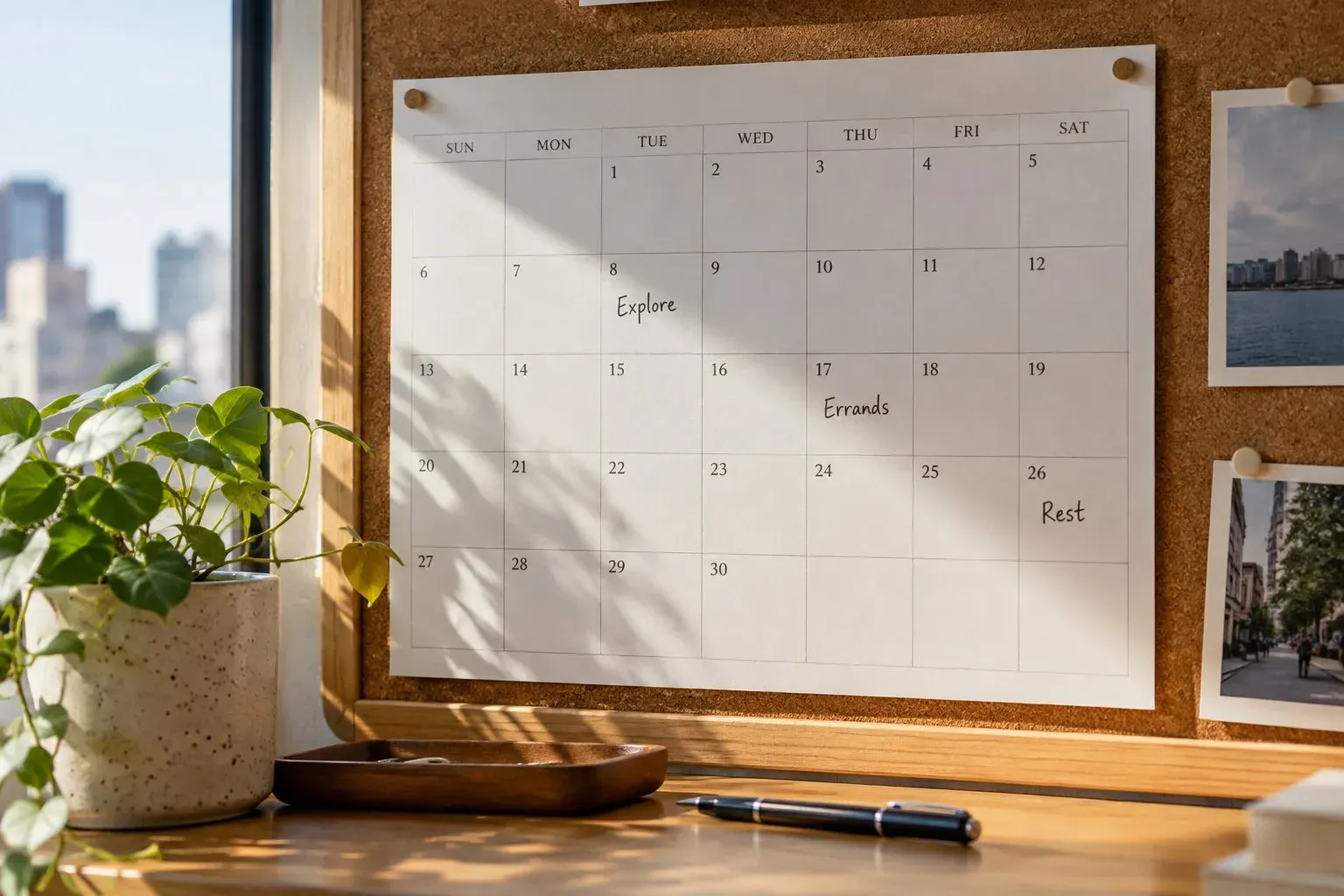
How do you choose a neighbourhood you can live in?
List the places you expect to use repeatedly, then compare routes from prospective accommodation. A great address for one sightseeing day may be awkward for a weekly class or the part of town where you will spend most evenings. Check door-to-door journeys rather than relying on a station name alone.
Kinshicho is one option for an eastern Tokyo base. Tokyo Metro lists it on the Hanzomon Line. That is a useful starting point for route planning, but the right exit, walking distance and service on your travel date still matter. Save the accommodation's exact address and practise the arrival route on a map before flying.
Kinshicho Station — Tokyo Metro
3-14-6 Kotobashi, Sumida-ku, Tokyo, Japan
Open in Google Maps
Assess the small circuit around the room: food shopping, a simple meal, an outdoor walk and a way home when tired. Do not select every stop by popularity. A place you can comfortably use on an ordinary Wednesday can be more valuable than a famous place you visit once.
Look at trade-offs honestly. If you expect late nights in a different part of Tokyo, compare the last trains and other return options. If stairs are difficult, examine station and building access. If you are sensitive to noise, ask about the specific room rather than treating an entire district as uniformly quiet.
What should a month-long room help you do?
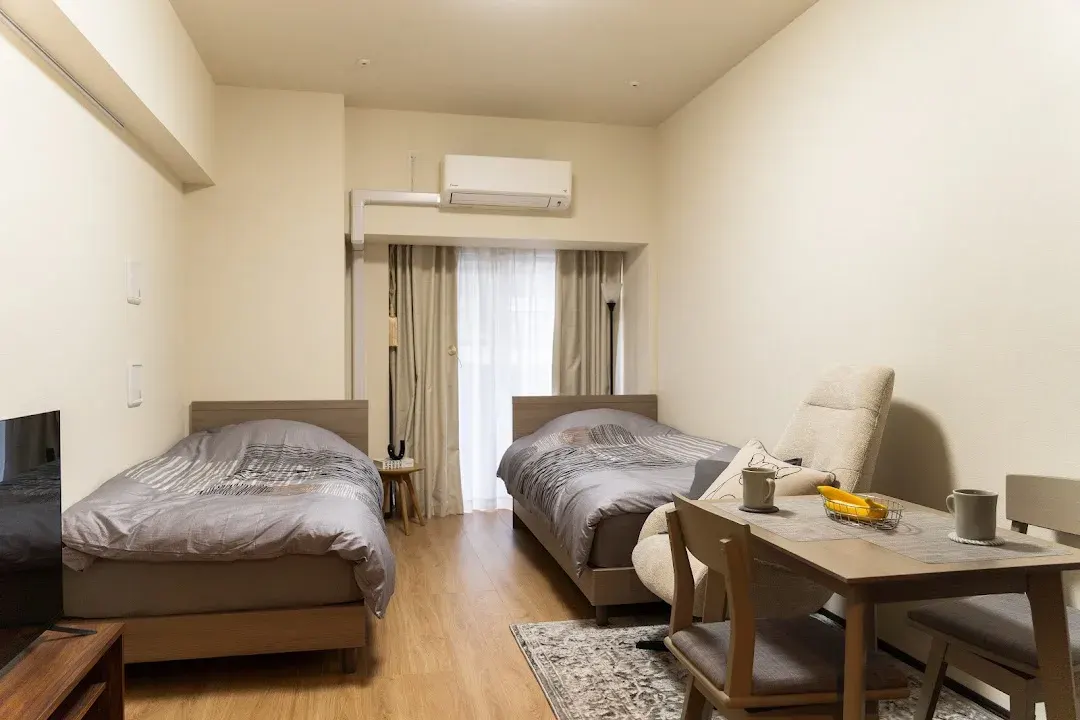
Think through a day from waking to sleeping. Where will you eat breakfast? Can luggage be unpacked without blocking the room? What is the actual laundry arrangement? Is there somewhere comfortable to sit that is not the bed? Photographs should answer these questions as well as show the room's atmosphere.
The terms monthly mansion, serviced apartment and furnished residence help you find options, but they do not standardise equipment or services. Compare the unit's inclusions and conditions. A washer is not automatically a dryer; a kitchen does not identify every utensil; a desk does not establish whether two people can use laptops comfortably.
HIVEN currently offers Residence bookings from 29 nights. Use your actual dates and guest count when checking rooms. Read the listing and final terms together, especially the total, payment timing, included services and changes. The accommodation decision should support your particular month rather than a generic picture of long-stay travel.
HIVEN BK Kinshicho
4-6-4 Kotobashi, Sumida-ku, Tokyo, Japan
Open in Google Maps
What belongs in the budget besides accommodation?
Build the budget in Japanese yen first. Add the room's full quoted total, food, local transport, connectivity, travel insurance, activities and any overnight side trip. Keep the international flight separate so you can compare travel dates without confusing the cost of living in Tokyo with the cost of getting there.
For readers paying in US dollars or pounds, convert the total using a dated rate and allow for your payment provider's charges. Avoid comparing a headline nightly price with another property's all-in quote. A small-looking difference can disappear when the stay length or included charges changes.
Then design a normal week of spending. How many restaurant meals do you actually want? How many paid attractions? Will you buy groceries that need using before a side trip? A realistic weekly pattern is more useful than imagining that every day will be either wonderfully frugal or an extravagant treat.
Protect a separate contingency amount. It should cover unexpected changes without being silently counted as spending money. A longer trip feels more relaxed when a missed plan or an extra journey does not require rewriting the rest of the month.
How can you give four weeks a useful shape?
Week one can be about orientation: learn the room, shop modestly and mix a few anticipated sights with short local outings. Week two can broaden the map, grouping destinations by area. Week three can follow an interest or include a carefully costed side trip. Week four can be for returning to the places you liked and finishing without a frantic final checklist.
This is a flexible framework, not a rule about when you are allowed to do something exciting. Book genuinely important timed experiences when availability requires it. Keep the less important days movable so weather, energy and new discoveries can change the sequence.
For example, Kiyosumi-Shirakawa offers a coffee-and-art direction that GO TOKYO describes in its neighbourhood guide. You could use one visit to orient yourself and another to explore more slowly. You do not need to drink five coffees or visit every gallery to justify crossing town.
Kiyosumi-Shirakawa neighbourhood
Kiyosumi-Shirakawa, Koto City, Tokyo, Japan
Open in Google Maps
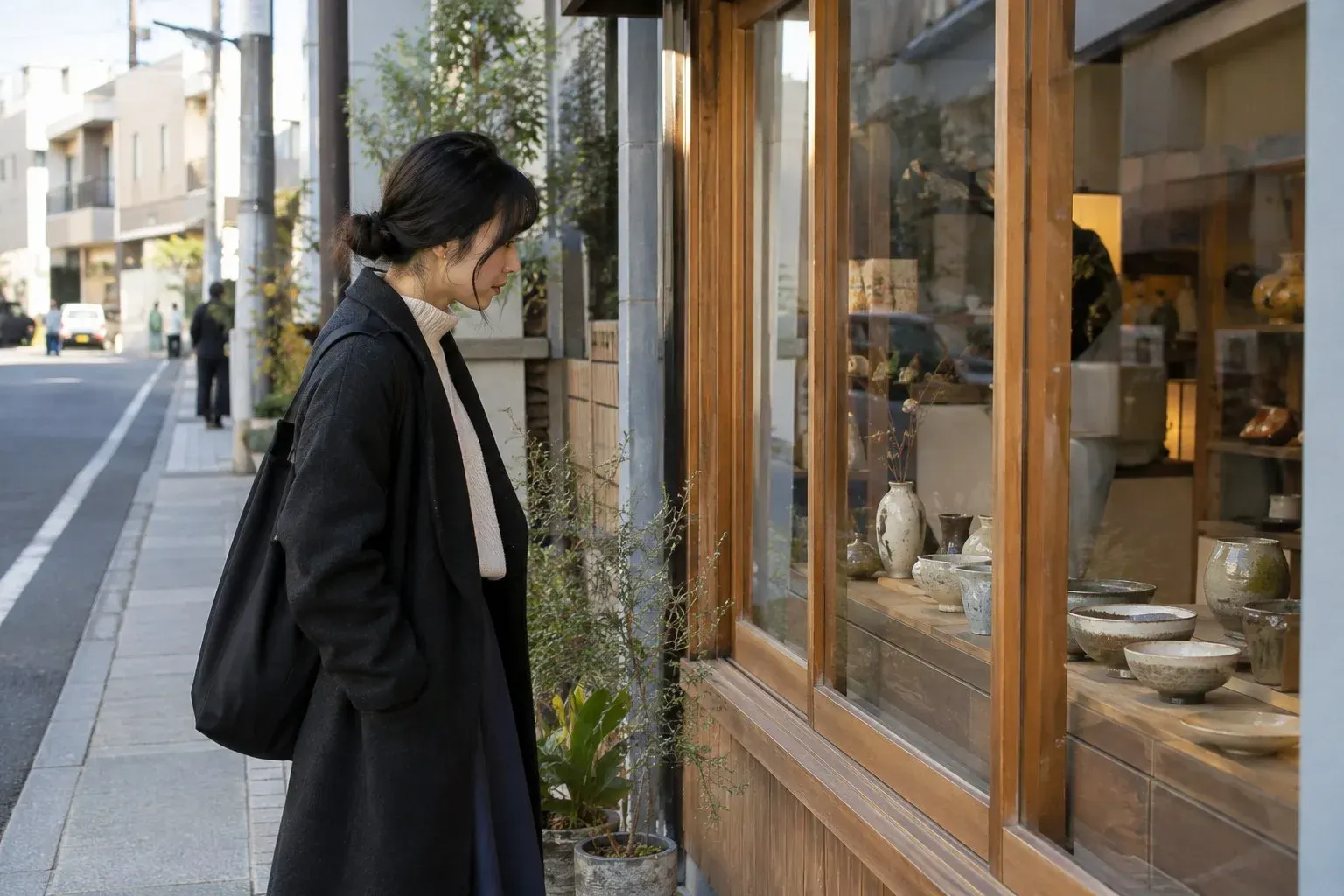
What does a manageable everyday routine look like?
A useful routine reduces decisions without making your holiday rigid. Keep two easy breakfasts available, set aside a realistic laundry window, and know one dinner you can manage when you return tired. Save the nearest useful shops on your map, then stop searching for a better option every evening.
Use the room as a place to recover, not as a storage locker you feel guilty entering before bedtime. An afternoon reading indoors can make the next day's exploration much more enjoyable. At the same time, avoid turning domestic organisation into its own demanding project; you are not furnishing a permanent household.
The [Kinshicho supermarket guide](https://www.hivenstay.com/guides/lifestyle/supermarkets-you-will-actually-use-kinshicho) can help you build that first shopping circuit. For laundry, check the [indoor drying guide](https://www.hivenstay.com/guides/tips/why-clothes-wont-dry-tokyo-indoor-laundry-2026) and the actual instructions in your accommodation.

What should you settle before departure?
Confirm the dates you can be away, the number of accommodation nights and the purpose of your visit. Entry rules depend on nationality, passport and activity. Living in the UK or the US is not itself the same as holding a passport covered by a particular arrangement. Use the Ministry of Foreign Affairs and the relevant Japanese embassy.
Do not assume that a tourist stay permits employment or remote work because the accommodation has Wi-Fi. If work is part of the plan, establish the appropriate immigration and other requirements separately. A booking confirmation does not decide those questions.
Prepare arrival instructions, an offline address, insurance details and a way to contact the accommodation. Check medications and any special requirements before travel. These quiet preparations are what make the first night easier when your phone battery is low and every station sign appears to demand attention.
How do you end the month well?
Leave room in the final week for both returning and leaving. Revisit the place you kept meaning to go back to. Use the groceries you have. Confirm checkout instructions, the airport journey and the flight's local date and time. A month-long booking does not remove the need to plan the final morning.
You do not have to decide that Tokyo is your future home. Perhaps the month simply gives you a clearer idea of what you enjoy: walking to buy breakfast, having fewer possessions, making space for a hobby. That is a substantial souvenir, even if it does not fit into a shopping bag.
Frequently asked questions
Is living in Tokyo for a month the same as moving to Japan?
No. A temporary visit gives you time to experience routines, but it does not establish residency or permission for activities outside your immigration status. Plan the trip around the rules that apply to your circumstances.
Does one month always mean thirty nights?
No. Count the nights between check-in and checkout using the actual dates. Calendar months vary, and accommodation minimums are separate. HIVEN's public Residence minimum is currently 29 nights.
Do I need to cook every day to justify an apartment?
No. A place for breakfast, refrigerated food or a quiet takeaway dinner may be useful even if you frequently eat out. Compare the value of the room against your likely habits.
Will I need a car for this plan?
Build your own routes using the public transport information for your destinations before considering a car. A central-city routine and a rural excursion have different requirements; do not rent a vehicle simply because you are staying longer.
Should I book every day in advance?
Prioritise experiences that matter to you and require reservations. Leave the remainder adaptable. Filling every day removes much of the flexibility that makes a month attractive.
Can I leave Tokyo for a few nights?
Yes, if your travel conditions permit it, but account for transport and the second accommodation while you retain the Tokyo room. Ask about any relevant building requirements and do not assume unused nights are refunded.
What should I compare before choosing HIVEN?
Compare the actual room layout, occupancy, dates, full quote, service inclusions and terms with your needs. Use the live booking information rather than treating an editorial example as a guaranteed offer.
What should I read next?
Start with food shopping and the daily journeys you expect to repeat. Then examine room details. A practical picture of your week makes the accommodation comparison easier than starting with photographs alone.
Sources and information check
[HIVEN — current Residence offer](https://www.hivenstay.com/?lang=en)
[HIVEN — booking and stay FAQ](https://www.hivenstay.com/faq)
[Tokyo Metro — Kinshicho Station and Hanzomon Line](https://www.tokyometro.jp/lang_en/station/kinshicho/index.html)
[JNTO — planning a visit to Japan](https://www.japan.travel/en/plan/)
[GO TOKYO — Kiyosumi Shirakawa](https://www.gotokyo.org/en/destinations/eastern-tokyo/kiyosumi-shirakawa/index.html)
[Japan Ministry of Foreign Affairs — visa exemption conditions](https://www.mofa.go.jp/j_info/visit/visa/short/novisa.html)
Information checked: 30 October 2026. Recheck time-sensitive details before publication and before booking or visiting, including prices, opening hours, transport, entry requirements and the selected room’s terms. Suggested routines and sample itineraries are editorial planning examples, not guest testimonials.


