A Week in Kinshicho: Groceries, Easy Dinners and Walks Near Home
See how a Kinshicho base can work across seven ordinary days, with practical errands, neighbourhood outings and time to stay close to home.

Written by Hive Heaven

A week in Kinshicho can combine the practical work of a longer stay with neighbourhood outings and easy evenings. Learn your route to the station, choose a useful food shop, then add walks and short trips around that small foundation. You do not need to cross Tokyo every day to make the week worthwhile.
The seven days below are an example, not a record of a guest's stay or a fixed tour. Rearrange them around opening days, weather, your energy and any reservations. Kinshicho is your base in this plan; some optional outings take you into neighbouring areas.
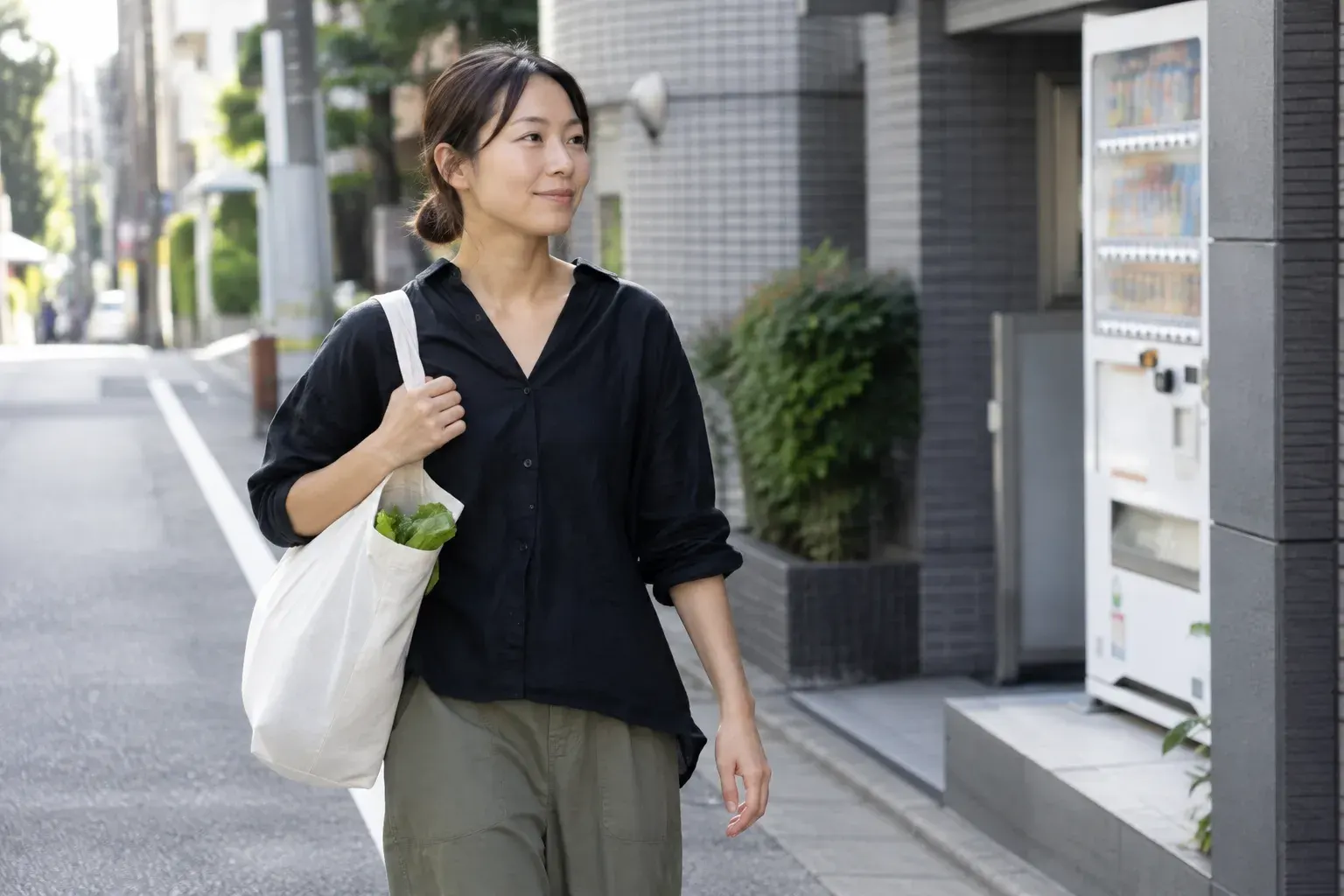
Day one: what makes the first evening easier?
Prioritise arrival instructions and a simple meal. Check where you will sleep, how the room is accessed and how to contact the accommodation. Read the practical information while you still have enough attention to use it.
Walk only as far as needed to solve the evening and next morning. If arriving late, check the current opening information for your chosen food stop before leaving the room. Having a plan is easier than comparing every illuminated shop while tired.
Save the exact address in Japanese and English, plus an offline map or route screenshot. The first familiar journey is often the one back to the room. It becomes more useful than a long list of destinations.
HIVEN BK Kinshicho
4-6-4 Kotobashi, Sumida-ku, Tokyo, Japan
Open in Google Maps
Day two: how do you make the station and supermarket familiar?
Choose the station entrance that suits your actual route. Tokyo Metro's official Kinshicho page provides station information; distinguish it from other transport facilities when planning. A station name alone does not identify the right entrance or meeting point.
Then make a small grocery run. LIFE is in Arcakit Kinshicho's basement. Use the shopping-centre directory for current details and buy only enough for the next few days. An exploratory shop should not leave you carrying more than you can comfortably manage.
LIFE — Arcakit Kinshicho
Arcakit Kinshicho B1F, 2-2-1 Kinshi, Sumida-ku, Tokyo, Japan
Open in Google Maps
Keep the receipt and note which products worked. You are gathering information for the next several weeks, not trying to win the first day of supermarket research. A successful purchase is one you use.
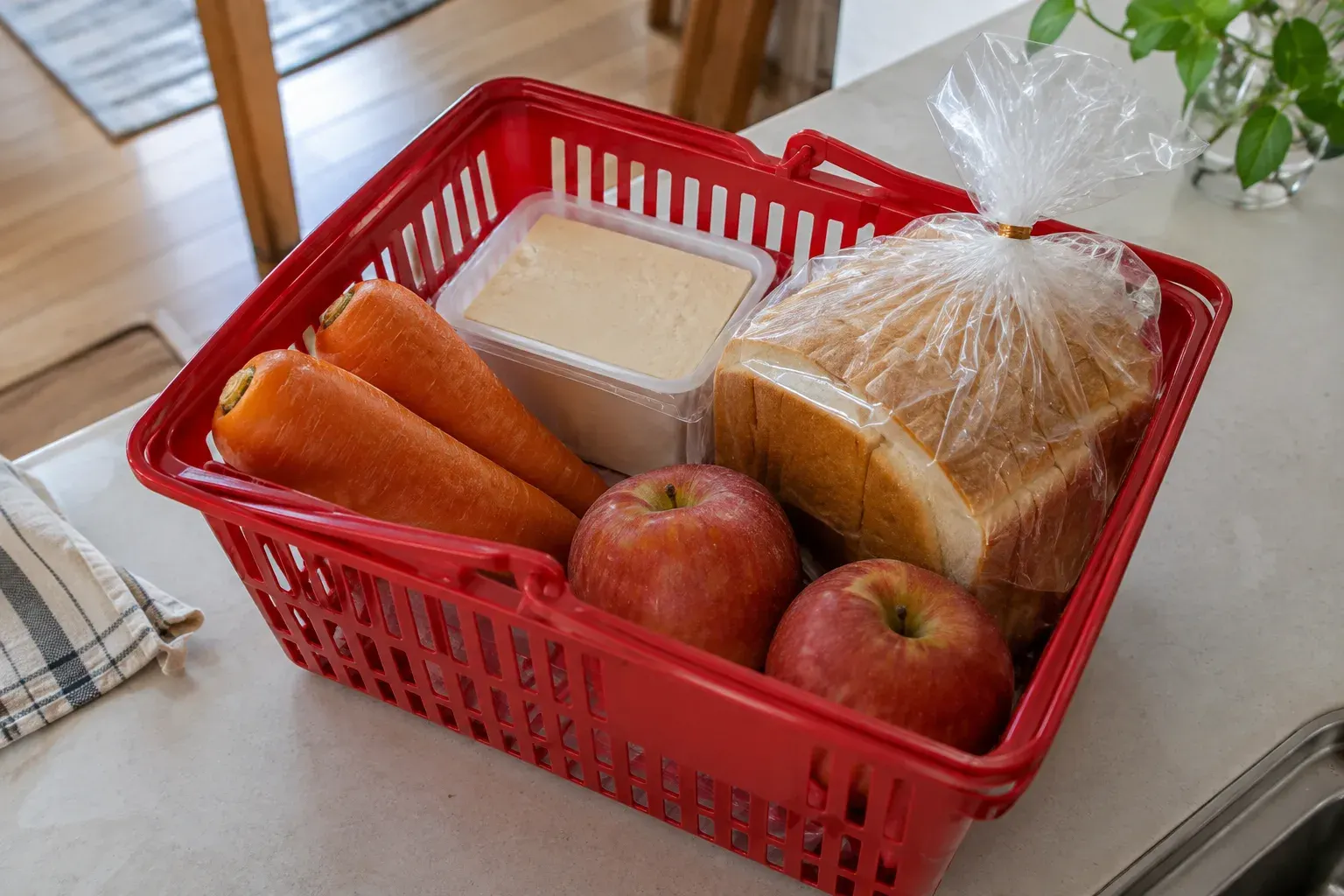
Day three: what does a deliberately local day look like?
Start with breakfast at your own pace, then take a short walk that connects places you already know. Notice crossings, entrances and where you can pause without blocking the pavement. Look for a route you would enjoy repeating.
Give the middle of the day to something that fits your energy: reading, browsing, a small errand or an activity you independently check. There is no requirement to turn a local day into a secret-best-places tour.
Return before you are exhausted and make dinner straightforward. This is a chance to test the room's practical setup. If an appliance or arrangement is unclear, ask for instructions now rather than relying on guesswork for the rest of the stay.
A neighbourhood becomes useful when you know how to have an ordinary day there.
Day four: would you like a coffee-and-art outing?
Kiyosumi-Shirakawa offers a possible change of scene. GO TOKYO describes its coffee and art character, and the area is served by the Hanzomon Line among its connections. Check your exact route and the individual venue's opening information before travelling.
Choose one main purpose. It could be a particular exhibition or a cafe you want to try. Leave the walk between stops flexible, and avoid assuming every attractive doorway is a public venue or a place where photography is welcome.
Kiyosumi-Shirakawa neighbourhood
Kiyosumi-Shirakawa, Koto City, Tokyo, Japan
Open in Google Maps
A day out does not need to end in a second major neighbourhood. Returning to Kinshicho for a simple evening can make the outing feel complete rather than prematurely cut short.
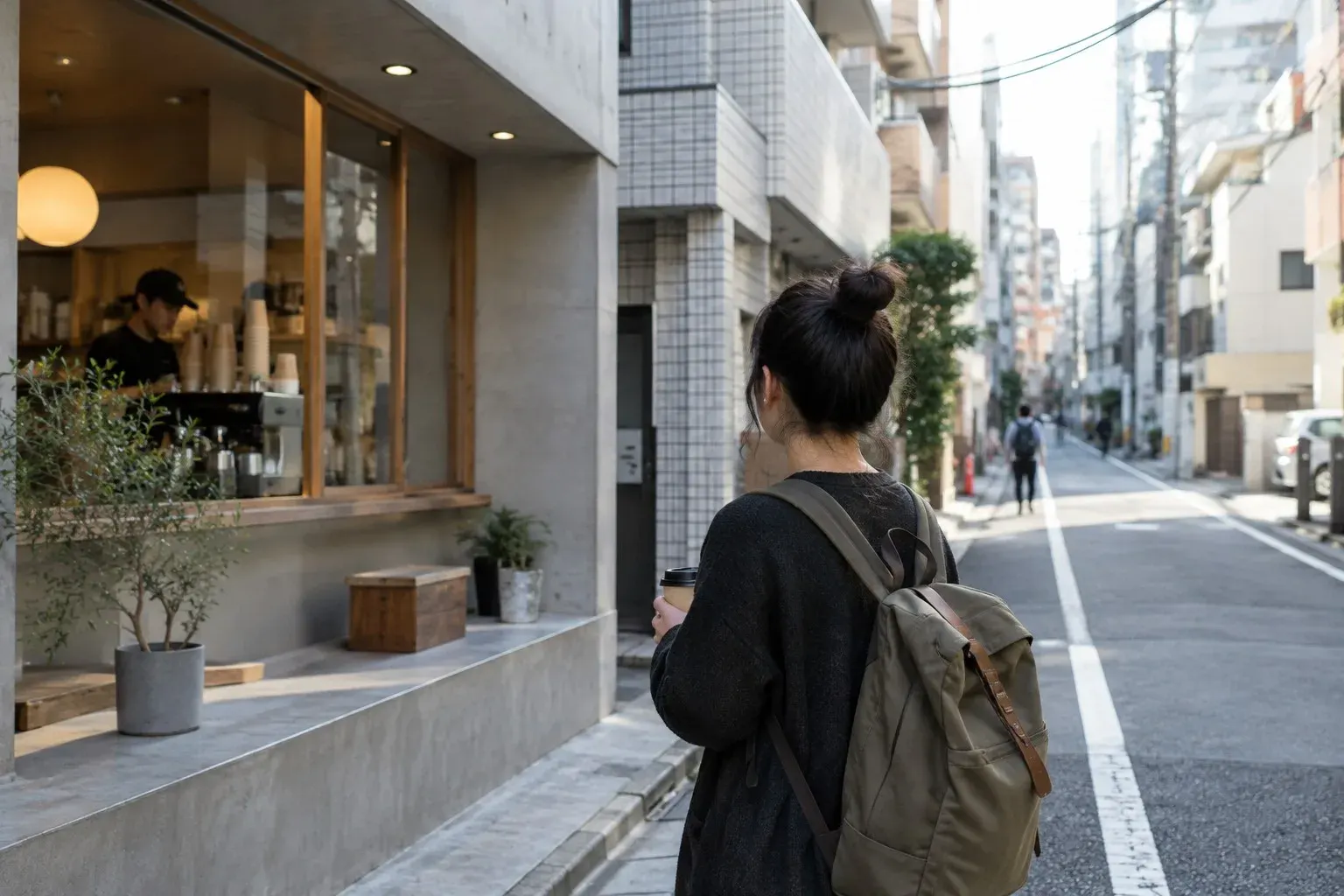
Day five: when do you fit in laundry and rest?
Make practical tasks visible. Check the room's washing and drying instructions, then allow time for the process actually available. Do not assume in-unit laundry includes a particular dryer or cycle.
The [indoor laundry guide](https://www.hivenstay.com/guides/tips/why-clothes-wont-dry-tokyo-indoor-laundry-2026) can help you think about drying space and timing. Your room's instructions remain the starting point for operating its equipment.
Use the rest of the day as a buffer. You might revisit something postponed by weather or simply stay nearby. A weekly plan with no buffer can turn a minor delay into several days of rescheduling.

Day six: what lies beyond the familiar circuit?
Choose an outing that extends the map without making the day complicated. The Kameido Tenjin area is one option to research. GO TOKYO lists the shrine's address and seasonal visitor information; check current conditions rather than assuming the photographs describe your travel month.
Kameido Tenjin Shrine
3-6-1 Kameido, Koto City, Tokyo, Japan
Open in Google Maps
A seasonal event can be a reason to go, but it should not be promised outside its confirmed dates. The route, weather and your mobility also determine whether walking or another form of transport makes sense.
If you prefer Oshiage and the Tokyo Skytree area, make that the day's direction instead. Check the attraction you choose separately for opening, tickets and current access. You can enjoy an area without trying to combine every nearby option.
Day seven: what would you like to repeat?
Choose something from the week that deserves another visit. It might be a shop, a meal or a short walk. Repetition is one of the opportunities of a longer stay, not evidence that you have run out of ideas.
Review the practical side too. Did you choose the right grocery quantities? Was a route more tiring than expected? Is there something in the room you need clarified? Make one or two adjustments rather than redesigning the whole month.
If the next week will be busier, prepare a few simple food options and check your calendar. If it will be quiet, leave room for a new interest. The first week should give you information, not a routine you are obliged to keep.
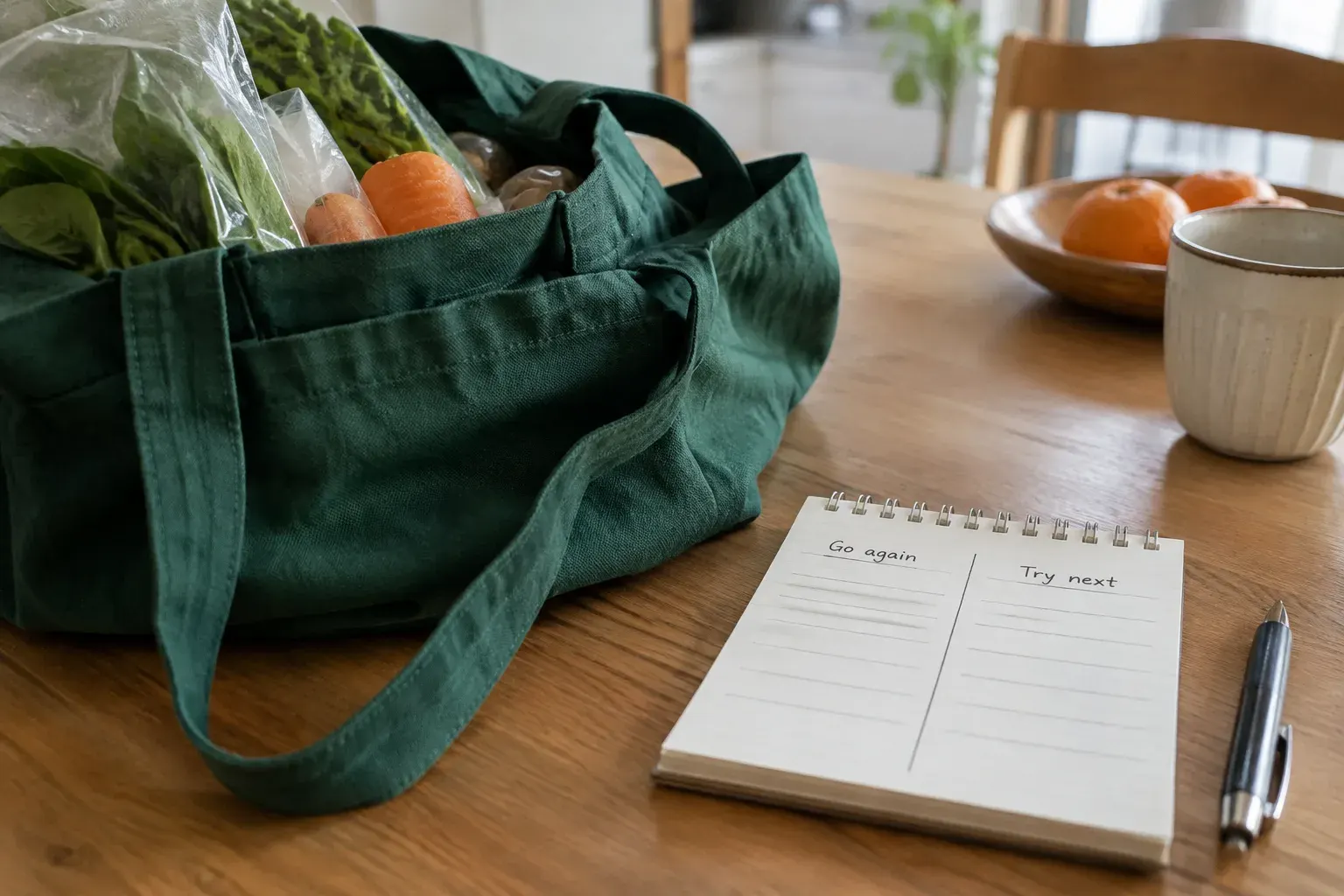
How do you keep dinner easy through the week?
Separate the meals you want to plan around from the meals that simply need to work. Research special dinners individually, including reservations and dietary communication. For ordinary evenings, a current nearby option or suitable prepared food may be enough.
SEIYU Kinshicho can be another shopping location to investigate on the Kotobashi side. The official page lists current opening details and possible department exceptions. Check before relying on a specific service or product late at night.
SEIYU Kinshicho
4-27-14 Kotobashi, Sumida-ku, Tokyo, Japan
Open in Google Maps
Do not treat an old list as a guarantee of menus, prices or availability. The [Kinshicho supermarket guide](https://www.hivenstay.com/guides/lifestyle/supermarkets-you-will-actually-use-kinshicho) helps with orientation, while the individual business provides the current details.
What should you check before choosing this base?
Map the journeys you expect to make repeatedly. If most evenings will be across the city, compare that return trip honestly. The convenience of nearby groceries does not replace the need for suitable transport.
Inspect the actual room layout, occupancy and total quote. HIVEN's public Residence offer starts at 29 nights; the weekly plan here illustrates a routine within a longer stay, not a seven-night product offer.
A good base lets the exciting days and ordinary days coexist. You should be able to return with dinner, put down your bag and feel that the day has landed somewhere comfortable.
Frequently asked questions
Is this a seven-night HIVEN package?
No. It is an illustrative week within a longer stay. The current public Residence minimum is 29 nights; check live booking conditions.
Do I have to follow the days in this order?
No. Adapt them to arrival time, venue opening days, weather and your interests. Keep the practical tasks early enough to make the rest easier.
Are all the suggested places in Kinshicho?
No. Kinshicho is the base; Kiyosumi-Shirakawa, Kameido and Oshiage are possible outings beyond the immediate circuit.
Does the plan require a lot of walking?
You can shorten or change the routes. Check distance, access and transport for your needs rather than assuming an entire outing must be walked.
Are restaurant bookings included?
No. This is an editorial guide, and any restaurants or activities need their own checks and reservations where required.
Can I use the supermarket opening hours throughout the year?
Check current notices, especially around holidays or changes to individual departments. The official business information should guide the actual visit.
What is the most useful thing to learn in the first week?
Learn how to get home, buy suitable food and use the room's essential facilities. Those small skills make the following weeks more comfortable.
Sources and information check
[Tokyo Metro — Kinshicho Station and Hanzomon Line](https://www.tokyometro.jp/lang_en/station/kinshicho/index.html)
[Arcakit Kinshicho — LIFE supermarket](https://mitsui-shopping-park.com/arcakit/shopguide/500086.html)
[SEIYU — Kinshicho store information](https://www.seiyu.co.jp/shop/西友錦糸町店/)
[GO TOKYO — Kiyosumi Shirakawa](https://www.gotokyo.org/en/destinations/eastern-tokyo/kiyosumi-shirakawa/index.html)
[GO TOKYO — Kameido Tenjin Shrine and seasonal visiting information](https://www.gotokyo.org/en/spot/ev197/index.html)
[HIVEN — Kinshicho supermarket guide](https://www.hivenstay.com/guides/lifestyle/supermarkets-you-will-actually-use-kinshicho)
[HIVEN — current Residence offer](https://www.hivenstay.com/?lang=en)
Information checked: 30 October 2026. Recheck time-sensitive details before publication and before booking or visiting, including prices, opening hours, transport, entry requirements and the selected room’s terms. Suggested routines and sample itineraries are editorial planning examples, not guest testimonials.


