Your First 24 Hours in Kinshicho
A practical first-day rhythm for settling into Kinshicho: arrive, get connected, withdraw yen, buy essentials, eat nearby, and take one calm neighborhood walk before Tokyo starts to feel manageable.

Written by Hive Heaven
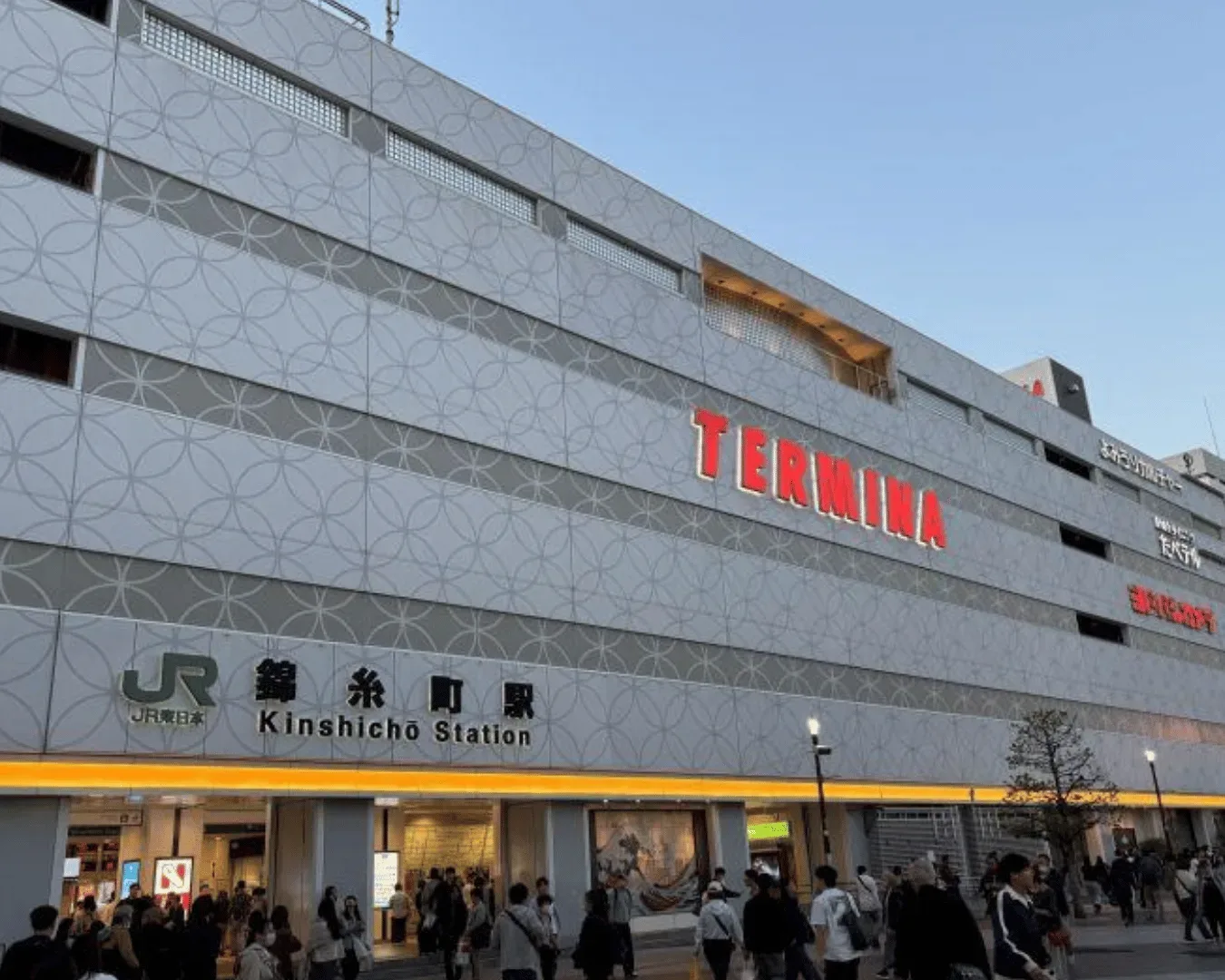
Your first 24 hours in Tokyo should not be an endurance test. The city will offer too many choices immediately: train lines, ticket machines, convenience stores, restaurants, vending machines, payment methods, weather, language, luggage, and the quiet pressure to begin “properly.” Do not begin properly. Begin practically. From HIVEN in Kinshicho, the first day is not about covering Tokyo. It is about making a small part of Tokyo usable. Find the station. Connect your phone. Get some yen. Buy water, breakfast, and anything your charger situation forgot. Eat close to home. Walk once around the neighborhood before sleep. The reward is not excitement. The reward is waking up on the second morning with fewer questions.
Do Less, In the Right Order
he order matters more than the number of stops. If you are arriving from overseas, solve the digital basics before leaving the airport when possible. Visit Japan Web is the official online service for immigration and customs arrival procedures, while Narita and Haneda both list SIM, Wi-Fi, or mobile rental options inside airport facilities. Next, make sure you can move. A prepaid IC card or mobile Suica reduces the number of ticket-machine decisions you have to make while tired. JR East describes Welcome Suica as a 28-day visitor card usable for travel and shopping, and also offers Welcome Suica Mobile for iOS. Then aim for Kinshicho. Once you arrive, do not immediately start exploring. Go to HIVEN first. Put your luggage down. Wash your hands. Charge your phone. Stand still long enough to understand that the day is no longer about transit. After that, the neighborhood can begin.
Get Connected Before You Get Clever
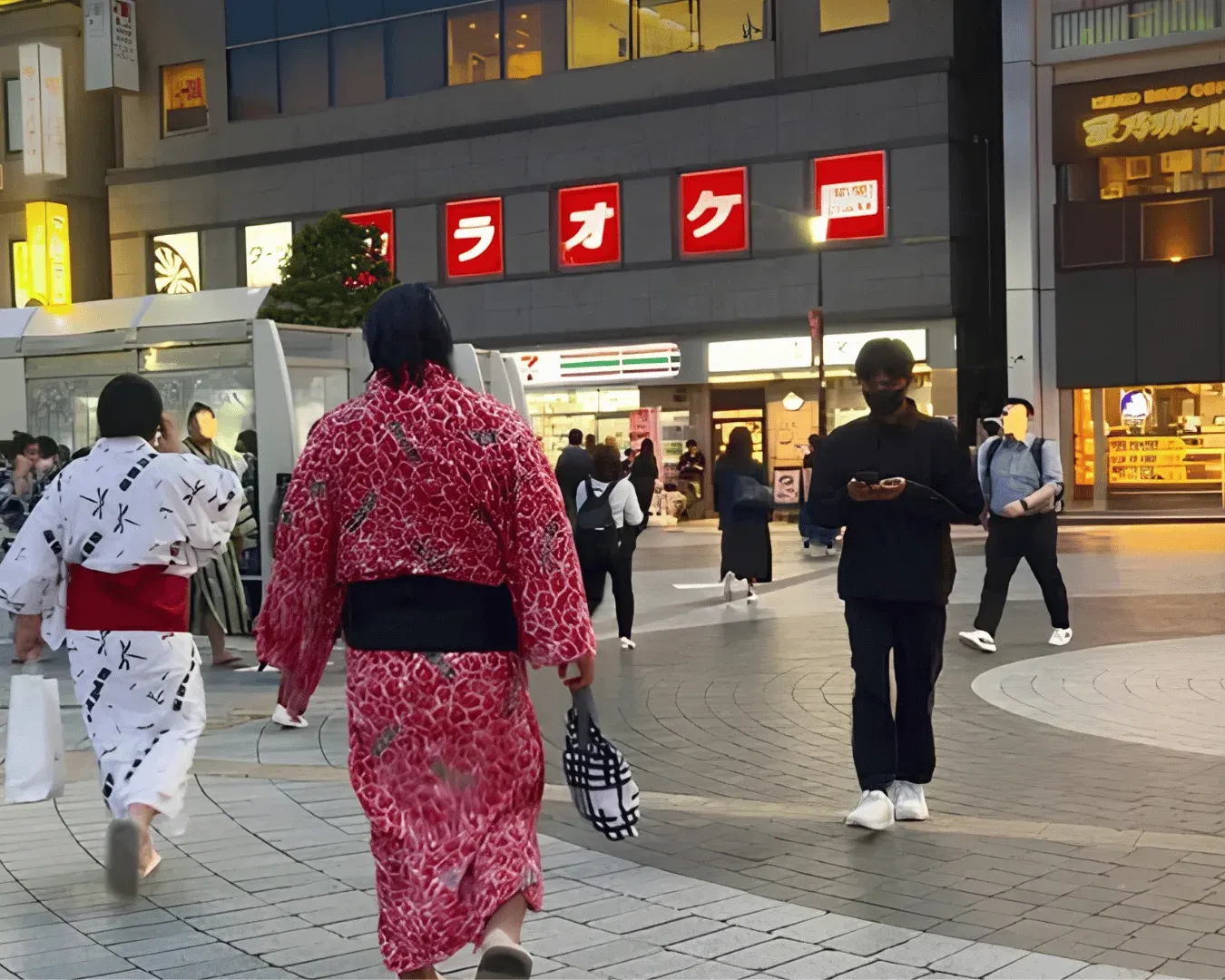
Your phone is not a luxury on the first day. It is the map, translator, payment backup, train-checker, weather note, and emergency contact. If your phone supports eSIM, set it up before departure or during airport Wi-Fi time. If you need a physical SIM, check airport counters before you leave the terminal. Narita Airport officially lists mobile phone, Wi-Fi rental, and SIM card sales locations, while Haneda Airport lists SIM and Wi-Fi options including Terminal 3 arrival-area services. Then solve transit. Kinshicho works well as a first base because it is not isolated. JR East provides Kinshicho Station information for the JR lines, and Tokyo Metro lists Kinshicho as station Z13 on the Hanzomon Line. On your first afternoon, that connectivity should not encourage ambition. It should give you confidence. Tokyo is reachable tomorrow. Tonight, you only need to know how to get home.
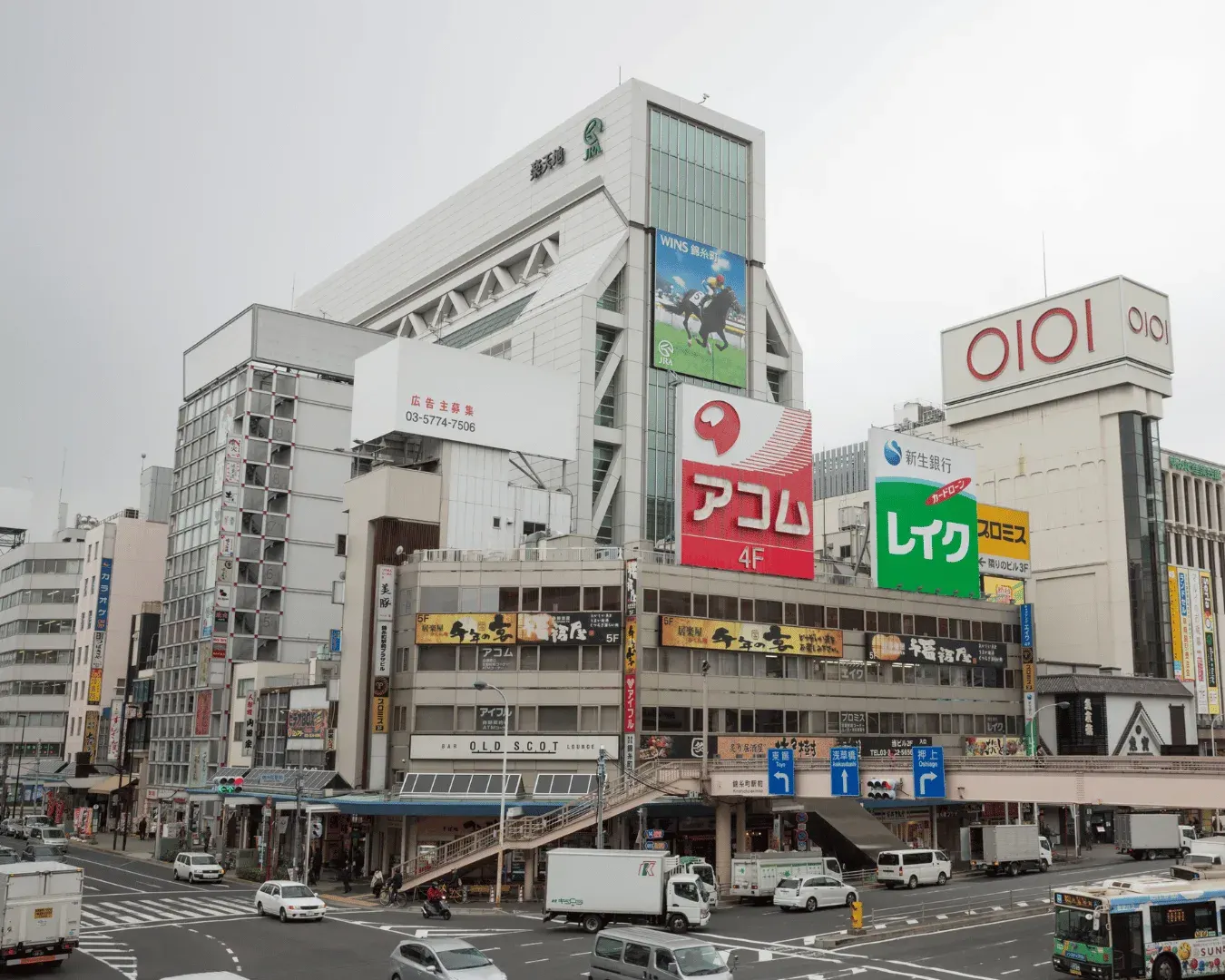
KINSHICHO STATION
3-14-5 Kotobashi, Sumida City, Tokyo 130-0022
Open in Google Maps
Cash, Cards, and the First Small Problem
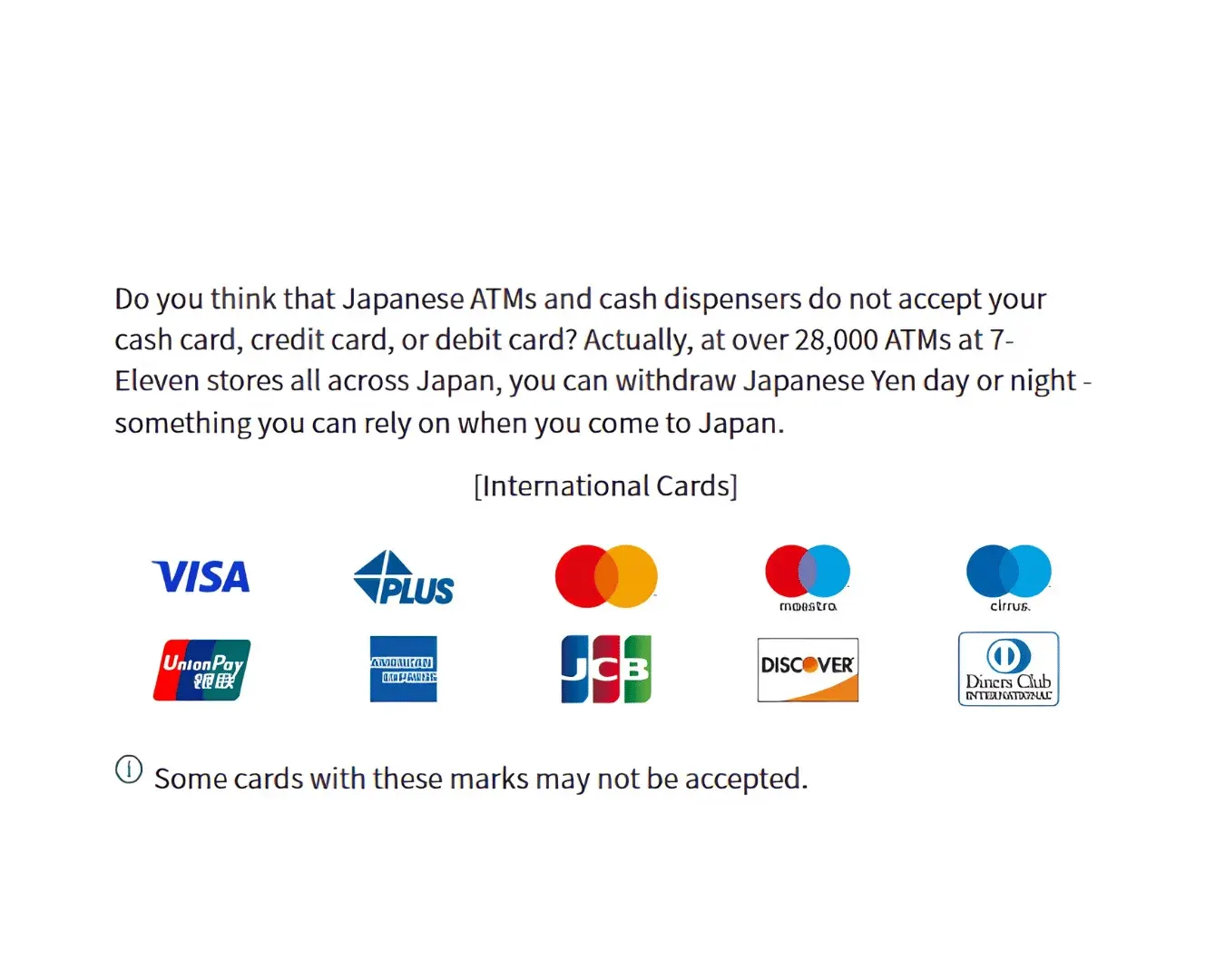
You can live much of a Tokyo day by card or IC payment. Still, your first 24 hours should include some cash. Not too much. Enough. Small restaurants, older ticket machines, neighborhood clinics, coin lockers, laundry corners, shrine boxes, and tiny surprises still make cash useful. Seven Bank officially states that overseas-issued credit, debit, and cash cards can be used to withdraw Japanese yen at its ATMs, though card acceptance and fees can vary by card brand and issuing bank. Near HIVEN, the most practical first ATM is inside Kinshicho PARCO. Seven Bank lists a Kinshicho PARCO ATM with an 11:00–21:00 operating window. If you arrive late, do not turn cash into an adventure. Use the card you have, buy the water you need, and solve the rest tomorrow.
SEVEN BANK ATM — KINSHICHO PARCO
4 Kotobashi, Sumida City, Tokyo 130-0022
Open in Google Maps
Buy Only What Tonight Needs
The first shopping list should be short. Water. Breakfast. A charging cable if yours is wrong. A small towel. Laundry detergent if you know you will need it. Toothpaste, face wash, pain relief, or whatever your flight made suddenly important. Do not buy your whole Tokyo life on the first night. Kinshicho makes restraint easier because the basics are close. LIFE Kinshicho Station Store is located in Arcakit Kinshicho B1F and lists hours of 9:30–23:00, which makes it useful for groceries after arrival. Yodobashi Camera Multimedia Kinshicho is inside TERMINA, with official store information listing the address at 3-14-5 Kotobashi; TERMINA’s own shop information lists Yodobashi Camera hours as 9:30–22:00. Buy enough to make the room work tonight. The rest of the month can be assembled slowly.
LIFE KINSHICHO STATION STORE
Arcakit Kinshicho B1F, 2-2-1 Kinshi, Sumida City, Tokyo 130-0013
Open in Google Maps
YODOBASHI CAMERA MULTIMEDIA KINSHICHO
3-14-5 Kotobashi, Sumida City, Tokyo 130-8580
Open in Google Maps

“The first day is not for understanding Tokyo. It is for making tomorrow possible.”
Eat Near Home
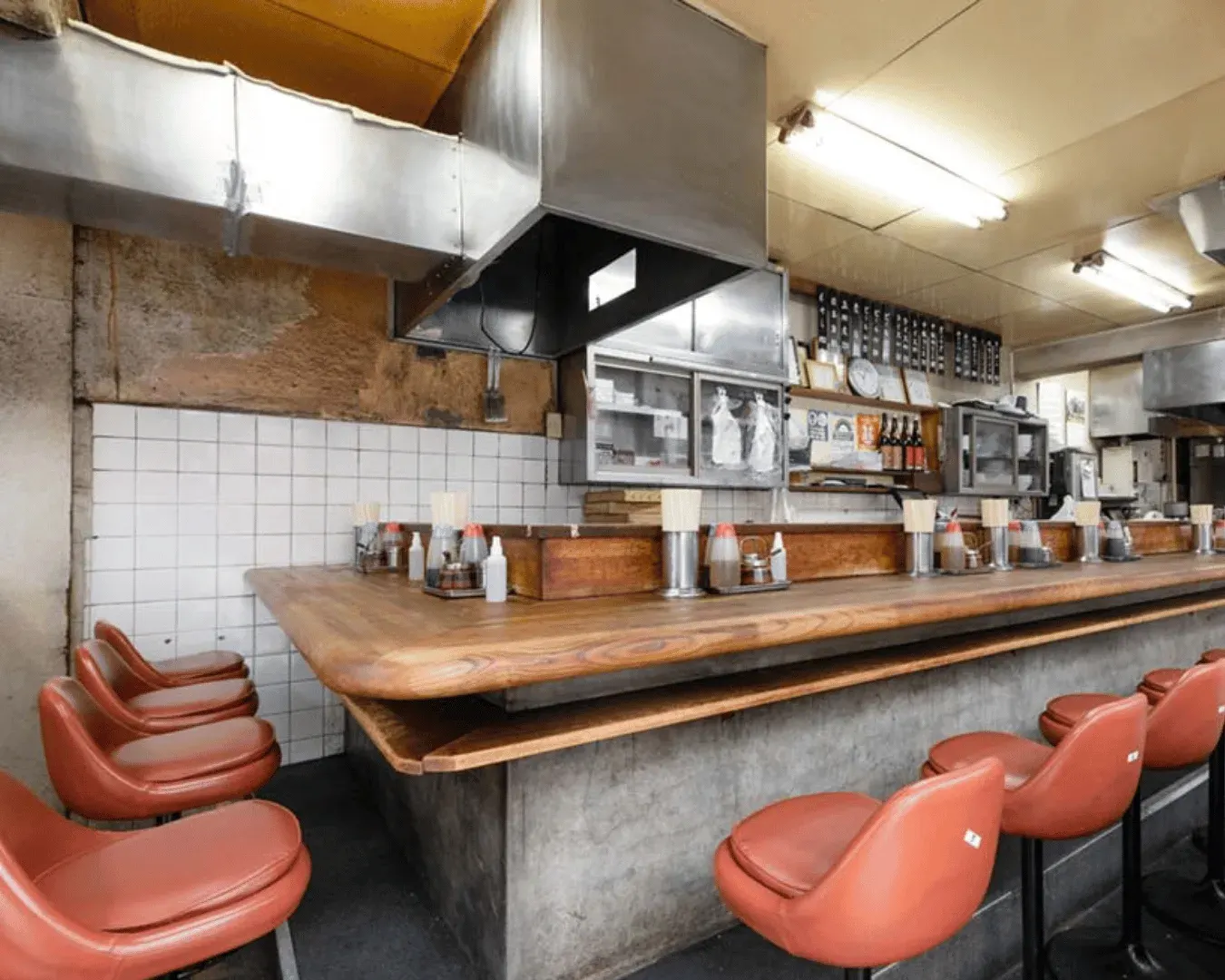
Your first meal should be close, simple, and forgiving. If you still have energy and arrive before closing, Kameido Gyoza Kinshicho is a good local first meal: counter seating, a narrow menu, and no need to make the evening complicated. The official shop page lists it a four-minute walk from JR Kinshicho Station South Exit, with weekday hours of 11:00–20:00, weekend and holiday hours of 10:30–19:30, Tuesday closure, and service ending when gyoza sells out. If timing is wrong, use the station buildings instead. Kinshicho PARCO lists restaurant hours of 11:00–22:00, and TERMINA lists its 5F restaurant area from 11:00–22:00. The first meal is not the place to prove anything. Sit down. Eat something warm. Learn one route back to HIVEN without checking the map every thirty seconds. That is enough for tonight.
KAMEIDO GYOZA KINSHICHO
3-9-1 Kotobashi, Sumida City, Tokyo 130-0022
Open in Google Maps
Take the Walk Before Sleep
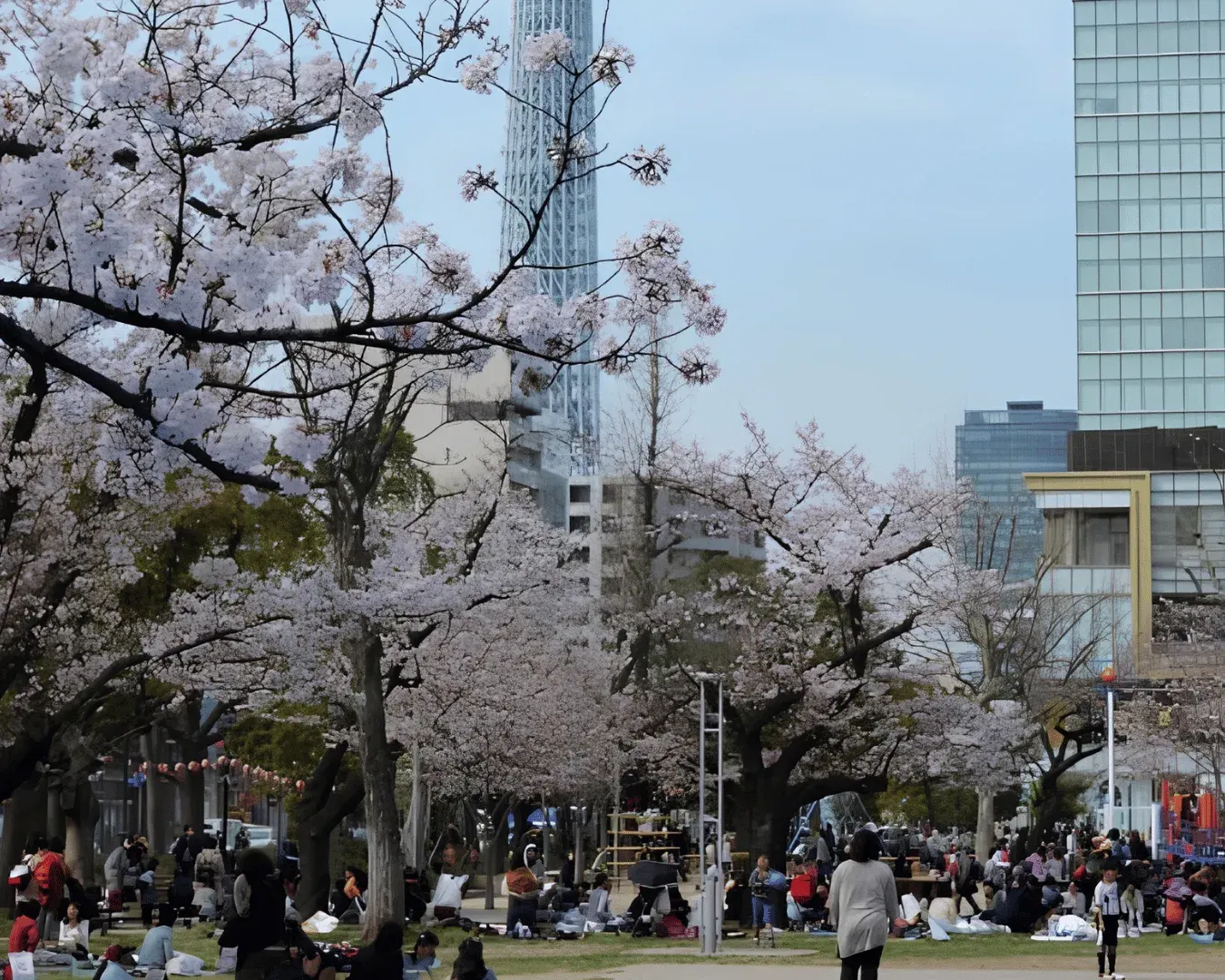
Before sleep, take one short walk. Not far. Not exploratory in the ambitious sense. Just enough to understand the shape of the neighborhood around you. Kinshi Park is the easiest first-night landmark. Sumida City lists Kinshi Park at 4-15-1 Kinshi, with the park open at all times and no regular closing day. It is served by JR Sobu Line and Tokyo Metro Hanzomon Line Kinshicho Station. Walk there if you still have daylight. If it is already late, simply learn the streets between HIVEN and the station. Notice the practical things: which corner has the bright convenience store, where the crossings are, how long the traffic light takes, which side of the station feels easier to enter, where the sidewalk narrows. These details will not appear on a travel list. They are the beginning of feeling local.
KINSHI PARK
4-15-1 Kinshi, Sumida City, Tokyo 130-0013
Open in Google Maps
Tomorrow Can Be Larger
Go back before you become too tired to remember the route. This is the part people often underestimate. The first day does not end when you check in, eat, or buy what you need. It ends when the neighborhood becomes repeatable. You know which station exit matters. You know where to get cash. You know where to buy breakfast. You know one place to eat without turning dinner into research. You know one walk that brings you back without drama. Tokyo has not become small. It has become possible. Tomorrow, you can take the train farther. You can go to Asakusa, Ryogoku, Shibuya, or nowhere in particular. You can spend the morning working, return to the same supermarket, or choose a café because you now know how long the walk feels. A longer stay begins this way: not with a perfect first day, but with a usable one. By the second morning, Kinshicho is no longer only the station where you arrived. It is the place you know how to come back to.