How to Build a Weekday Routine in Tokyo
A grounded weekday rhythm for a longer stay in Kinshicho: morning light, focused work, a practical lunch, movement, an evening walk, and enough rest to make tomorrow possible.

Written by Hive Heaven
A weekday routine in Tokyo does not need to be ambitious. In fact, ambition is usually what breaks it. When you are staying for a month, the goal is not to make every day feel different. The goal is to create a structure that can survive ordinary pressure: a late meeting, a humid afternoon, a missed lunch, a tired evening, a room that slowly collects receipts and charging cables. From HIVEN in Kinshicho, the easiest routine is built close to home. Morning outside. Work in blocks. Lunch without too many decisions. Exercise before the day collapses. A walk to separate work from sleep. Tokyo will still be there on the weekend. A good weekday should make you steady enough to enjoy it.
Start Before the City Gets Loud
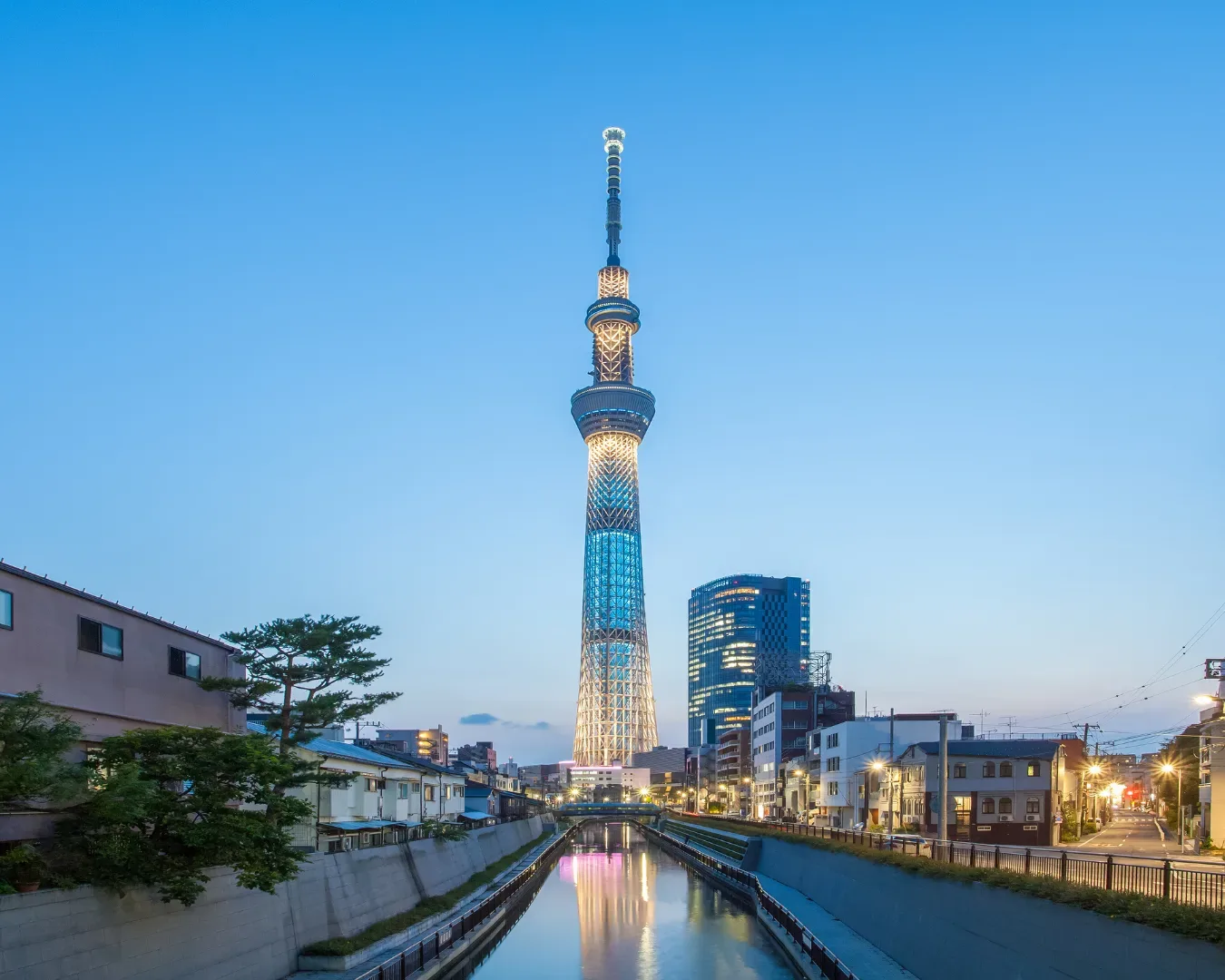
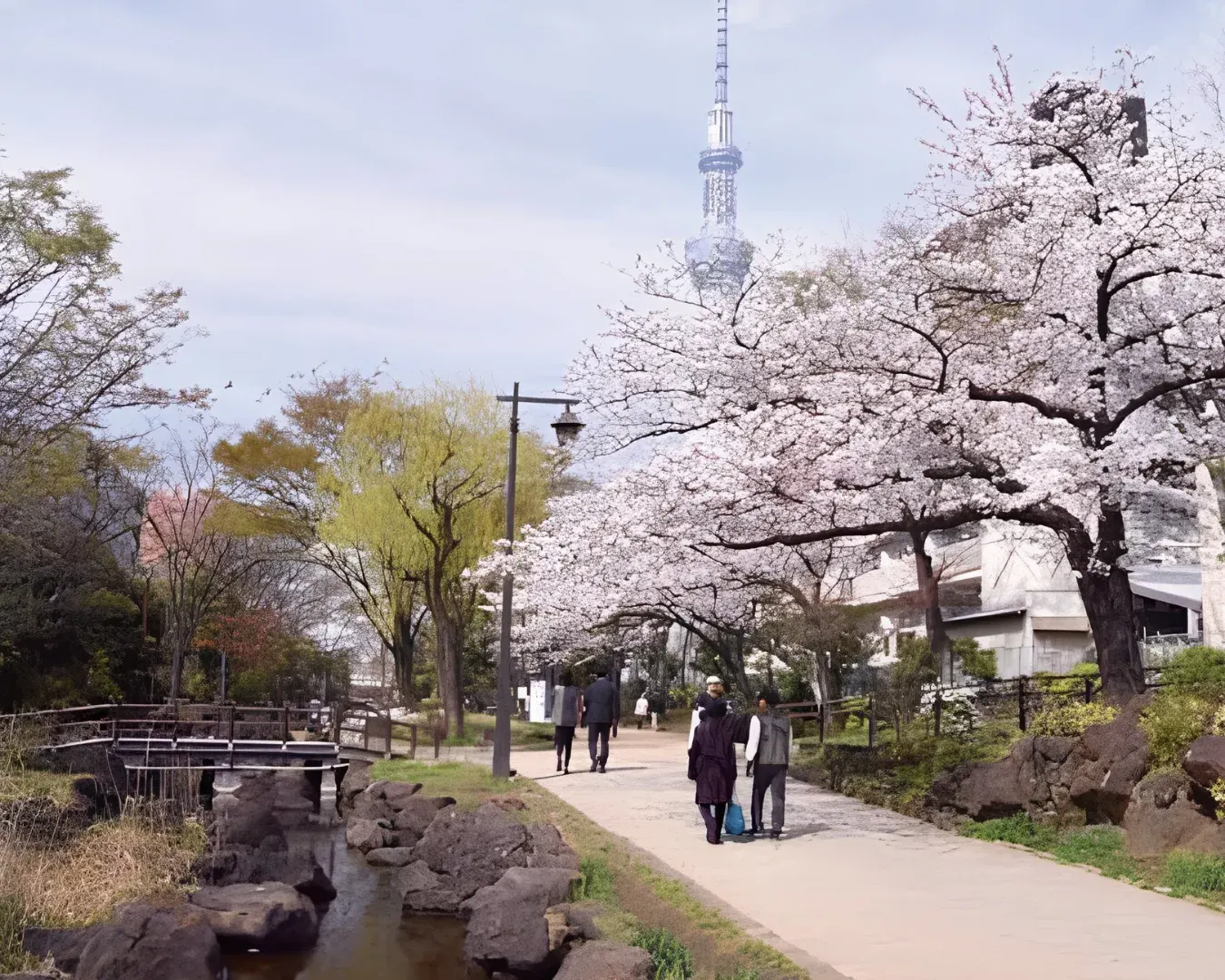
Begin outside, even briefly. Kinshi Park is the simplest morning anchor. It is close, open, and large enough to make the day feel less compressed. Sumida City lists the park at 4-15-1 Kinshi and indicates that it is open at all times with no regular closing day. You do not need a full workout here. Ten minutes is enough. Walk one loop. Stand where the trees break and the Skytree appears. Let your eyes adjust to something farther away than a screen. This small act matters because remote work collapses spaces. The bed, desk, message thread, lunch plan, and evening all begin to occupy the same mental room. A morning walk gives the day a front door. Return before you are tired. Make coffee, open the laptop, and let work begin after the body has already moved.

KINSHI PARK
4-15-1 Kinshi, Sumida City, Tokyo 130-0013
Open in Google Maps
Make Work Boring Enough to Repeat
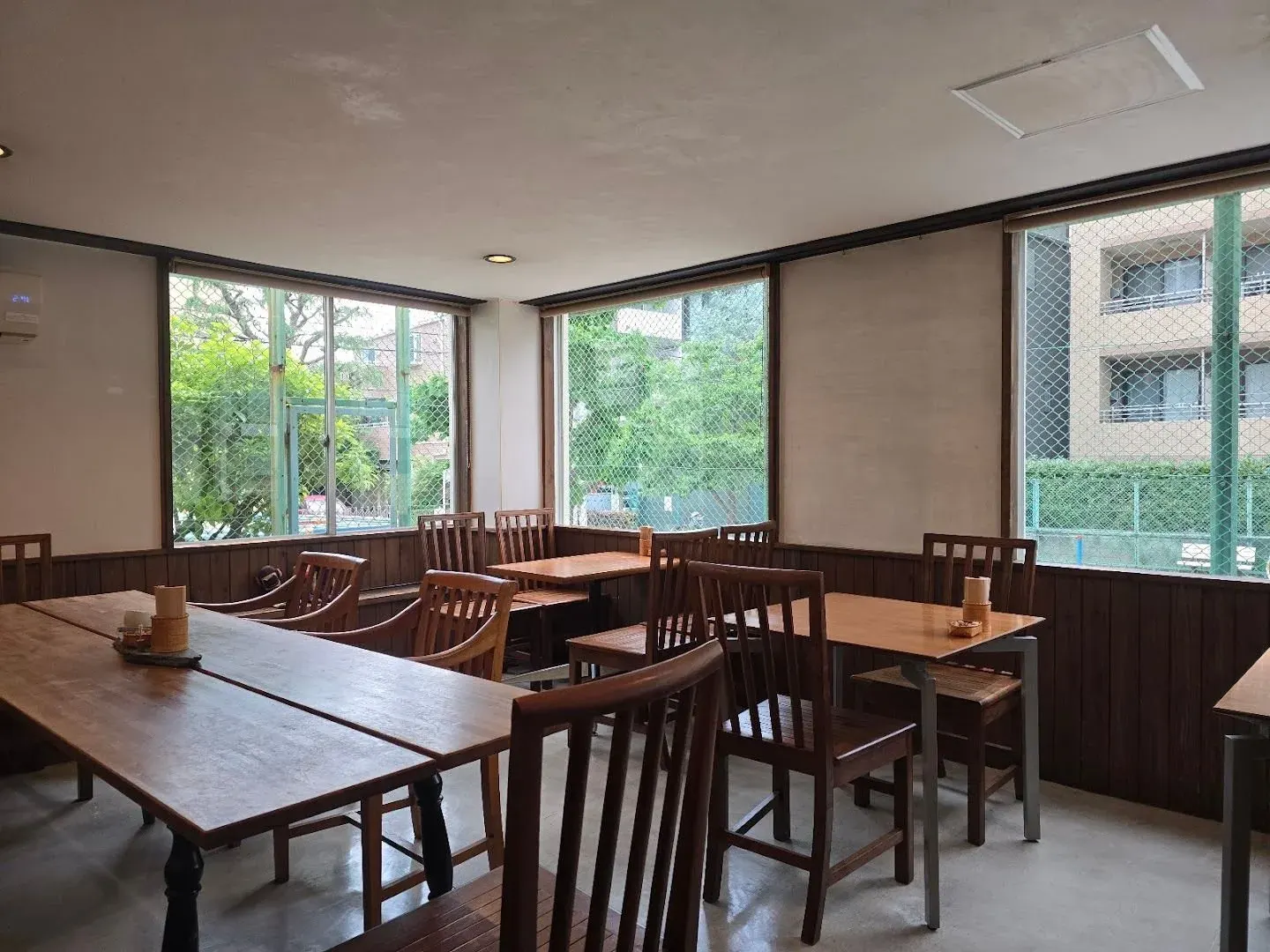
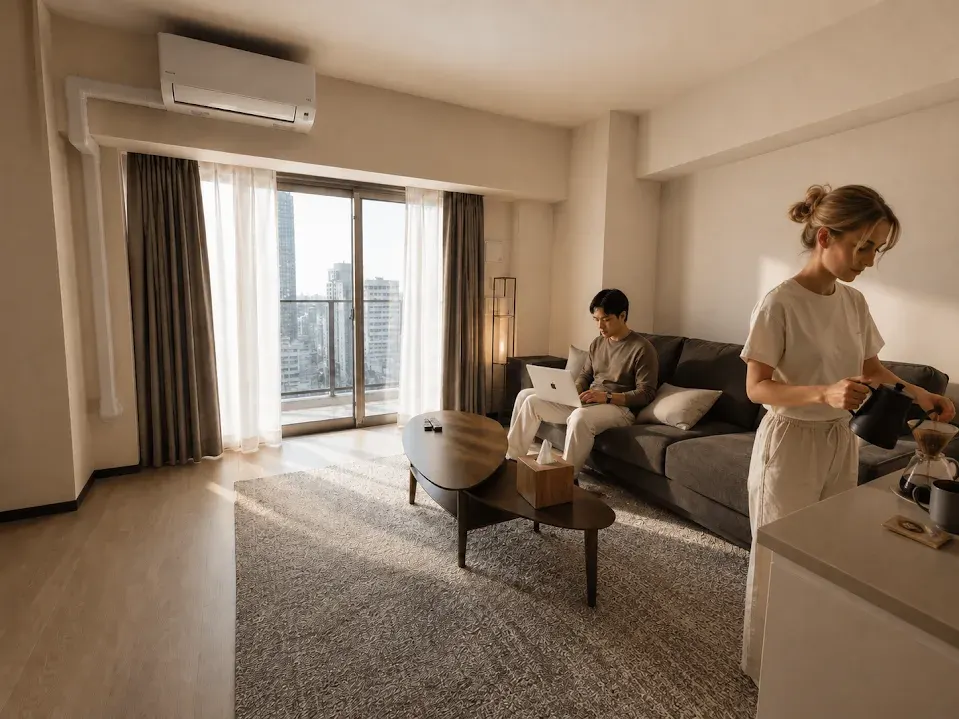
The best work setup for a longer stay is not the most aesthetic one. It is the one you can repeat. On most days, work from the room. Keep the desk simple: laptop, charger, water, notebook, one light source, one place for receipts and small paper. Do not rebuild the workspace every morning. The less ceremony it requires, the more likely it is to survive the month. For days when the room becomes too small, use a nearby paid workspace rather than turning a café into an all-day office. Coin Space has several Kinshicho locations. The Kinshicho PARCO shop is listed by PARCO as a working space on the 6th floor, with Wi-Fi, power, bring-in food allowed, and hours of 10:30–21:00. The Arcakit Kinshicho location is listed by Coin Space with hours of 10:00–21:00 and power/Wi-Fi facilities. Use these spaces for specific reasons: a video meeting, a focused afternoon, a deadline that needs a different chair. Do not outsource your whole routine. A weekday works best when the room remains home, and outside workspaces become tools.
COIN SPACE KINSHICHO PARCO / ARCAKIT KINSHICHO
Arcakit Kinshicho 9F, 2-2-1 Kinshi, Sumida City, Tokyo 130-0013 / Kinshicho PARCO 6F, 4-27-14 Kotobashi, Sumida City, Tokyo 130-0022
Open in Google Maps
Use Coffee as a Boundary
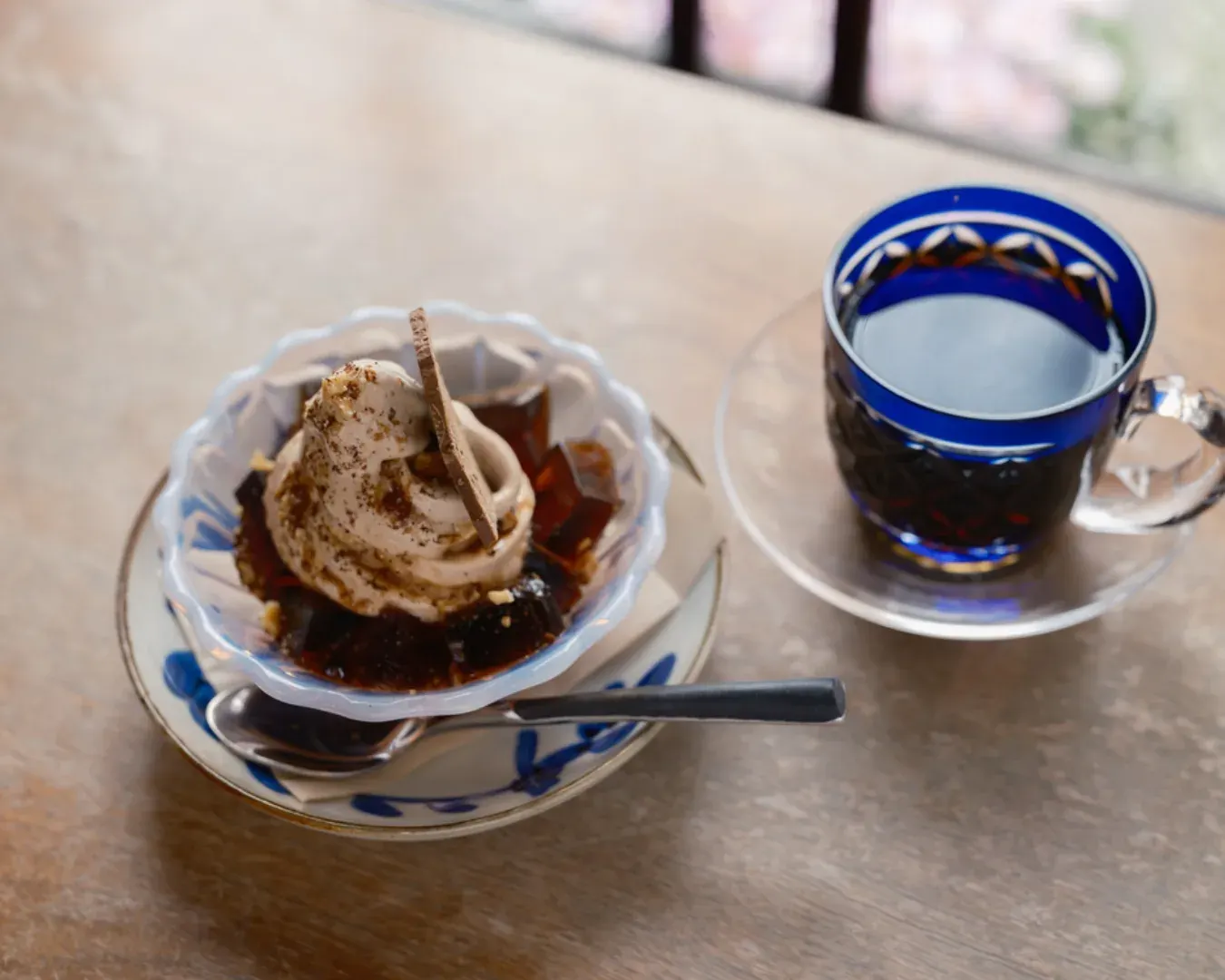
Coffee is not the routine. The boundary is. After the first deep work block, leave the desk before the desk begins to absorb the whole day. Sumida Coffee works well for this because it is close enough to become repeatable and distinct enough to feel like a small reset. The official shop information lists the address at 4-7-11 Taihei, with hours of 11:00–19:00 and regular closures on Wednesdays and the second and fourth Tuesdays. Do not bring the entire workday with you. Bring a notebook, or nothing. Sit with coffee long enough to let the morning end properly. If you answer messages, answer only the ones that make the afternoon clearer. A weekday routine needs edges. Otherwise work leaks everywhere.
SUMIDA COFFEE
4-7-11 Taihei, Sumida City, Tokyo 130-0012
Open in Google Maps
“A routine is not built by filling the day. It is built by protecting the transitions.”
Lunch Should Not Break the Day
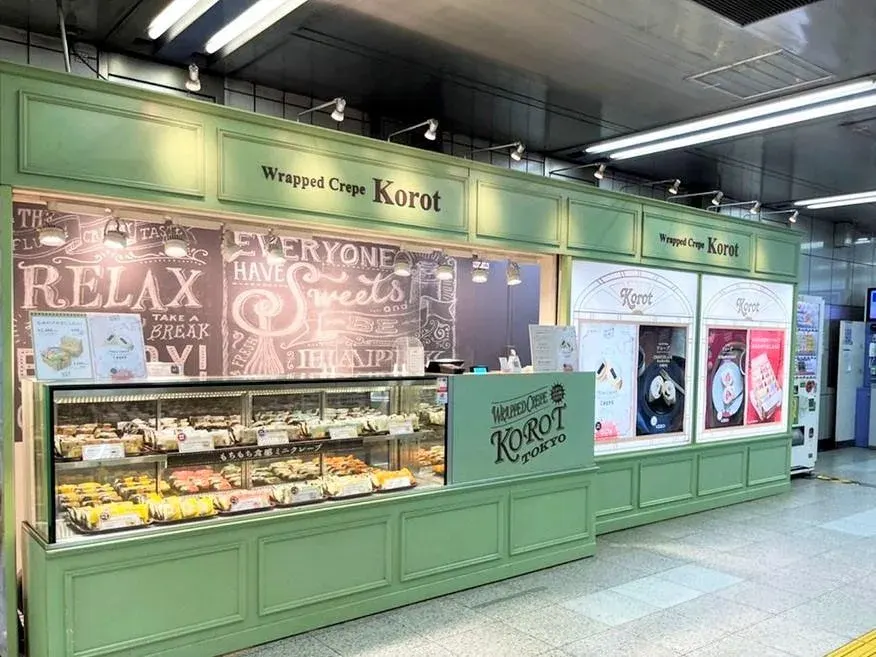
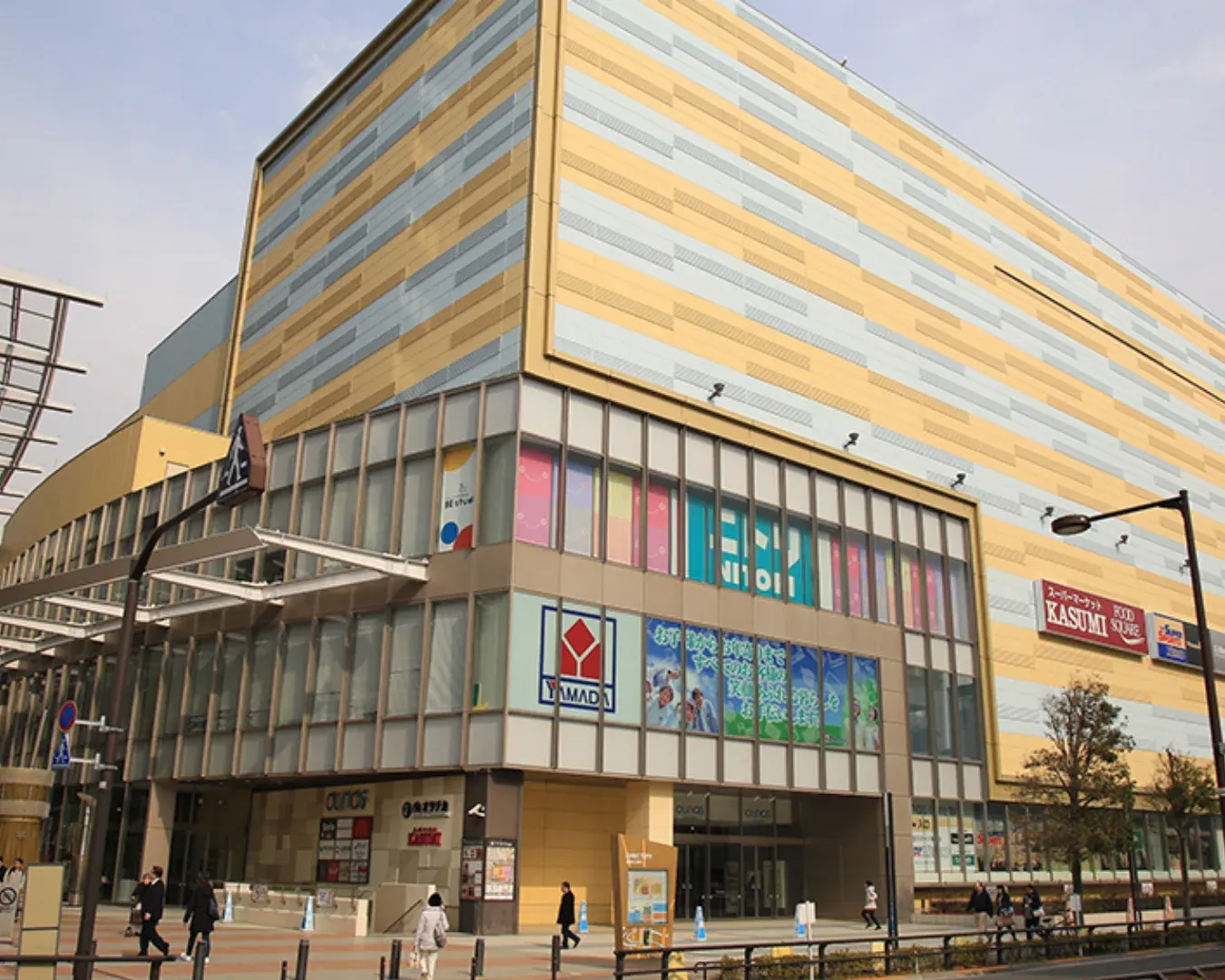
Lunch is where many remote-work days lose shape. Too many choices, and the break becomes research. Too little food, and the afternoon becomes unstable. A longer stay needs lunch that is nearby, decent, and not emotionally expensive. BLΛNDE Olinas Kinshicho is useful when you want prepared food, groceries, or a wider lunch browse without leaving the neighborhood. Olinas lists BLΛNDE on B1F of Olinas Core with hours of 10:00–22:00, and the mall access information places Olinas within a short walk of Kinshicho Station. The point is not to eat there every day. The point is to have one dependable answer. Buy lunch before you are already too hungry. Eat away from the laptop when possible. Let the meal divide the workday into two halves. A weekday routine does not need a special lunch. It needs lunch that lets the afternoon continue.
BLΛNDE OLINAS KINSHICHO
Olinas Core B1F, 4-1-5 Taihei, Sumida City, Tokyo 130-0012
Open in Google Maps
Move Before the Evening Collapse
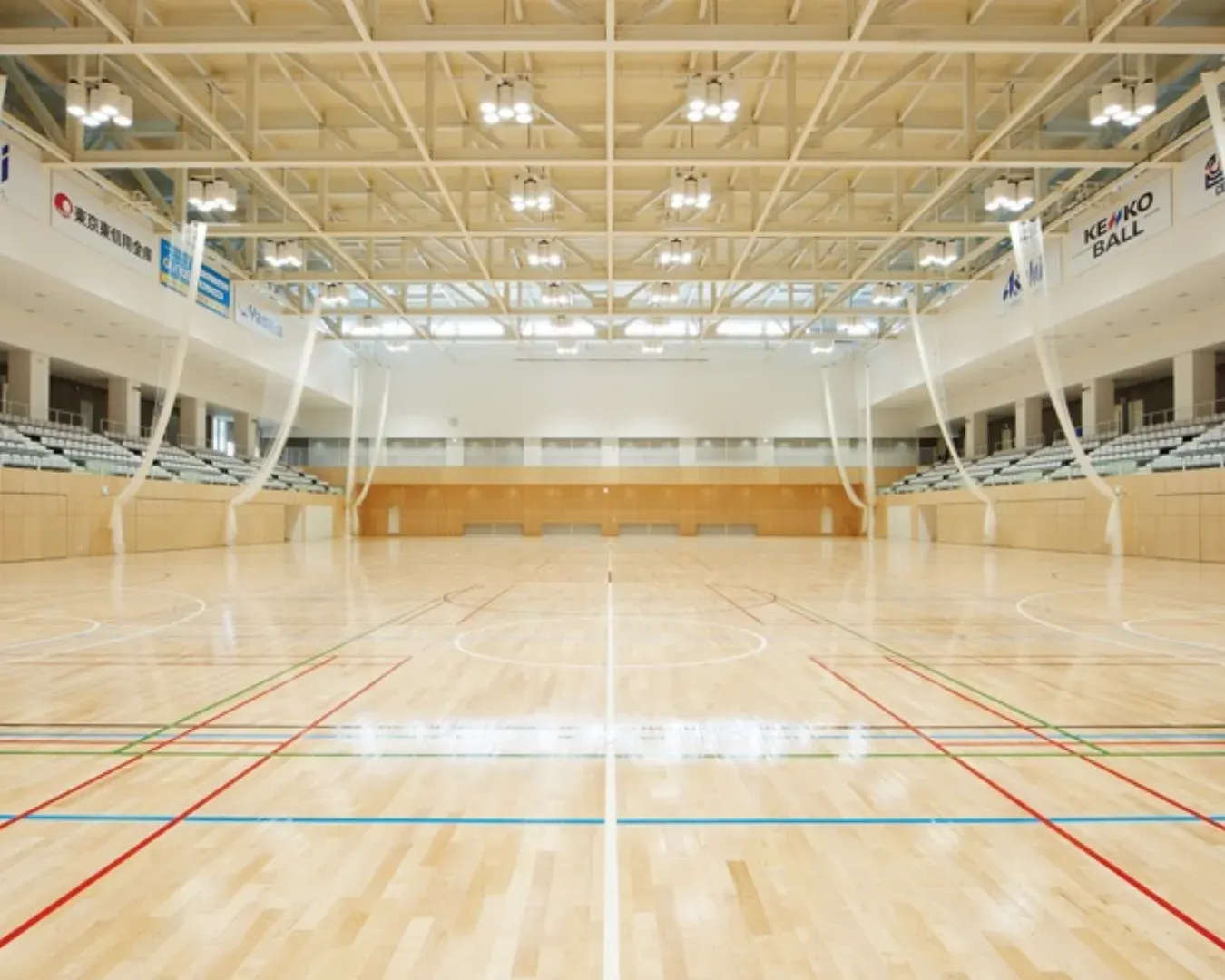
Exercise should be scheduled before the day has a chance to argue with you. For a simple local option, Higashin Arena inside Kinshi Park is practical. The official English guide describes the facility as including indoor pools, a training room, arenas, a budo hall, rooftop facilities, and other sports spaces. It also states that individual users are welcome and do not need to register in advance to use the facilities. Do not overdesign it. Use the training room for forty minutes. Swim. Walk the running course. Or skip the building and simply do a second park loop outside. The purpose is not transformation. The purpose is continuity. During a month in Tokyo, exercise is less about intensity than about not letting work occupy the whole body. Once movement becomes local, it stops feeling like another task and starts acting like maintenance.
HIGASHIN ARENA
4-15-1 Kinshi, Sumida City, Tokyo 130-0013
Open in Google Maps
Walk the Day Out
The evening walk is not sightseeing. It is how the workday leaves the body. Oyokogawa Shinsui Park is useful because it changes the texture of Kinshicho without requiring a train. GO TOKYO describes the park as a green route running along the Oyokogawa River, with zones including Tsurikawara, Kappakawara, Hanamomiji, Palette Plaza, and Blue Terrace. Walk without needing to complete it. Follow the water for a while. Notice railings, reflections, bicycles, apartment lights, the Skytree appearing and disappearing between buildings. Let the route be smaller than your ambition. This is the part of Tokyo that a short trip often misses: the same walk becoming easier each time. On the first evening, you check the map. By the third, you only choose the direction.
OYOKOGAWA SHINSUI PARK
From 4 Midori to 3 Azumabashi, Sumida City, Tokyo
Open in Google Maps
“The luxury of a longer stay is not doing more. It is having enough ordinary days to do the same things better.”
Rest Is Part of the Plan
Return before the evening becomes another project. This is the final discipline of a weekday routine in Tokyo: knowing when the day is complete. You do not need one more station. You do not need a late café just because it exists. You do not need to turn every night into proof that you are in Tokyo. Back at HIVEN, make the room ready for tomorrow. Charge what needs charging. Put the work bag in the same place. Decide breakfast before sleep if that helps. Let the city become quiet at the edge of the day. After a week, the routine will not feel impressive. That is how you will know it is working. Kinshi Park will become morning. The desk will become work. Coffee will become a boundary. Lunch will become simple. Exercise will become maintenance. The evening walk will become the way home. Tokyo does not have to be conquered during a longer stay. It can be lived in, one stable weekday at a time.