Your First Week in Tokyo After Relocation
A practical first-week guide for assignees in Tokyo: move-in, commute, groceries, connectivity, local procedures and settling into a new work routine.

Written by Hive Heaven

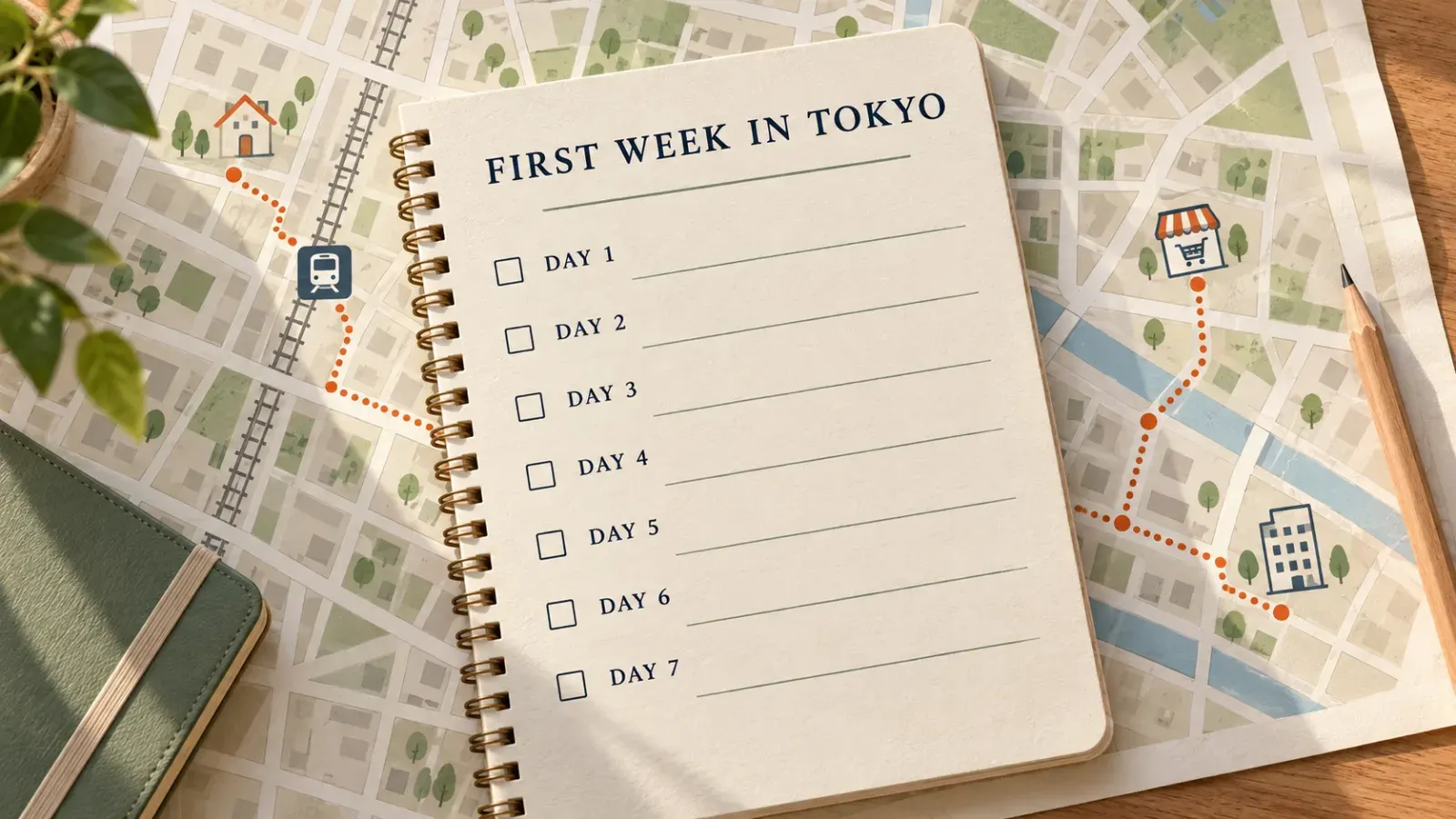
Your first week in Tokyo should be designed for stability, not sightseeing efficiency. The useful goal is simple: by the end of seven days, you know how to get to work, where to buy food, how to use your home, what official steps apply to you, and whom to contact when something goes wrong.
What should you do on move-in day?
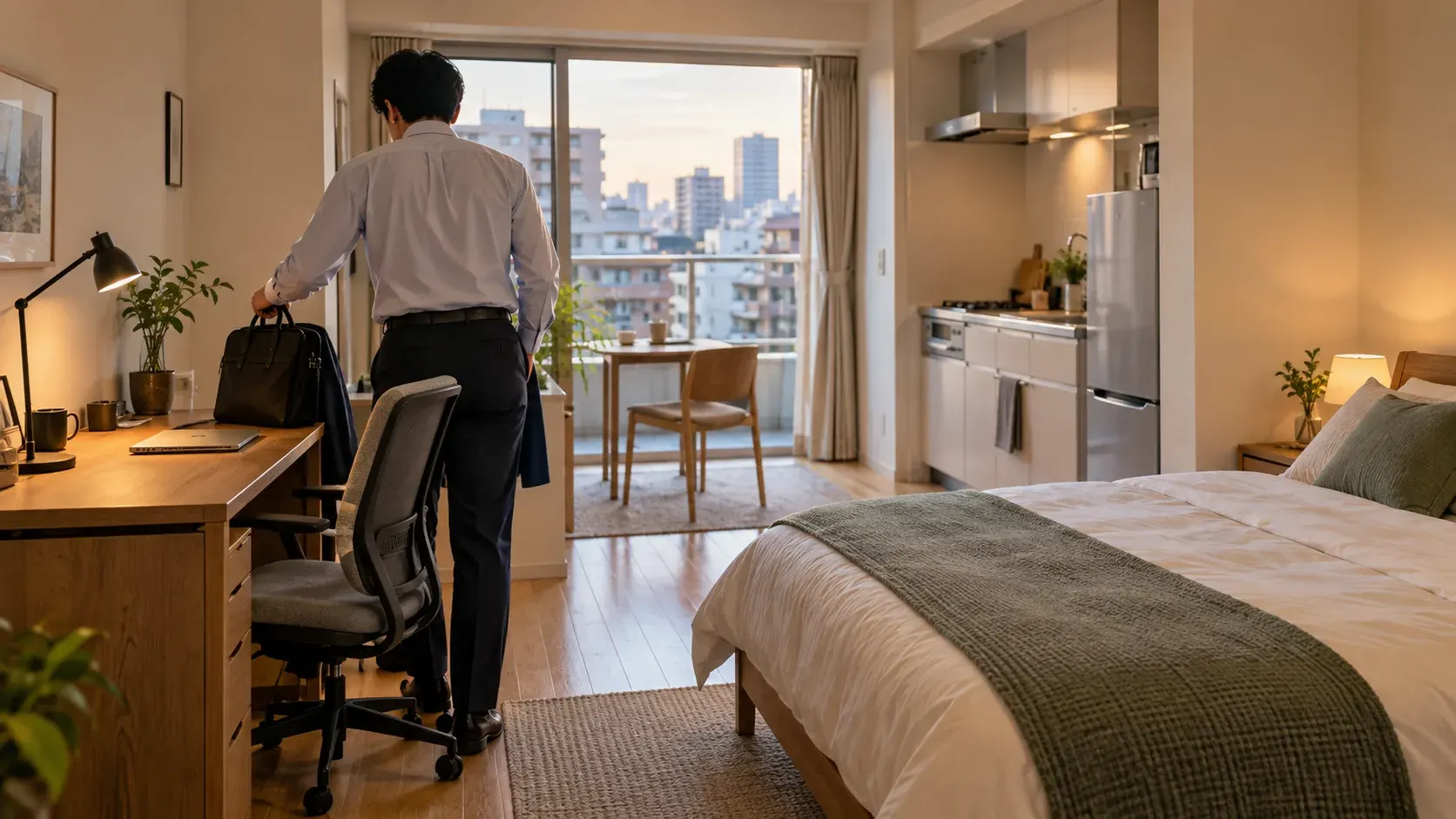
Confirm the key or check-in process, Wi-Fi, air conditioning, hot water, laundry, kitchen basics and how to contact the provider. Photograph or report anything that appears damaged according to the provider’s process, and read the building rules before unpacking fully.
Buy only the first essentials: water, breakfast, simple food and toiletries. A fully scheduled move-in evening is rarely useful after an international flight.
What should you test before the first workday?
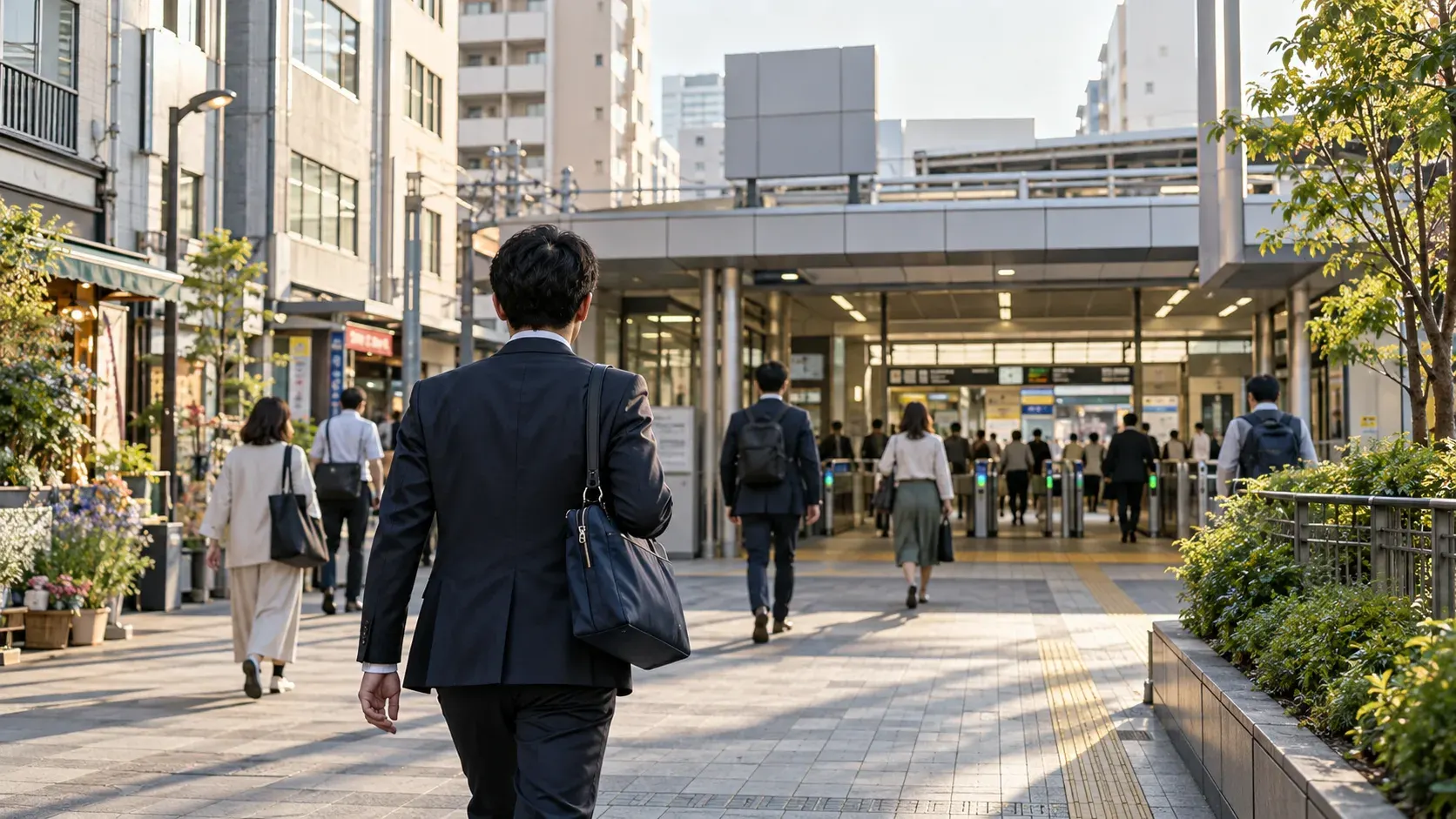
Walk from the room to the station and travel to the office at approximately the real departure time. Identify the correct station exit and one backup route. Tokyo’s rail system is extensive, but the practical experience depends on transfers and rush-hour conditions.
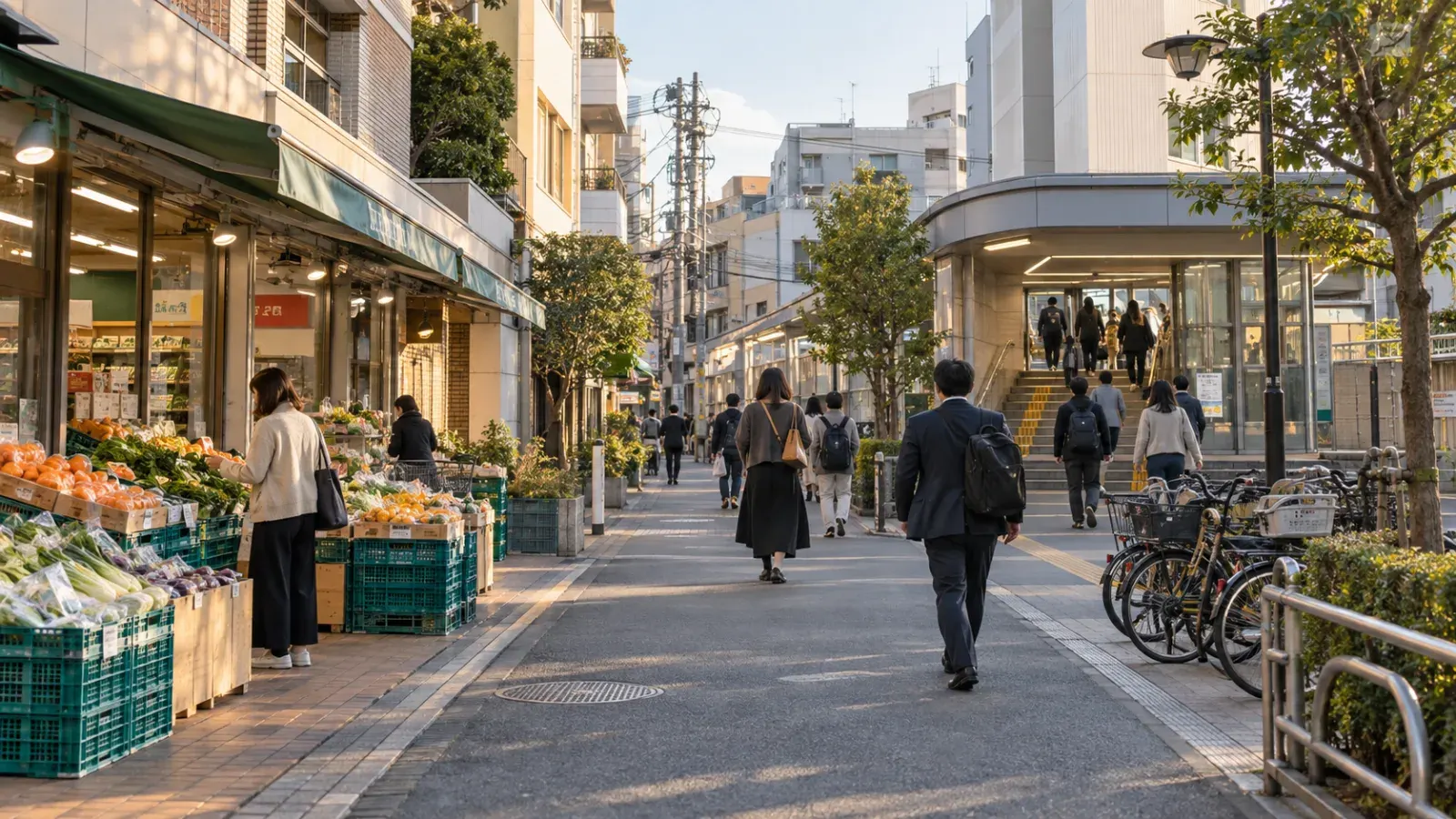
Find one supermarket, one convenience store, one pharmacy and one easy meal option close to home. These places matter more during the first month than having dozens of recommendations saved on a map.
What official tasks may belong in the first week?
Depending on residence status, eligible medium- to long-term residents may need to report a residential address at the municipal office within 14 days of establishing it. Follow the Immigration Services Agency guidance and local municipal instructions.
Banking, mobile service and other personal setup should be approached with current provider requirements rather than assumptions. Keep official source links in the relocation handover document.
How do you reduce relocation fatigue?
Repeat the same routes and simplify meals for a few days. Use the kitchen if available, wash clothes before the pile becomes another task, and reserve at least one evening without appointments.
A first week full of “must-see” activities can make the employee feel as if they are traveling while also starting a new job. Ordinary routines are what turn temporary housing into a usable base.
By day seven, success means fewer questions—not more experiences.
What should HR check before the week ends?
A short message can confirm: housing works, commute is manageable, Wi-Fi is reliable, no urgent administrative issue is blocked, and the employee knows the support contacts.
If one of those basics is failing, the first week is the cheapest time to solve it before the issue affects work or becomes an extension problem.
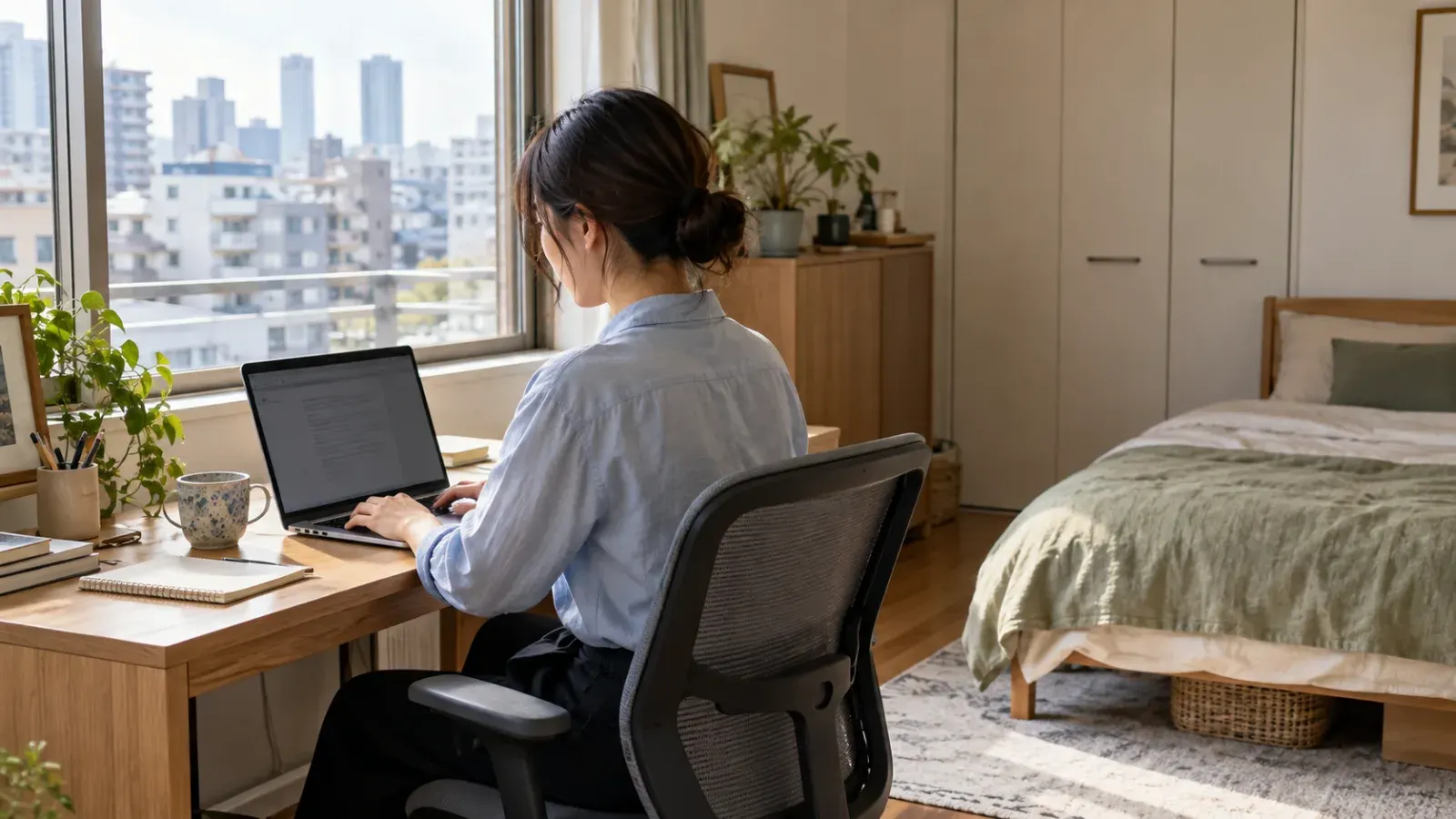
How can HIVEN support the first week?
HIVEN’s Corporate page positions the service around long-stay housing for relocating teams and corporate guests in Tokyo, with team relocation, curated proposals from HIVEN residences, bilingual support from inquiry to move-in, and corporate terms with flexible billing. Public residence information also emphasizes 29+ night stays, furnished living, weekly cleaning and practical in-room features.
HIVEN Kinshicho can function as a residential base rather than a sightseeing hotel: a place to return to, handle ordinary routines and establish a workweek. Confirm the exact room and corporate arrangement before booking.
HIVEN stay & residence BK Kinshicho
4 Chome-6-4 Kotobashi, Sumida City, Tokyo 130-0022
Open in Google Maps
Related HIVEN Guides
Continue with “What New Hires Need in Their First 30 Days in Tokyo” and “Tokyo Commute Planning for Expats and Assignees.”
FAQ
Should I explore Tokyo during the first relocation week?
Yes, but keep the essentials first: home, work route, groceries, official tasks and rest.
When should I test my commute?
Before the first workday and, if possible, close to the actual morning departure time.
What local places should I identify first?
A supermarket, convenience store, pharmacy, station entrance and one easy meal option near home are a strong start.
What should HR confirm after one week?
Housing functionality, commute, connectivity, administrative blockers and support contacts.