Before You Move to Japan: Documents, Phone, Banking & Housing Basics
A practical pre-move guide to Japan covering official documents, residence procedures, banking, phone setup and temporary housing for international assignees.

Written by Hive Heaven

Before moving to Japan, separate what must be handled through official immigration or employer channels from what can be prepared as everyday logistics. The practical list is shorter than it first appears: know your official documents, have a confirmed address plan, understand post-arrival notifications, prepare mobile connectivity, know that banking requirements vary, and arrive somewhere you can actually live from day one.
Which documents should you verify before departure?
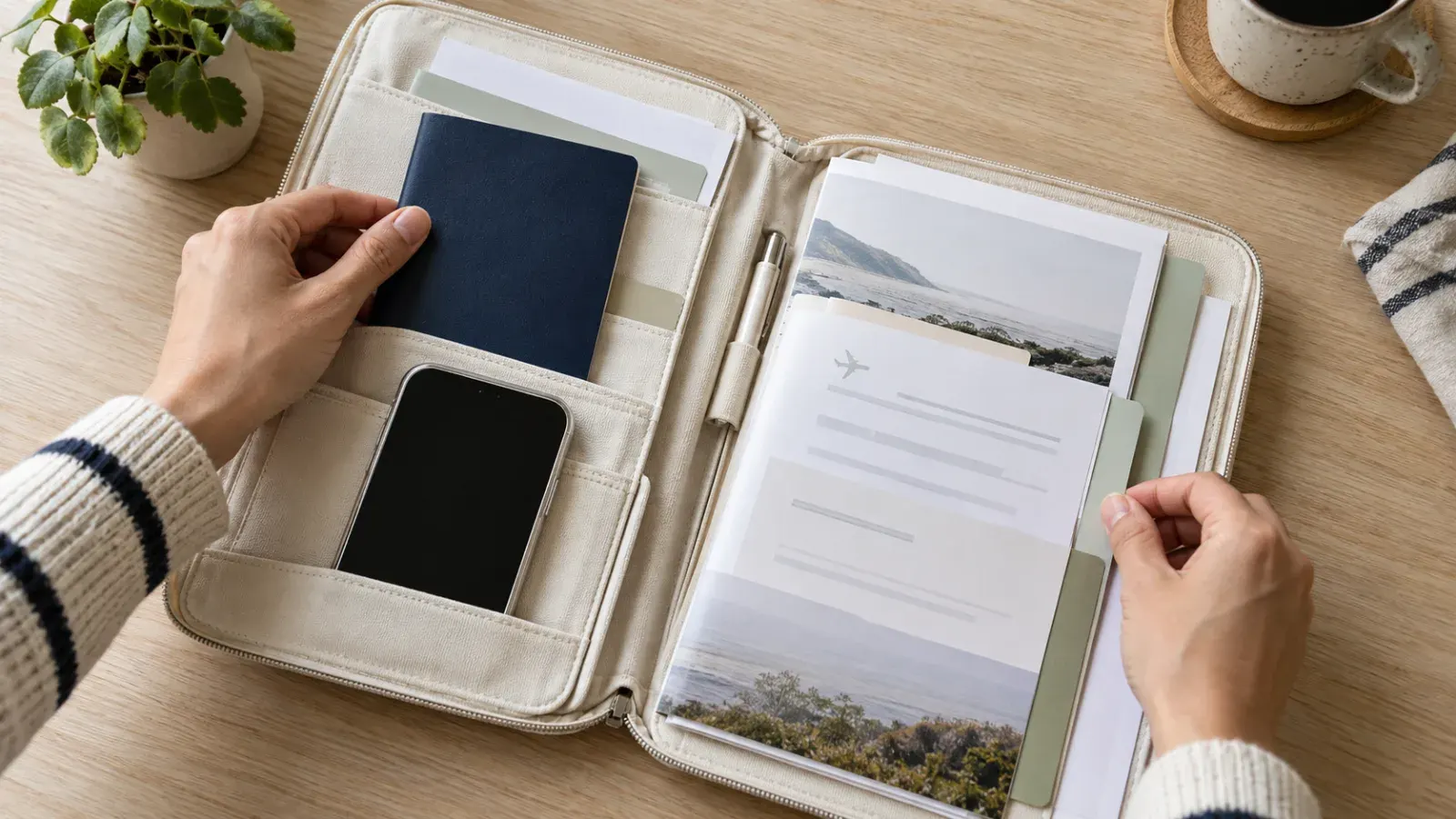
Use the Immigration Services Agency and the employer’s qualified immigration support as the source of truth for status-specific documents. Keep travel and employment documents accessible rather than packed in checked luggage, and carry the housing contact details you may need on arrival.
Do not rely on a generic relocation blog for visa eligibility or immigration decisions. These depend on individual status and can change.
What should you know about your address after arrival?
For eligible medium- to long-term residents, the Immigration Services Agency states that the residential address is generally reported at the municipal office within 14 days after establishing it. The exact procedure depends on the person’s status and documents.
This makes the first address operationally important. If you are using temporary corporate housing, confirm in advance what information the provider can supply and what the local authority requires.
How should you plan phone and internet access?
Have a connectivity plan for the first day even if the long-term mobile contract will be decided later. Temporary data, roaming or another arrival solution can bridge the gap while the employee compares providers.
For housing, ask whether Wi-Fi is already active. A room advertised as furnished but requiring the employee to arrange internet after landing creates unnecessary friction for a business assignee.
What should you know about banking in Japan?
The Financial Services Agency provides dedicated multilingual guidance for foreign residents on opening bank accounts and remittances. Actual requirements vary by bank and customer circumstances.
HR can help by providing the official FSA resource and any company-preferred bank information, but should avoid guaranteeing that an account can be opened under a universal checklist.
A good pre-move plan does not try to solve every detail before departure. It makes sure the employee lands with the next step already clear.
What should you confirm about housing before flying?
Confirm the address, move-in date, contact method, key or check-in procedure, included furniture, Wi-Fi, utilities, laundry, kitchen, workspace, cleaning, payment and extension rules.
For the first month, predictable living conditions are more valuable than a long amenity list. The employee should know where they will sleep, work, eat, wash clothes and ask for help.

How can HIVEN fit a pre-arrival plan?
HIVEN’s Corporate page positions the service around long-stay housing for relocating teams and corporate guests in Tokyo, with team relocation, curated proposals from HIVEN residences, bilingual support from inquiry to move-in, and corporate terms with flexible billing. Public residence information also emphasizes 29+ night stays, furnished living, weekly cleaning and practical in-room features.
For corporate guests, the value is not replacing official relocation procedures but reducing the housing setup layer. Corporate availability, terms and exact room features should be confirmed before travel.
Related HIVEN Guides
Continue with “Moving to Tokyo for Work: A Practical Relocation Checklist” and “From Airport to Move-In: A Smooth Arrival Plan for Tokyo Assignees.”
FAQ
Can I complete every Japan relocation task before flying?
No. Some steps happen only after arrival. The goal is to know which official step comes next and have the necessary documents and contacts ready.
When must eligible residents report a Japanese address?
The Immigration Services Agency says eligible medium- to long-term residents generally report the residence within 14 days after establishing it.
Are bank-account requirements the same everywhere?
No. Banks may have different requirements. Use the FSA guidance and confirm directly with the chosen institution.
What should temporary housing include?
At minimum, compare furniture, Wi-Fi, utilities, laundry, kitchen, workspace, cleaning, payment and support.