Tokyo Commute Planning for Expats and Assignees
How expats and corporate assignees should evaluate a Tokyo commute: office location, transfers, rush hour, station access and everyday neighborhood needs.

Written by Hive Heaven
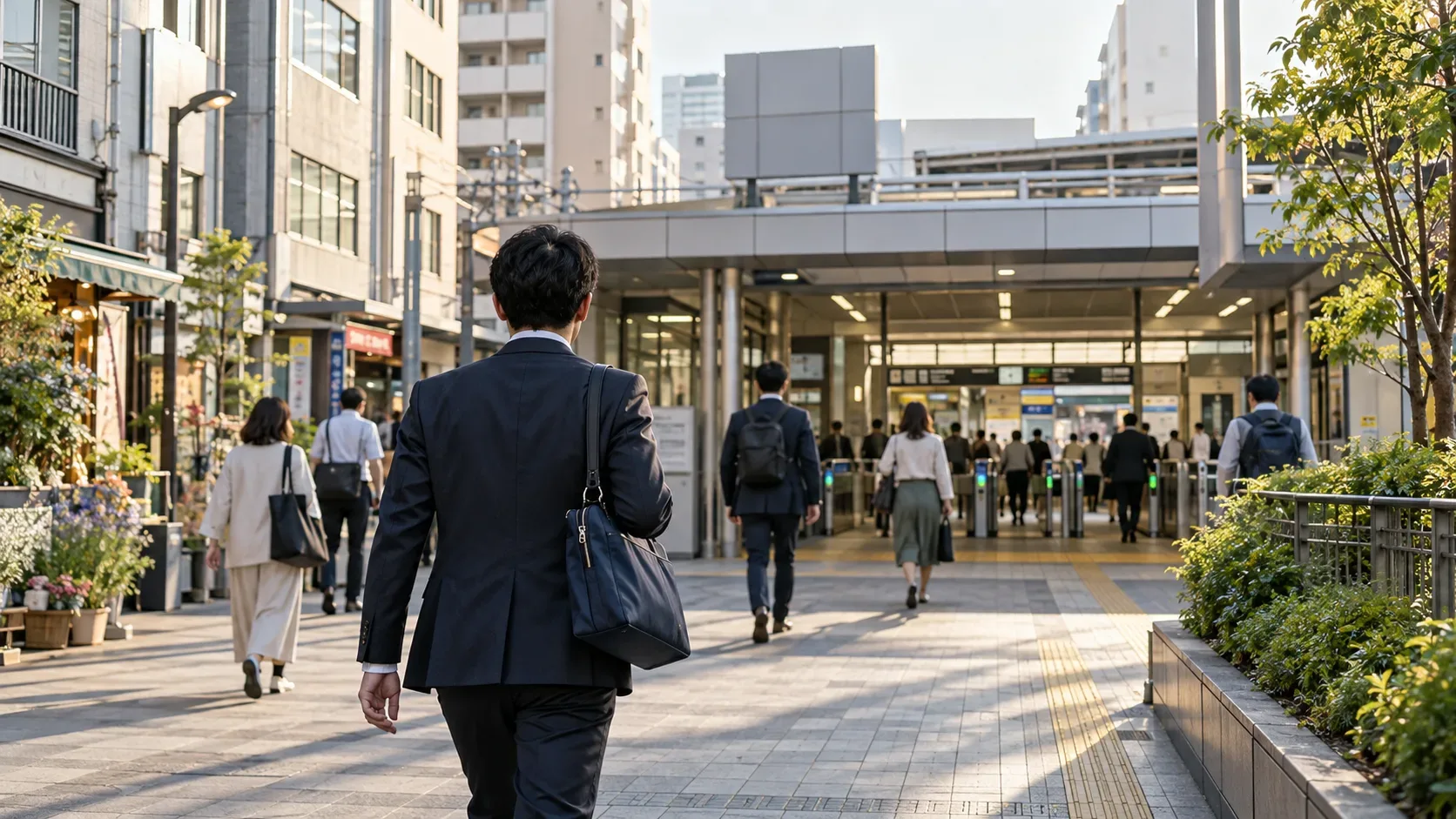
For an expat or assignee, the “best area in Tokyo” is usually the area that creates the best workweek. Commute planning should start with the office, real departure time and transfer pattern—not with a generic ranking of neighborhoods. A location that saves one difficult transfer can matter more than a slightly shorter map distance.
What should you measure besides travel time?
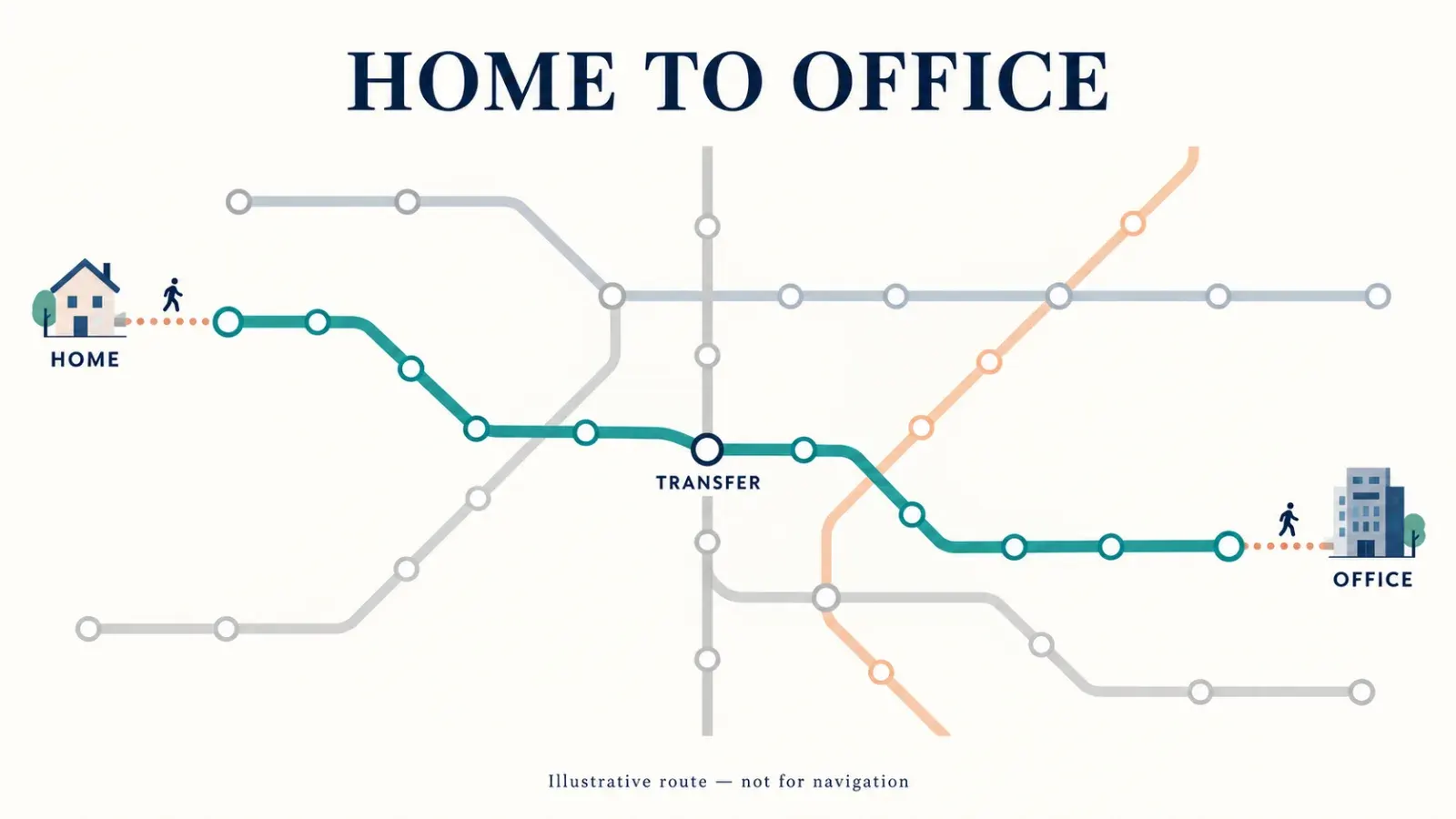
Count transfers, walking time inside large stations, the distance from home to the platform, and how predictable the route is at peak time. A 30-minute direct route can feel easier than a 25-minute route with two crowded transfers.
Also consider return trips after late meetings and whether there is a reasonable backup route if one line is disrupted.
How should you test a commute before choosing housing?
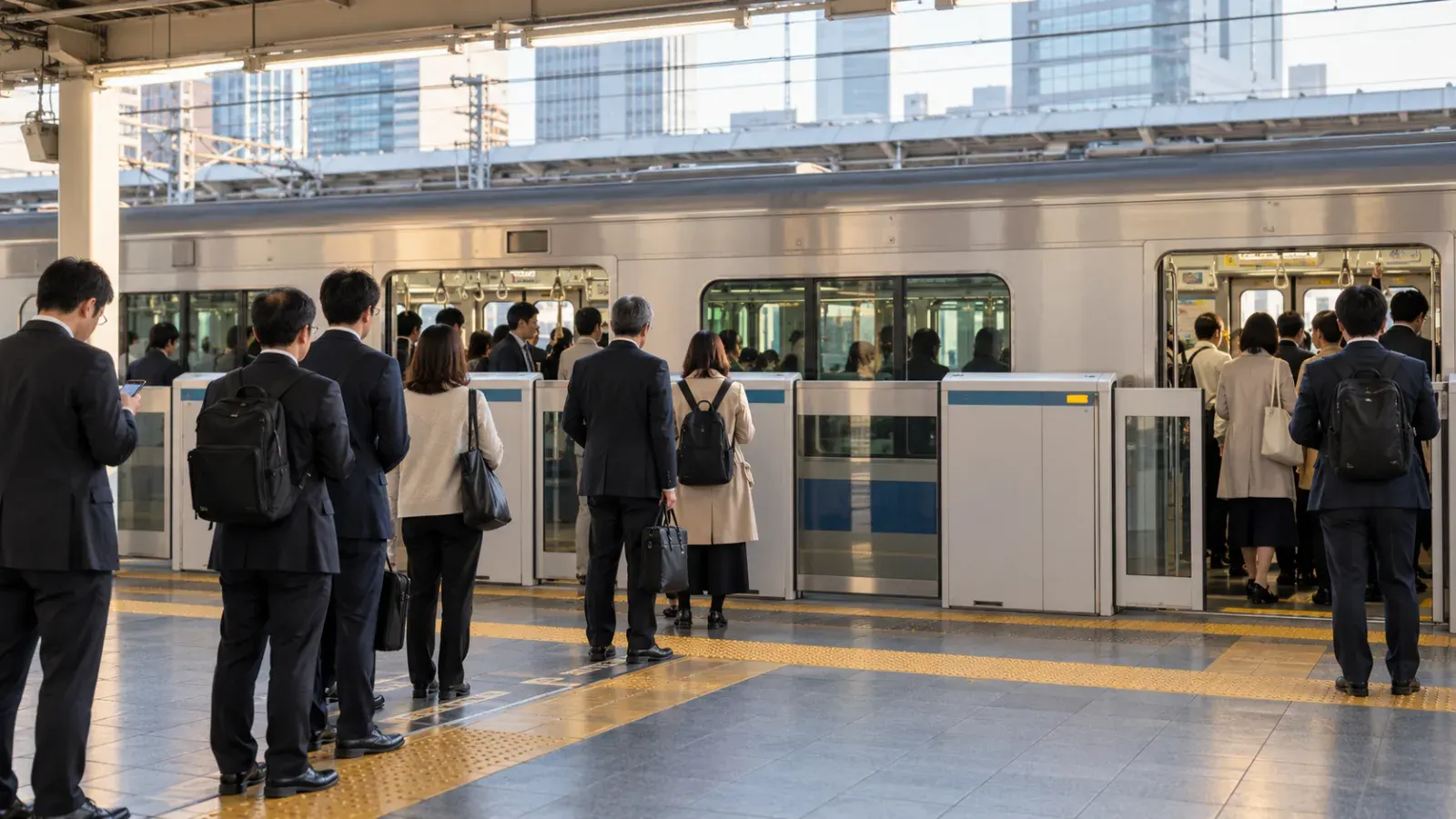
If possible, test the route close to the real workday departure time. Weekend and midday travel can understate crowding and transfer friction.
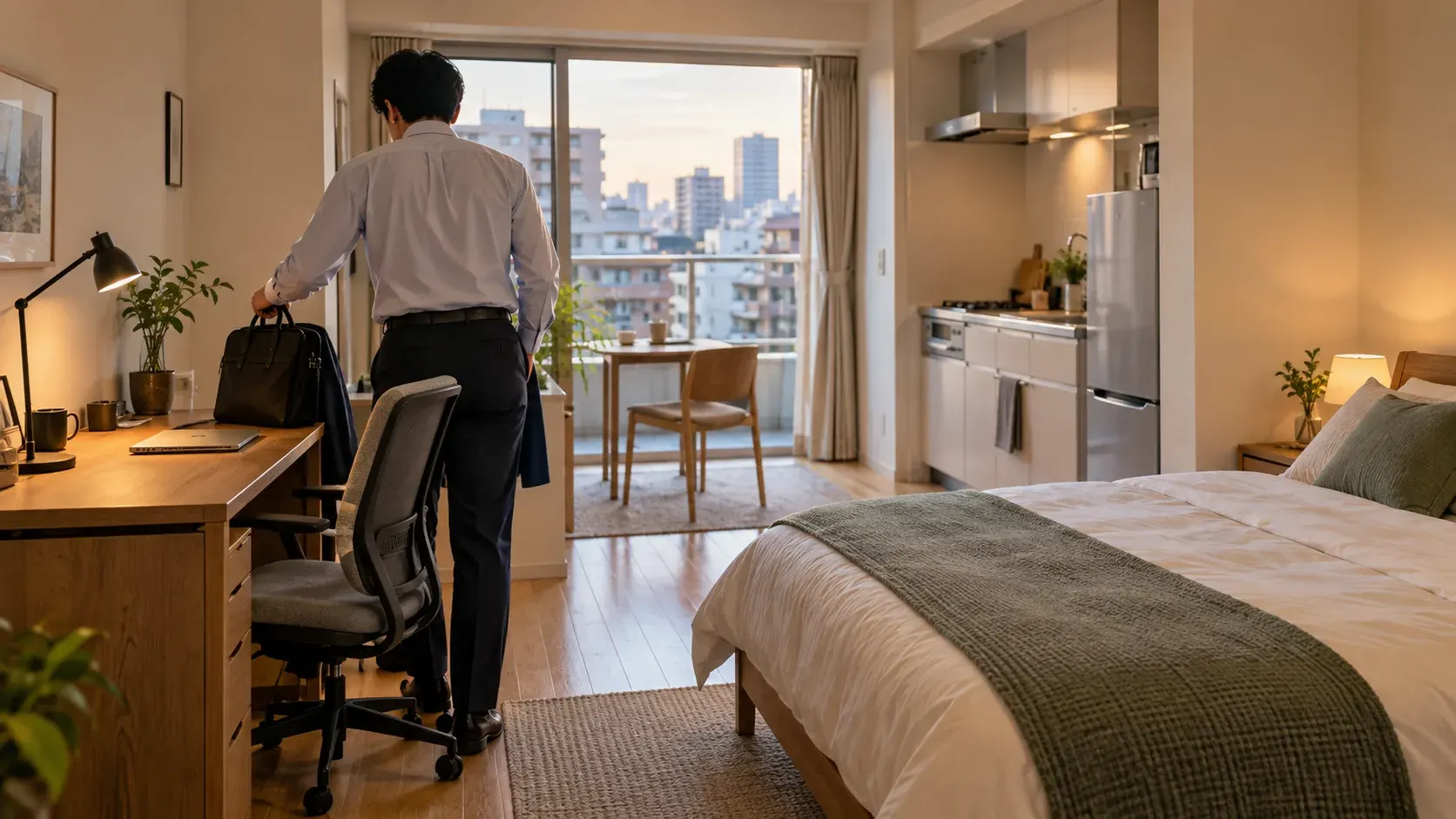
For remote or hybrid workers, test both the office commute and the room itself. A longer commute may be acceptable if the employee works from home several days each week.
Why does the neighborhood still matter?
The employee does not only travel to the office. Groceries, pharmacy, gym, restaurants and quiet evening routes all affect long-stay comfort. The most efficient commute can still be a poor relocation choice if every ordinary errand is inconvenient.
For a one-month stay, walking access to daily needs often becomes more valuable after the first week.
Should companies choose one district for everyone?
Not automatically. Teams with different offices, family situations or working patterns may need different districts. Standardize the decision method rather than the postcode.
For multiple assignees, a housing provider that can propose options by office location can reduce manual searching.
The right Tokyo commute is not the shortest line on a map. It is the route an employee can repeat five days a week without unnecessary friction.
What should HR put in the commute brief?
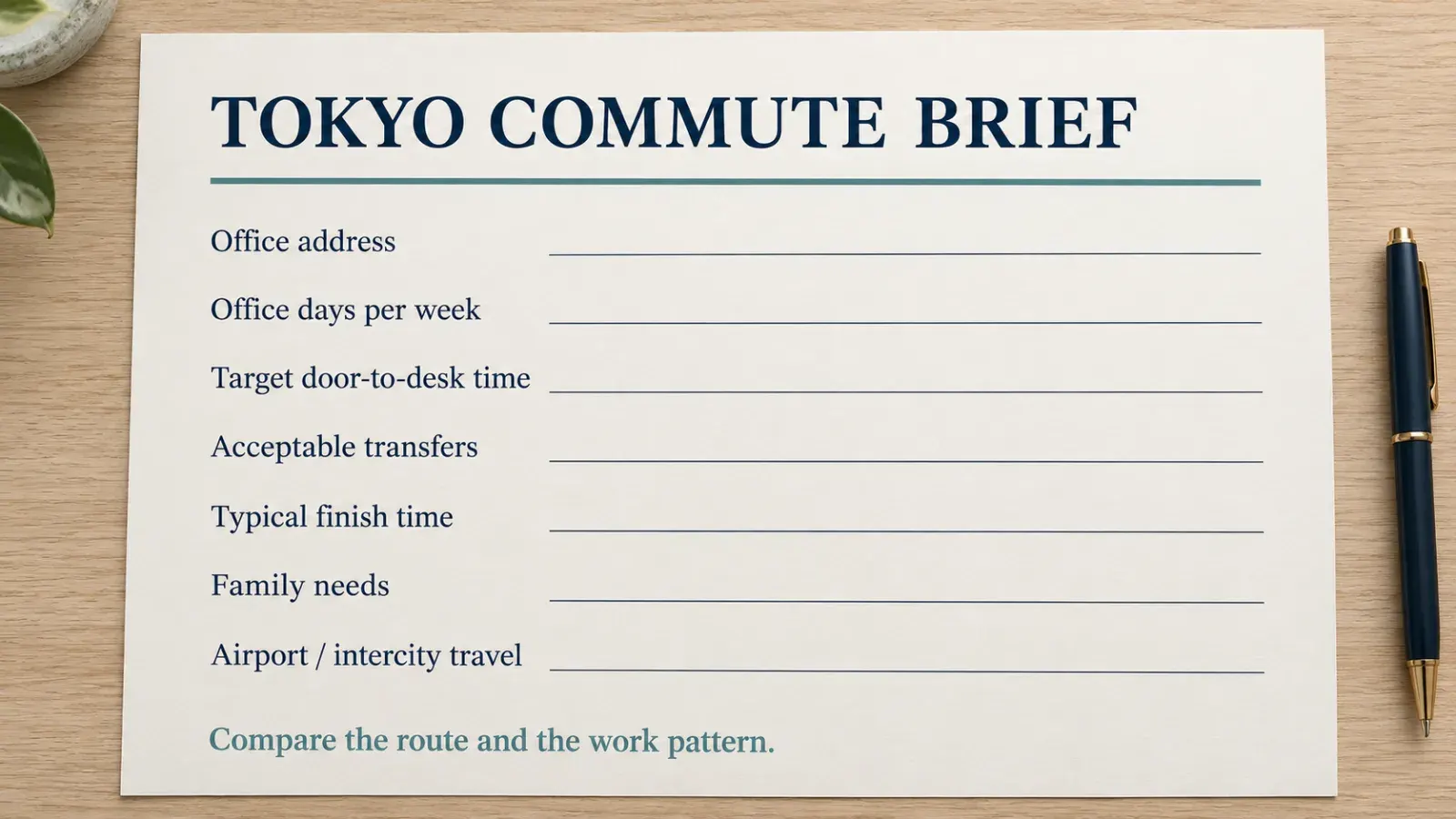
Office address, expected office days, target door-to-desk time, acceptable transfer count, latest typical finish time, family needs and any airport or intercity travel requirements.
Avoid publishing fixed travel-time claims without rechecking current schedules and the exact property. Travel times vary by service pattern, walking speed and time of day.
How can HIVEN fit commute-led housing selection?
HIVEN’s Corporate page describes long-stay housing for relocating teams and corporate guests in Tokyo, including team relocation, curated proposals from HIVEN residences, bilingual support from inquiry to move-in, and corporate terms with flexible billing. Public residence information also emphasizes 29+ night stays, furnished living and practical long-stay features.
HIVEN currently lists Kinshicho as its public district. Whether it is suitable depends on the employee’s actual office and travel pattern, so compare the specific route rather than treating any district as universally best.
Related HIVEN Guides
Read “Tokyo Housing for Assignees: What HR Teams Should Check Before Booking” and “Your First Week in Tokyo After Relocation.”
FAQ
What is a good commute time in Tokyo?
There is no universal target. Reliability, transfers, walking and the employee’s work pattern matter as much as minutes.
Should I choose the closest neighborhood to the office?
Not necessarily. Compare total door-to-desk effort and everyday living needs.
Should I test the commute before booking?
If practical, yes—especially at a realistic weekday time.
Is Kinshicho good for every assignee?
No district is best for everyone. The office location and work pattern should drive the decision.