What New Hires Need in Their First 30 Days in Tokyo
A first-30-days guide for international new hires in Tokyo, from move-in and commuting to daily routines, administration and settling into work.

Written by Hive Heaven
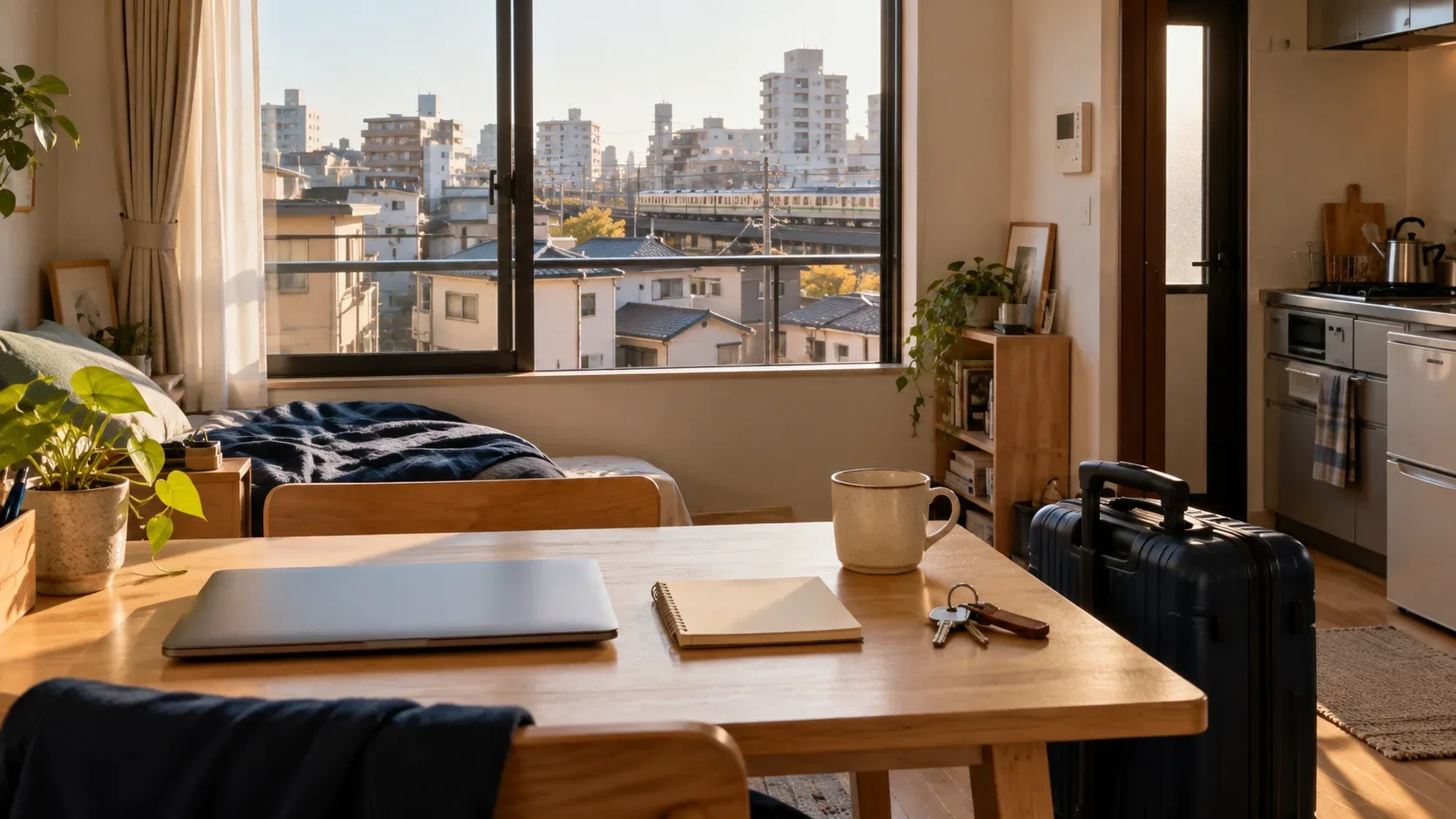
The first 30 days in Tokyo are not about “finishing Japan.” They are about building a routine that makes the new job sustainable. A new hire needs a workable home, a tested commute, basic local administration, reliable connectivity and enough ordinary habits that every evening does not feel like another relocation task.
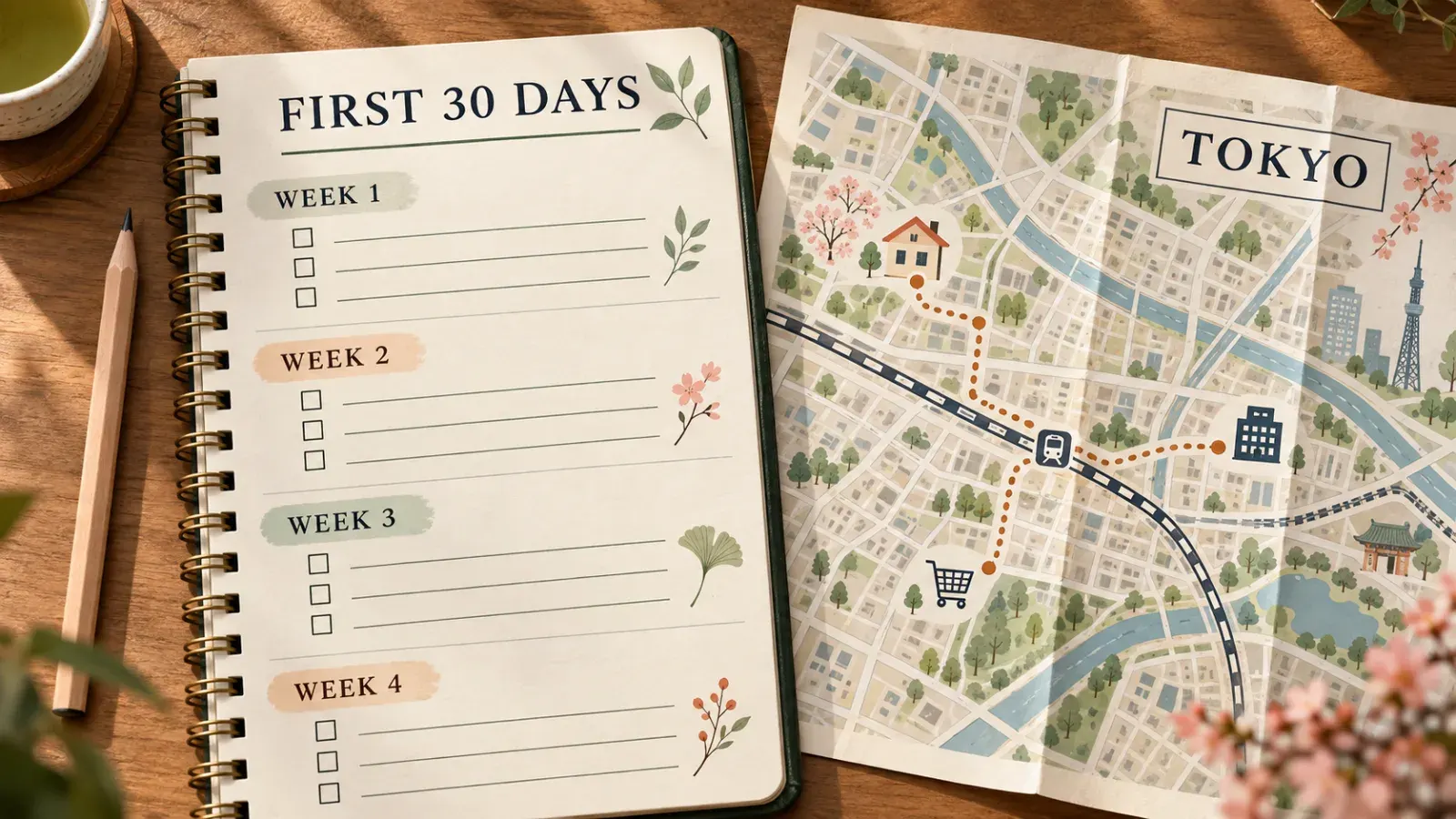
What should happen in days 1–3?
Keep the first days intentionally small: move in, confirm Wi-Fi and essential appliances, buy breakfast and household basics, locate a pharmacy and supermarket, and test the route to work. If government address procedures apply to the employee’s status, identify the correct municipal office and official instructions.
Avoid scheduling every free hour. Jet lag, administrative tasks and a new workplace create enough cognitive load already. A room where the employee can cook, wash clothes and work quietly can make the first days significantly easier.
What matters during the first working week?
Test the commute at the real departure time, not on a weekend afternoon. Learn one reliable lunch option near the office and one easy dinner option near home. Set up a basic grocery routine and understand local garbage rules.
At work, clarify onboarding contacts and emergency channels. Outside work, the goal is to reduce repeated decisions: same station exit, same supermarket, same route home. Familiarity is a productivity tool during relocation.

What should be stable by week two?
By the second week, connectivity, laundry, meals and commuting should require less thought. This is also a good time to review whether the housing setup supports actual work: chair comfort, desk space, calls across time zones, storage and sleep quality.
If the employee needs banking or other personal services, use the relevant official guidance and provider instructions. Requirements differ, so onboarding material should avoid presenting one bank or carrier’s process as universal.
What changes in weeks three and four?
The employee can start making longer-term choices: whether the current location works, whether the assignment housing should be extended, and what they value in permanent housing if a later move is planned.
This is when the difference between tourism and living becomes clear. The most useful neighborhood places are often not landmarks but the supermarket, pharmacy, café, gym, dry cleaner or quiet restaurant that fits into a workday.
A successful first month is not one where the employee sees the most of Tokyo. It is one where Tokyo starts requiring less effort.
What should HR review at day 30?
Ask about commute, sleep, workspace, housing functionality, communication with the provider and any upcoming change in assignment dates. A short structured check-in can catch friction before it becomes a relocation complaint.
For new hires, housing stability is part of onboarding. If the employee spends the first month constantly solving utilities, laundry, furniture or administrative problems, that competes directly with learning the role.
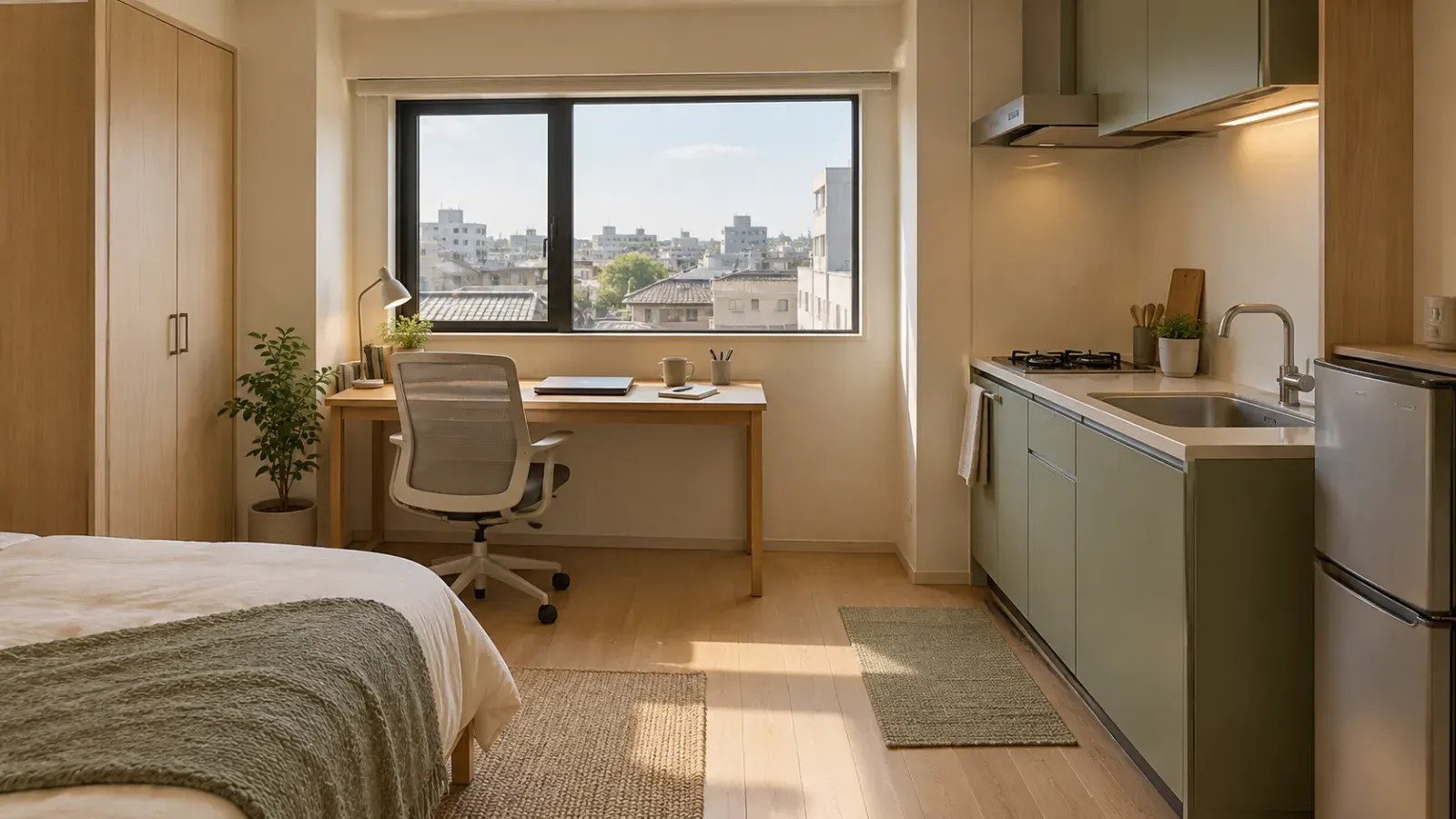
Where does HIVEN fit into the first 30 days?
HIVEN’s Corporate page positions the service around long-stay housing for relocating teams and corporate guests in Tokyo, with team relocation, curated proposals from HIVEN residences, bilingual support from inquiry to move-in, and corporate terms with flexible billing. Public residence information also emphasizes 29+ night stays, furnished living, weekly cleaning and practical in-room features.
For a new hire who needs a Tokyo base before deciding on longer-term housing, a furnished residence with everyday functions can reduce the amount of setup required. Confirm the specific room features and corporate arrangement for the assignment.
Related HIVEN Guides
Read “Your First Week in Tokyo After Relocation,” “Moving to Tokyo for Work: A Practical Relocation Checklist,” and “What Makes a Furnished Apartment Work for a Corporate Assignee?”
FAQ
What should a new hire do first after arriving in Tokyo?
Prioritize move-in basics, connectivity, the commute, food and any official procedures that apply to the person’s residence status.
When should long-term housing decisions be made?
There is no universal timing. Many employees benefit from learning the commute and daily routine before making a longer-term housing choice.
What should HR ask at the 30-day check-in?
Ask about commute, sleep, workspace, housing issues, provider communication and any expected assignment changes.
Why is a kitchen or in-room laundry useful for a new hire?
They reduce repeated errands and make ordinary weekdays easier, especially when the employee is also adapting to a new job.