A Tokyo Sabbatical: Planning a Month Away Between Chapters of Life
Plan a month in Tokyo during a career break or extended holiday with a realistic budget, a gentle routine and a clear return plan.

Written by Hive Heaven

A Tokyo sabbatical can be a month of travel, rest and personal interests without needing to become a dramatic reinvention. Set a realistic budget, clarify the purpose and legal conditions of the visit, choose a practical base and leave space for ordinary days. Plan the return as carefully as the departure.
Perhaps there is a gap between jobs, an agreed period of leave or simply a long holiday you have finally made room for. Tokyo can provide a different setting and plenty to explore. It cannot decide what the next chapter should be, and your itinerary does not need to pretend otherwise.

What do you want the month to make room for?
Choose one or two intentions that are within your control. You might want to walk regularly, read more, spend time with an interest or enjoy a slower trip than your usual annual holiday. These are clearer than expecting to return as a completely different person.
Distinguish a holiday from a work arrangement. If you intend to continue employment or paid activity, investigate the relevant requirements rather than treating the word sabbatical as permission. Accommodation and immigration decisions need to be considered separately.
You do not need a public explanation for every day of the break. A month can be worthwhile because you enjoyed it, learned what suits you or had time away from a familiar schedule.
How much time do you actually have?
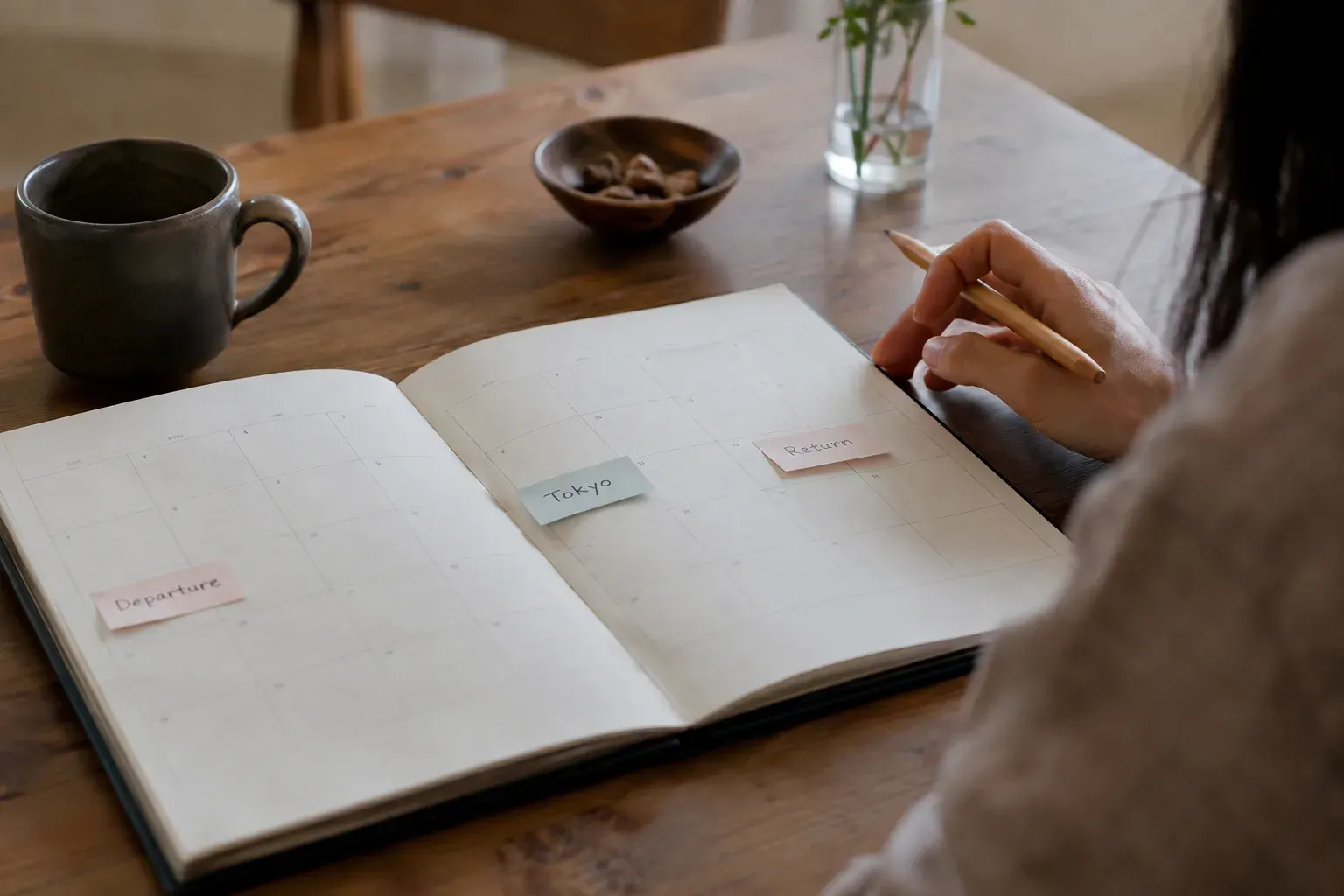
Count the entire period, including travel and the days needed after returning. If a new job or another commitment starts immediately, leaving a little margin may be more valuable than extending the final sightseeing day.
Check the conditions of any leave or career-break arrangement relevant to you. Do not build non-refundable bookings around an assumption that dates can move. Secure the practical foundations before designing the appealing parts of the itinerary.
Use local dates and times when comparing flights and accommodation. Count nights explicitly. A calendar month, four weeks and a 29-night booking are related ideas but not identical durations.
The break does not need to solve your life to be worth taking.
What belongs in the financial plan?
Separate the trip budget from the money you need at home and after returning. Include ongoing commitments, the full accommodation quote, flights, food, transport, insurance and the experiences you care about.
If you are between jobs, do not treat money reserved for the following months as spare holiday spending. Choose a trip you can finish comfortably. A lower nightly rate is not useful if the total duration creates financial strain.
Keep the calculation transparent. Use yen for local comparisons, a dated exchange assumption for your home currency and a distinct contingency amount. Review the result against the shorter alternative as well as the ideal month.
Which entry requirements should you check?
Use the Japanese Ministry of Foreign Affairs and the relevant embassy for your nationality, passport and intended activities. Living in the UK or US does not itself establish eligibility for a particular visa exemption.
A sabbatical is an employer or personal description, not a Japanese immigration status. Tourism, paid work and other activities need to be assessed under the applicable rules. Do not assume that an accommodation with internet access makes remote work permissible.
If your circumstances are not covered clearly by the official guidance, obtain appropriate advice before committing. The purpose is to match the trip to the correct conditions rather than trying to infer permission from another traveller's story.
What does a gentle first week look like?
Begin with arrival, sleep and a small local routine. Learn the room and neighbourhood before setting ambitious expectations. You may discover that the first few days are mostly about adjusting to the change in pace.
Choose one manageable outing each day you feel like exploring. Keep a few days less structured. If you have spent months rushing, an empty afternoon may initially feel unfamiliar rather than relaxing; you can give it a small purpose without filling it completely.
A breakfast routine, a grocery stop and a walk can provide enough shape. The [Kinshicho supermarket guide](https://www.hivenstay.com/guides/lifestyle/supermarkets-you-will-actually-use-kinshicho) is one resource for planning the everyday side of a stay in that area.

How do you keep the month from becoming another project?
Avoid giving every interest a measurable outcome. Reading can remain reading; walking can remain walking. You do not have to turn a cafe visit into research or an afternoon in a bookshop into evidence of personal growth.
At the same time, a little intention helps. Choose an activity that draws you outside, a few experiences worth booking and a way to keep in touch with people you care about. Those are supports, not performance targets.
Review the plan weekly. Ask what you enjoyed and what felt like obligation. Make the next week a little more like the former. A long trip gives you time to adjust without needing to declare the first plan a failure.
What kind of room supports a career-break holiday?
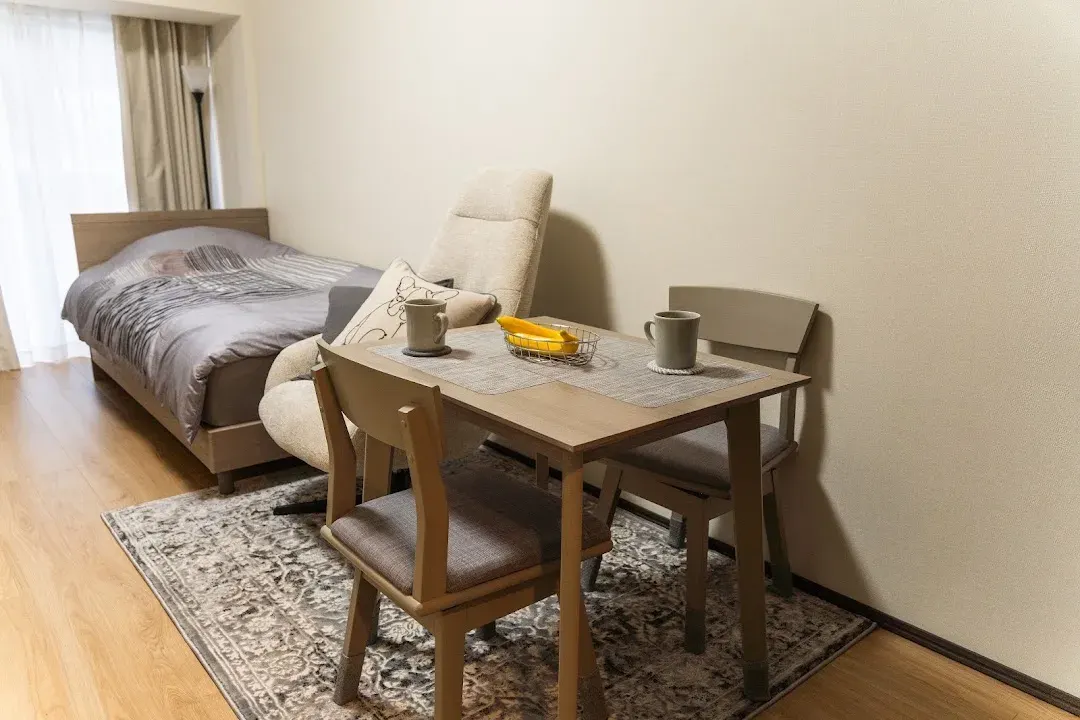
Think about quiet, comfortable use across a whole day. You may spend more time reading, preparing food or resting than on a fast sightseeing trip. Inspect seating, storage, actual equipment and the room's surroundings.
Clarify the service arrangements. A furnished residence can suit independent living, while another traveller may prefer a hotel's service model. Check what is included instead of choosing by category alone.
HIVEN's current Residence offer begins at 29 nights. If Kinshicho fits your intended journeys, compare the actual available units and complete terms. The room should support the break you are planning, not define what the break has to be.
HIVEN BK Kinshicho
4-6-4 Kotobashi, Sumida-ku, Tokyo, Japan
Open in Google Maps
How do you plan the return?
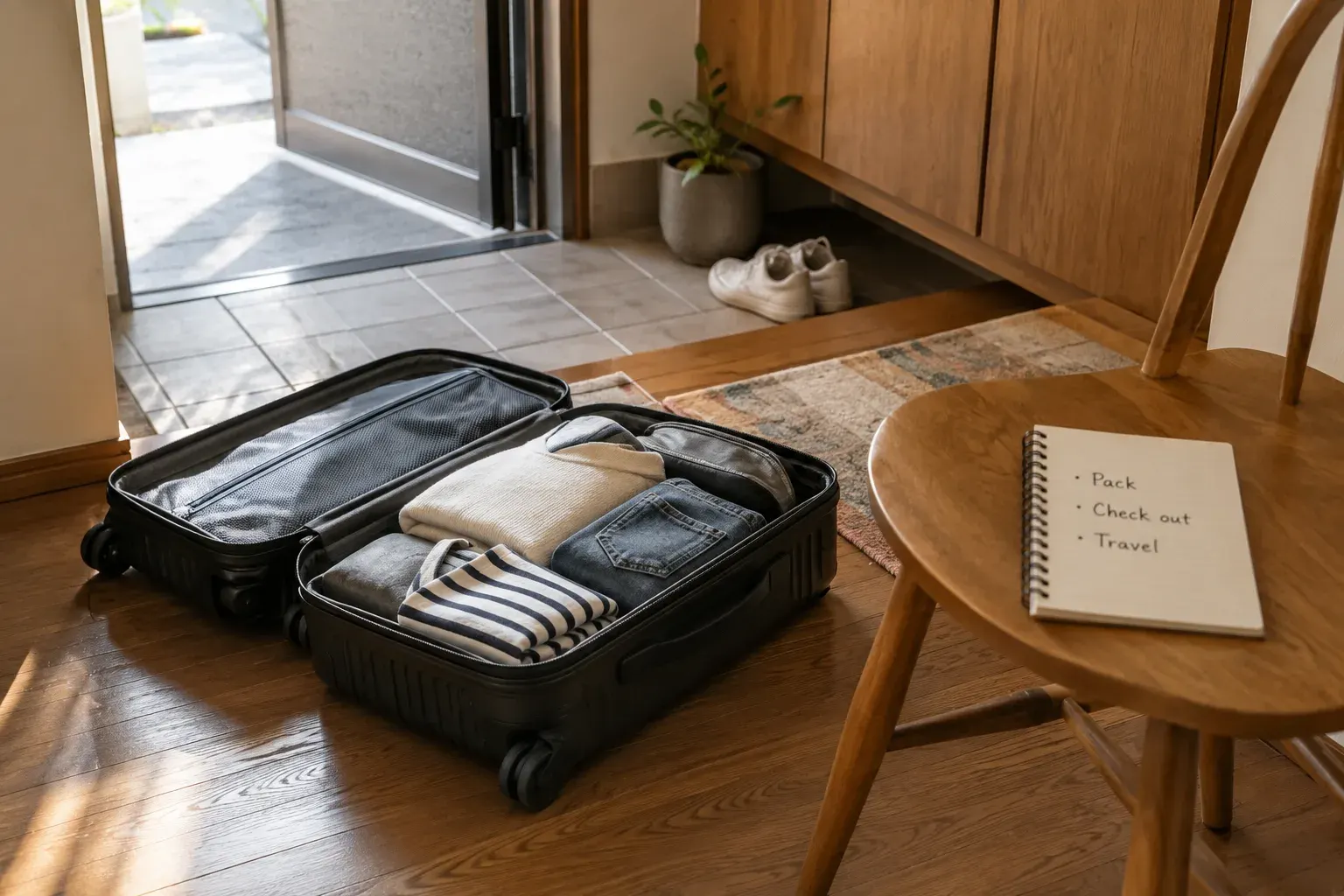
Keep important commitments visible before leaving. Arrange what needs to happen soon after you get back, including any work start date, bills or travel onward. This allows the final week in Tokyo to be enjoyable rather than a delayed administrative crisis.
Near the end, note a few habits or experiences you would like to keep. Be specific: a walk before checking messages, a simple breakfast, a regular afternoon for an interest. You do not need a manifesto.
Allow the trip to remain a trip. Some parts of Tokyo life will not transfer to home, and some things you liked may depend on being on holiday. That does not diminish their value.
Frequently asked questions
Is a sabbatical a special visa category?
No. It describes a period away from usual work or commitments. Check the Japanese entry and activity rules that apply to your actual circumstances.
Can I work remotely because I am staying in an apartment?
Do not infer work permission from the accommodation. Verify immigration and any other applicable requirements separately before arranging paid activity.
Must I have a major goal for the month?
No. A few modest intentions can be enough. The trip does not need to produce a career decision or a dramatic personal change.
What if I only have three weeks?
Plan a trip and accommodation that fit the time available. Do not extend beyond your practical limits solely to qualify for a monthly product.
How do I avoid overspending during a career break?
Separate travel spending, ongoing commitments, contingency and the funds needed after returning. Compare complete totals before booking.
Should every day have an activity?
No. Keep a few useful anchors and allow rest. Adjust the balance after seeing what actually feels enjoyable.
What should I decide before booking HIVEN?
Confirm that the dates meet the current minimum and that the specific room, location, full price and terms suit the way you want to spend the month.
Sources and information check
[Japan Ministry of Foreign Affairs — visa exemption conditions](https://www.mofa.go.jp/j_info/visit/visa/short/novisa.html)
[Embassy of Japan in the UK — temporary visitor information](https://www.uk.emb-japan.go.jp/itpr_en/index_000070.html)
[Embassy of Japan in the USA — short-term visits](https://www.us.emb-japan.go.jp/itpr_en/visa-short-term-visit.html)
[JNTO — planning a visit to Japan](https://www.japan.travel/en/plan/)
[HIVEN — current Residence offer](https://www.hivenstay.com/?lang=en)
[HIVEN — booking and stay FAQ](https://www.hivenstay.com/faq)
Information checked: 30 October 2026. Recheck time-sensitive details before publication and before booking or visiting, including prices, opening hours, transport, entry requirements and the selected room’s terms. Suggested routines and sample itineraries are editorial planning examples, not guest testimonials.


