How Much Does One Month in Tokyo Cost? A Realistic 2026 Budget
A realistic 2026 budget for spending 29–30 days in Tokyo, including furnished accommodation, food, transport, mobile data, cafés, leisure, and the upfront costs travelers often forget.

Written by Hive Heaven
How much does one month in Tokyo really cost in 2026? For one person staying 29–30 nights in a private furnished long-stay residence, a realistic starting budget is about ¥500,000–¥700,000, excluding international airfare and any separate deposit requirement. A very careful month can come in lower. A larger room, frequent dining out, shopping, nightlife, or weekend trips can push the total above ¥700,000. The biggest reason online answers look wildly different is simple: a Japanese resident’s monthly household budget is not the same thing as a visitor’s first month in Tokyo. A resident may already have a home, utilities, furniture, internet, cookware, and a local routine. A one-month guest has to pay for a ready-to-live setup from day one.
Quick Answer: A Realistic Tokyo One-Month Budget in 2026
For a private, furnished 29–30 day stay, use these planning ranges: Lean furnished month: about ¥470,000–¥520,000 Comfortable furnished month: about ¥520,000–¥650,000 Spacious or experience-focused month: about ¥650,000–¥800,000+ These are planning ranges, not official Tokyo averages. They are designed for a temporary resident who wants a private furnished base, everyday meals, local transport, mobile connectivity, and enough room in the budget to actually enjoy the city.
Why Japan’s Resident Living-Cost Average Can Mislead One-Month Visitors
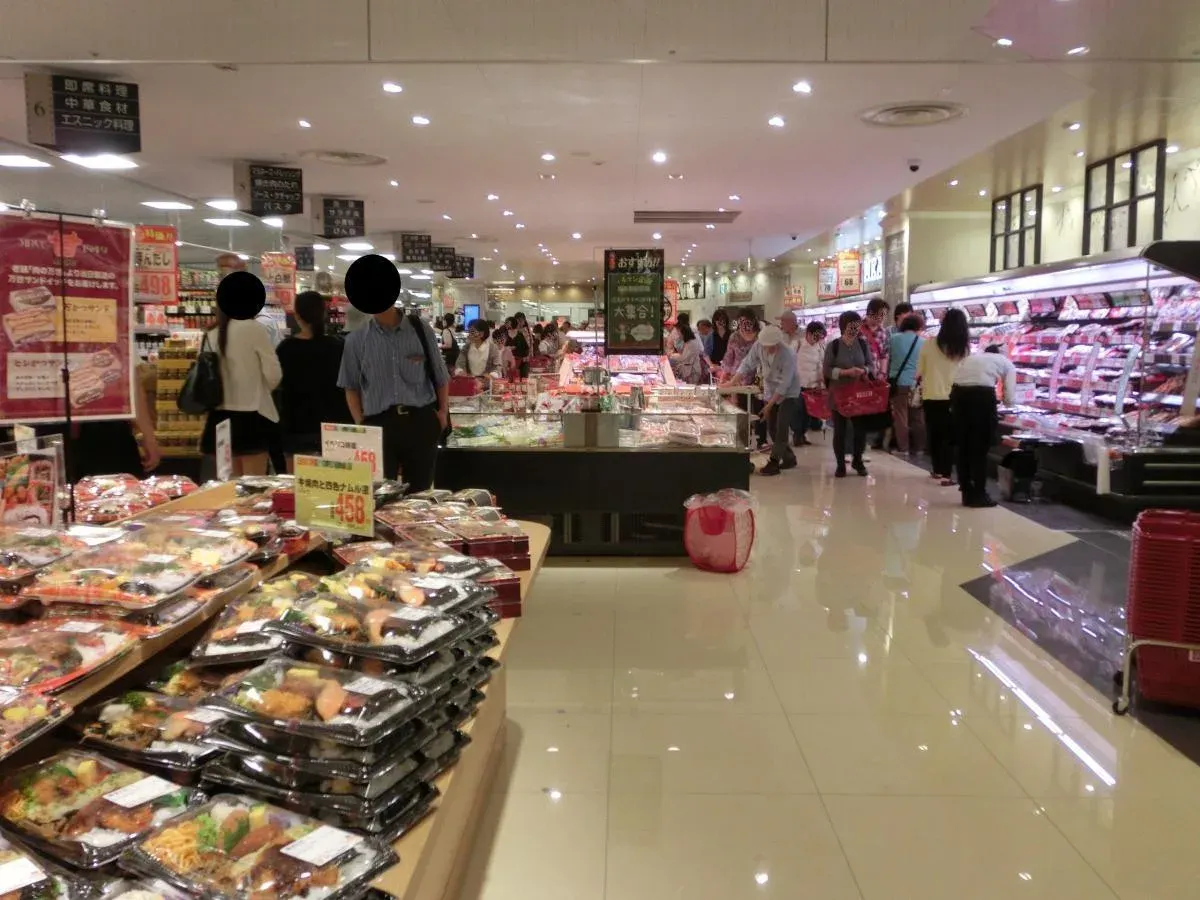
Japan’s Statistics Bureau reports that the average monthly consumption expenditure for a one-person household was ¥173,042 in 2025. That number is useful as a resident household benchmark, but it is not a realistic all-in budget for a foreign visitor arriving in Tokyo for one month. The survey covers people already living in Japan under many different housing situations, including households whose housing costs are far below a newly booked furnished apartment. It also measures household consumption, not the price of setting up a temporary furnished home in Tokyo. So when you see a figure around ¥170,000–¥200,000 online, ask what it actually represents. It may be a resident spending average, not a 30-night accommodation-and-living budget for a newcomer.
Housing Changes the Budget More Than Anything Else
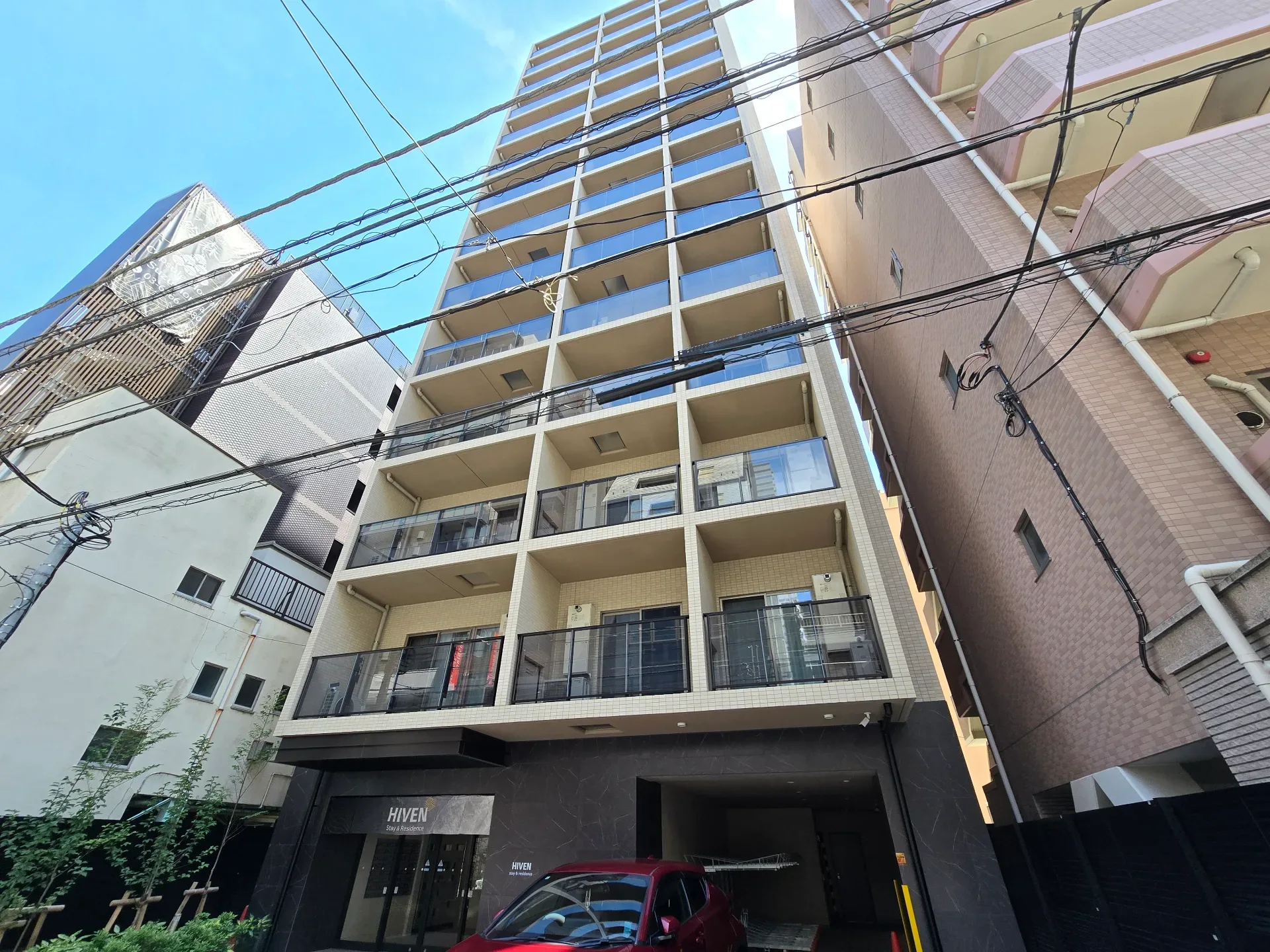
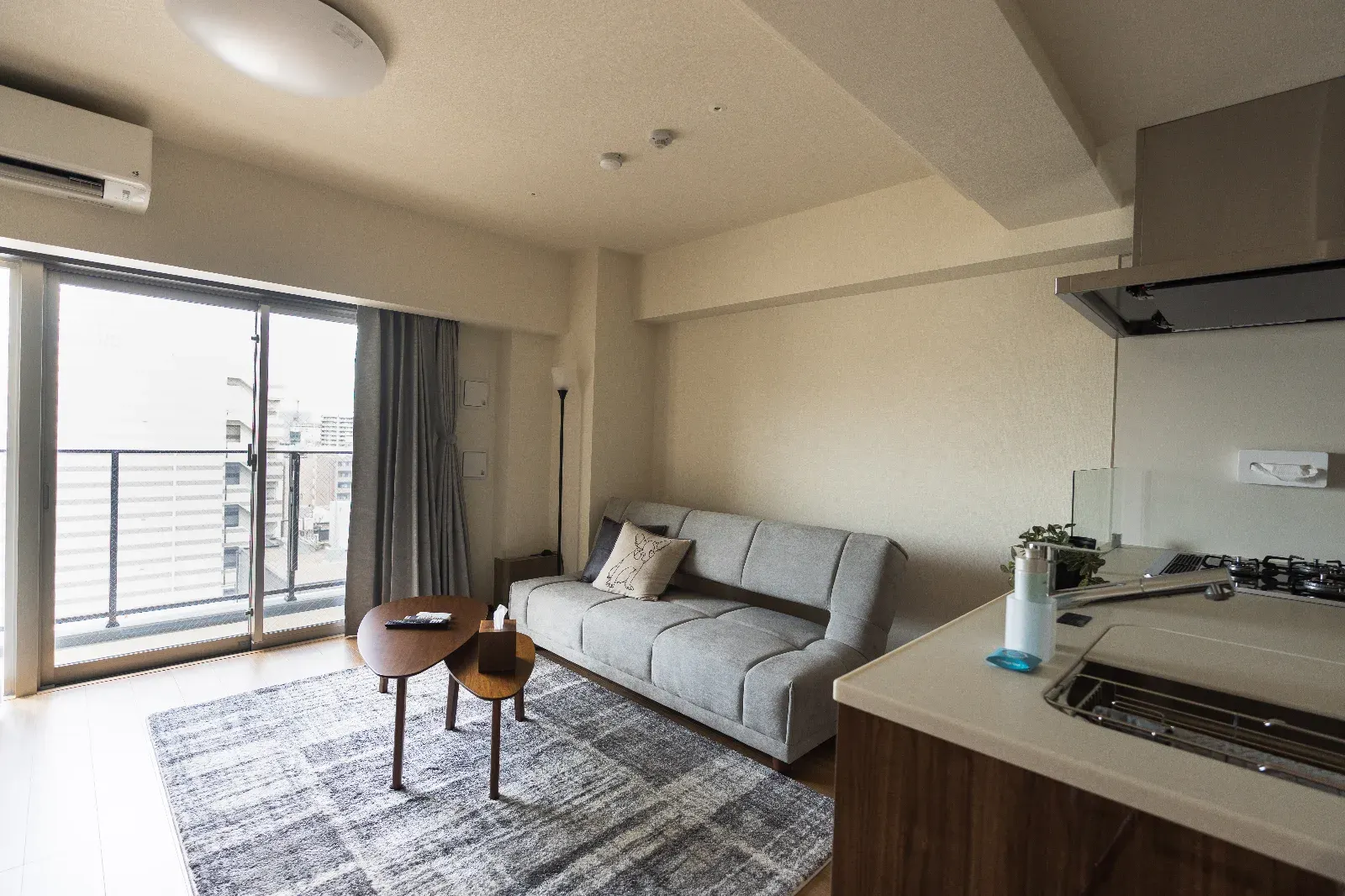
For a one-month stay, accommodation is usually the deciding number. As checked on August 26, 2026, HIVEN’s currently published 32.96 m² Kinshicho rooms sit roughly around ¥366,000–¥416,000 when the listed monthly price and service fee are combined. Published 50.42 m² rooms sit roughly around ¥516,000–¥558,000 on the same basis. Room, floor, availability, and current pricing can change, so always check the live booking page before making a final budget. HIVEN also has a separate ¥100,000 deposit requirement on these current listings. That should be treated as upfront cash required, not mixed into your normal food-and-transport spending estimate. This is why ¥300,000 cannot be presented as a realistic all-in HIVEN month: the accommodation component can already exceed that amount before groceries, trains, coffee, or sightseeing enter the picture.
A Realistic 30-Day Tokyo Budget, Category by Category
A useful one-month budget should separate fixed housing from flexible daily spending. For one person in a furnished long-stay residence, a practical monthly plan looks like this: Accommodation: ¥366,000–¥558,000 depending on room size and current pricing Food and groceries: ¥60,000–¥100,000 Local transport: ¥12,000–¥25,000 Mobile data or eSIM: ¥3,000–¥6,000 Cafés, sightseeing and leisure: ¥20,000–¥60,000 Household items and miscellaneous spending: ¥10,000–¥20,000 That produces a broad working range of roughly ¥470,000 at the careful end to ¥770,000+ for a larger room and more active lifestyle. International airfare is not included because the starting country changes that number too much.
Food: ¥60,000–¥100,000 Is a Better Planning Range Than a Tourist Meal Budget
The 2025 national household survey put average food spending for one-person households at about ¥49,000 per month. A one-month Tokyo visitor should usually budget higher than that if they plan to mix supermarket shopping with cafés, convenience-store stops, casual restaurants, and a few nicer meals. A practical target is around ¥2,000 per day at the careful end and closer to ¥3,000 or more if you eat out regularly. Having a kitchen matters because breakfast, coffee, fruit, simple dinners, and leftovers are where a furnished residence can quietly reduce the monthly total. The goal is not to cook every meal. It is to avoid paying restaurant prices because you have no other option.
Transport: Living in One Neighborhood Is Cheaper Than Sightseeing Every Day
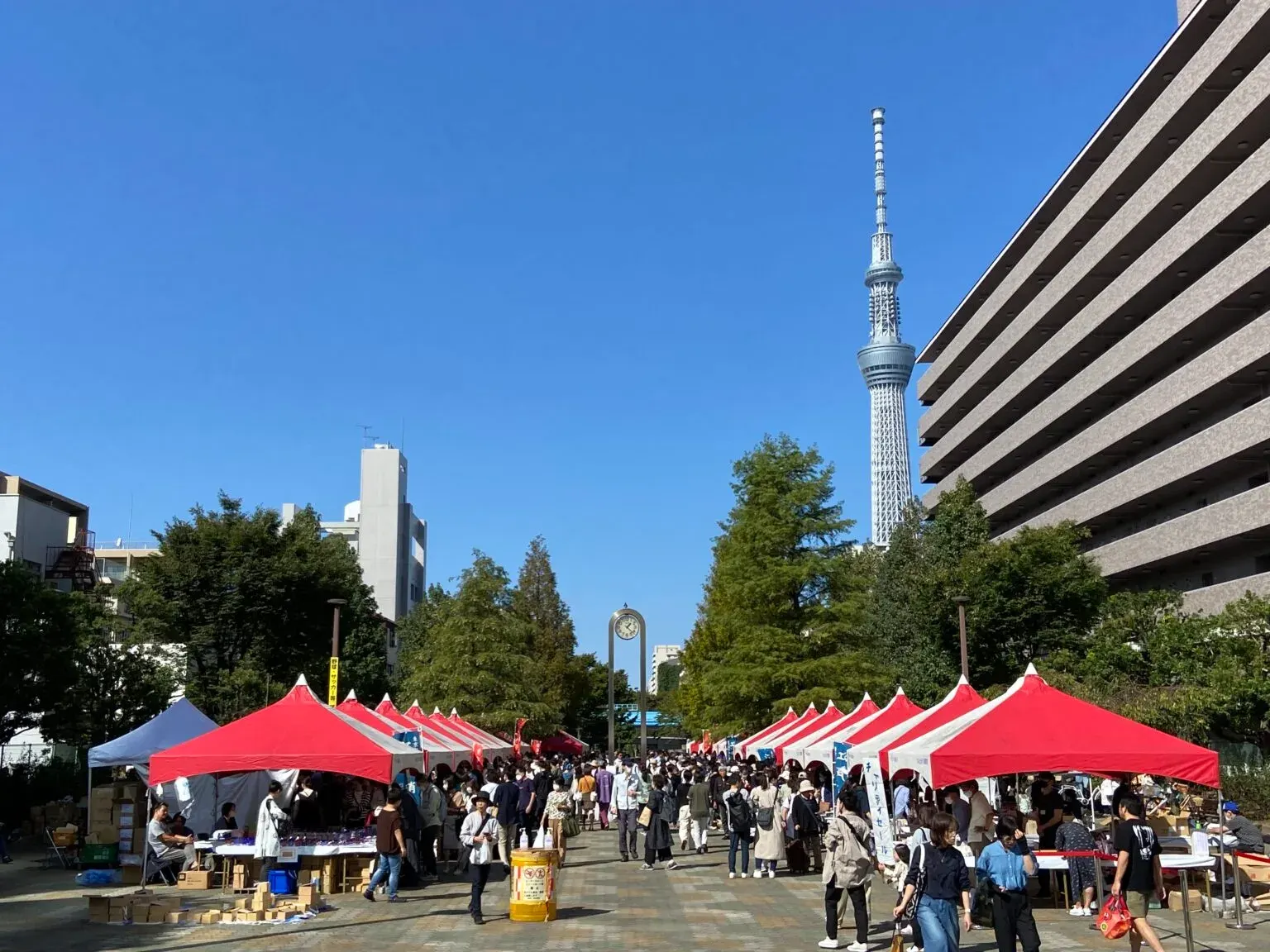
Tokyo transport is efficient, but repeated cross-city trips add up. From March 14, 2026, the Tokyo Subway 24-hour Ticket costs ¥1,000 for adults, while the common Tokyo Metro and Toei Subway one-day ticket costs ¥1,100. You will not buy a tourist pass every day, but those prices are a useful reminder that a month of constant sightseeing is different from a month of neighborhood-based living. For a normal long-stay routine, ¥12,000–¥25,000 is a reasonable planning allowance for local trains and subways. If you add airport transfers, day trips, Shinkansen travel, taxis, or frequent late-night rides, keep those outside the basic local-transport budget.
Mobile Data: Budget for Connectivity, Even When Your Room Has Wi-Fi
If your residence includes Wi-Fi, mobile data becomes a smaller line item, but it still matters when you are navigating stations, messaging while outside, translating menus, or working from a café. For a 30-day stay, ¥3,000–¥6,000 is a practical allowance for an eSIM or local data plan, depending on data volume and provider. Do not double-count apartment Wi-Fi if it is already included in the accommodation price.
Cafés, Sightseeing and Leisure: The Most Flexible Part of the Budget
This is where two people with the same room can end the month with completely different totals. A quiet month of parks, neighborhood walks, museums, and occasional cafés may need only ¥20,000–¥30,000. A month with cocktails, concerts, theme parks, shopping, and frequent paid attractions can exceed ¥60,000 quickly. For budget planning, keep leisure separate from food. A ¥700 coffee is not a grocery expense, and a weekend in Hakone is not local transport. Separating categories makes it much easier to see what is actually driving your total.
The Costs People Forget Before Their First Month in Tokyo
A good budget includes the small costs that appear only after arrival: Airport transfer into Tokyo Luggage delivery or oversized-bag transport Detergent, toiletries and household consumables Replacement chargers, umbrellas or adapters Attraction tickets and event reservations Occasional taxis after the last train Currency-conversion or overseas-card fees A separate accommodation deposit, if required These are not all guaranteed expenses. The point is to keep a buffer rather than spending your entire budget on rent and assuming everything else will fit automatically.
Is ¥300,000 Enough for One Month in Tokyo?
It can be, but only under a very different accommodation strategy. If you choose a low-cost share house, dorm-style setup, deeply discounted room, or stay outside central Tokyo and cook most meals, ¥300,000 may be possible. It is not a realistic all-in budget for a private furnished long-stay residence like HIVEN, where current accommodation plus service fees alone can begin around the mid-¥300,000s. That distinction matters for SEO and for real planning: “Can it be done?” and “What does a comfortable private month cost?” are two different questions.
Is ¥500,000 Enough for One Month in Tokyo?
Yes, but it is closer to the careful end of a private furnished stay. With a compact room, supermarket-heavy meals, neighborhood-based days, and controlled leisure spending, ¥500,000 can work. If your accommodation is closer to ¥400,000, however, that leaves only about ¥100,000 for everything else. For many guests, ¥550,000–¥650,000 creates a more comfortable margin.
Why Kinshicho Can Make a One-Month Budget Easier to Control
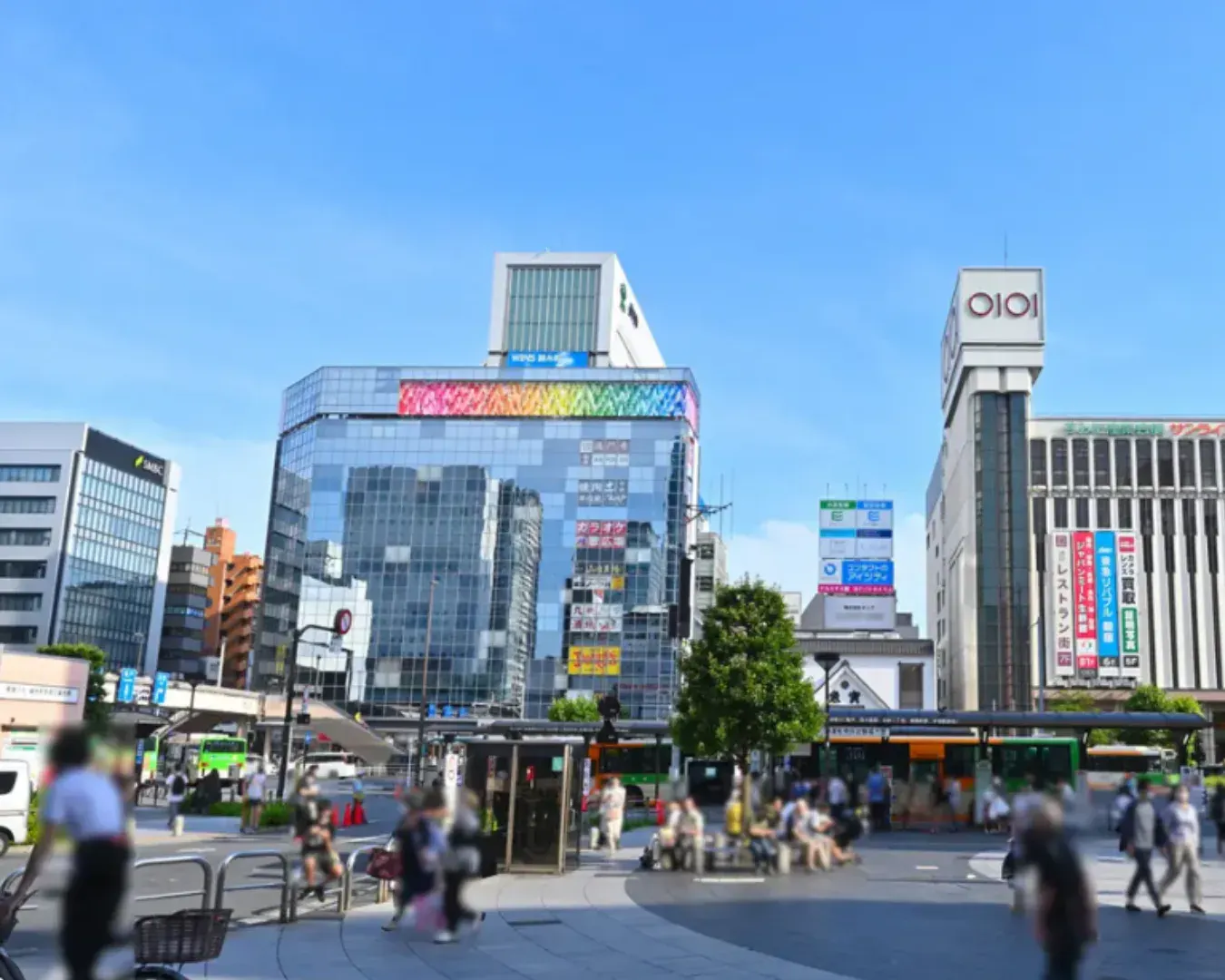
A long-stay neighborhood saves money in quiet ways. If supermarkets, pharmacies, casual restaurants, cafés, parks, and your station are already nearby, you do not need to cross Tokyo every time you want dinner or a change of scenery. Kinshicho works well for this because it functions as an everyday commercial and residential hub, not only a sightseeing district. From HIVEN, the useful part of Tokyo can begin with walking: groceries, coffee, daily errands, and local meals can become part of the same repeatable radius. That does not make Tokyo cheap. It makes the monthly budget easier to predict.
HIVEN stay & residence BK Kinshicho
4 Chome-6-4 Kotobashi, Sumida City, Tokyo 130-0022, Japan
Open in Google Maps
What Changes If Two People Share the Room?
Accommodation does not necessarily double when two people stay together, so the per-person cost can fall significantly. Food, transport, mobile data, and personal leisure still scale with each guest, but the largest fixed expense can be shared. For couples or friends, calculate the apartment cost first, then add personal daily spending per person. Always confirm the room’s occupancy rules and any extra-guest charges before using a per-person estimate.
A Better Way to Build Your Tokyo Budget
Start with the accommodation you would actually book, not a generic Tokyo rent average. Then add a realistic food allowance, local transport, mobile data, leisure, and a 5–10% buffer. Keep refundable or potentially refundable deposits outside your consumption total, but make sure you have enough cash or card capacity to cover them upfront. A one-month Tokyo budget becomes much more accurate when you stop asking “What does an average person in Japan spend?” and start asking “What will my first 30 days actually require?”
A realistic Tokyo budget begins with the room you will actually book, not the cheapest monthly number you can find online.
FAQ: One Month in Tokyo Cost
How much money do I need for one month in Tokyo in 2026?
For one person in a private furnished long-stay residence, roughly ¥500,000–¥700,000 is a realistic starting range excluding international airfare and separate deposits. Budget travelers using cheaper housing can spend less, while larger rooms and frequent dining or leisure can push the total higher.
How much should I budget for food for 30 days in Tokyo?
Around ¥60,000–¥100,000 is a practical planning range if you mix groceries, convenience stores, cafés, and casual restaurants. Cooking more often can reduce the total; frequent restaurant meals can raise it substantially.
How much is a furnished apartment for one month in Tokyo?
Prices vary widely by neighborhood, room size, operator, and included services. In HIVEN’s current Kinshicho inventory checked in August 2026, published compact rooms are roughly in the mid-¥300,000s to low-¥400,000s including the listed service fee, while larger published rooms can exceed ¥500,000.
Is a monthly apartment cheaper than a hotel for 30 nights?
It can be, especially when a furnished residence includes a kitchen, laundry, Wi-Fi, utilities, workspace, and other long-stay functions that would otherwise create separate costs. Compare the full 30-night total and included services rather than only the nightly or monthly headline rate.
Does this Tokyo budget include flights?
No. International airfare is excluded because the price depends heavily on your departure country, travel dates, airline, baggage, and booking timing.
Should I count a housing deposit as part of my monthly living cost?
Treat a deposit separately from day-to-day spending. It still matters for the amount of money or card capacity you need before arrival, but it is not the same category as rent, groceries, or transport. Always check the property’s current deposit and refund conditions.
Can a digital nomad live in Tokyo for one month on ¥500,000?
Yes, with careful housing and lifestyle choices. A work-ready furnished room with Wi-Fi and a kitchen can reduce separate setup costs, but if accommodation approaches ¥400,000, the remaining budget for food, transport, cafés, and leisure becomes relatively tight.
Sources and Methodology
This guide was researched in August 2026 using current HIVEN Kinshicho published room pricing, the Statistics Bureau of Japan’s Family Income and Expenditure Survey and Consumer Price Index releases, and Tokyo Metro’s 2026 ticket-price update. The spending ranges for food, transport, mobile data, leisure, and miscellaneous costs are HIVEN editorial planning ranges for a temporary one-month guest, not official government averages. Official references checked: Statistics Bureau of Japan — Family Income and Expenditure Survey: https://www.stat.go.jp/data/kakei/qa-1.html Statistics Bureau of Japan — Consumer Price Index: https://www.stat.go.jp/english/data/cpi/ Tokyo Metro — 2026 ticket price revision: https://www.tokyometro.jp/news/images_h/metroNews260130_g05.pdf Prices and service conditions can change. Check live accommodation and transport pricing before booking.
Final Takeaway
A month in Tokyo can be inexpensive, comfortable, or very expensive depending on how you choose to live. But for a private furnished stay with enough room for groceries, trains, cafés, and ordinary life, ¥500,000–¥700,000 is a more useful 2026 planning range than the very low figures often quoted from resident household averages. Start with the accommodation you genuinely want. Add the cost of the days you actually plan to live. Then leave enough margin for Tokyo to feel like a month, not a thirty-day exercise in avoiding every expense.