Tokyo Housing for Assignees: What HR Teams Should Check Before Booking
An HR checklist for assignee housing in Tokyo, covering commute, furnishing, billing, utilities, cleaning, flexibility and employee support.

Written by Hive Heaven

Assignee housing in Tokyo should be selected as an operating decision, not just an accommodation purchase. HR needs a home that works for the employee, a billing structure that works for the company, and enough flexibility to handle changes in assignment timing. The best booking checklist therefore combines location, everyday functionality, administration and support.
What should HR check before approving assignee housing?
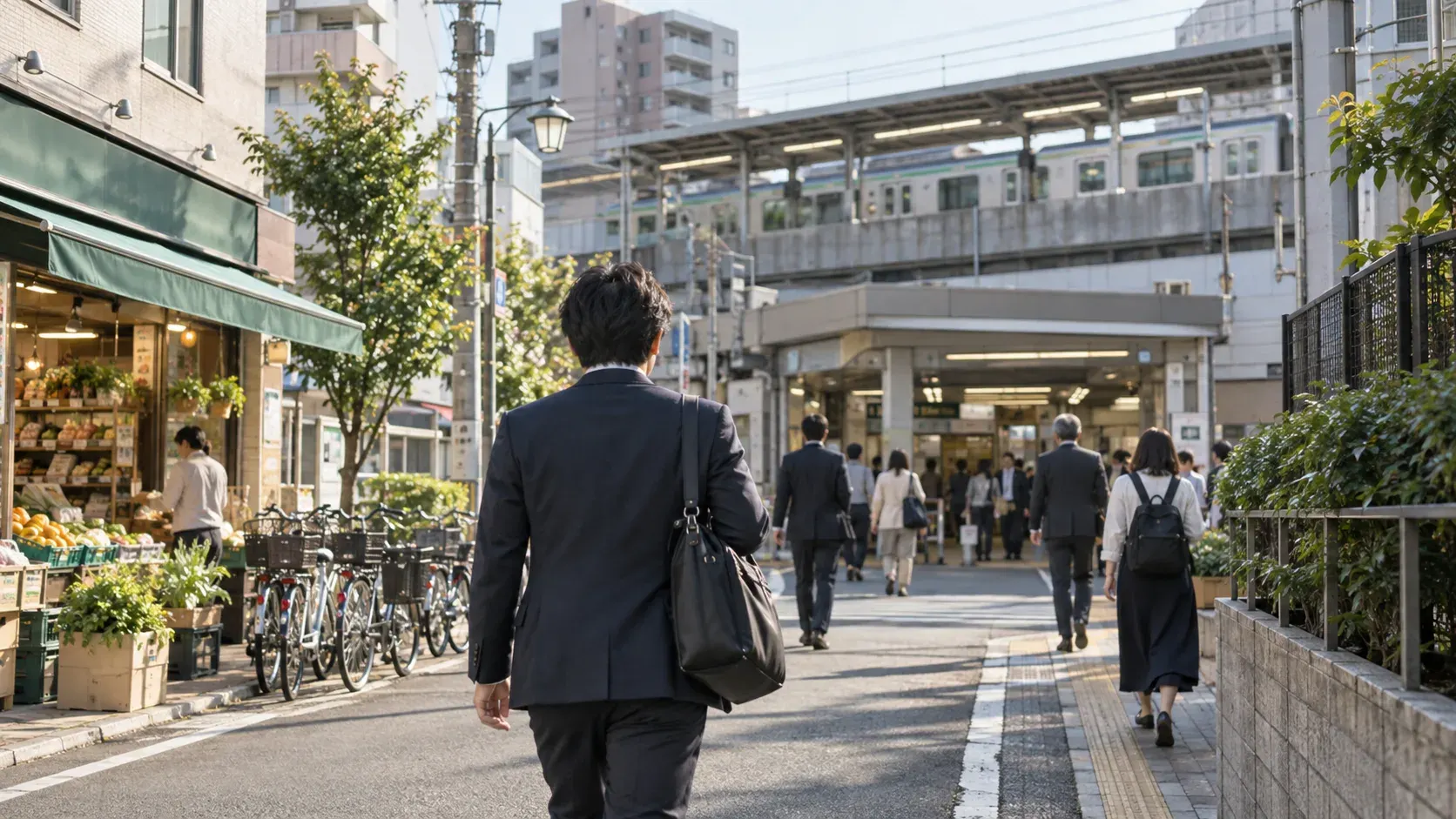
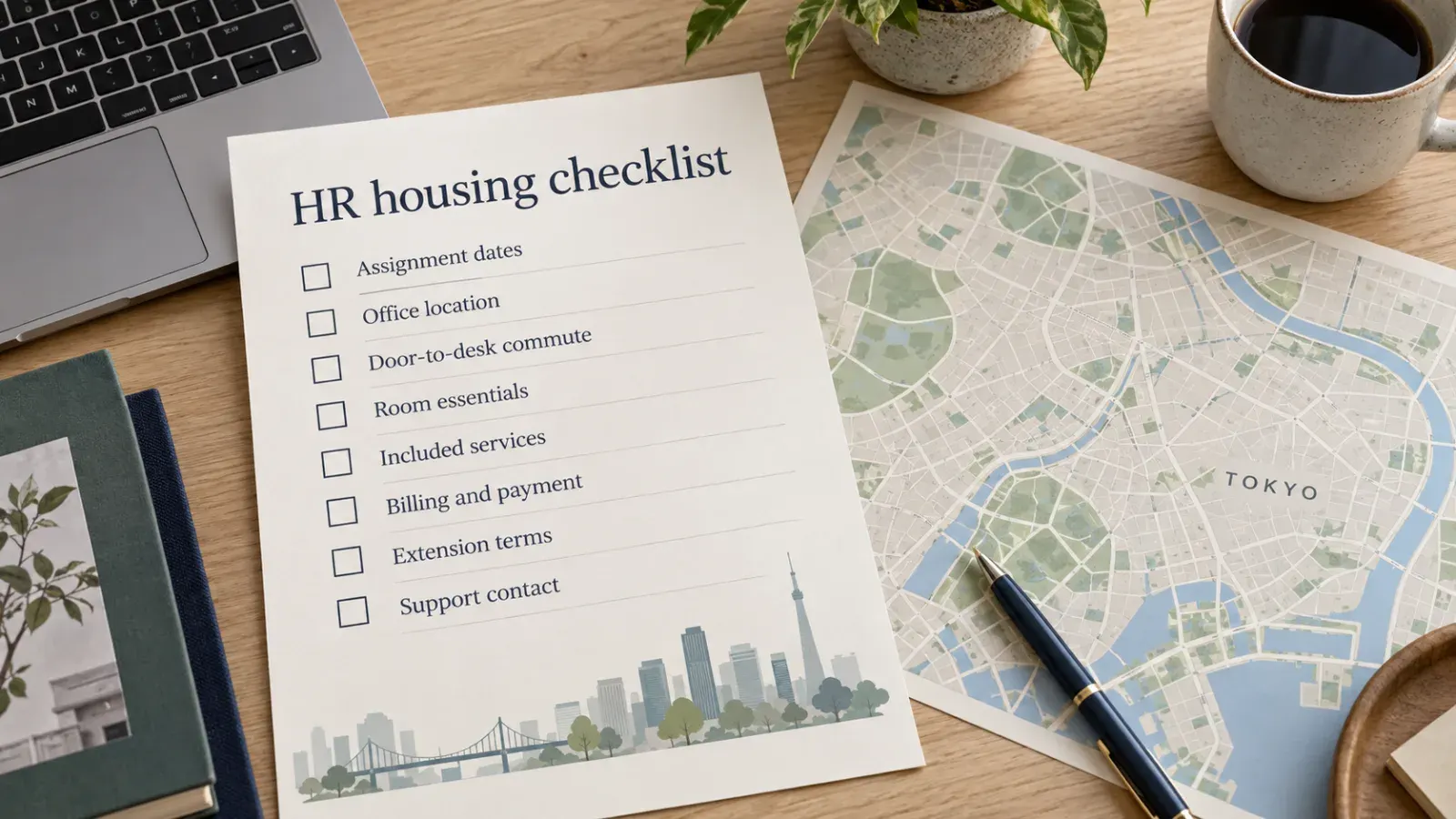
Start with assignment dates, office location, expected working pattern and whether the employee will live alone or with family. Then compare the door-to-desk commute, not simply the nearest train station. A one-transfer route that is predictable can be more practical than a shorter route with difficult peak-hour changes.
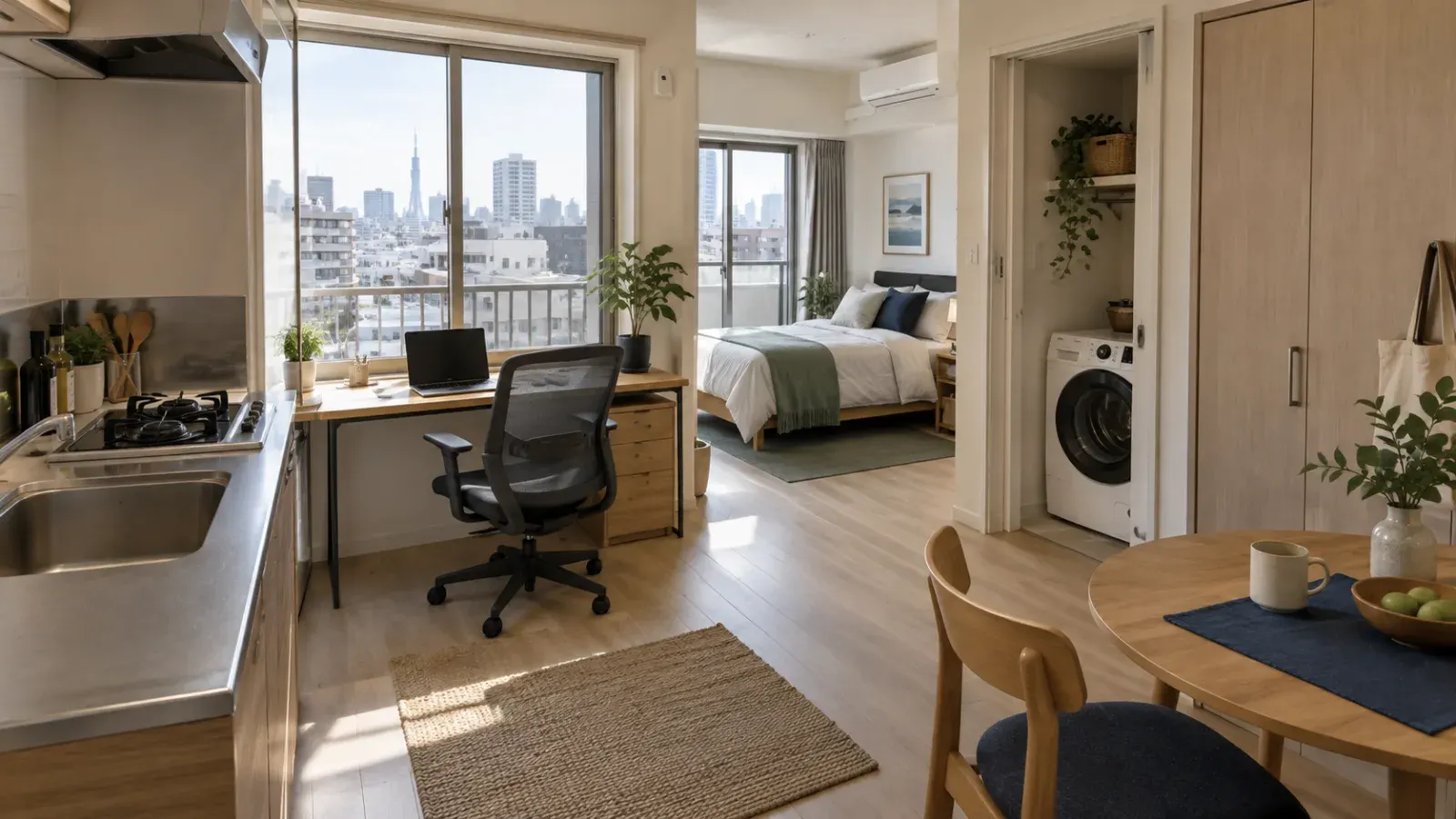
Next, inspect the unit as a place to live for weeks or months: bed, desk, Wi-Fi, air conditioning, kitchen, laundry, storage, housekeeping and waste-disposal rules. Ask which of these are actually included in the quoted price.
Why does billing matter as much as the room?
Corporate bookings often fail operationally when the room is acceptable but the paperwork is not. HR or procurement should confirm who signs, what invoice or receipt format is available, when payment is due, how deposits are handled, and what happens if the assignment changes.
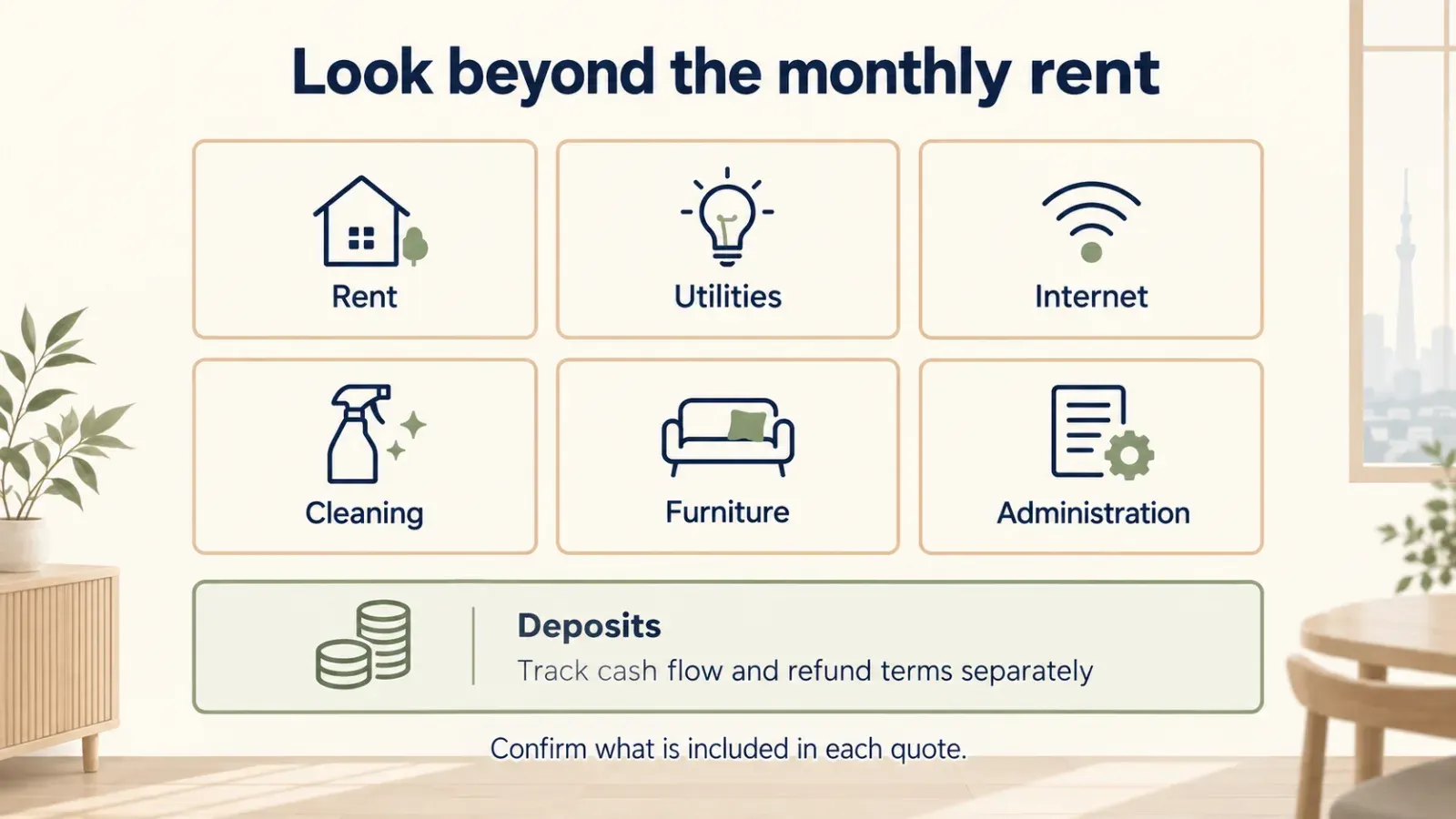
Also check whether utilities, cleaning, internet and furnishing are included or billed separately. A lower headline rent can create more administration if several additional services need separate setup and reconciliation.
How much flexibility should an assignee booking have?
Assignments move. Start dates shift, projects extend and permanent housing takes longer than expected. HR should understand extension rules, notice requirements, change procedures and whether another room can be proposed if circumstances change.
Flexibility is especially valuable during the first 30–60 days because the employee may still be learning the commute, neighborhood and long-term housing needs.
What support should an international assignee expect?
At minimum, the employee should know how to ask questions before arrival and whom to contact after move-in. Clear English or bilingual communication reduces small problems around check-in, appliances, utilities, deliveries and building rules.
For HR, one point of contact is often more valuable than a long amenity list because it reduces coordination time across the employee, housing provider and internal approvers.
Good assignee housing solves two problems at once: where the employee lives and how little administration the move creates.
What should be documented in the booking file?
Keep the address, stay dates, unit type, guest names, included services, billing contact, payment schedule, house rules, extension process and emergency contact together. This becomes the handover document for both HR and the employee.
If the stay is linked to government address registration or other procedures, avoid promising that every accommodation type will work identically. Confirm requirements with the relevant authority and the specific provider.
How does HIVEN fit an assignee-housing brief?
HIVEN’s Corporate page positions the service around long-stay housing for relocating teams and corporate guests in Tokyo, with team relocation, curated proposals from HIVEN residences, bilingual support from inquiry to move-in, and corporate terms with flexible billing. Public residence information also emphasizes 29+ night stays, furnished living, weekly cleaning and practical in-room features.
That service model aligns with the common HR need for move-in-ready housing plus a defined corporate contact. The exact billing terms, unit availability and included features should be confirmed in the proposal for each assignment.
Related HIVEN Guides
Read “Relocating Employees to Tokyo: HR Checklist Before Arrival,” “Corporate Housing Costs in Tokyo: What Companies Should Compare,” and “How Long Should Corporate Housing Be Booked for a Tokyo Assignment?”
FAQ
What is assignee housing?
It is temporary or long-stay accommodation arranged for an employee who is relocating or working on assignment away from their usual home.
Should HR prioritize the shortest commute?
Not automatically. Compare reliability, transfers, peak-hour experience and the employee’s everyday needs as well as travel time.
What costs should be included in the comparison?
Rent, utilities, internet, cleaning, furniture, deposits, brokerage or guarantor-related costs where applicable, and internal administration.
Why are extension terms important?
Assignments frequently change. Knowing extension, notice and change rules before booking reduces disruption later.