What Makes a Furnished Apartment Work for a Corporate Assignee?
What corporate assignees actually need from a furnished apartment in Tokyo: workspace, Wi-Fi, kitchen, laundry, privacy, cleaning and support.

Written by Hive Heaven

A furnished apartment is useful to a corporate assignee only when the furnishings remove real work from daily life. A bed and table are not enough. For a one- to three-month stay, the unit needs to support sleep, work, meals, laundry, storage and predictable communication with the provider.
What does “move-in ready” really mean?
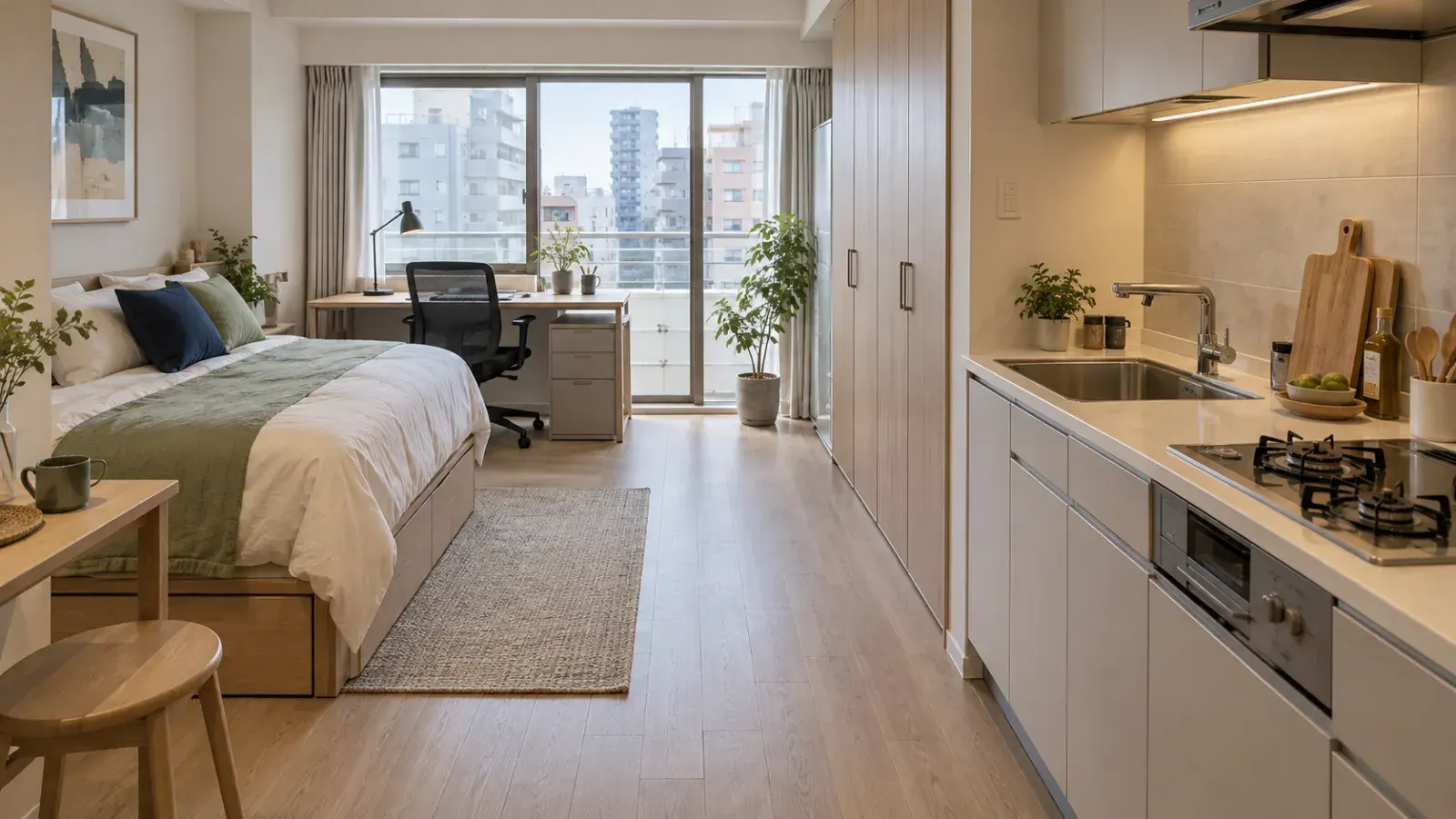
The employee should be able to arrive and perform basic daily routines without arranging major services. That usually means active utilities and Wi-Fi, usable furniture, basic kitchen equipment and clear instructions for appliances and waste.
“Furnished” alone does not guarantee any of those things. HR should compare a checklist of inclusions, not marketing labels.
Why do workspace and Wi-Fi matter?
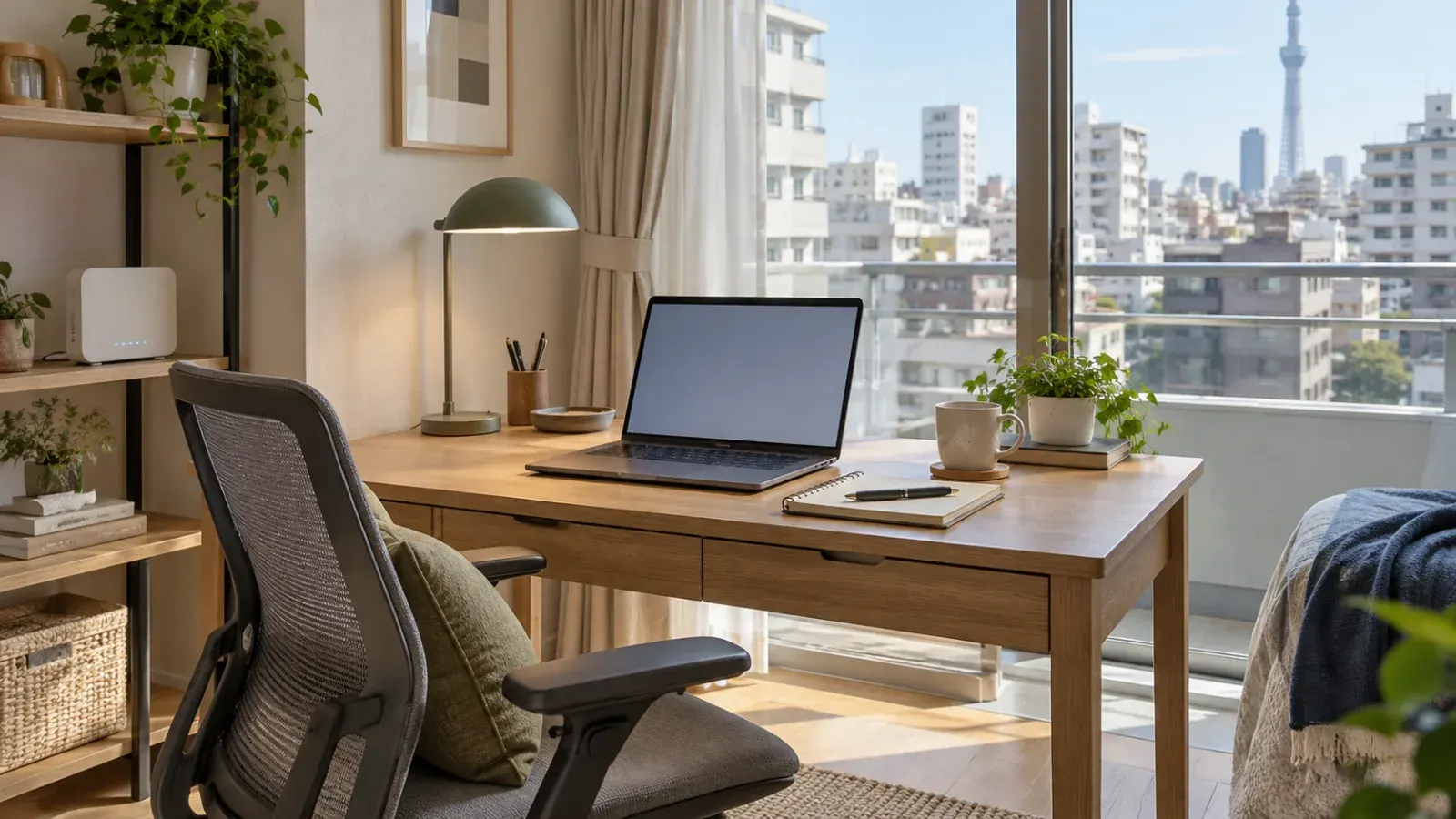
Even office-based employees may take video calls across time zones, complete reports at night or work from home occasionally. A stable connection and an actual work surface can materially affect the first months of an assignment.
Ask whether Wi-Fi is included, whether there is a desk or dedicated work area, and whether the room layout can separate rest from work reasonably well.
Why are kitchen and laundry long-stay essentials?
Over weeks or months, eating every meal outside and carrying laundry elsewhere becomes repetitive. A functional kitchen and convenient laundry allow the employee to recover at home rather than turning ordinary chores into more logistics.
These features are especially relevant for new hires and assignees whose workdays are already cognitively demanding.
How much service is actually helpful?
More service is not always better. Some long-stay guests value privacy and a stable personal routine more than daily room entry. What matters is knowing the cleaning schedule and how to request help when needed.
For HR, a clear support channel also matters because it reduces the need for the company to solve appliance, check-in or building questions itself.
For a corporate assignee, the best furnished apartment is not the one with the longest amenity list. It is the one that makes an ordinary Tuesday easy.
What should HR inspect before approval?
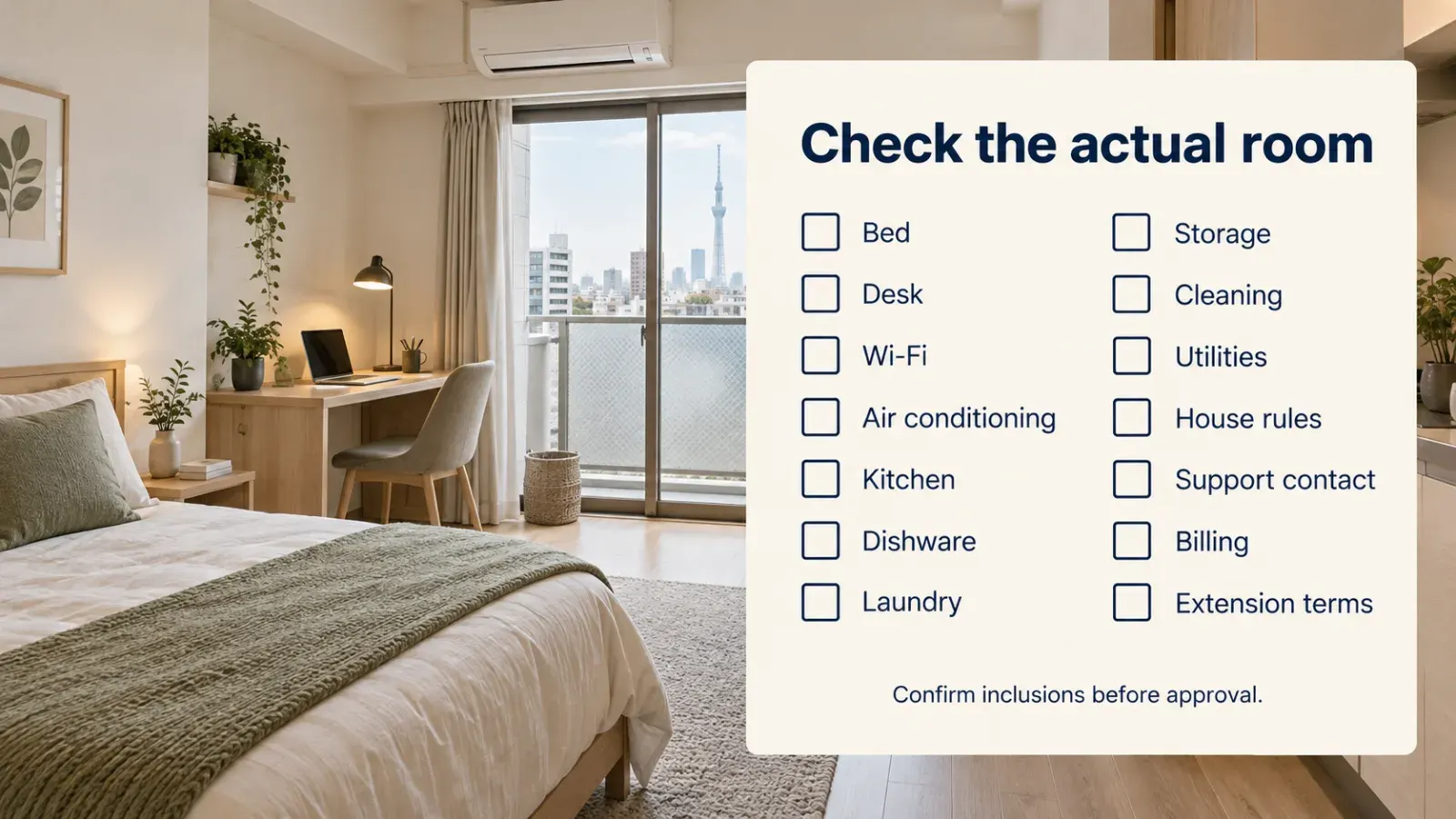
Use a room-level checklist: bed, desk, Wi-Fi, air conditioning, kitchen, dishware, laundry, storage, cleaning, utilities, house rules, support contact, billing and extension terms.
Also check the commute and surrounding daily-life options. A well-equipped room can still be a poor assignment choice if the location makes the workweek difficult.
How does HIVEN fit this furnished-apartment checklist?
HIVEN’s Corporate page describes long-stay housing for relocating teams and corporate guests in Tokyo, including team relocation, curated proposals from HIVEN residences, bilingual support from inquiry to move-in, and corporate terms with flexible billing. Public residence information also emphasizes 29+ night stays, furnished living and practical long-stay features.
Public HIVEN room information for BK 501 lists high-speed Wi-Fi, dedicated workspace, in-unit laundry, full kitchen, utilities, air conditioning and English Support Desk, while the home page highlights weekly cleaning. Features vary by room, so confirm the specific unit before booking.
Related HIVEN Guides
Read “Tokyo Housing for Assignees: What HR Teams Should Check Before Booking” and “Expat Housing in Tokyo: Hotel, Serviced Apartment, or Monthly Residence?”
FAQ
What should be included in a furnished corporate apartment?
At minimum, compare sleep, workspace, Wi-Fi, kitchen, laundry, utilities, cleaning, support and billing—not just furniture.
Is daily housekeeping necessary?
Not necessarily. Long-stay guests often value privacy and predictable cleaning more than daily entry.
Why is in-room laundry useful?
It reduces repeated errands and makes ordinary workweeks easier over one to three months.
Should HR inspect the exact unit?
Yes. Features can vary by room type and operator, so room-level confirmation is better than category assumptions.